
A significant transformation is underway in the American workforce, as employees increasingly prioritize factors beyond financial compensation when evaluating their jobs. Research conducted since 2023 reveals a marked shift in employee sentiment, with a growing number of non-monetary benefits now holding more weight than a 10% pay raise. This evolution in workplace expectations signals a profound re-evaluation of what constitutes a truly fulfilling and sustainable work environment, driven by a confluence of societal changes and a heightened awareness of employee well-being.
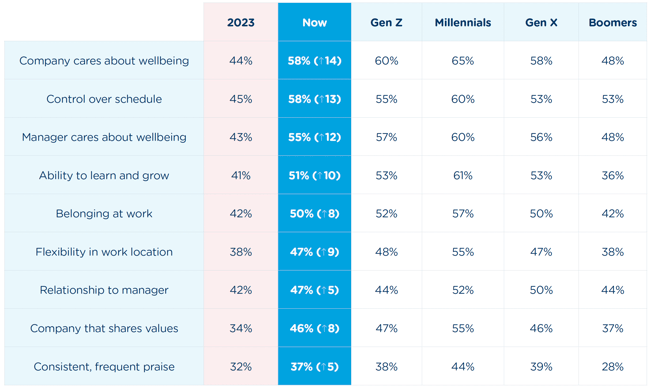
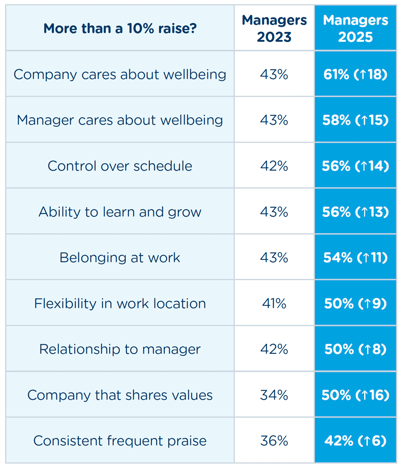
For years, the traditional benchmark for job satisfaction and a primary motivator for career moves has been salary. However, the data collected over the past two years paints a compellingly different picture. In 2023, none of the examined workplace factors managed to garner majority agreement as being more important than a 10% salary increase. Fast forward to the present, and this landscape has dramatically altered. More than half of the surveyed factors now consistently surpass the threshold of a 10% pay raise in employee importance. This represents a substantial pivot, indicating that companies seeking to attract and retain top talent must look beyond the payroll and cultivate a more holistic approach to employee engagement.
At the forefront of these elevated priorities is the desire for control over one’s schedule. The rigid nine-to-five structure is increasingly being challenged by a demand for flexibility, enabling employees to better balance their professional and personal lives. This yearning for autonomy over work hours is not a fleeting trend but a deeply ingrained need that has gained significant traction. Following closely behind is the fundamental human requirement for a supportive and caring work environment. Employees are actively seeking out companies and, crucially, managers who demonstrate a genuine concern for their overall well-being. This includes not only physical health but also mental and emotional welfare, a recognition of the interconnectedness of an individual’s life inside and outside the workplace.
The pursuit of personal and professional development also remains a powerful driver. The opportunities for learning and growth, coupled with a sense of belonging within an organization, are proving to be increasingly vital components of employee satisfaction. These elements foster a sense of purpose and community, contributing to a more engaged and committed workforce. The good news for employers is that many of these sought-after factors, such as improved work-life balance and a supportive culture, often come with a significantly lower cost implication than a substantial pay raise. This presents a strategic opportunity for businesses to enhance their employee value proposition without necessarily incurring prohibitive financial burdens.
The Pivotal Role of Management: Bridging the Perception Gap

The influence of managers on the employee experience cannot be overstated. A consistent finding across various reports, including the data analyzed here, is that managerial competence and engagement are directly correlated with team engagement. When managers are effectively leading their teams, organizations witness a tangible improvement in problem-solving, a surge in innovation, and a reduction in employee turnover. Conversely, when managers disengage or lack the necessary skills, the repercussions are swift and detrimental, leading to customer dissatisfaction, diminished employee productivity, and ultimately, a decline in business performance.
Gallup’s extensive research, which traces the lineage from team engagement all the way to national GDP growth, underscores the critical importance of effective management. The report highlights the mounting pressure on managers, who are increasingly tasked with navigating the complex demands of both executive leadership and their teams. This "squaring the circle" of competing expectations is taking a significant toll. Gallup’s framework emphasizes the necessity of robust support and comprehensive training for managers, recognizing them as the linchpin in fostering a thriving work environment.
This research is particularly pertinent in the current economic climate, where managers find themselves caught in the crossfire between rising employee expectations and organizational pressures. However, much like their employees, managers are also reassessing their own workplace priorities. The experience an employer provides is gaining prominence, with factors such as well-being, opportunities for learning, a sense of belonging, and control over their schedules becoming more appealing than a simple 10% salary increase. This suggests a potential ripple effect, where investing in managers’ well-being and development can indirectly benefit the entire workforce.
The Manager-Employee Perception Divide: A Chasm of Understanding
A striking disconnect exists between how managers perceive their impact and how employees experience it. A significant majority of managers, approximately 66%, believe they are instrumental in making their employees’ lives easier. However, this perception is shared by only 44% of employees. This substantial gap in understanding points to potential shortcomings in communication, empathy, or the practical application of managerial support.
Similar discrepancies emerge in other crucial areas of the employee experience. For instance, while managers might believe they are providing adequate opportunities for professional development, employees may not feel they are receiving the necessary support to advance their careers. This could manifest in a lack of clear career pathways, insufficient training resources, or a failure to recognize and nurture individual talents.
Compounding this disconnect is the alarming statistic that 30% of managers report feeling overwhelmed. This state of being suggests that organizations may be placing an undue burden on their management layer without providing the commensurate resources or support. If companies expect managers to champion employee engagement, provide effective coaching, facilitate clear communication, drive performance, and promote well-being, they are setting them up for failure if they do not equip them with the tools and capacity to succeed. The current managerial model appears unsustainable, leading to burnout and a potential erosion of the very qualities that make for effective leadership.
The Underlying Driver: A Decline in Workplace Well-being
The escalating importance placed on a positive employee experience is not occurring in a vacuum. It is intrinsically linked to a palpable increase in stress, burnout, and feelings of loneliness within the professional sphere. The modern workplace, with its ever-increasing demands and the blurring lines between work and personal life, has created an environment where employee well-being is often compromised. This decline in well-being is a significant factor driving the demand for workplaces that prioritize a more humane and supportive approach.
The implications of this trend for business outcomes are profound. A staggering 85% of employees report that feeling appreciated directly impacts their productivity. Similarly, 79% of employees believe their relationship with their manager significantly influences their productivity. These statistics underscore a critical business reality: a positive and supportive work culture is not merely a "soft" attribute but a direct driver of tangible output and organizational success.
Managers who internalize this understanding and strategically allocate their time and resources to fostering well-being can create a powerful downstream impact on their organization’s performance. This proactive approach, which includes consistent coaching, meaningful one-on-one conversations, and genuine recognition of employee contributions, can be transformative. It not only elevates the employee experience but also demonstrably contributes to the bottom line, creating a virtuous cycle of engagement and productivity.
Broader Implications and Future Outlook
The current shift in employee priorities has far-reaching implications for how businesses operate and compete. Companies that fail to adapt to these evolving expectations risk falling behind in the race for talent. The traditional model of prioritizing monetary compensation above all else is becoming increasingly anachronistic. Instead, organizations must cultivate environments that foster autonomy, support well-being, encourage growth, and build a strong sense of community.
This necessitates a fundamental re-evaluation of management training and support systems. Equipping managers with the skills to lead with empathy, provide effective feedback, and champion employee well-being is paramount. Furthermore, organizations must actively work to bridge the perception gap between managers and employees, fostering open communication and mutual understanding.
The increasing focus on employee experience also has the potential to reshape the future of work. We may see a greater adoption of flexible work arrangements, a more personalized approach to employee development, and a stronger emphasis on mental health support. Companies that embrace these changes proactively will not only enhance employee satisfaction but also build more resilient, innovative, and ultimately, more successful organizations. The insights gleaned from this ongoing research serve as a critical roadmap for businesses aiming to thrive in the contemporary professional landscape, where the human element of work is finally receiving the recognition it deserves.
The journey towards a more employee-centric workplace is ongoing, but the current trajectory is clear. The emphasis has irrevocably shifted, and businesses that listen to their employees and invest in their well-being and growth will undoubtedly be the ones to flourish in the years to come. This is not just about employee satisfaction; it is about building sustainable, high-performing organizations for the future.