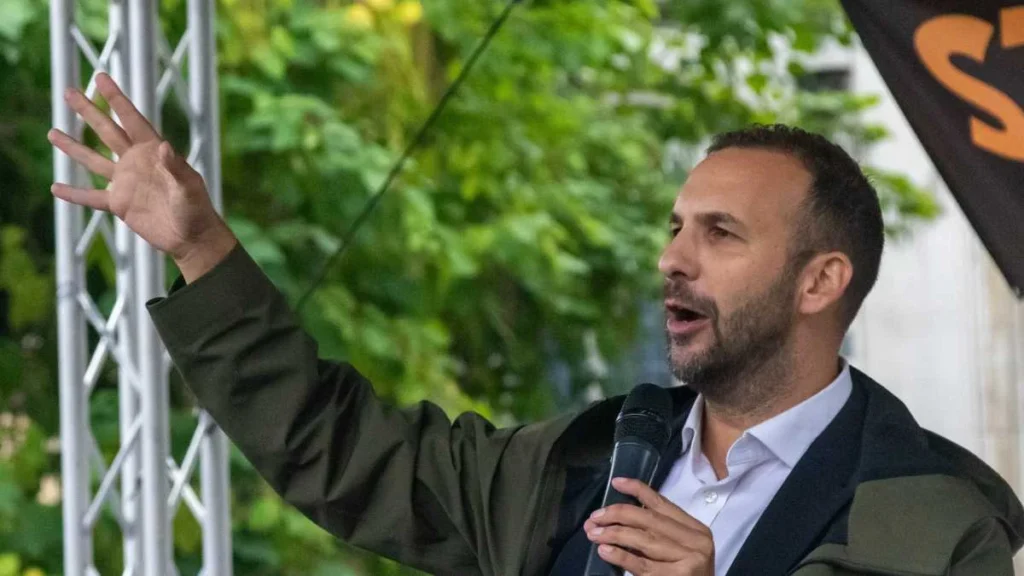
The Green Party has ignited a significant debate on economic policy and industrial relations, announcing a comprehensive workers’ rights charter that includes a pledge to elevate the statutory minimum wage to £15 an hour for all workers, irrespective of age. This bold proposal, unveiled today in Manchester by Green Party leader Zack Polanski, positions the party as a formidable challenger to the Labour government on issues of employment and social justice, arguing that current legislative frameworks, including recent government initiatives, fall short of adequately protecting workers.
A New Economic Vision: The £15 Minimum Wage Proposal
At the core of the Green Party’s new charter is the commitment to a universal £15 per hour minimum wage. This represents a substantial increase from the current National Living Wage (NLW) of £12.71 per hour for those aged 21 and over, and £10.85 for 18- to 20-year-olds, which came into effect on April 1, 2026. The party’s plan specifically eliminates age-based differentials, ensuring that all adults, regardless of their age, receive the same statutory minimum. To mitigate the potential burden on small and medium-sized enterprises (SMEs), the Greens propose offsetting the increased wage costs through a reduction in National Insurance payments for these businesses. This dual approach aims to boost workers’ incomes while attempting to safeguard business viability, particularly in sectors heavily reliant on minimum wage labour.
The call for a £15 minimum wage is not entirely new to the political discourse. In 2021, members of the Labour Party notably voted in favour of a similar £15 minimum wage, following a motion tabled by the Unite trade union. However, the Labour leadership at the time encouraged members to vote against the increase, citing concerns about economic feasibility and potential job losses. This historical context highlights a persistent tension within the left-leaning political spectrum regarding the optimal level for the minimum wage and the pace of its increase.
The Current Landscape of Minimum Wage and Its Economic Impact
The recent increase on April 1, 2026, saw the National Living Wage rise by 9.8% from £11.44 to £12.71, and the National Minimum Wage for 18-20 year olds increase from £9.18 to £10.85. While these uplifts were welcomed by many advocacy groups and workers, they have also sparked considerable debate among employers and economists. Sectors with a high proportion of minimum wage staff, such as hospitality, retail, and social care, have frequently voiced concerns about the cumulative impact of rising labour costs, coupled with other inflationary pressures and increased employer taxes. Reports from these sectors have indicated that some businesses have been compelled to consider layoffs, freeze recruitment, or even reduce operational hours to absorb the higher wage bill. The British Retail Consortium (BRC) and UKHospitality, for instance, have consistently warned that aggressive wage increases, without corresponding productivity gains or government support, could lead to a contraction in employment and a rise in consumer prices.
Economic modelling on the impact of a £15 minimum wage varies widely. Proponents, often citing studies from organisations like the New Economics Foundation, argue that a substantial increase would significantly reduce in-work poverty, boost consumer spending, and stimulate local economies. They contend that businesses can absorb higher wages through increased productivity, reduced staff turnover, and a fairer distribution of profits. Conversely, critics, including some business federations and economic think tanks like the Institute of Economic Affairs, warn of potential job losses, particularly among less skilled workers, and inflationary pressures as businesses pass on increased costs to consumers. They also highlight the disproportionate impact on smaller businesses with tighter margins, even with the proposed National Insurance offset, which they argue might not fully compensate for the scale of the wage increase.
Reforming Industrial Relations: Repealing Anti-Union Legislation
Beyond the minimum wage, the Green Party’s charter pledges to "repeal current anti-union legislation," a move that could fundamentally reshape the landscape of industrial relations in the UK. While the party’s website outlines broader workers’ rights pledges, including enhanced collective bargaining rights and greater protections against unfair dismissal, the specific mention of repealing anti-union laws is particularly significant. Reports accompanying the announcement suggest this could include the reversal of a decades-old ban on secondary picketing, a highly contentious issue in British labour law.

The UK’s trade union legislation has evolved significantly over the past half-century, with a series of acts primarily introduced in the 1980s under Margaret Thatcher’s Conservative government, and further tightened by subsequent administrations, including the Trade Union Act 2016. These laws imposed strict regulations on industrial action, including requirements for ballot thresholds, notice periods for strikes, and limitations on picketing. The ban on secondary picketing, which prevents workers from striking in solidarity with workers at a different employer, even if that employer is part of the same supply chain or group, has been a long-standing grievance for trade unions. Its repeal would empower unions to exert broader pressure during disputes, potentially leading to more widespread industrial action and a rebalancing of power dynamics between employers and organised labour.
Trade unions, such as the Trades Union Congress (TUC) and specific sector unions like Unite and Unison, have consistently campaigned for the repeal of these laws, arguing they unduly restrict workers’ rights to organise and take effective action. They contend that the current framework disproportionately favours employers and undermines collective bargaining. Should the Greens’ proposals gain traction, they could usher in an era of significantly strengthened union power, potentially leading to increased wages, improved working conditions, and a more robust defence of employment rights across various sectors.
Political Strategy and Electoral Ambitions
The timing of the Green Party’s announcement, just ahead of next week’s crucial local elections, is highly strategic. The party is actively seeking to capitalise on a perceived disillusionment with traditional political parties, aiming to attract voters who feel unrepresented by either Labour or the Conservatives on issues of economic fairness and workers’ rights. The Greens have seen steady growth in recent years, notably securing over 850 council seats following significant gains in the 2025 local elections, demonstrating their increasing electoral footprint at a local level.
By presenting a clear, radical alternative on wages and union rights, the Green Party hopes to differentiate itself and appeal to a segment of the electorate that is increasingly concerned about the cost of living, stagnant wages, and the erosion of worker protections. Zack Polanski’s speech in Manchester serves as a direct challenge to the Labour Party, which, despite its historical ties to the trade union movement, has adopted a more cautious stance on radical wage increases and union law reforms, balancing its commitments with concerns about economic stability and business confidence. The Greens’ move puts pressure on Labour to articulate a more robust vision for workers’ rights, or risk losing progressive voters to a party perceived as more genuinely committed to these issues.
Reactions and Broader Implications
The Green Party’s proposals are expected to elicit a diverse range of reactions from across the political and economic spectrum. Business organisations are likely to express significant reservations about the £15 minimum wage, citing concerns about competitiveness, inflation, and the viability of businesses, particularly SMEs, even with the proposed National Insurance offset. They may argue that such a drastic increase could lead to automation, reduced investment, and ultimately, a net loss of jobs.
Trade unions, conversely, are anticipated to welcome the proposals, viewing them as a long-overdue step towards a fairer economy and a restoration of workers’ collective power. They may use the Greens’ announcement to intensify their lobbying efforts on the Labour Party, urging them to adopt a more ambitious platform on workers’ rights.
Economic analysts will likely scrutinise the feasibility of the National Insurance offset, questioning whether it would genuinely compensate small businesses for a nearly 20% increase in the minimum wage (from £12.71 to £15). The broader economic implications, including potential impacts on inflation, employment rates, and the overall productivity of the UK economy, will be subject to intense debate. The challenge for the Green Party will be to convincingly demonstrate how their proposals can be implemented without creating significant economic disruption, while delivering the promised benefits of poverty reduction and increased worker empowerment.
The Green Party’s bold workers’ rights charter, with its flagship £15 minimum wage and commitment to repealing anti-union legislation, marks a significant moment in British political discourse. It not only sets a clear policy agenda but also serves as a strategic intervention in the upcoming local elections, aiming to carve out a distinct identity and appeal to a broad base of voters seeking radical change in the realm of employment and economic justice. The debate ignited by these proposals will undoubtedly shape the wider political landscape, influencing the agendas of all major parties as the nation grapples with persistent economic inequalities and the evolving nature of work.