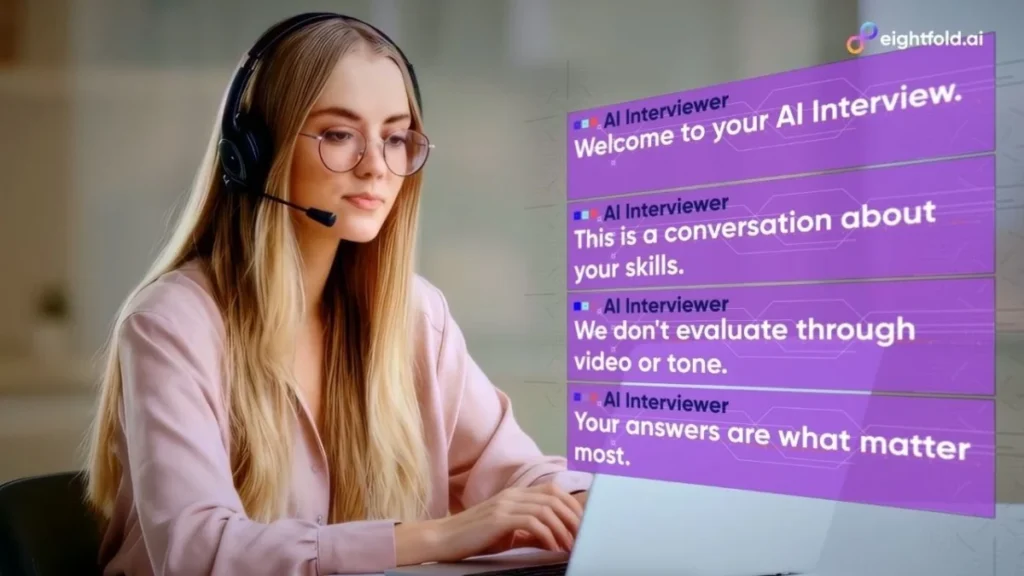
Mid-size organizations, often described as the "sweet spot" of business growth, find themselves navigating a particularly complex talent acquisition landscape. These companies possess the scale to manage a significant volume of open requisitions, yet often operate with leaner human resources and talent acquisition (TA) teams compared to their larger enterprise counterparts. This dynamic creates a unique set of challenges, particularly when vying for top talent. They compete directly with large corporations for the same skilled candidates, facing expectations of similar agility and speed in hiring processes, despite often lacking the extensive resources of those larger entities. The consequence is a critical risk: valuable candidates can slip through the cracks, recruiters are bogged down by manual screening tasks that detract from strategic relationship-building, and hiring managers receive inconsistent assessments of candidates based on the subjective interpretations of different recruiters. These inefficiencies become even more pronounced during periods of seasonal hiring surges or when expanding into new geographical markets. In this challenging environment, artificial intelligence (AI) interviewing tools are emerging as a transformative solution, not by replacing human judgment, but by ensuring it is applied to the most impactful stages of the hiring process.
The Unique Pressures of Mid-Market Hiring
The talent acquisition playbook for small businesses, focused on resourcefulness and direct outreach, and the comprehensive, often technology-rich strategies of large enterprises, do not adequately address the specific needs of mid-size companies. These organizations typically manage a substantial portfolio of open roles, frequently ranging from dozens to hundreds simultaneously. Each position generates a significant influx of applications, rendering manual screening of even a fraction of these candidates an overwhelming task that consumes a recruiter’s entire day.
The sheer volume of applications means that qualified candidates may experience considerable delays in receiving a response, often waiting days or even weeks. In today’s highly competitive job market, such protracted timelines can lead to these promising individuals accepting offers from more responsive competitors. This bottleneck is exacerbated by inconsistencies in interviewer calibration. When multiple recruiters conduct initial phone screens for the same role, variations in questioning, evaluation criteria, and what constitutes a strong response can introduce bias and make objective candidate comparison difficult. This lack of standardized assessment not only undermines fairness but also hinders the development of a reliable talent pipeline.
Furthermore, organizations experiencing predictable surges in hiring demand, such as retail businesses gearing up for holiday seasons, healthcare systems expanding their service footprint, or logistics companies scaling operations to meet seasonal peaks, find their manual processes severely strained. Attempting to onboard hundreds of seasonal associates using the same methodology as for permanent corporate roles quickly devolves from a strategy into a chaotic scramble.
AI Interviewer: Bridging the Mid-Market Hiring Gap
Eightfold AI’s AI Interviewer, integrated within its Agentic Talent Operating System, offers a scalable and consistent screening layer designed to address these mid-market hiring challenges. This solution operates from the moment a candidate submits an application, regardless of the number of open roles or the size of the applicant pool.
Accelerating Time-to-First-Interview at Scale
A key advantage of AI Interviewer is its ability to initiate a conversational screening interview automatically upon application submission. This eliminates scheduling delays and recruiter bottlenecks, allowing candidates to complete the interview at their convenience. The system supports over 22 languages, ensuring broad accessibility. Within hours, hiring teams receive structured insights from these interviews, significantly compressing a process that traditionally could take weeks. Early adopters have reported reductions in time-to-first-interview by as much as 90%, transforming a multi-week endeavor into a matter of days.
For mid-size organizations grappling with high application volumes, this efficiency fundamentally alters the hiring equation. Instead of recruiters spending considerable time triaging hundreds of applications to identify promising candidates for phone screens, AI Interviewer proactively surfaces top contenders, complete with consistent, skills-based summaries.
Ensuring Consistent Evaluation Across All Stages
AI Interviewer standardizes the evaluation process by posing the same role-specific questions to every candidate. Crucially, it assesses responses based on verifiable skills, relevant experience, and demonstrated capabilities, rather than subjective factors like resume polish or interviewer interpretation. The system is designed to focus solely on what candidates say, avoiding analysis of non-verbal cues such as facial expressions, tone, or emotional responses.
This commitment to structured consistency is particularly beneficial when multiple recruiters are involved in filling the same role or when staffing similar positions across different locations. Each candidate undergoes the same rigorous assessment, and hiring managers receive summaries derived from uniform criteria. This ensures that comparisons between candidates and across different locations are genuinely equitable. The AI models employed are bias-audited and have been validated across 155 countries. Furthermore, candidates with accessibility needs are seamlessly directed to a human-led process, guaranteeing equitable access throughout the hiring journey.
Scalability for High-Volume and Seasonal Hiring
The AI Interviewer is engineered to scale efficiently for organizations facing predictable hiring surges, such as seasonal retail operations, annual open enrollment periods, or fiscal year headcount expansions. It enables companies to activate a high-volume screening process across hundreds of roles simultaneously without a proportional increase in recruiter workload. This maintains a consistent candidate experience while allowing the internal team to concentrate on engaging with qualified candidates who warrant more in-depth consideration.
Similarly, for organizations undergoing geographic expansion or building distributed workforces, AI Interviewer provides a standardized process without the need for extensive local recruiting infrastructure. The system ensures a consistent and efficient screening experience, regardless of location.
Empowering Teams with Control and Insight
While AI Interviewer automates initial screening and delivers structured insights, ultimate hiring authority remains firmly with the human team. Recruiters and hiring managers retain the ability to review any interview, access full transcripts, add contextual notes, and override AI-generated recommendations when their professional judgment dictates. The AI interview score serves as a valuable signal, not a definitive verdict, designed to help teams optimize their time by focusing on candidates who merit deeper engagement and reducing time spent on manual processing of less suitable applicants.
As a component of the broader Eightfold Agentic Talent Operating System, the insights generated during the screening phase extend beyond the hiring decision. These data points contribute to a more comprehensive understanding of the workforce over time, informing internal mobility initiatives, skills gap analyses, and retention strategies as the organization evolves.
Real-World Impact for Mid-Size Employers
Organizations utilizing AI Interviewer at the mid-market scale consistently report several key positive outcomes. These include a significant reduction in time-to-fill, allowing companies to secure top talent more rapidly and minimize lost productivity. Improved recruiter efficiency is another prominent benefit, as AI Interviewer automates time-consuming screening tasks, freeing up recruiters to focus on strategic engagement and relationship building. Enhanced candidate experience is also frequently cited, with candidates benefiting from quicker responses and a more streamlined application process. Furthermore, the consistent and objective nature of AI-driven evaluations leads to improved hiring quality and reduced bias, fostering a more equitable and effective recruitment process.
A notable case study involves Quality Automotive Services, the second-largest and fastest-growing Valvoline Instant Oil Change franchise. By implementing AI Interviewer, the company has demonstrated a tangible ability to transform its high-volume hiring practices, indicating that AI solutions are not confined to specific industries but can offer broad applicability.
The High Cost of Stagnation in Talent Acquisition
In the current dynamic talent environment, the time-to-fill metric transcends operational efficiency; it has become a critical competitive differentiator. Each week a position remains unfilled translates directly into lost productivity, increased workload for existing staff, and a heightened risk of losing promising candidates to competitors. For mid-size organizations already in direct competition with the hiring engines of larger enterprises, a slow and inefficient recruitment process represents one of their most significant disadvantages.
The AI Interviewer is built upon an enterprise-grade platform that has garnered recognition, including being named one of the Top HR Products of 2025 by HR Executive Magazine and adopted by a substantial portion of the Fortune 500. Crucially, it makes this advanced capability accessible to mid-size organizations without the need for extensive technical resources or lengthy implementation periods.
The mid-size companies that are succeeding in attracting and retaining top talent are not necessarily those with the largest recruitment departments. Instead, they are characterized by their adoption of intelligent processes. These forward-thinking organizations move with speed, evaluate candidates fairly and consistently, and empower their human teams to concentrate on the critical decisions that genuinely require human insight and strategic thinking. This strategic utilization of AI allows them to level the playing field and compete effectively for the talent that will drive their future growth.
For mid-size organizations ready to enhance their hiring capabilities and gain a competitive edge in the talent market, understanding the potential of AI Interviewer is a crucial step. By embracing these innovative solutions, they can not only streamline their processes but also ensure they are making data-driven, equitable, and ultimately more successful hiring decisions.