
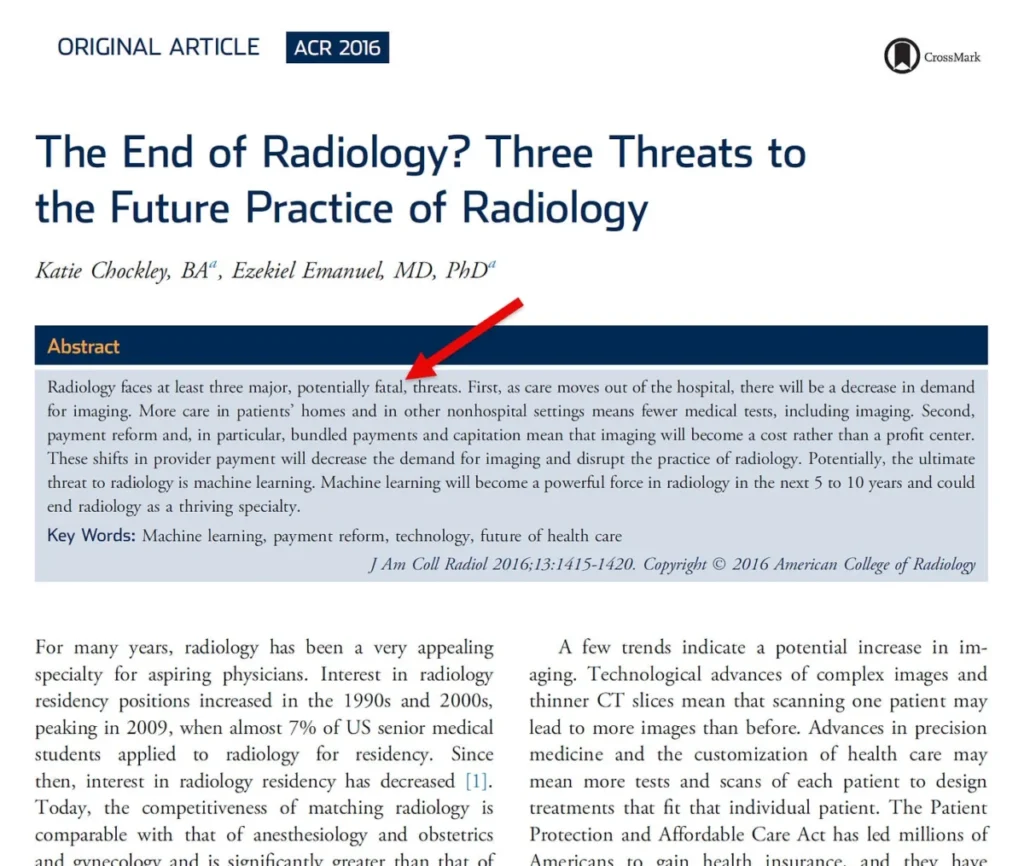
The prevailing narrative surrounding artificial intelligence often paints a grim picture of widespread job displacement. However, a deeper examination of current trends and data suggests a more nuanced reality: AI is not merely eliminating tasks; it is fundamentally reshaping jobs, making them more interesting, valuable, and ultimately more rewarding. This shift, though sometimes met with apprehension, represents a significant evolution in the nature of work, leading to enhanced roles and greater opportunities, rather than wholesale unemployment.

The Shifting Landscape of Software Engineering
One of the most scrutinized sectors in the context of AI’s impact is software engineering. With an estimated 4-6% of the global workforce, representing tens of millions of individuals and trillions in salary expenditure, engaged in software design, coding, testing, maintenance, and integration, any perceived threat to this field carries substantial weight. Research, such as that from Anthropic, has posited that a significant portion of software development tasks could be automated by Large Language Models (LLMs). This has fueled concerns about the future of software engineers.
However, real-world data from labor market analytics firms paints a different picture. Despite predictions of obsolescence, the demand for software engineering roles has remained robust. Lightcast, a prominent labor market intelligence platform, has tracked global job postings for software engineering, design, and testing roles. Their data indicates that while there may be fluctuations in demand due to economic cycles or the introduction of new technologies, the overall number of these positions has not significantly declined. In fact, a recent analysis showed approximately 650 open software engineering or related positions at OpenAI alone, alongside substantial hiring across IT departments as they integrate AI.

Evolution, Not Elimination: The Case of Software Engineering Skills
The core argument against mass job elimination lies in the evolving nature of these roles. While AI can indeed generate code rapidly, the complex tasks of understanding business processes, designing intricate technology architectures, refining use cases, and establishing comprehensive test beds remain inherently human endeavors. AI tools are becoming powerful assistants, augmenting the capabilities of engineers rather than replacing them entirely.
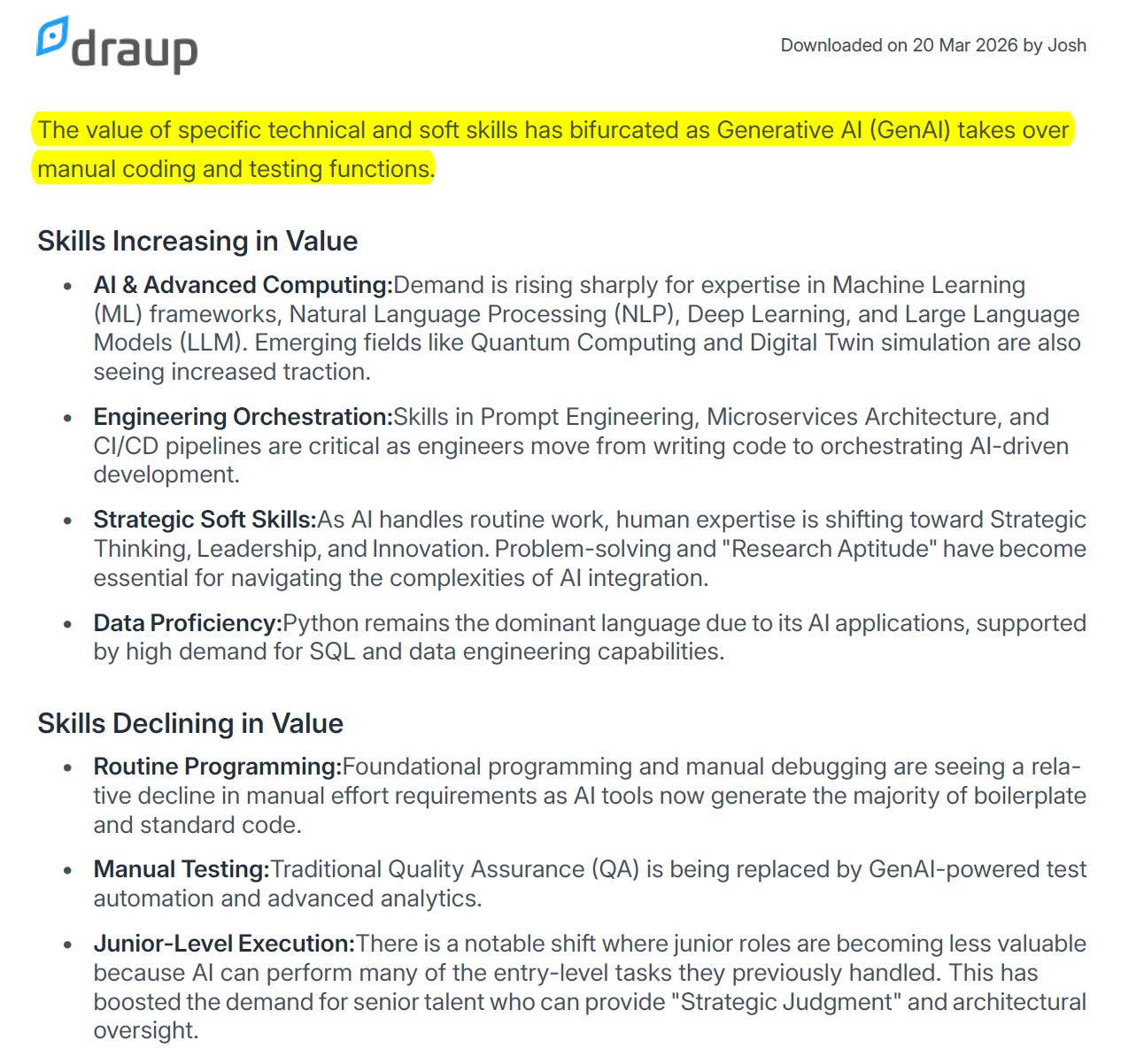
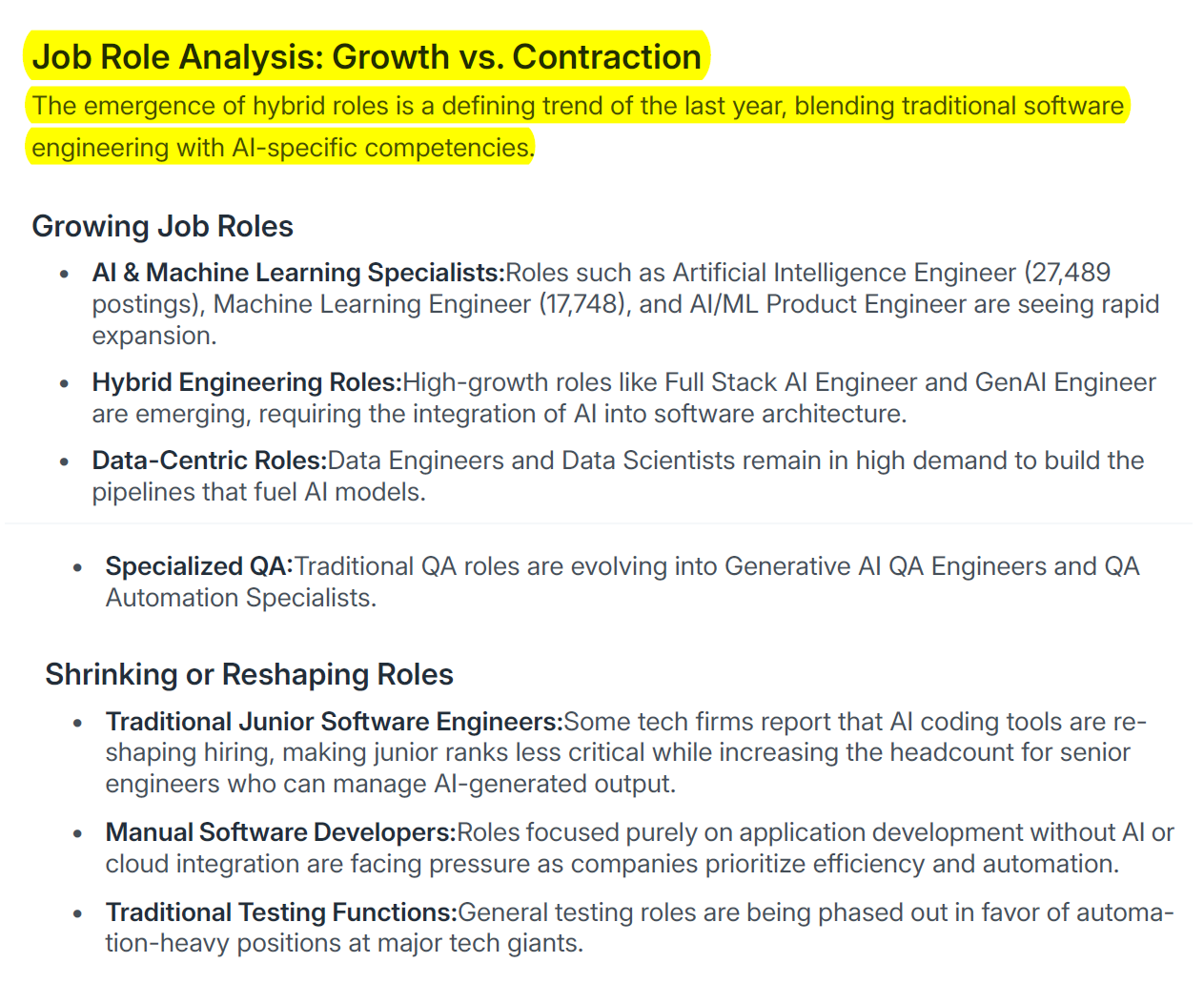
Draup, another labor market analytics company, has analyzed skill trends within software engineering job postings. Their findings reveal a subtle but significant shift: while entry-level coding and testing skills might see a gradual decline in demand, there is a corresponding rise in demand for more advanced and specialized skills. This mirrors historical technological advancements. For instance, the advent of personal computers and word processing software did not eliminate secretarial roles; instead, it transformed them, shifting the focus from basic typing to administrative management, communication coordination, and executive support. Similarly, AI is automating repetitive coding tasks, allowing engineers to focus on higher-level problem-solving, system design, and the strategic application of AI itself.
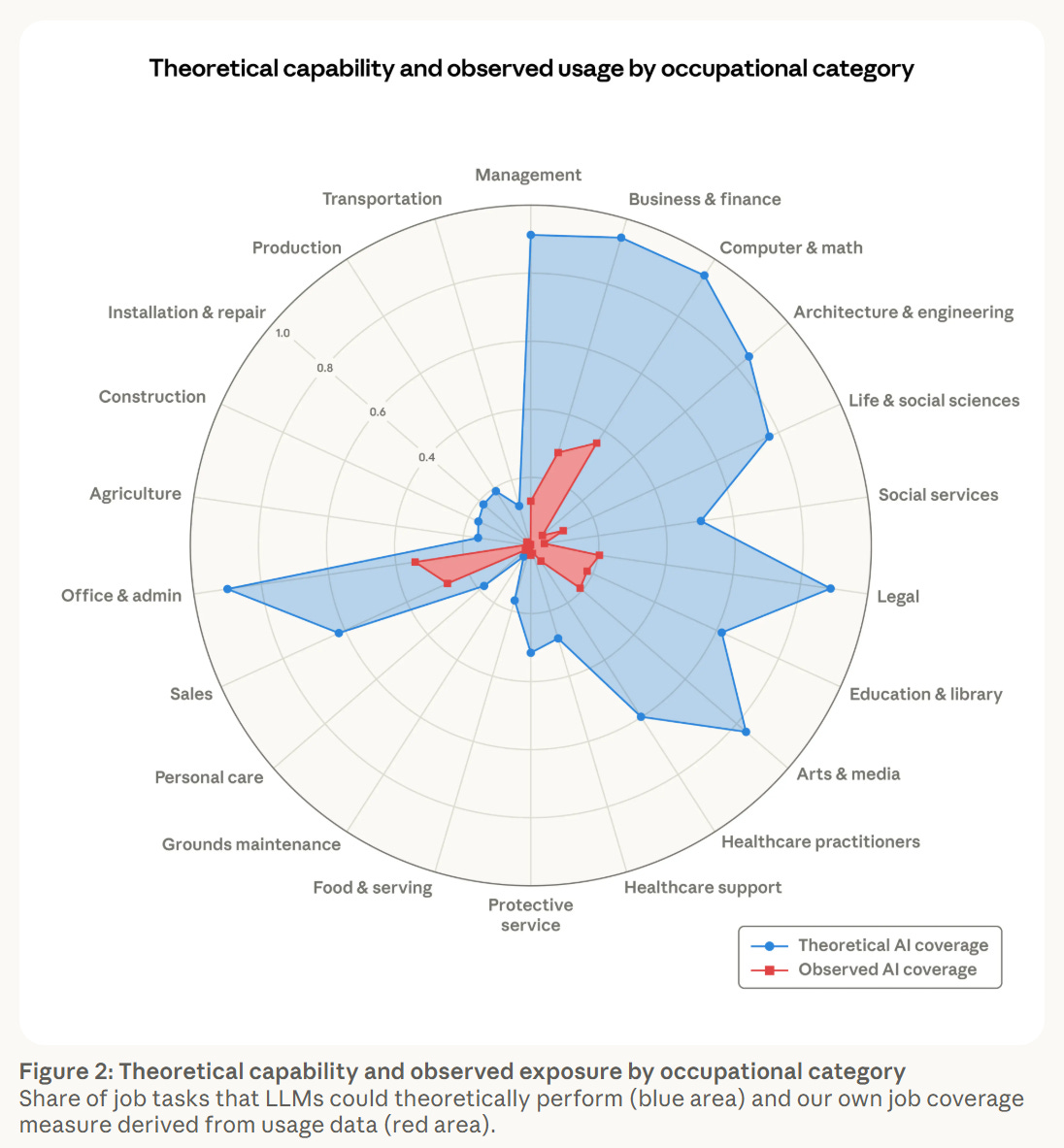
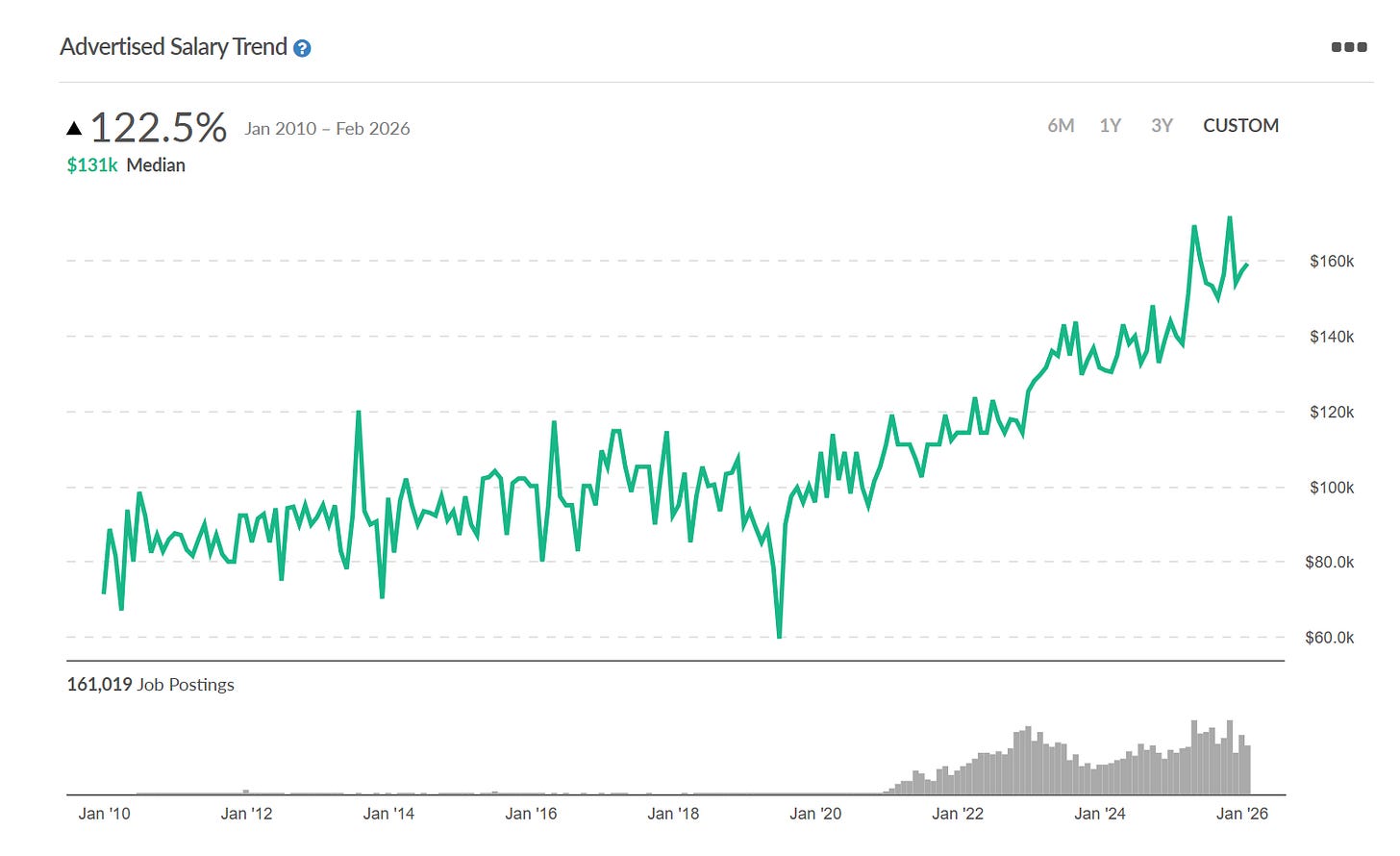
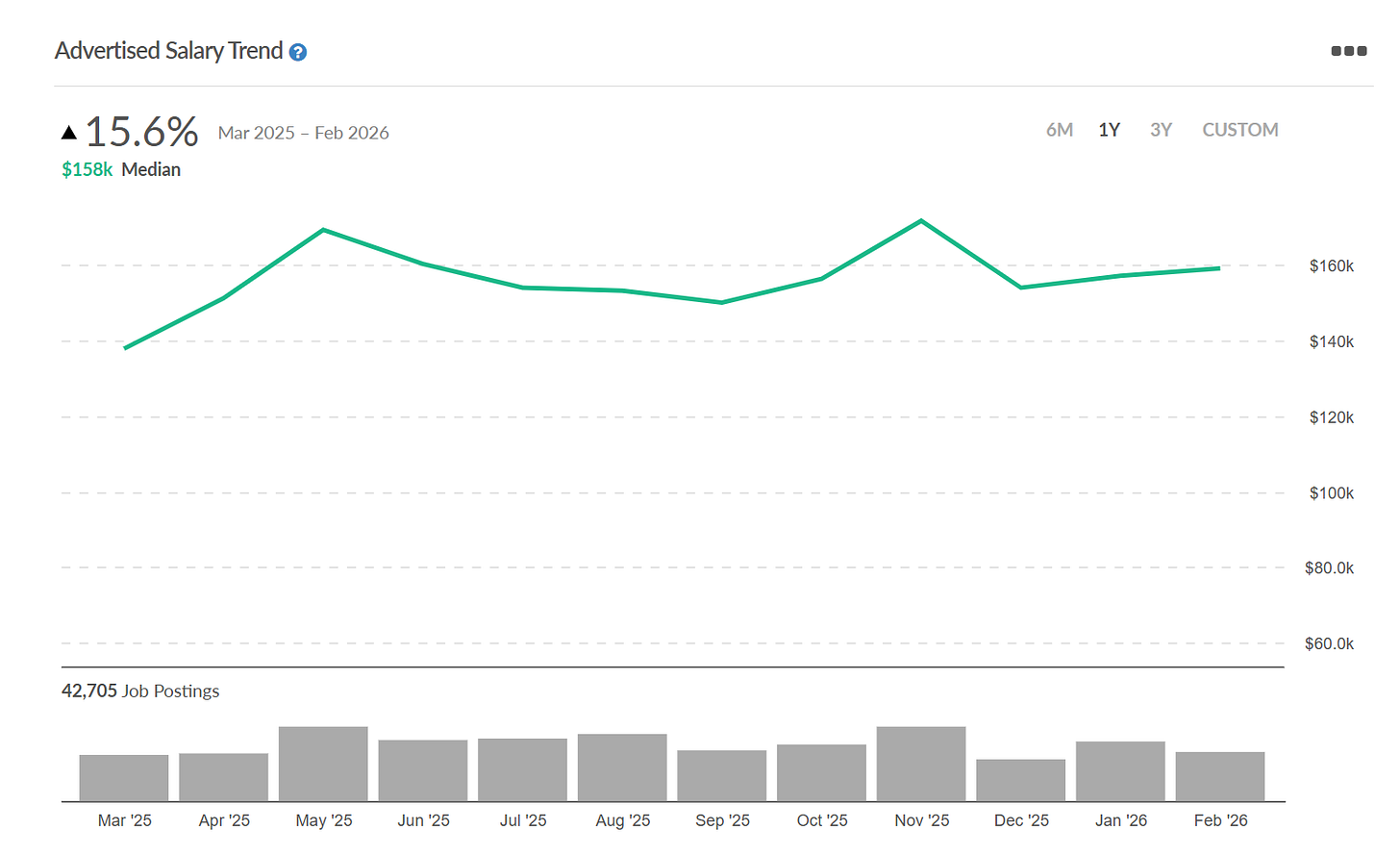
The emergence of new job titles such as "full-stack AI engineer" and "GenAI engineer" further exemplifies this evolution. These roles are not mere replacements but expansions, requiring a blend of traditional software development expertise with specialized knowledge in artificial intelligence and machine learning. This shift has also had a tangible impact on compensation. Data indicates a significant increase in software engineering salaries over the past 15 years, with a notable surge of over 15% in the last year alone, underscoring the growing value and demand for skilled professionals in this transformed field.
Healthcare’s AI Integration: Enhancing, Not Erasing, Expertise
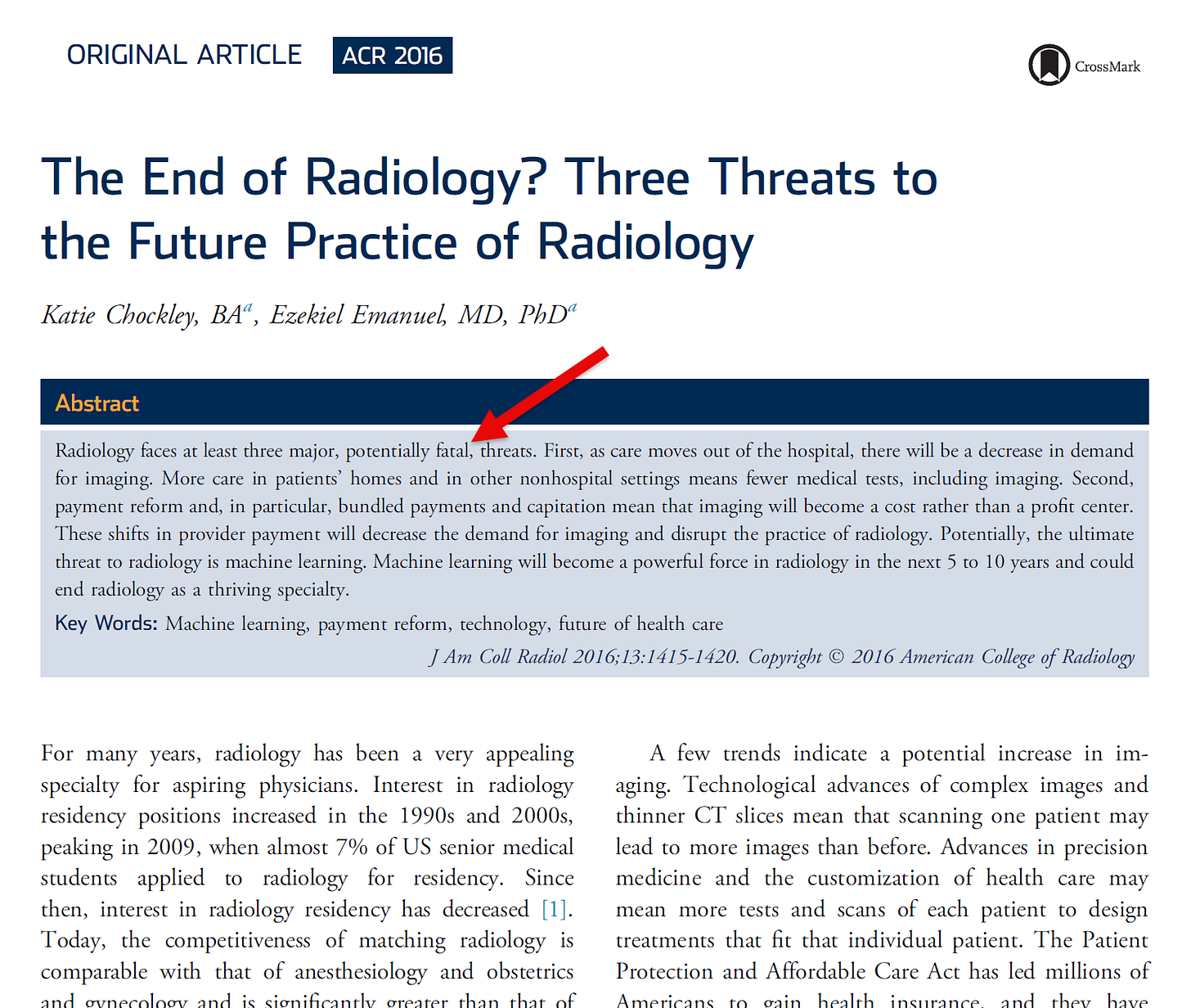
The healthcare sector offers another compelling case study of AI’s impact on employment. For years, the introduction of digital imaging technologies and advanced diagnostic tools has led to speculation about the future of roles like X-ray technicians and radiologists. The logic was that AI-powered medical image analysis would eventually render human interpretation obsolete.
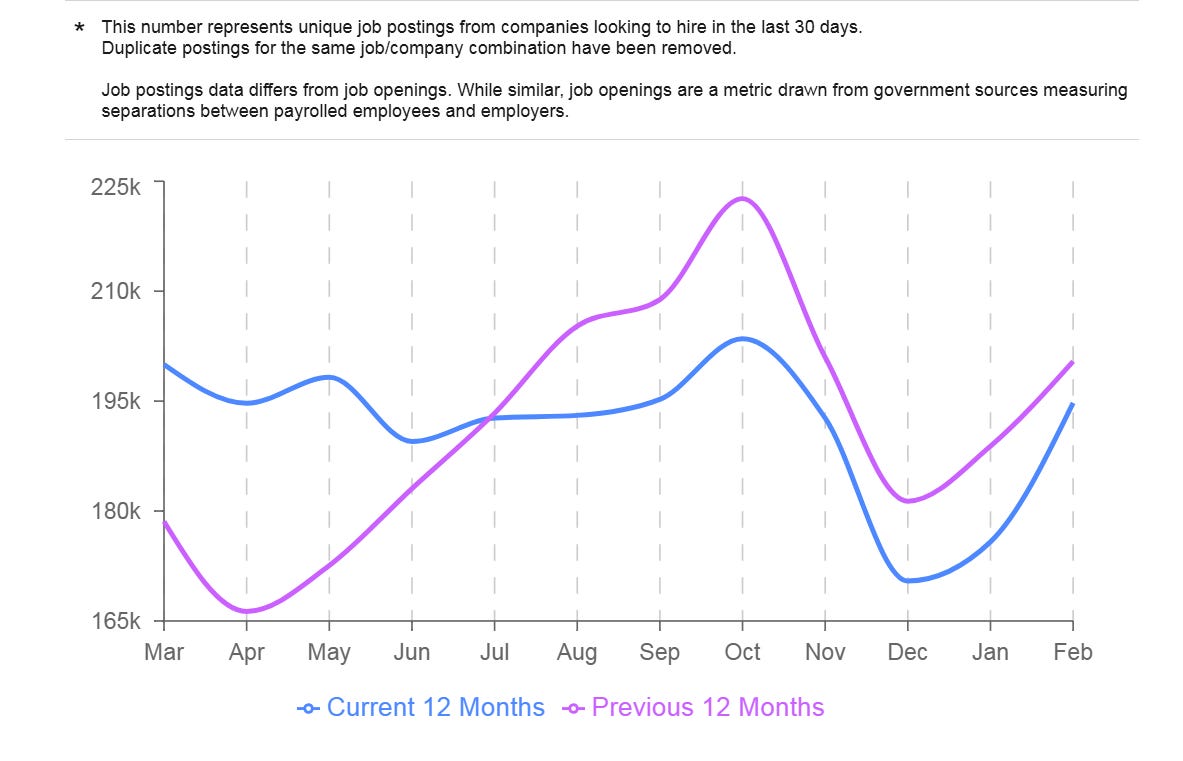
However, similar to the software engineering field, the reality has proven to be far more dynamic. Lightcast data reveals a substantial year-over-year increase of 35% in job postings for imaging and medical diagnostics roles. This growth suggests that AI is not displacing these professionals but rather augmenting their capabilities and expanding the overall scope of diagnostic services.
The Rise of "Superworkers" in Healthcare
The integration of AI in medical diagnostics has led to the creation of what can be termed "superworkers." These are professionals whose roles have been enhanced by technology, allowing them to handle more complex cases, improve patient care, and increase efficiency. For X-ray technicians, AI can now perform initial scans and identify potential anomalies, freeing up technicians to focus on patient interaction, ensuring proper positioning, and managing the workflow. Radiologists, in turn, can leverage AI-generated reports as a starting point, allowing them to dedicate more time to intricate diagnoses, consulting with other specialists, and communicating findings to patients.
The anecdote of a recent personal healthcare experience illustrates this transformation. A prompt X-ray for a cough, facilitated by a quick message from the doctor to the imaging department, resulted in a swift diagnosis delivered via phone while still in transit. This efficiency, enabled by AI-driven scheduling and interpretation, did not lead to the elimination of the X-ray technician or the radiologist. Instead, it streamlined their workflow, reduced patient waiting times, and allowed for a higher volume of successful diagnoses. The cost of such imaging services has also become more competitive compared to other escalating healthcare expenses, further demonstrating the value creation AI brings to the sector.
The skills in demand for these evolving healthcare roles are also shifting. While the technical proficiency in operating imaging equipment remains crucial, there is an increasing emphasis on patient care, communication, data management, and the ability to effectively collaborate with AI diagnostic tools. This creates a more holistic and rewarding professional experience.
Understanding the "Superworker" Phenomenon
The consistent pattern observed across various industries—from software engineering to healthcare—points to a fundamental truth about technological adoption: technology, including AI, does not typically eliminate jobs; it transforms them. This phenomenon, often referred to as the "superworker" effect, describes how individuals leverage advanced tools to elevate their performance, expand their responsibilities, and increase their overall value.
This adaptability is deeply ingrained in human nature. For centuries, technological innovations have reshaped labor markets without leading to sustained mass unemployment. The US unemployment rate, for example, has historically remained relatively stable, demonstrating humanity’s capacity to adapt and evolve in response to change. Leaders play a crucial role in facilitating this transition by supporting their workforces, providing necessary training, and fostering an environment that embraces innovation.
Human beings possess an innate ability to learn, adapt, and create value. While AI may excel in speed and data processing, humans bring creativity, critical thinking, emotional intelligence, and complex problem-solving skills to the table. These are qualities that AI, at its current stage, cannot replicate. The nature of human existence is to strive, to improve, and to innovate. Businesses are founded on this principle, and leaders are tasked with navigating challenges, finding solutions, and driving growth.
AI, therefore, should be viewed not as a threat but as another powerful tool in the innovation toolkit. Just as the internet revolutionized communication and commerce, AI is poised to redefine how we work, solve problems, and create value. Its potential lies in automating mundane and repetitive tasks, thereby liberating human capital to focus on more strategic, creative, and impactful endeavors.
The Path Forward: Embracing AI for Enhanced Careers
The narrative of AI as a job destroyer is a mischaracterization of its true potential. Instead, AI acts as a catalyst for job evolution, leading to roles that are more engaging, intellectually stimulating, and financially rewarding. By embracing AI, individuals and organizations can unlock new levels of productivity, foster innovation, and drive progress.
The future of work is not one of widespread unemployment but one of "superwork," where humans and AI collaborate to achieve unprecedented outcomes. This requires a proactive approach to learning, skill development, and strategic adaptation. As AI continues to advance, the focus will shift from performing routine tasks to leveraging AI as a partner in complex decision-making, creative problem-solving, and strategic innovation. This paradigm shift promises not only to enhance individual careers but also to propel organizational growth and societal advancement.
To further understand this evolving landscape, resources such as podcasts featuring expert discussions, conferences dedicated to exploring the future of work, and in-depth research reports on AI’s impact are invaluable. Engaging with these resources allows for a deeper comprehension of the trends, challenges, and opportunities presented by artificial intelligence, empowering individuals and organizations to navigate this transformative era successfully. The journey towards AI integration is not about replacing humans, but about augmenting their capabilities and enabling them to reach new heights of professional fulfillment and economic prosperity.







