I am getting tired of reading stories about AI eliminating jobs. While AI does eliminate tasks and many routine activities, the real story is quite the opposite: AI makes jobs more interesting, more valuable, and ultimately more rewarding (financially and otherwise). I don’t say this because I’m an HR and HR technology analyst, but because I see this happening every day. My new book coming out this Fall will describe Superwork and Superjobs in detail.
The Shifting Landscape of Employment: AI as a Catalyst for Job Evolution, Not Elimination

The prevailing narrative surrounding Artificial Intelligence (AI) often paints a grim picture of widespread job displacement. However, a deeper analysis, supported by emerging data and real-world observations, suggests a more nuanced and optimistic reality: AI is not primarily a job destroyer, but rather a powerful engine for job creation and enhancement. By automating routine tasks, AI liberates human workers to engage in more complex, creative, and ultimately more rewarding aspects of their professions, leading to increased job satisfaction and financial benefits.
This perspective is championed by industry analysts who observe daily transformations in the workforce. The concept of "Superwork" and "Superjobs" – roles that are augmented and elevated by AI – is gaining traction, indicating a fundamental shift in how we define and value human contribution in the modern economy.

Understanding the AI Revolution in Software Engineering
The software engineering sector, a cornerstone of the digital economy, provides a compelling case study for AI’s transformative impact. With millions of professionals globally involved in design, coding, testing, maintenance, and integration, this field represents a significant portion of the workforce and a substantial economic investment.
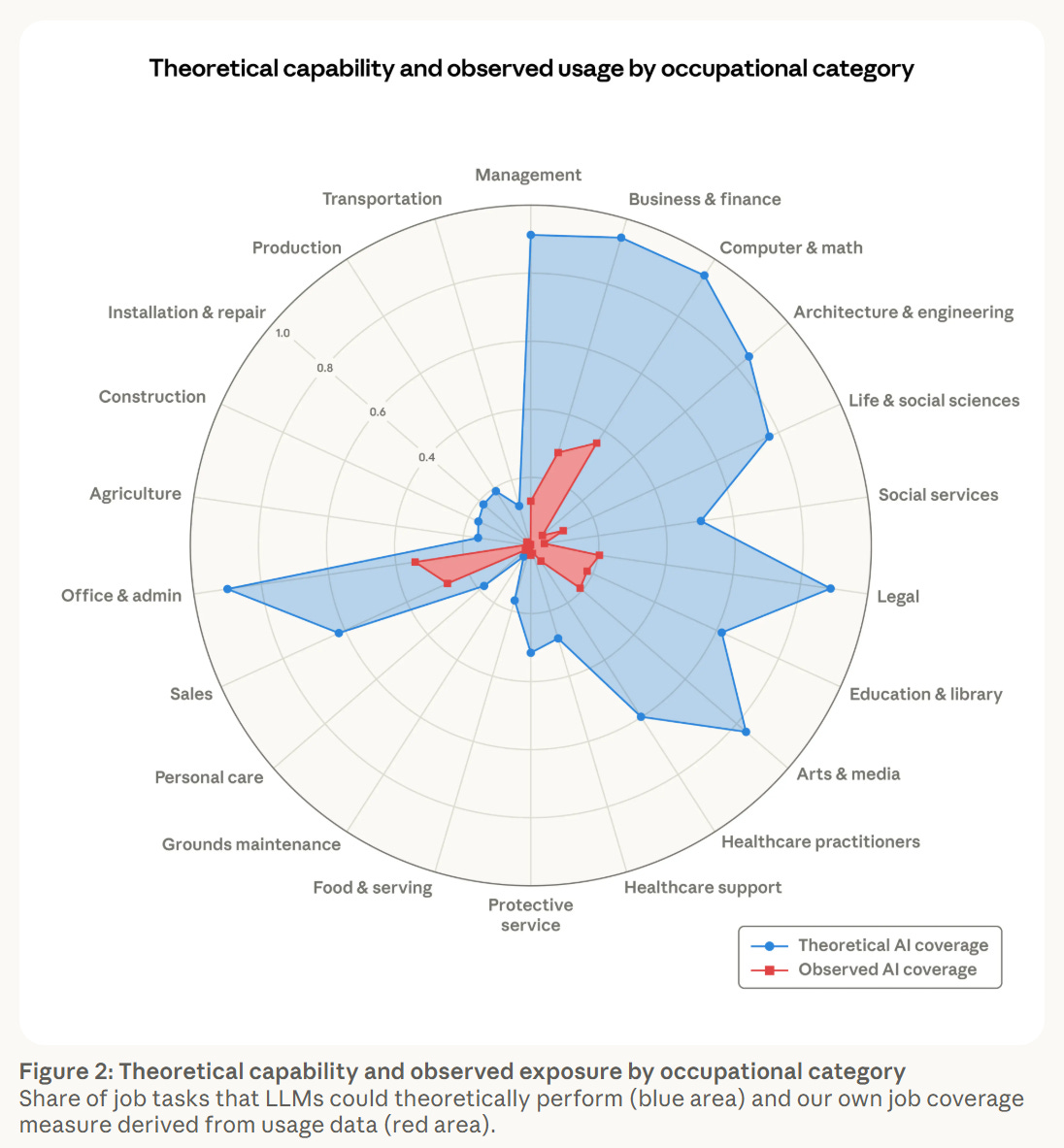
While research from entities like Anthropic suggests that Large Language Models (LLMs) could theoretically perform a substantial portion of coding-related tasks, this analysis often overlooks the multifaceted nature of software development. The true value of software engineers lies not solely in writing lines of code, but in their ability to conceptualize business needs, design robust technological architectures, refine user experiences, and establish rigorous testing protocols. AI, in this context, acts as a powerful co-pilot, automating the more tedious aspects of coding and allowing engineers to focus on higher-level problem-solving and innovation.
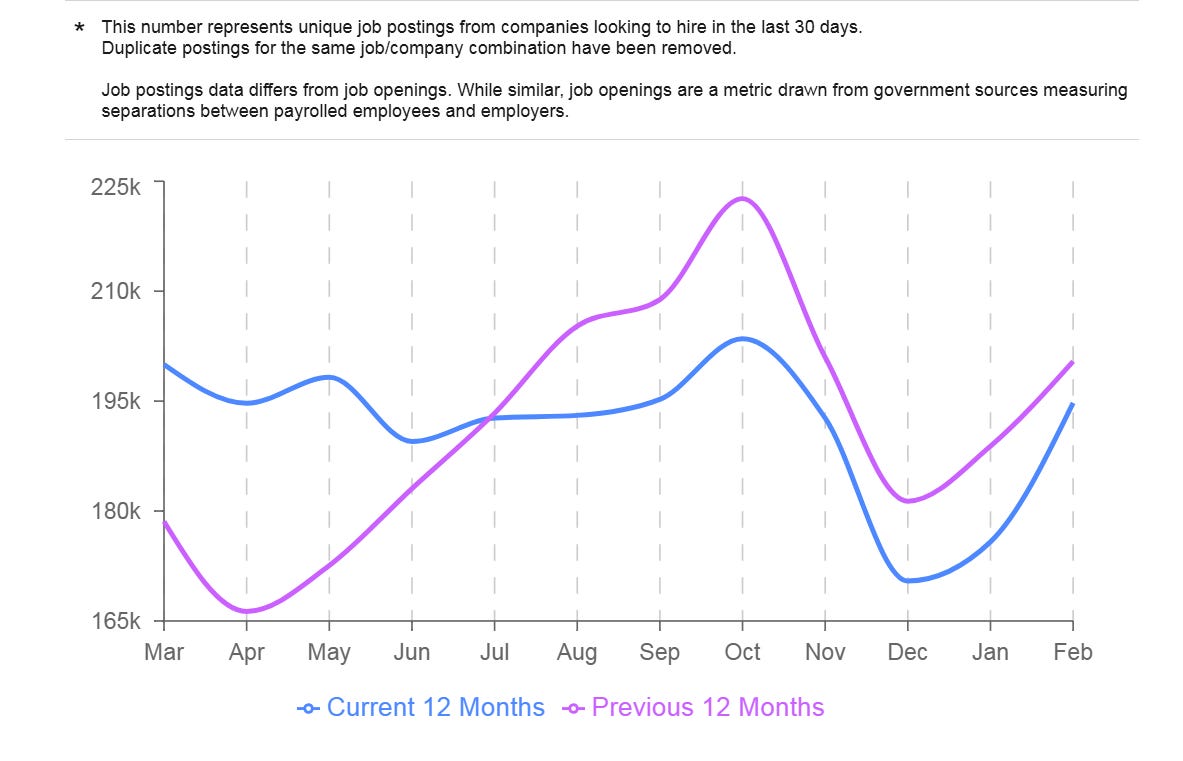
Data from labor market analytics firms like Draup and Lightcast corroborates this observation. Despite predictions of job losses, the demand for software engineering roles has remained robust, even showing fluctuations based on periodic market demands rather than outright elimination. Global job postings for software engineering, design, and testing have not seen a significant decline. In fact, recent trends indicate that companies, including AI pioneers like OpenAI, are actively hiring for software engineering positions as they integrate AI into their core operations and develop new AI-powered solutions.
The Evolution of Skills: From Routine Coding to AI-Augmented Expertise
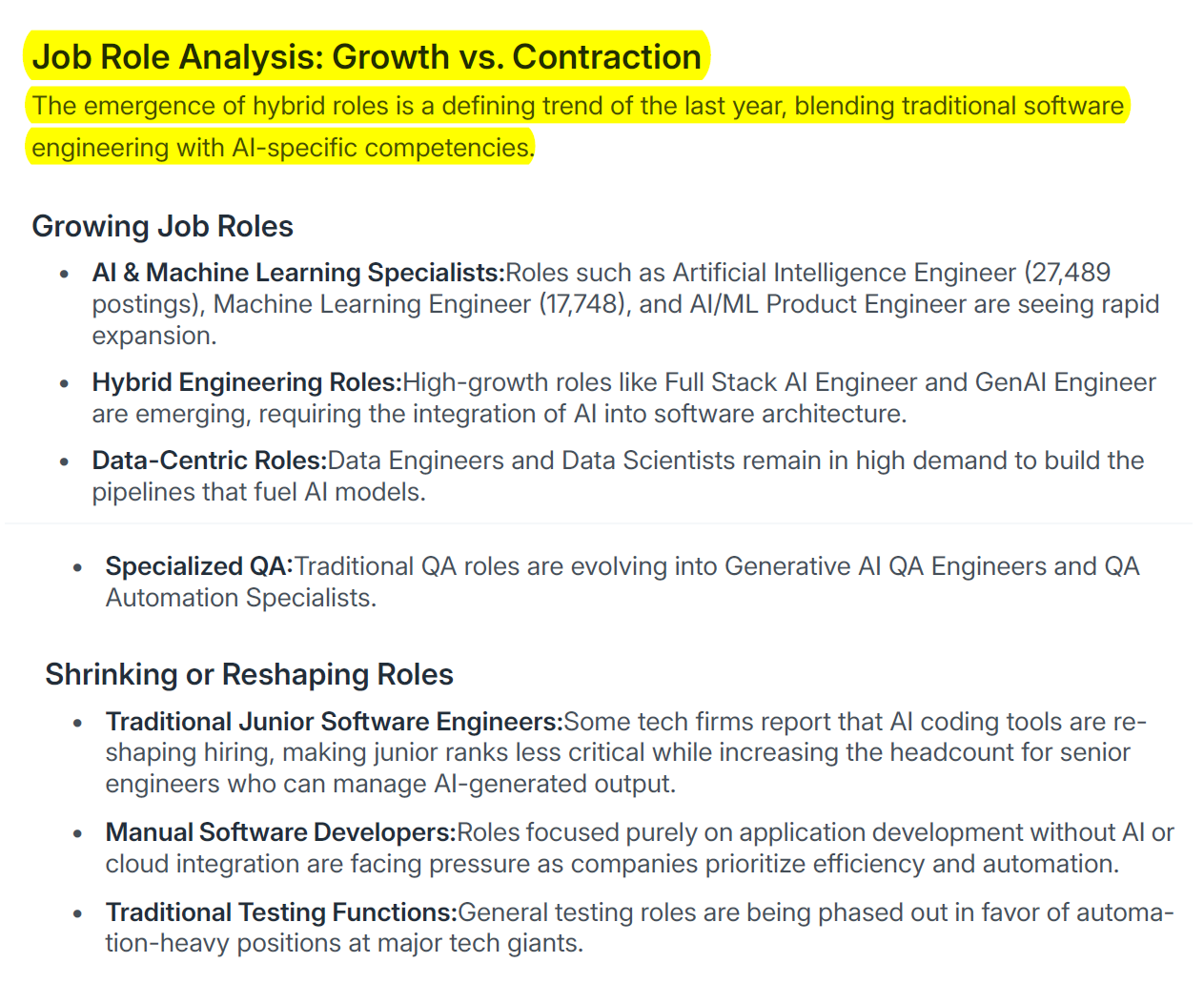
The true impact of AI on software engineering is not job elimination, but a significant evolution in required skills. Analysis of job postings reveals a declining trend in demand for purely entry-level coding and testing tasks. This mirrors historical technological shifts, such as the decline of the "steno pool" with the advent of word processing or the diminishing need for traditional telephone operators with the rise of automated systems.
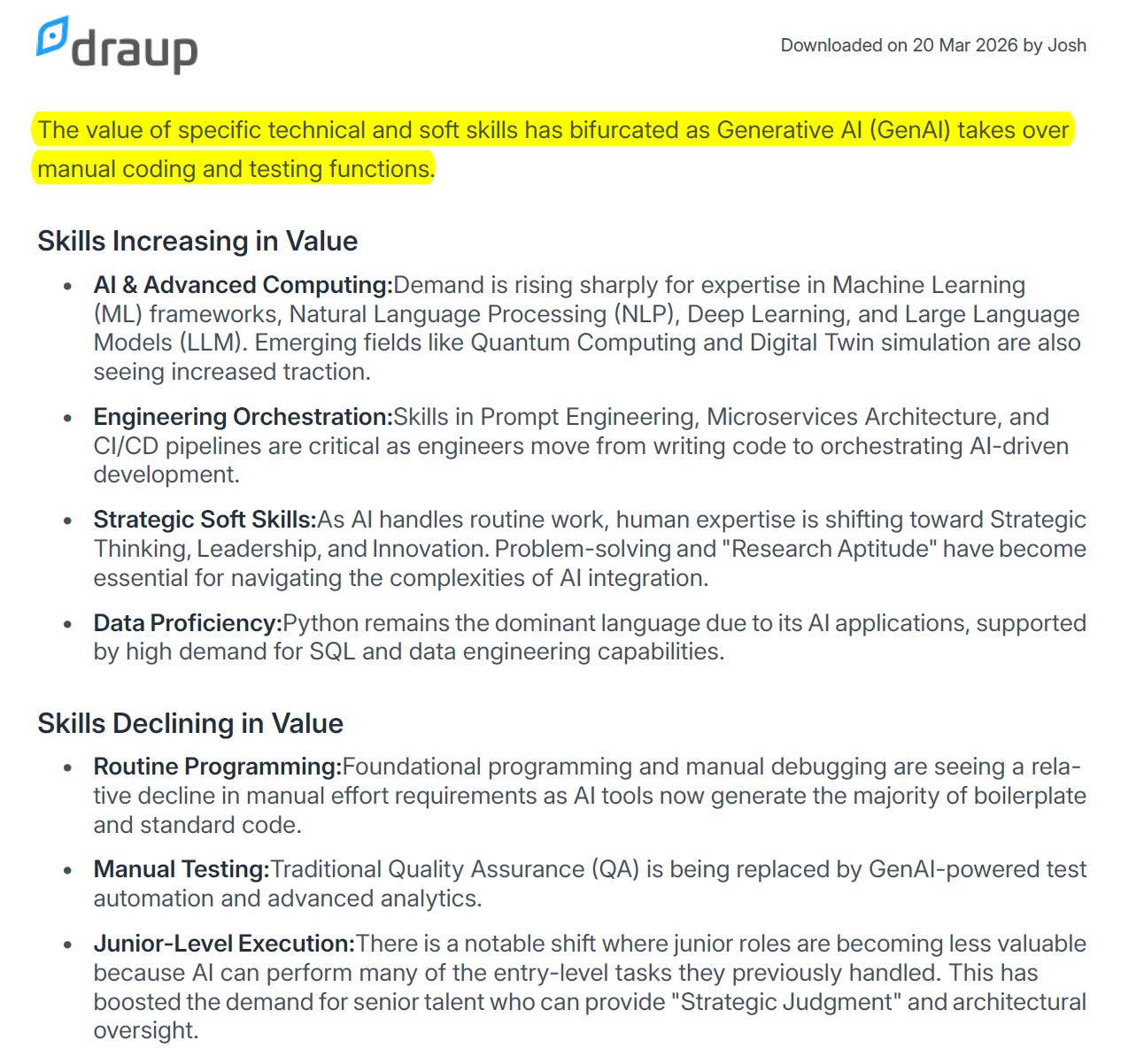
Instead, new, more sophisticated roles are emerging. Titles like "full-stack AI engineer" and "GenAI engineer" are becoming increasingly prevalent, reflecting a demand for professionals who can leverage AI tools to build and manage complex AI systems. These "Superjobs" require a deeper understanding of AI principles, machine learning, and the ability to integrate AI models into broader software architectures.
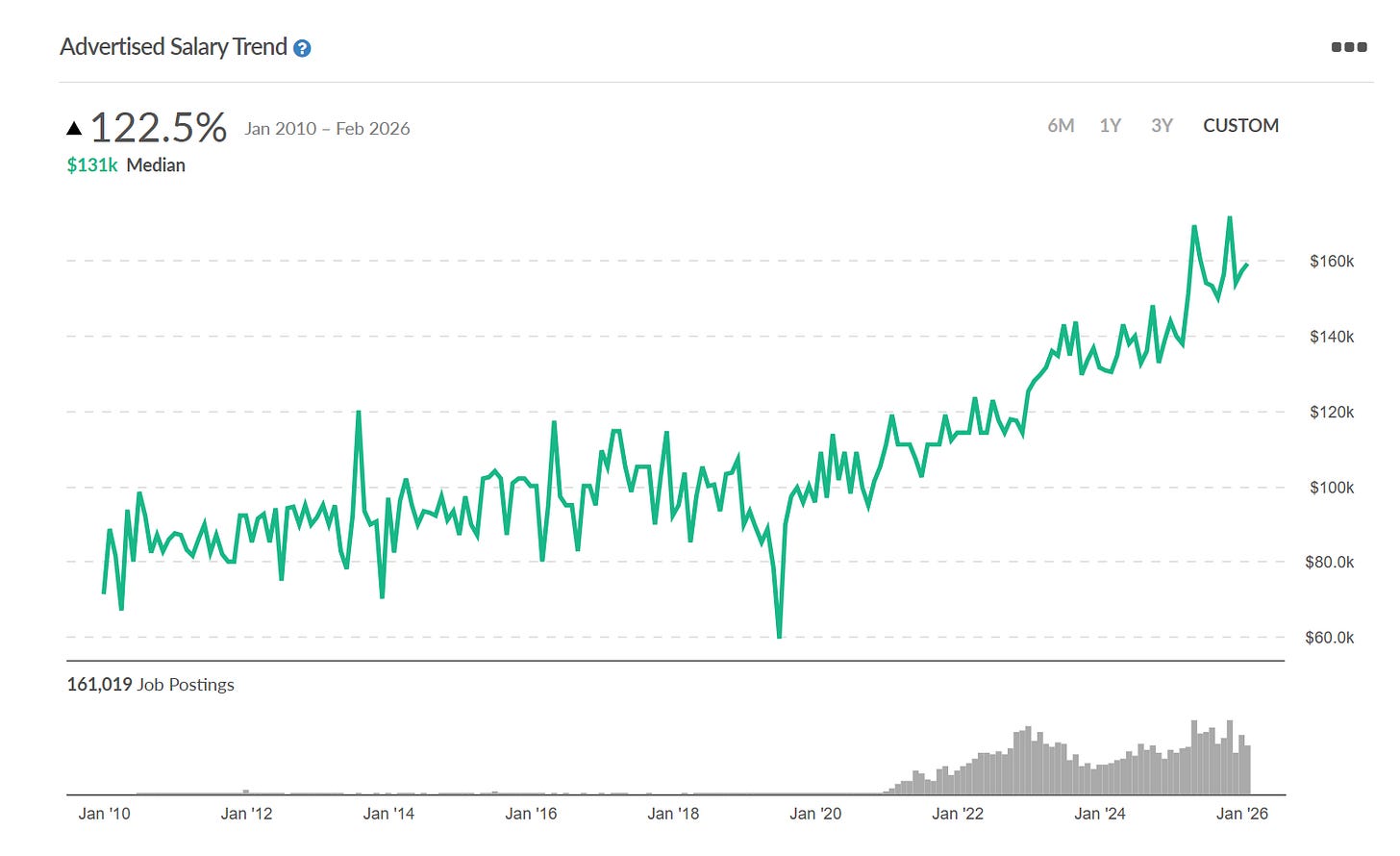
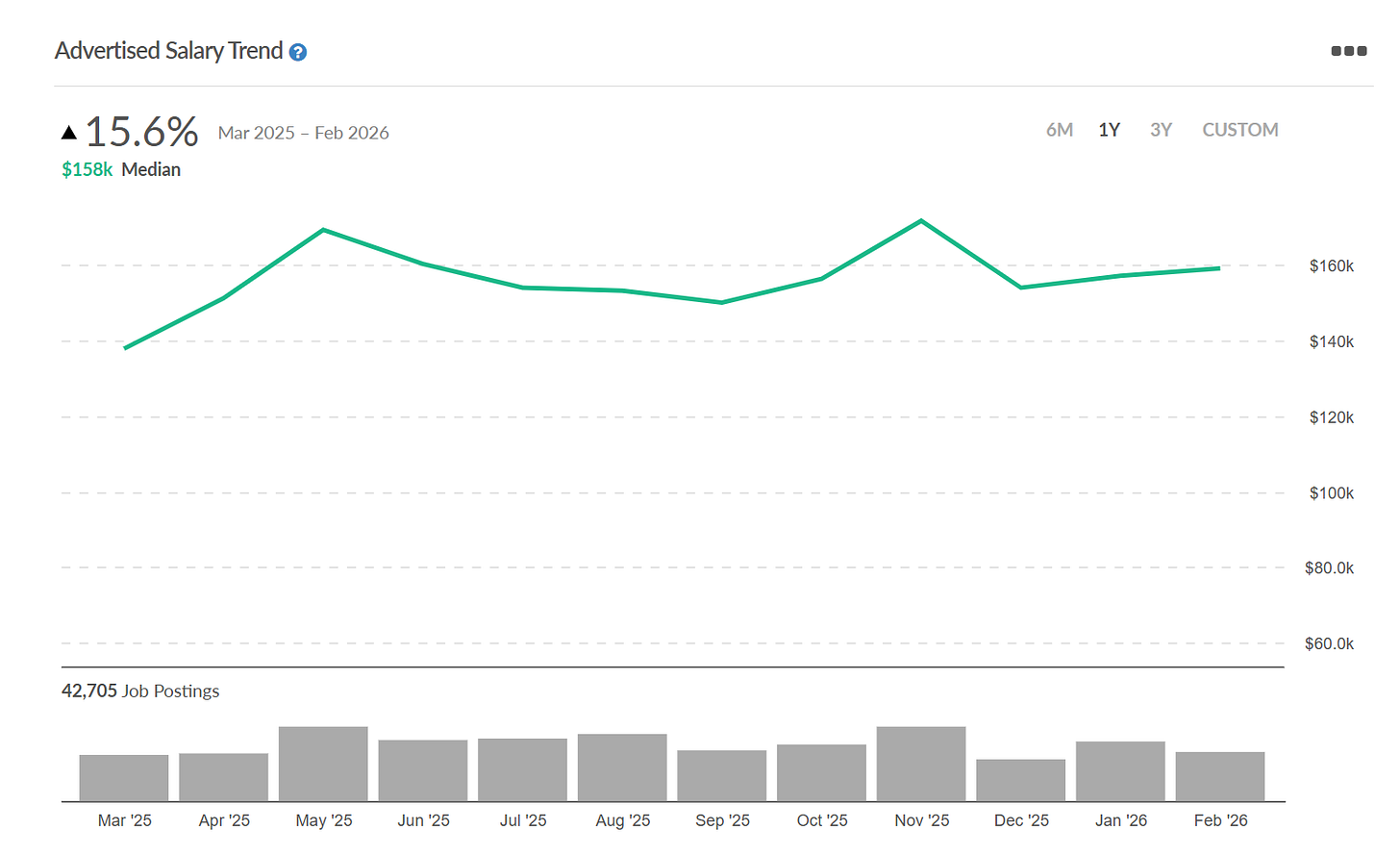
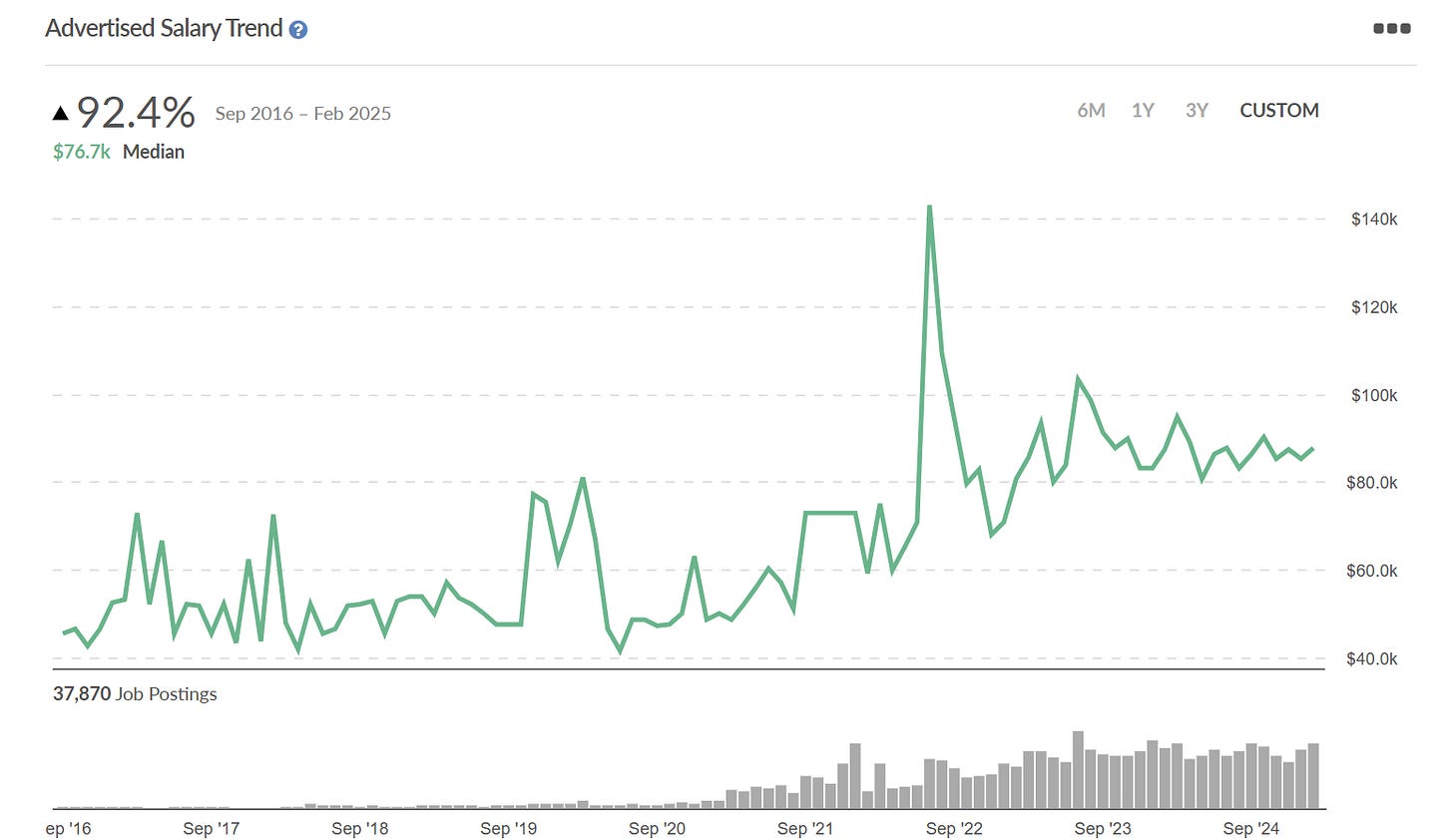
This shift in skill demand is directly reflected in compensation. Over the past fifteen years, software engineering salaries have seen substantial growth, more than doubling. The last year alone has witnessed an increase of over 15%, underscoring the accelerating value and financial rewards associated with these AI-augmented roles. The increasing demand for specialized AI expertise is driving up compensation, indicating that skilled professionals are not only retaining their positions but are becoming more valuable in the evolving job market.
Healthcare: AI Enhancing, Not Replacing, Medical Professionals
The impact of AI extends beyond the tech industry, significantly influencing sectors like healthcare. The role of X-ray technicians and diagnosticians, once predicted to become obsolete with the advent of digital imaging and AI-powered analysis, serves as another powerful example.
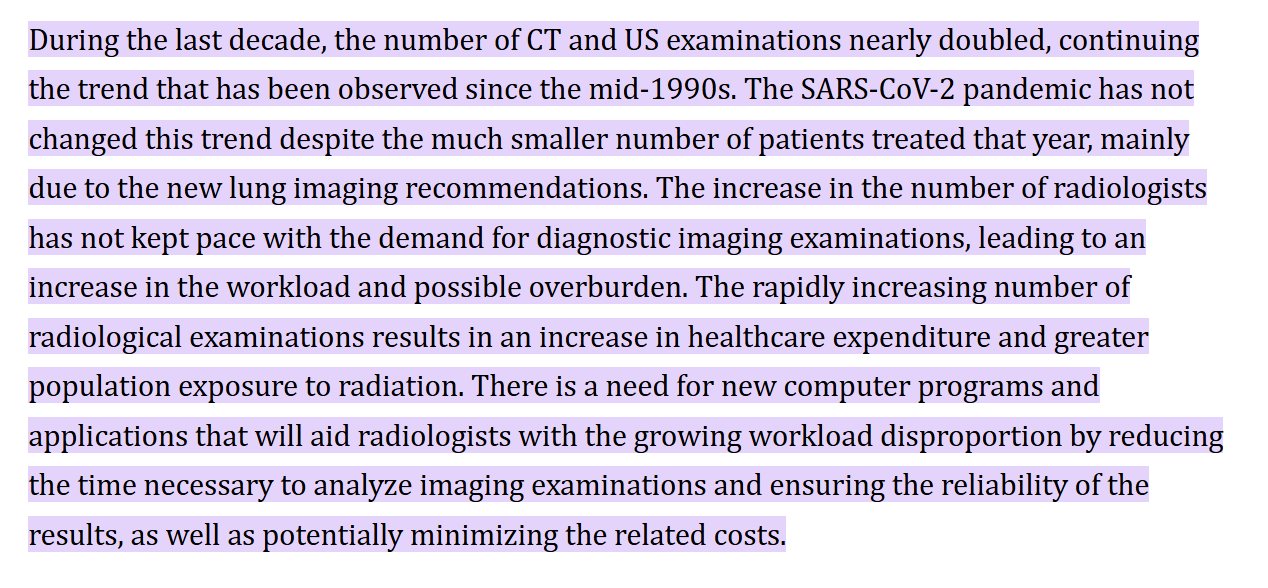
Early analyses suggested that AI algorithms could autonomously read medical scans, identifying anomalies with precision and speed that might surpass human capabilities. This led to predictions of reduced demand for human technicians. However, the reality has unfolded differently.
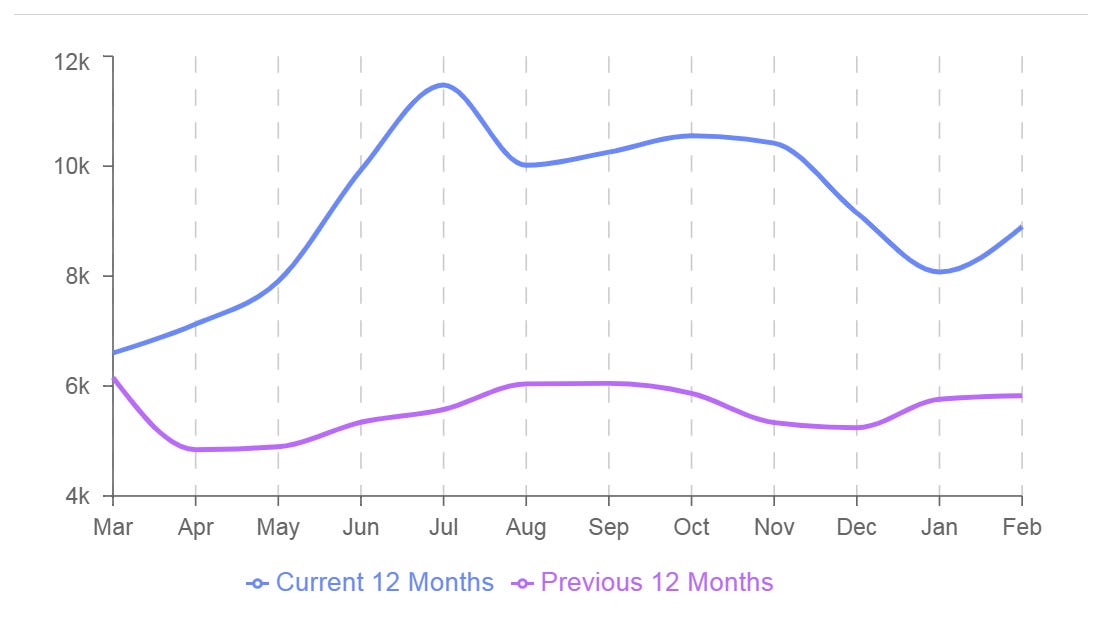
Data from Lightcast indicates a substantial year-over-year increase of 35% in job postings for imaging and medical diagnostics. This surge in demand is not a contradiction to AI’s capabilities but a testament to how AI augments human roles. AI is now utilized to perform initial diagnostics, flagging potential issues for human experts to review. This allows technicians and diagnosticians to handle a higher volume of cases with greater efficiency.
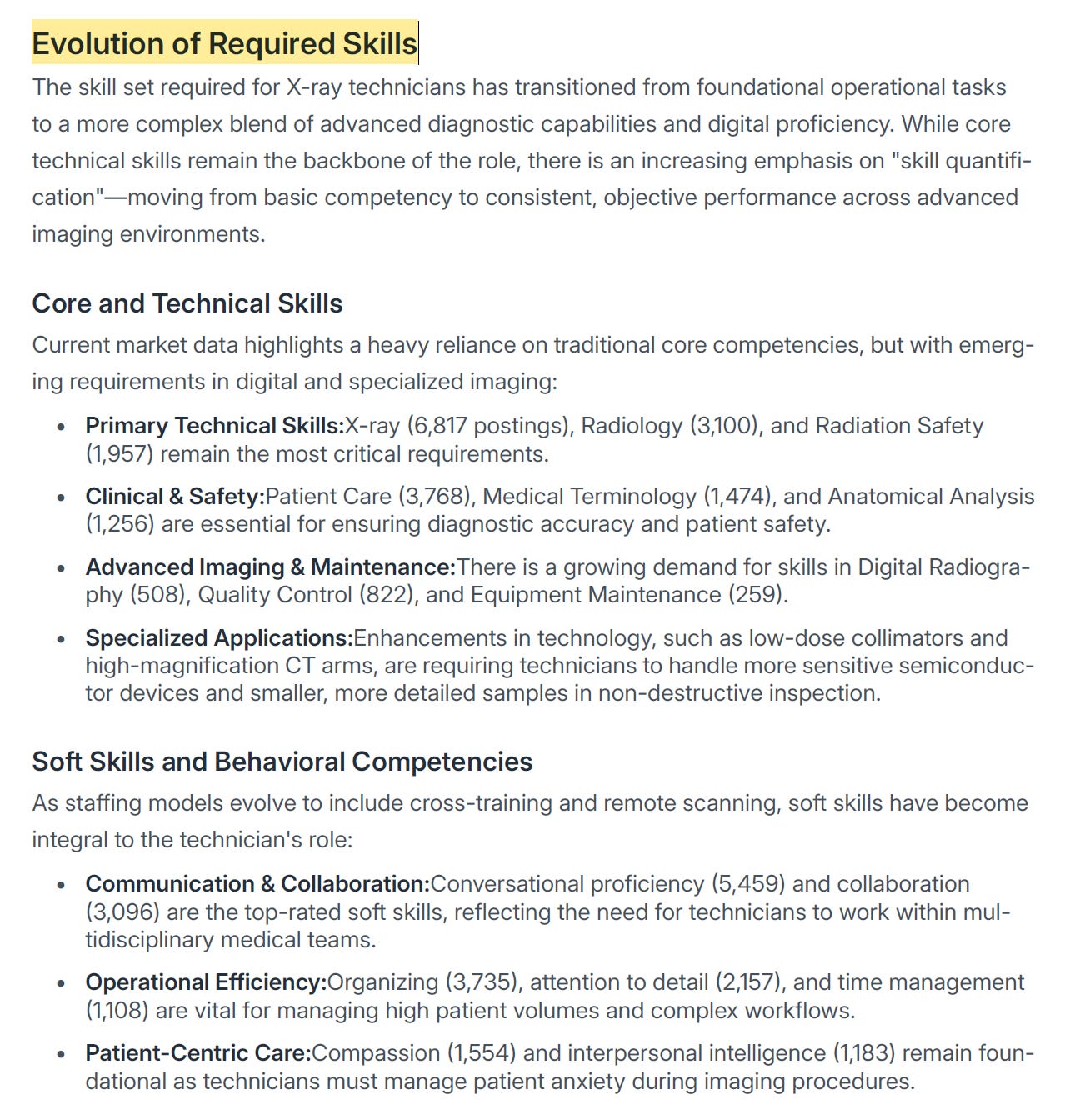
The skills required in these roles have also evolved. Beyond the technical execution of imaging procedures, there is an increased emphasis on patient care, communication, data management, and the interpretation of AI-generated insights. This transformation creates more engaging and patient-centric roles, shifting the focus from purely technical execution to a more holistic approach to healthcare delivery.
The economic impact is also evident. While salary growth in healthcare may not mirror the rapid acceleration seen in software engineering, data indicates a steady climb in compensation for imaging and diagnostic professionals. This sustained growth suggests that the integration of AI has not led to wage stagnation but has contributed to the overall value and remuneration of these roles.

The personal anecdote of a patient receiving a prompt diagnosis via X-ray, with efficient scheduling and rapid communication of results, illustrates the tangible benefits of AI integration in healthcare. This streamlined process enhances patient experience and frees up medical professionals to focus on more complex cases and direct patient interaction.
The Nature of "Superworkers" and the Adaptability of the Human Workforce
The common thread across these examples is the emergence of the "Superworker" – an individual whose capabilities are amplified by technology, enabling them to perform tasks with greater efficiency, insight, and impact. This phenomenon is not new. Throughout history, technological advancements have reshaped the employment landscape, leading to job evolution rather than outright elimination.
From the agricultural revolution to the industrial age and the digital era, human societies have consistently adapted to technological change. The persistent stability of unemployment rates in many developed nations, hovering around 4.5% over extended periods, underscores this remarkable human capacity for adaptation.
The driving force behind this adaptation is inherent human ingenuity and the innate desire to "add value." Unlike AI, which operates on programmed logic, humans are equipped with a sophisticated ability to learn, innovate, and create. This genetic advantage, honed over millions of years of evolution, allows us to tackle novel challenges and find new ways to improve processes and outcomes.
This innate drive to "make things better" is the foundation of business and societal progress. Leaders, in particular, are wired to identify problems, devise solutions, and drive growth, even in the face of disruption. The COVID-19 pandemic, for instance, demonstrated the extraordinary adaptability of individuals and organizations in the face of unprecedented challenges. Similarly, individuals managing chronic conditions or disabilities often find innovative ways to adapt and thrive.
AI, therefore, should be viewed as another tool in the human innovation arsenal. Whether it’s through advanced algorithms, self-driving vehicles, medical breakthroughs, or more efficient business operations, AI offers new avenues for progress and value creation.
Conclusion: A Future of Augmented Potential
The narrative of AI as a job-killing force is a limited perspective that fails to acknowledge the dynamic nature of human work and technological integration. The evidence strongly suggests that AI is a powerful catalyst for job creation, making roles more interesting, valuable, and financially rewarding. By automating drudgery and routine tasks, AI liberates human potential, allowing individuals to focus on higher-order thinking, creativity, and complex problem-solving.
The future of work is not one of human obsolescence, but of human augmentation. As AI continues to evolve, the demand for individuals who can effectively collaborate with these technologies, leverage their capabilities, and drive innovation will only grow. This presents an opportunity for individuals and organizations to embrace this transformative period, fostering a workforce equipped for the challenges and rewards of the AI-augmented era.
Further Learning and Resources
For those seeking to delve deeper into the evolving landscape of AI and its impact on the workforce, several resources offer valuable insights:
- Podcasts: Regularly updated podcasts provide discussions on emerging trends, vendor innovations, and technological advancements related to AI and the future of work.
- Conferences: Industry conferences offer platforms for leaders to engage with peers, discuss critical issues, and explore strategies for navigating technological change.
- Research Platforms: Comprehensive research platforms provide access to daily updates on AI trends, vendor landscapes, and case studies, offering a real-time understanding of the market. This includes detailed research on AI Imperatives and the concept of Superworkers.
- Published Works: Foundational articles and books on the future of work and technological adaptation offer historical context and theoretical frameworks for understanding current shifts.