

I am getting tired of reading stories about AI eliminating jobs. While AI does eliminate tasks and many routine activities, the real story is quite the opposite: AI makes jobs more interesting, more valuable, and ultimately more rewarding (financially and otherwise). I don’t say this because I’m an HR and HR technology analyst, but because I see this happening every day. My new book coming out this Fall will describe Superwork and Superjobs in detail.
The prevailing narrative surrounding Artificial Intelligence (AI) often paints a bleak picture of widespread job displacement. However, a closer examination of current labor market trends and technological integration suggests a more nuanced and optimistic reality. Rather than decimate the workforce, AI is emerging as a powerful catalyst for job creation, enhancing the complexity, value, and overall reward of human roles. This perspective is supported by daily observations and data, indicating a shift towards "Superjobs" and "Superworkers" who leverage AI to achieve unprecedented levels of productivity and innovation.

The Shifting Landscape of Software Engineering
The software engineering sector, a cornerstone of the modern digital economy, is a prime example of this evolving dynamic. With an estimated 4-6% or more of the global workforce engaged in design, coding, testing, maintenance, and integration of software—representing tens of millions of individuals and trillions of dollars in compensation and investment—any perceived threat to this field warrants careful analysis.
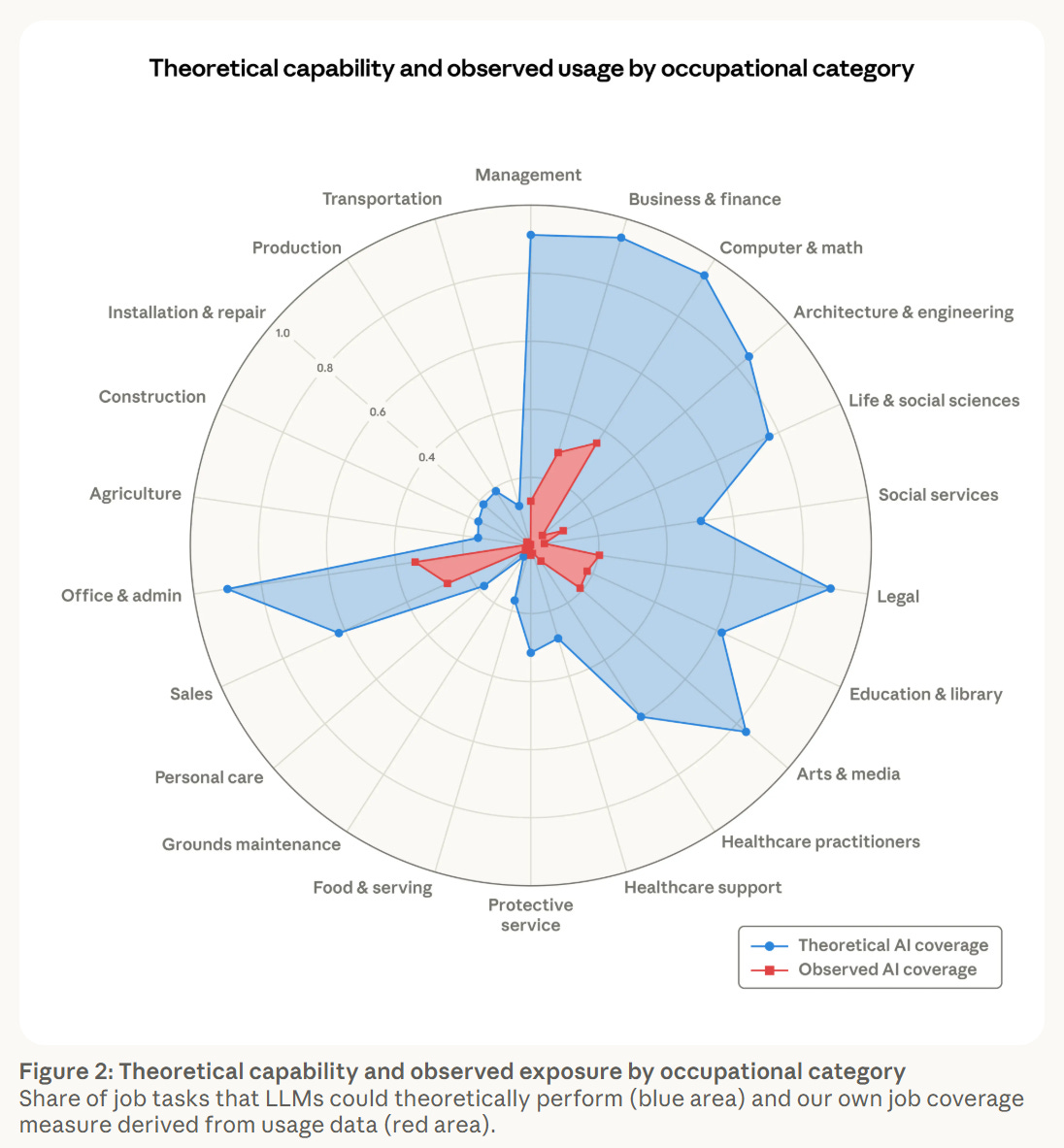
Early research, such as that from Anthropic, posited that Large Language Models (LLMs) could perform nearly 100% of a software engineer’s tasks. This prediction, while highlighting the impressive capabilities of AI in code generation, overlooks the multifaceted nature of software development. The reality is that engineers do far more than simply write code. Their roles encompass crucial strategic and analytical functions: scoping and understanding complex business processes, designing robust technology architectures, refining use-cases, developing comprehensive test environments, and, of course, writing code.

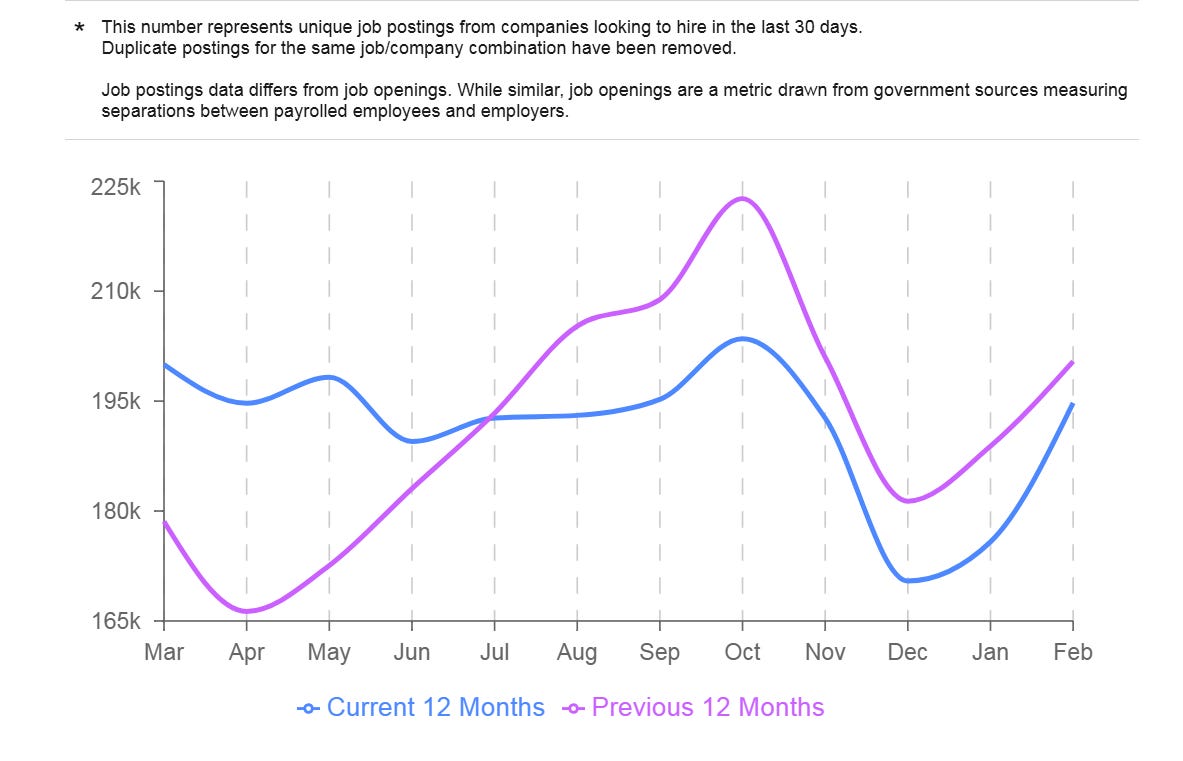
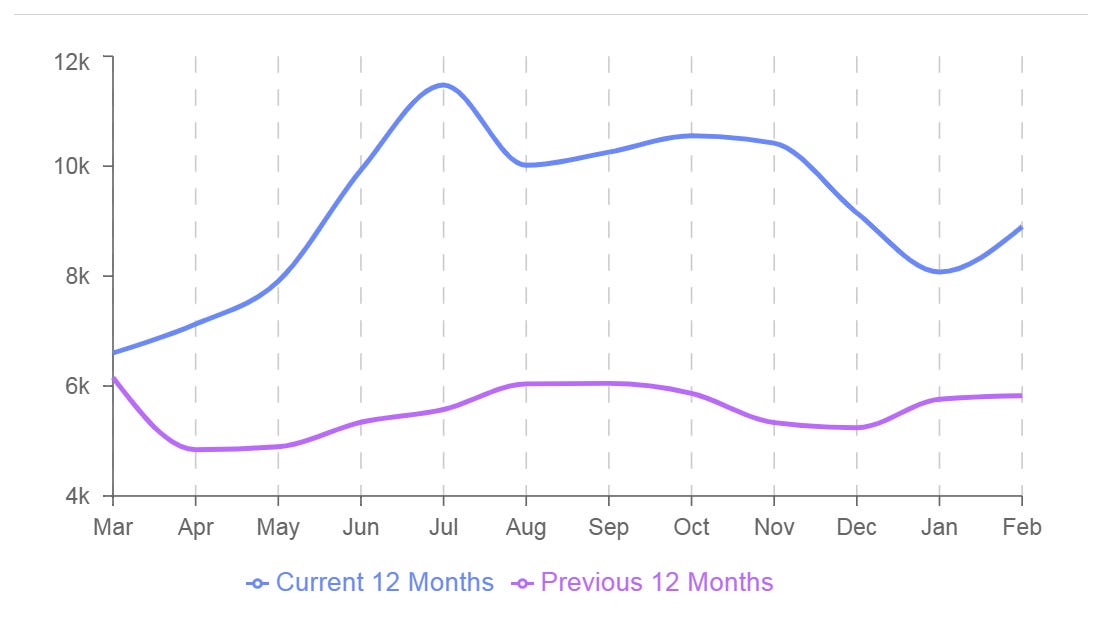
Contrary to widespread fears, data from labor market analytics firms like Draup and Lightcast indicates that the demand for software engineering roles has remained remarkably stable, even showing growth in certain areas. Global job postings for software engineering, design, and testing roles, as tracked by Lightcast, demonstrate a consistent trend. Despite periodic fluctuations in demand, the overall number of openings has not diminished. In fact, as of recent analyses, major AI development companies like OpenAI alone have advertised hundreds of software engineering positions, reflecting a significant surge in hiring within the IT sector as organizations integrate AI technologies.
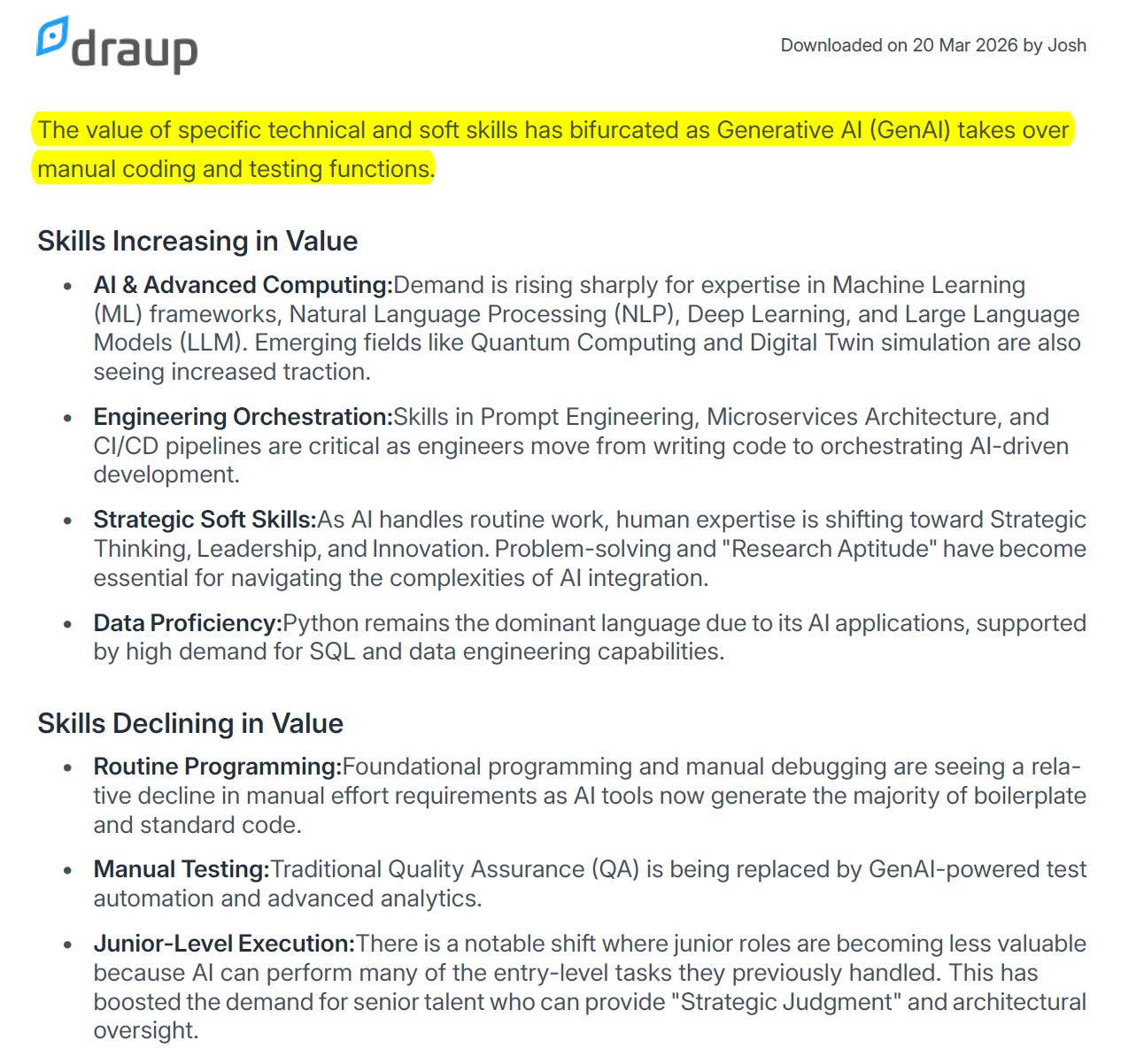
This stability, however, does not signify a lack of change. The nature of these jobs is evolving. An analysis of trending versus declining skills within software engineering roles, conducted by Draup using advanced AI models, reveals a subtle but significant shift. Entry-level coding and testing skills are gradually seeing a decline in demand, reminiscent of historical technological shifts, such as the obsolescence of the traditional "steno pool" with the advent of word processors in the 1970s or the diminishing need for phone-answering secretaries with the proliferation of answering machines and mobile phones in the 2000s.
Emergence of "Superjobs" in Technology
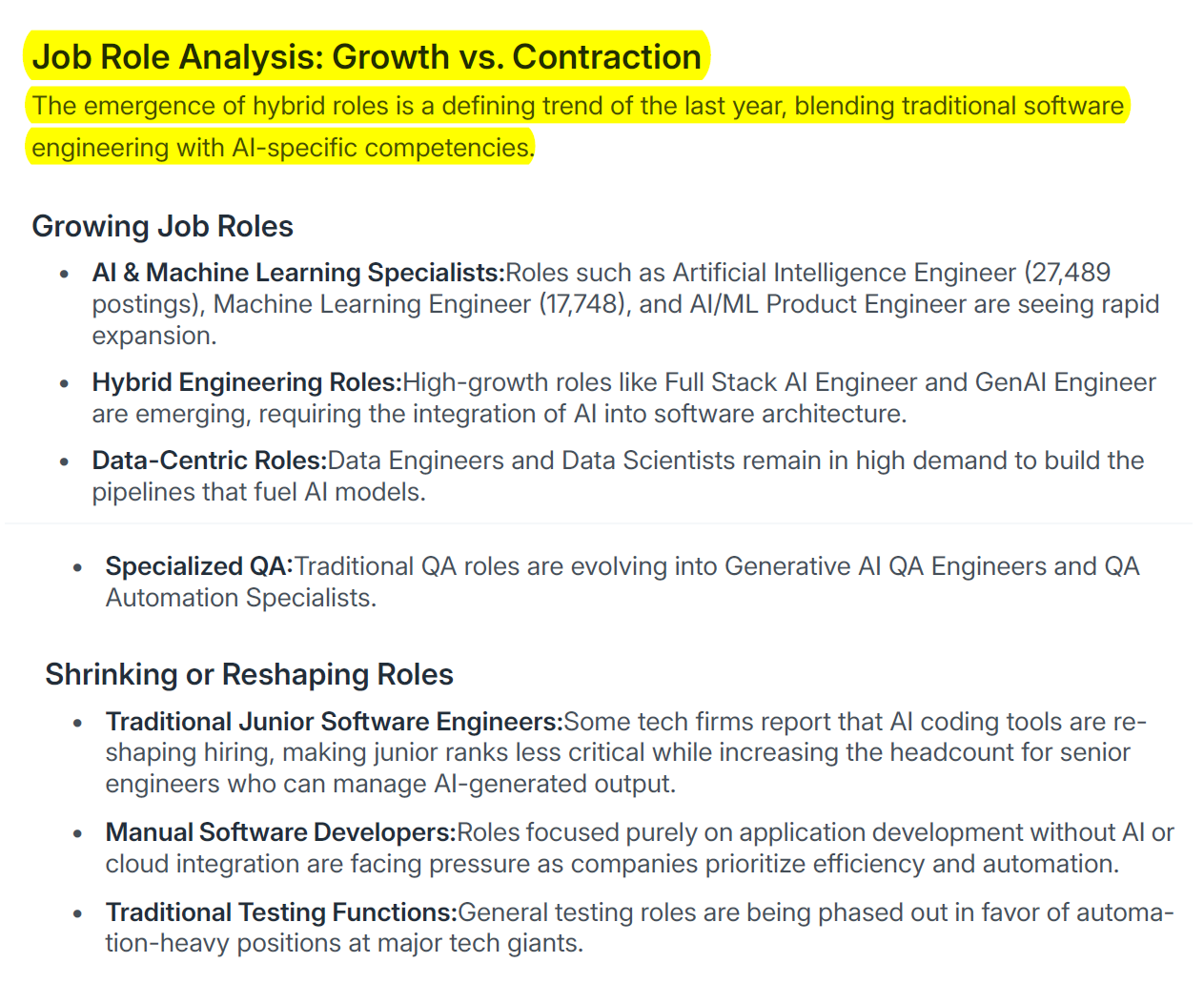
The evolution of software engineering roles is giving rise to new "Superjobs." Titles like "Full Stack AI Engineer" or "GenAI Engineer," and "AI/ML Product Engineer" are becoming increasingly prevalent. These roles demand a broader skill set, integrating AI development and deployment with core engineering principles. Concurrently, more generalized coding, testing, and Quality Assurance (QA) roles are being redefined or absorbed into these more specialized, AI-centric positions.
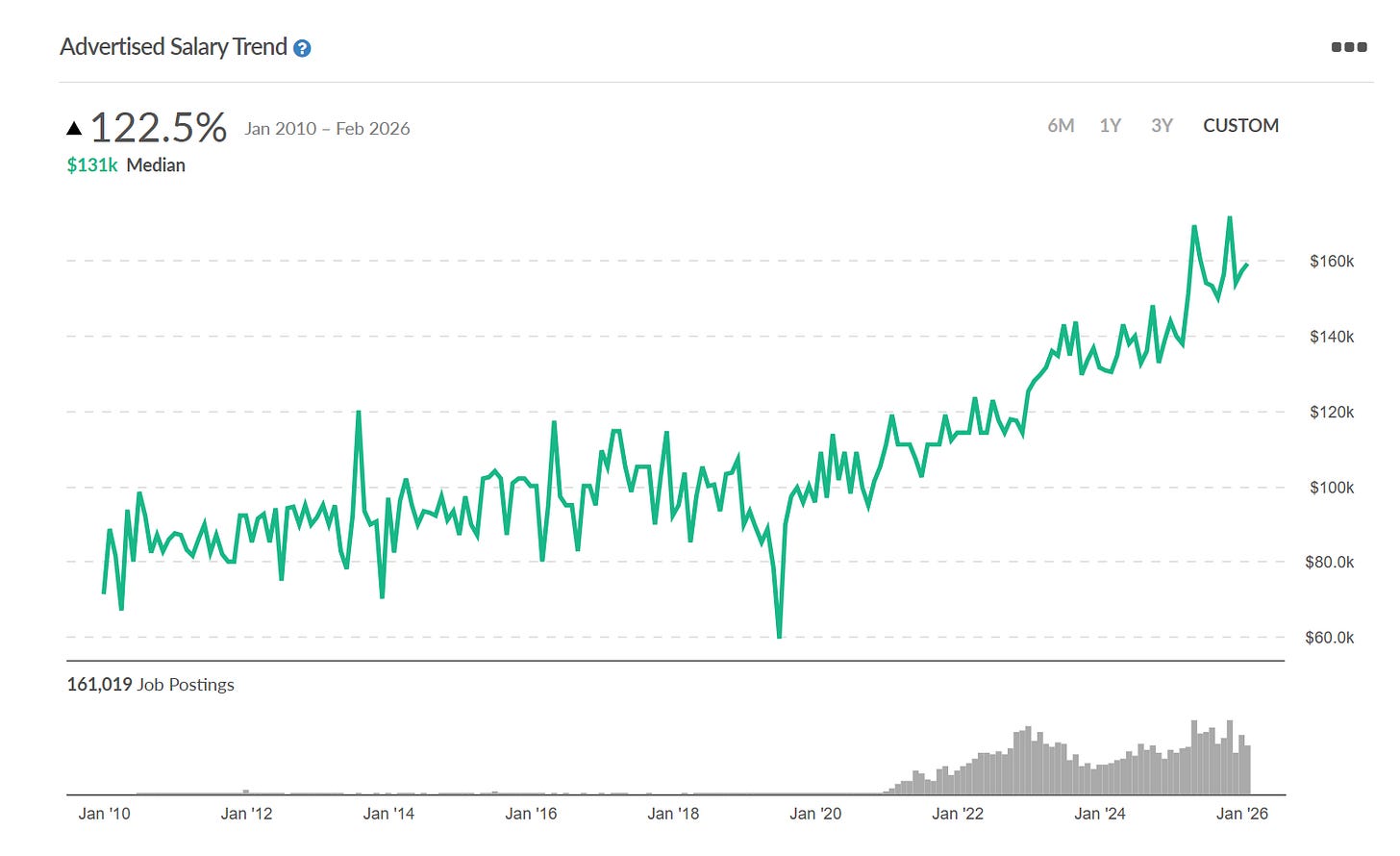
The financial implications of this shift are also noteworthy. Data indicates that software engineering salaries have experienced substantial growth, more than doubling over the past fifteen years and showing an increase of over 15% in the last year alone. This acceleration in compensation suggests that AI is not only transforming the tasks within software engineering but also significantly increasing the value and financial rewards associated with these advanced roles.
AI’s Transformative Impact on Healthcare: The X-Ray Technician Example
The impact of AI extends beyond the technology sector, revolutionizing other fields like healthcare. The case of X-ray technicians provides a compelling illustration. A decade ago, the widespread adoption of digital imaging and the burgeoning capabilities of AI in medical image analysis led many economists to predict the obsolescence of X-ray technicians and diagnosticians. The reasoning was that AI could efficiently read scans, identify anomalies such as cancer or damage, and potentially surpass human diagnostic accuracy in certain areas.
However, empirical data contradicts these initial predictions. Job postings for imaging and medical diagnostics have seen a significant year-over-year increase of 35%, according to Lightcast. This growth directly challenges the narrative of job elimination. Instead, AI has augmented the capabilities of healthcare professionals, creating new avenues for employment and enhancing the efficiency of healthcare delivery.
The role of the X-ray technician, like that of the software engineer, has evolved. AI’s ability to perform initial diagnostics has freed up technicians to focus on more complex, human-centric aspects of patient care. This includes enhanced patient communication, meticulous time management for optimized workflow, and a deeper focus on direct patient interaction and comfort. The skills now in demand for these roles, as analyzed by Draup, reflect this shift towards a more holistic and patient-focused approach, incorporating data management and advanced patient care protocols.
The financial outcomes in healthcare mirror those in technology. While perhaps not as dramatic as software engineering salaries, those for imaging and medical diagnostics have shown steady upward trends. This indicates that technological advancements, rather than reducing compensation, are often associated with increased value and, consequently, higher earnings for skilled professionals.
The Mechanism of AI-Driven Job Creation: "Superworkers" and Value Augmentation
The recurring pattern observed across various industries—software engineering, healthcare, and potentially many others—points to a fundamental principle: technology, including AI, does not inherently eliminate jobs; it transforms them. This phenomenon, deeply rooted in human adaptability and the innate drive to create value, is central to understanding the future of work.
For centuries, technological innovation has reshaped labor markets. The United States, for example, has maintained a relatively stable unemployment rate hovering around 4.5% for many years, a testament to the human capacity to adapt and evolve in response to change. Leaders play a crucial role in facilitating this adaptation, supporting workers through transitions, and driving the adoption of new technologies.
Human beings possess an extraordinary capacity for learning and adaptation, honed over millions of years of evolution. This innate ability allows us to not only master new tools and processes but also to innovate and improve. AI, as a powerful new tool, augments this inherent human capability. It automates routine and mundane tasks, allowing individuals to dedicate more time and cognitive resources to activities that require creativity, critical thinking, emotional intelligence, and complex problem-solving.
This liberation from drudgery allows for the emergence of "Superworkers" who operate at higher levels of efficacy and impact. These individuals leverage AI to:

- Think Bigger: AI can process vast amounts of data and identify patterns that human minds might miss, enabling more ambitious strategic planning and problem-solving.
- Scale Higher: By automating repetitive tasks and optimizing workflows, AI allows individuals and organizations to handle larger volumes of work and reach broader audiences.
- Grow: This growth manifests in multiple dimensions: expanding company operations, advancing individual careers through skill development, enhancing personal capabilities, and ultimately enriching lives.
Historical Precedents and Future Implications
The historical trajectory of technological adoption provides a strong foundation for this optimistic outlook. From the agricultural revolution to the industrial revolution and the digital age, new technologies have consistently led to the creation of new industries and job categories, even as older ones have transformed or faded. The current wave of AI innovation is unlikely to be an exception.
The anecdote of a recent doctor’s visit underscores this point. A prompt X-ray facilitated by efficient digital systems and a quick call with the diagnosis while still en route home highlights how technology, in this case, augmented the efficiency and patient experience provided by healthcare professionals. The doctor and imaging specialist, in this scenario, are acting as "Superworkers," their roles enhanced by AI, not diminished.

The implication for leaders and policymakers is clear: the focus should shift from mitigating job losses to fostering an environment that supports the evolution of work. This includes investing in education and reskilling programs to equip the workforce with the necessary AI-complementary skills, promoting lifelong learning, and encouraging organizational cultures that embrace innovation and adaptation.
Conclusion: Embracing AI as a Force for Advancement
The narrative of AI as a job-killer is a limited and often inaccurate portrayal of its true potential. Evidence suggests that AI is, in fact, a potent engine for job creation, transforming roles into more complex, valuable, and rewarding "Superjobs." By automating routine tasks and augmenting human capabilities, AI empowers individuals to focus on higher-level cognitive functions, creativity, and strategic thinking.
As we navigate this era of rapid technological change, it is imperative to embrace AI not as a threat, but as an opportunity. An opportunity to redefine work, to elevate human potential, and to drive unprecedented growth and prosperity. The future of work is not one of human obsolescence, but of human augmentation, where AI serves as a powerful partner in creating a more dynamic, fulfilling, and prosperous future for all.
For those seeking to deepen their understanding of these trends, resources such as podcasts dedicated to AI and HR technology, conferences focusing on the future of work, and in-depth research studies on "Superworkers" and AI imperatives offer valuable insights. These platforms provide a space for continuous learning, strategic debate, and the exploration of how best to harness the transformative power of AI to build a more robust and rewarding world of work.







