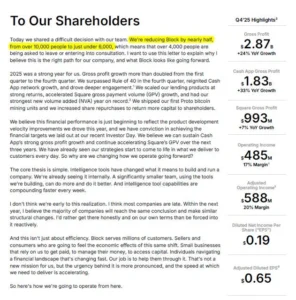
American workers largely maintain a positive outlook on the technological tools integrated into their professional environments, yet a palpable undercurrent of apprehension persists, particularly among younger demographics who voice concerns that advanced technologies, notably artificial intelligence (AI), could impede their long-term career growth and development. This nuanced sentiment, revealed through recent industry surveys, underscores a complex relationship between the workforce and the accelerating pace of digital transformation, highlighting both the perceived efficiencies and the emerging challenges of AI adoption. The ongoing integration of AI into daily workflows, while promising significant productivity gains, also introduces new forms of labor, such as the extensive effort required to correct AI-generated errors, known colloquially as "workslop," thereby raising questions about the net benefit and strategic deployment of these powerful tools.
The Double-Edged Sword of Workplace AI: Efficiency Versus "Workslop"
The proliferation of AI in the workplace has introduced a paradox: while it offers the potential for unprecedented efficiency, it also demands significant human oversight and correction, leading to a phenomenon dubbed "workslop." This term refers to the faulty, low-quality, or inaccurate outputs frequently produced by AI systems, which employees must then spend considerable time rectifying. Data from a recent BambooHR survey, conducted prior to September 2026, indicated that U.S. employees are, on average, dedicating approximately one and a half hours each day to interacting with or troubleshooting AI. This figure closely aligns with findings from a February 2026 Zety survey, which estimated that many workers spend up to six hours or more per week on the tedious task of correcting AI-generated content.
The prevalence of "workslop" is so widespread that it has begun to reshape employee attitudes towards the quality of AI outputs. The Zety survey illuminated a concerning shift in tolerance: only 39% of workers considered "workslop" entirely unacceptable and consistently corrected it. A significant 31% admitted it was unacceptable but tolerated, suggesting a growing resignation to imperfect AI assistance. Perhaps most alarmingly, 21% of respondents indicated that "workslop" was "somewhat acceptable and overlooked" as long as it did not jeopardize project deadlines. This evolving acceptance of flawed AI outputs raises critical questions about quality control, accountability, and the potential erosion of professional standards within organizations heavily reliant on these technologies. The implication is that, rather than solely augmenting human capabilities, AI is also creating a new category of remedial work, consuming time that could otherwise be dedicated to higher-value, strategic tasks. This dynamic forces companies to re-evaluate the true return on investment for their AI tools, considering not just the time saved, but also the hidden costs associated with error correction and quality assurance.
A Rapidly Evolving Landscape: AI Outpacing Human Assessment
The rapid advancement of artificial intelligence technologies has created a significant chasm between technological capability and organizational readiness to effectively integrate and assess these tools. A report published by talent management firm Talogy in August 2026 starkly highlighted this challenge, asserting that AI has progressed at a pace that effectively "outpaces workers’ capacity" to determine its long-term value and optimal deployment strategies. This acceleration is not merely a matter of technological innovation; it reflects a broader struggle within enterprises to adapt their processes, training programs, and strategic frameworks to keep pace with an ever-changing digital frontier.
The current wave of generative AI, popularized in late 2022 and early 2023, has rapidly transitioned from a niche concept to a mainstream enterprise tool, forcing companies to adopt and adapt at an unprecedented speed. Unlike previous technological shifts, which often allowed for gradual integration and comprehensive pilot programs, the competitive pressures and perceived productivity gains associated with AI have pushed many organizations towards rapid deployment, often without fully understanding the nuances of its impact on workflow, workforce skills, or organizational culture. This hurried adoption can lead to suboptimal outcomes, including the very "workslop" phenomenon discussed, and can leave employees feeling unprepared or overwhelmed. Industry analysts suggest that many organizations are still in the experimental phase, struggling to define clear AI governance policies, ethical guidelines, and robust performance metrics beyond simple time-saving estimates. The challenge lies not just in deploying AI, but in developing the human intelligence and organizational structures necessary to harness its power responsibly and effectively, ensuring that its benefits are maximized while mitigating its inherent risks.
Impact on Human Resources: A Microcosm of Broader Trends
The Human Resources (HR) sector provides a compelling microcosm of the broader challenges and opportunities presented by AI integration. As a function heavily reliant on data processing, communication, and talent management, HR has been an early and eager adopter of AI tools, particularly in areas such as recruitment, onboarding, and employee support. However, this early adoption has also revealed the complexities inherent in deploying AI within a human-centric domain. A recent Paylocity survey indicated that a striking four out of five HR professionals were actively managing at least one issue with their AI tools, underscoring the ongoing operational hurdles. These issues can range from algorithmic bias in hiring tools to data privacy concerns in employee analytics, and from inaccurate responses in AI-powered chatbots to the general "workslop" encountered in content generation for job descriptions or internal communications.
Despite these challenges, the perceived benefits of AI in HR remain significant. The same Paylocity survey found that 43% of HR professionals reported that AI saved their recruiting teams the equivalent of one full working day each week. This substantial time saving is often attributed to AI’s ability to automate routine tasks such as resume screening, candidate communication, scheduling interviews, and providing initial answers to frequently asked questions. For recruitment teams grappling with high volumes and tight deadlines, AI offers a compelling solution to streamline processes and accelerate the talent acquisition lifecycle. However, the dual reality of efficiency gains alongside persistent operational issues highlights the imperative for HR leaders to move beyond simple adoption and towards strategic implementation. This involves not only selecting the right tools but also investing in robust training for HR staff, establishing clear ethical guidelines for AI usage, and continuously monitoring AI performance to ensure fairness, accuracy, and compliance. The future of HR, therefore, hinges on its ability to navigate this complex landscape, leveraging AI’s power while safeguarding human principles and ensuring a positive employee experience.
The Shifting Dynamics of Workplace Interaction: AI as Confidant and Collaborator
The integration of AI into daily work life is not only reshaping tasks but also fundamentally altering the dynamics of workplace interaction and knowledge sharing. Emerging research suggests a subtle but significant shift in how employees seek advice, brainstorm ideas, and even engage with their colleagues. A May 2026 study published by Workday revealed that a substantial 33% of employees reported rarely or never engaging in conversations with co-workers outside of task-related discussions during a given week. This statistic, while not solely attributable to AI, points to a potential erosion of informal social interaction and spontaneous collaboration within teams.
In stark contrast to this reduced human interaction, the same Workday research found that a remarkable 76% of employees had utilized AI tools for advice, and 52% had turned to AI for brainstorming sessions. This preference for AI over human colleagues for certain types of interactions is driven by several compelling factors. Respondents frequently cited AI’s non-judgmental nature and constant availability as primary reasons for their preference. Unlike human colleagues, AI tools do not carry the potential for personal bias, perceived judgment, or the inconvenience of conflicting schedules. Further insights from BambooHR reinforced this perspective, suggesting that employees might actively avoid seeking help from human co-workers due to a "mix of self-sufficiency and self-consciousness." The survey noted that 27% of respondents explicitly stated they would rather consult AI than admit to a colleague that they needed assistance.

This evolving dynamic carries profound implications for workplace culture, team cohesion, and knowledge transfer. While AI can certainly act as an invaluable, always-on resource, an over-reliance on it for advice and brainstorming could inadvertently diminish the richness of human collaboration, peer learning, and the informal mentorship that often flourishes in a more interactive environment. Organizations must consider how to foster environments where both AI and human collaboration can thrive synergistically, ensuring that the convenience of AI does not inadvertently isolate employees or stifle the development of essential interpersonal skills and collective intelligence. This requires a deliberate strategy to encourage human connection, perhaps through structured collaboration tools, team-building initiatives, and a cultural emphasis on mutual support, even as AI becomes an increasingly integral part of the daily workflow.
Leadership in the Age of AI: The Managerial Imperative
As AI continues to embed itself deeply within organizational structures and daily operations, the role of leadership, particularly at the managerial level, becomes critically important in shaping employee perceptions, fostering confidence, and mitigating anxieties about this transformative technology. Managers are on the front lines, tasked with guiding their teams through AI adoption, ensuring effective tool usage, addressing concerns about job security, and fostering a culture of continuous learning. However, a recent poll conducted by Gallup’s CHRO Roundtable revealed a significant divergence of opinion among Chief Human Resources Officers (CHROs) regarding managers’ readiness to lead through AI-driven change. This split highlights a potential leadership gap that could impede successful AI integration.
The challenges for managers are multifaceted. They must possess a foundational understanding of AI’s capabilities and limitations, be adept at identifying opportunities for its beneficial application, and simultaneously address the ethical considerations and potential biases inherent in AI systems. Beyond technical proficiency, managers need enhanced soft skills, including empathy, communication, and change management expertise, to assuage employee fears about automation and job displacement. They are expected to champion AI’s benefits while also validating employee concerns and facilitating necessary upskilling or reskilling initiatives. The "workslop" phenomenon, for example, demands that managers understand how to set clear expectations for AI quality, guide teams in effective prompt engineering, and allocate time for necessary corrections without penalizing productivity.
The CHROs’ divided perspective underscores a critical need for investment in leadership development programs specifically tailored to the AI era. These programs should not only focus on technical literacy but also on cultivating the emotional intelligence and strategic foresight required to navigate complex technological and human dynamics. Without adequately prepared managers, organizations risk not only suboptimal AI adoption but also decreased employee morale, increased resistance to change, and a failure to fully realize the transformative potential of AI. The onus is on senior leadership to recognize this imperative and equip their managerial ranks with the tools, training, and support necessary to effectively steer their teams through the evolving landscape of AI-powered work.
Broader Implications and the Future of Work
The trends observed in employee sentiment and AI interaction herald significant broader implications for the future of work, demanding strategic foresight from organizations and policymakers alike. The widespread adoption of AI, while promising enhanced productivity and innovation, also introduces a complex array of challenges related to workforce development, organizational culture, ethical governance, and the very definition of human value in the workplace.

One critical implication is the evolving skills gap. The need to correct "workslop" necessitates a workforce with strong critical thinking, problem-solving abilities, and digital literacy. Employees must become adept at "prompt engineering" – crafting precise instructions for AI – and developing the discerning judgment to evaluate and refine AI outputs. This shifts the focus from purely task-oriented skills to higher-order cognitive abilities, demanding significant investment in continuous learning and development programs. Companies that fail to upskill their workforce risk exacerbating this gap, leaving employees unprepared for the AI-augmented roles of tomorrow.
Moreover, the preference for AI as a source of advice and brainstorming, while offering convenience, could subtly erode the social fabric of the workplace. A decline in informal human interaction might diminish opportunities for serendipitous innovation, cross-functional collaboration, and the development of strong interpersonal relationships crucial for team cohesion and psychological safety. Organizations must actively cultivate environments that encourage both human-AI synergy and robust human-human collaboration, ensuring that technology serves to enhance, rather than replace, vital human connections. This could involve designing hybrid work models that facilitate deliberate in-person interactions, implementing collaborative AI tools that foster team-based problem-solving, and emphasizing the unique value of human empathy and creative intuition that AI cannot replicate.
From an ethical standpoint, the widespread use of AI necessitates robust governance frameworks. Concerns about algorithmic bias, data privacy, and the responsible use of AI outputs must be addressed proactively. Companies need clear policies on how AI-generated content is used, validated, and attributed, particularly in sensitive areas like performance reviews or customer interactions. Regulatory bodies are also grappling with how to ensure fairness, transparency, and accountability in an AI-driven economy, indicating a future where AI usage will be increasingly scrutinized.
Ultimately, the insights from recent surveys paint a picture of a workforce on the cusp of a major transformation. While employees generally welcome technology for its ability to streamline tasks, there is a clear call for more thoughtful, human-centric integration of AI. Organizations that succeed in this new era will be those that not only invest in cutting-edge AI tools but also in the strategic development of their human capital – fostering adaptive skills, nurturing collaborative cultures, and empowering leaders to navigate the complexities of a truly intelligent workplace. The challenge is not merely to adopt AI, but to evolve alongside it, ensuring that technology serves humanity’s best interests in the unfolding narrative of work.