
Gratitude in the workplace, often perceived as a soft, feel-good sentiment, is demonstrably linked to tangible business results, according to recent analyses of employee experience trends. Far from being a mere nicety, a culture of intentional appreciation is emerging as a strategic imperative for Human Resources leaders aiming to boost engagement, enhance employee wellbeing, improve retention rates, and ultimately, drive day-to-day performance. This approach goes beyond perfunctory thank-yous, fostering a deeper sense of connection and value that translates into measurable organizational success.
Understanding Workplace Gratitude: Beyond a Casual "Thanks"
At its core, workplace gratitude is the deliberate practice of noticing, acknowledging, and valuing individuals for their contributions, efforts, and overall impact within an organization. This is not confined to celebrating major achievements or annual performance reviews; rather, it is integrated into the fabric of the employee experience, becoming a consistent element of daily interactions. This intentionality distinguishes it from fleeting expressions of thanks.

Genuine workplace gratitude is specific, consistent, and rooted in a sincere appreciation for both an employee’s actions and their presence as a team member. When cultivated effectively, it evolves into a natural habit, embedded within the organizational culture. Managers consistently recognize progress, colleagues actively celebrate each other’s support and collaborative efforts, and leadership reinforces desired behaviors and values. The outcome is an environment where appreciation is an intrinsic part of operations, rather than an add-on.
For HR professionals, this distinction is critical. Treating gratitude as a deliberate, ongoing practice cultivates a workplace where employees feel visible, valued, and motivated to continue contributing, not just because of an isolated positive interaction, but because appreciation is fundamentally integrated into how work is accomplished.
The Measurable Impact of Workplace Gratitude
The influence of a gratitude-infused workplace extends far beyond immediate positive feelings. It profoundly shapes an employee’s perception of their work, enhances team dynamics, and contributes to long-term organizational performance. This dual impact on both the human and business aspects of work is a key reason for its growing prominence.

Strengthening Employee Wellbeing
Feeling appreciated has a profound effect on the daily work experience. When employees recognize that their efforts are acknowledged and valued, they are more likely to feel supported, motivated, and emotionally connected to their organization. This is crucial, as wellbeing is not solely about access to resources but also about feeling seen as an individual, not merely a cog in a production machine. Gratitude reinforces a sense of value and belonging, building a robust foundation for individual resilience and overall employee experience. Data from the Reward Gateway Global Employee Recognition (RGER) survey indicates that 73% of employees report that personalized recognition helps them feel less stressed.
Boosting Employee Engagement
Employees are demonstrably more likely to remain engaged when they believe their contributions are recognized. Gratitude establishes a vital feedback loop, signaling to individuals that their work has impact, their efforts are not lost in organizational obscurity, and their daily contributions matter to both their team and the broader business. This sense of appreciation can deepen emotional commitment to the organization. According to RGER data, 82% of employees state that personalized recognition enhances their connection to their workplace, a significant driver of engagement.
Elevating Job Satisfaction
Job satisfaction is a multifaceted construct, extending beyond compensation and job titles. Employees seek to feel respected, valued, and acknowledged for their role within the organization. Gratitude plays a pivotal role by making appreciation more visible and frequent, rather than relying on implicit assumptions. When employees consistently receive affirmation that their work is meaningful, their overall sentiment towards their role and workplace improves. This fosters a more rewarding employee experience, independent of superficial perks or infrequent morale-boosting initiatives.
Reducing Stress and Absenteeism
Workplaces that neglect appreciation can become draining. When efforts go unnoticed, employees may feel disconnected, discouraged, or depleted, with a lack of confirmation that their work holds significance. Gratitude serves as a countermeasure by reinforcing support, acknowledging progress, and fostering human connection, thereby alleviating emotional strain. As previously noted, 73% of employees report that personalized recognition helps reduce stress. Consequently, a decrease in stress levels often correlates with improved attendance, heightened energy, and enhanced team stability.

Increasing Retention Rates
Employees are more inclined to remain with organizations where they feel genuinely valued. Gratitude reinforces an employee’s sense of making a difference, which in turn strengthens loyalty and diminishes the allure of external opportunities that may offer greater appreciation. RGER data further supports this, with 81% of employees indicating that customized recognition increases their likelihood of remaining with their company long-term. For HR departments focused on retention, gratitude is not a discretionary perk but a practical strategy for cultivating deeper employee investment.
Cultivating a Positive Workplace Culture
Organizational culture is shaped by recurrent behaviors, not merely aspirational statements. When gratitude becomes a standard mode of interaction, it establishes a pervasive atmosphere of respect, encouragement, and mutual appreciation. Teams are more likely to celebrate effort, acknowledge collaboration, and reinforce the behaviors that strengthen the workplace. This fosters a sense of connection among colleagues and instills confidence that individual contributions are meaningful. As appreciation becomes normalized, a positive culture transitions from an objective to an everyday reality.
Practical Strategies for Fostering Gratitude
Translating the understanding of gratitude’s importance into consistent workplace practice requires a structured approach. The objective for HR leaders is to embed recognition as a continuous, visible element, meaningfully linked to organizational values, rather than relying on sporadic, ad-hoc gestures.
Establishing Formal Recognition Programs
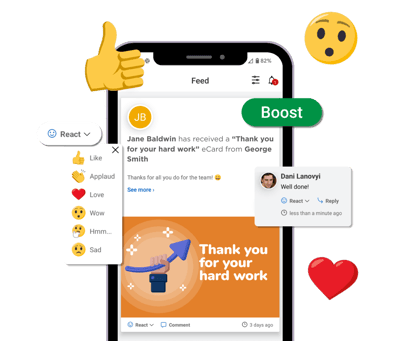
A formal recognition program provides a dedicated framework for gratitude. It offers a clear mechanism for employees and managers to acknowledge contributions, milestones, and exemplary behaviors, thereby preventing appreciation from being left to chance. Effective programs facilitate easy recognition, receipt, and a clear connection to business objectives. They also enable HR to ensure consistent appreciation across all teams, locations, and leadership levels, preventing it from being concentrated in departments with more vocal communication channels.
Encouraging Peer-to-Peer Recognition
The enduring impact of gratitude is amplified when it flows in all directions. While managerial recognition is significant, peer-to-peer appreciation integrates gratitude into the daily team dynamic, moving it beyond a top-down event. Colleagues often observe subtle yet critical instances that might elude management: assistance provided during tight deadlines, seamless project handoffs, or quiet contributions that keep projects on track. Empowering employees to recognize each other increases the visibility of these contributions and strengthens daily interpersonal connections within teams.
Modeling Recognition from Leadership
If leaders do not actively demonstrate gratitude, employees often infer that it is a secondary concern. Leadership behavior sets the benchmark for authenticity, encouragement, and the perceived importance of appreciation. When executives and managers consistently acknowledge effort, celebrate achievements, and link recognition to team impact, they underscore that gratitude is an integral part of the organizational culture, not merely an HR communication. This modeling significantly influences the transition of appreciation from a recommendation to a norm.
Integrating Gratitude into Daily Routines
Gratitude is more sustainable when interwoven into existing workflows rather than treated as an additional task that may be overlooked. Small, repeatable habits are generally more effective than infrequent, grand gestures. This can involve dedicating time at the start of team meetings for shout-outs, incorporating recognition into one-on-one meetings, or utilizing internal communications channels to highlight contributions across the organization. Consistency in these moments of appreciation helps gratitude feel natural and authentic, rather than performative.

Aligning Gratitude with Company Values
Recognition gains greater strategic significance when it extends beyond a simple "good job." Linking gratitude to core company values helps employees understand which behaviors are encouraged and why they are important. This elevates appreciation from a tangential cultural element to a mechanism for reinforcing the mission, behaviors, and expectations in real time. For HR, this establishes a stronger connection between culture-building efforts and overarching business priorities, offering more tangible benefits than generalized positivity.
Addressing Common Challenges in Cultivating Gratitude
Building a culture of gratitude is not without its obstacles. HR leaders often contend with time constraints, inconsistent managerial practices, employee skepticism, and leaders who may endorse recognition in principle but struggle with consistent practical application. However, these are common challenges with actionable solutions.
Overcoming Time Constraints
The perception that there is insufficient time for gratitude is a prevalent issue. In high-paced environments, recognition can be relegated to an optional activity, deferred until a less busy future. The solution lies in simplifying gratitude and embedding it within existing workflows. Brief recognition moments during meetings, lightweight peer-to-peer tools, and prompts for managers can facilitate appreciation without introducing significant new processes. Making real-time recognition effortless increases the likelihood of it becoming a habitual practice.

Securing Leadership Buy-In
If leaders do not perceive gratitude as a strategic business tool, it may be dismissed as trivial or secondary to more pressing priorities. This is problematic, as employees tend to mirror the behaviors that leaders reinforce. To gain buy-in, it is essential to connect gratitude to outcomes that leaders already prioritize, such as engagement, retention, wellbeing, and culture. Presenting relevant data, sharing internal success stories, and framing recognition as a performance enhancer, rather than a distraction, can build a stronger case.
Navigating Resistance to Change
Even positive initiatives can encounter resistance if employees perceive them as forced, scripted, or overly corporate. If appreciation appears suddenly with polished messaging and an unclear purpose, some skepticism is understandable. Authenticity is key to overcoming this. Approaches should remain practical, encouraging specific and meaningful recognition while avoiding a compliance-driven mandate. Starting with pilot programs and demonstrating genuine appreciation, rather than a mandatory enthusiasm campaign, can foster trust and encourage participation.
Conclusion: Building a Culture of Gratitude with Strategic Support
Establishing a pervasive culture of gratitude demands more than good intentions; it requires the right tools, consistent practices, and a systematic approach to making appreciation visible across the entire organization. Reward Gateway | Edenred offers solutions designed to help HR teams integrate gratitude into the daily work experience through recognition and reward platforms that are user-friendly, scalable, and aligned with company values. By providing the necessary structure, organizations can foster peer-to-peer recognition, support managerial appreciation, celebrate meaningful moments, and clearly articulate valued behaviors. Ultimately, this contributes to a more engaged, satisfied, and retained workforce, creating a more positive and productive environment for all.