
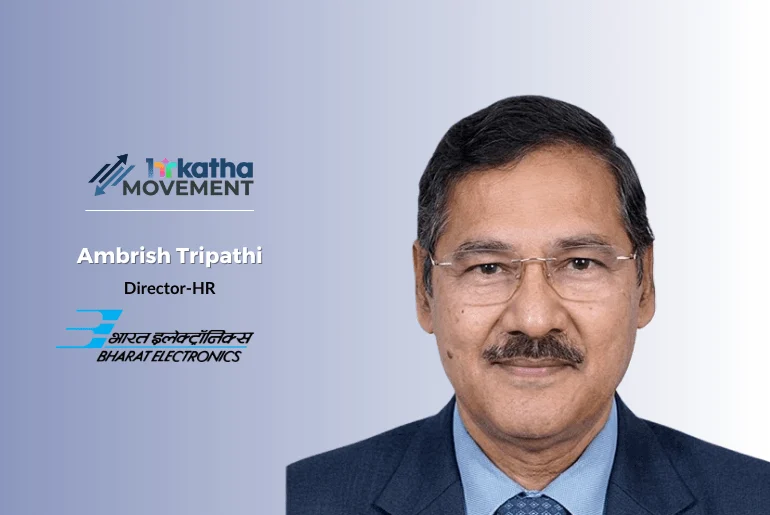
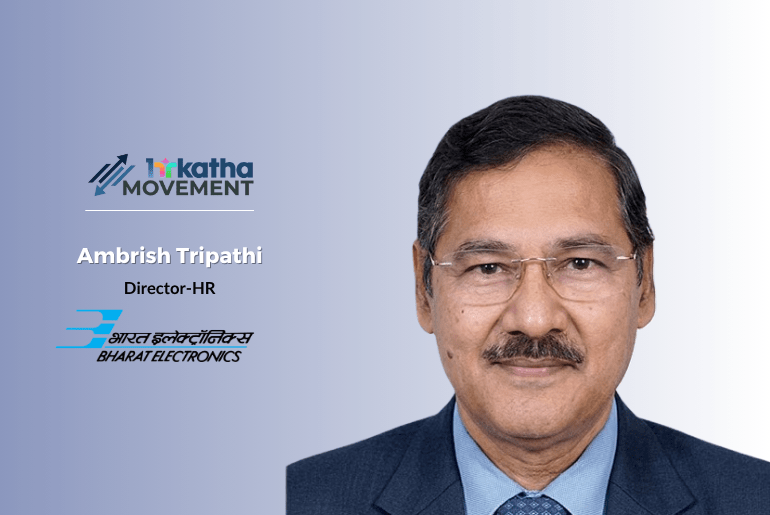
Bharat Electronics Limited (BEL), a distinguished Navratna defence public sector undertaking, has officially announced the appointment of Ambrish Tripathi as its new Director (Human Resources). Tripathi assumed charge of this pivotal role on August 13, 2026, a move that is expected to significantly strengthen the company’s HR leadership as BEL continues its ambitious expansion across the defence and electronics sectors. In his capacity as Director (HR), Tripathi is tasked with a transformative mandate: to elevate the HR function into a strategic partner critical for BEL’s sustained growth. His focus will encompass key pillars such as advanced talent development, fostering a culture of innovation, driving employee excellence, and implementing technology-driven HR processes to enhance efficiency and engagement across the vast organization.
Strategic Appointment to Bolster Human Capital
The appointment of a new Director (HR) at a crucial juncture for BEL underscores the increasing recognition of human capital as a primary driver for innovation and competitive advantage in the high-stakes defence and technology landscape. As India intensifies its focus on indigenous defence manufacturing and technological self-reliance, companies like BEL are at the forefront, requiring not just cutting-edge technology but also a highly skilled, motivated, and adaptable workforce. Tripathi’s mandate aligns perfectly with this national vision, aiming to create a robust human resource framework that supports BEL’s strategic objectives, from developing advanced defence systems to expanding its global footprint. His vision for HR as a strategic partner signals a proactive approach to managing the organization’s most valuable asset—its people—ensuring they are equipped, engaged, and empowered to meet future challenges.
Bharat Electronics: A Pillar of India’s Defence Self-Reliance
Bharat Electronics Limited holds an unparalleled position in India’s strategic ecosystem. Established in 1954, BEL has evolved into a multi-product, multi-technology, multi-unit organization, playing a critical role in indigenization and self-reliance in the defence and civilian sectors. Its product portfolio is vast, ranging from sophisticated radars, communication systems, electronic warfare systems, and naval systems to components for space applications and even electronic voting machines for democratic processes. The "Navratna" status conferred upon BEL by the Government of India signifies its strong financial performance, operational autonomy, and significant contribution to the national economy, allowing it greater flexibility in investment and decision-making.
BEL’s growth trajectory is intricately linked with India’s broader defence modernization efforts and the "Make in India" initiative. The company has consistently demonstrated its capability to absorb, adapt, and innovate advanced technologies, reducing the nation’s dependence on foreign suppliers for critical defence equipment. This strategic imperative places immense pressure on its human resources department to attract, train, and retain a specialized workforce capable of driving innovation in highly complex and sensitive domains. The global defence electronics market is characterized by rapid technological advancements, requiring continuous upskilling and reskilling of personnel. BEL’s ability to navigate these complexities, while maintaining its public sector ethos, relies heavily on strong HR leadership.
The Evolving Landscape of HR in High-Tech Defence PSUs
The human resources function within a large public sector undertaking like BEL presents unique challenges and opportunities. Unlike purely commercial entities, PSUs often operate within specific governmental frameworks, balancing commercial viability with social objectives and national strategic interests. For a high-tech defence PSU, these challenges are amplified:
- Attracting and Retaining Specialized Talent: There is fierce competition for engineers, scientists, and domain experts with niche skills in areas like artificial intelligence, machine learning, cybersecurity, quantum computing, photonics, and advanced materials. BEL must compete with both domestic private sector giants and multinational corporations.
- Managing a Multi-Generational Workforce: The workforce comprises seasoned veterans with decades of experience, mid-career professionals, and a growing influx of Gen Z employees, each with distinct expectations, motivations, and learning styles. Integrating these diverse groups effectively is crucial for knowledge transfer and organizational cohesion.
- Continuous Skill Development and Reskilling: The rapid obsolescence of technologies necessitates a continuous learning culture. HR must design and implement robust training programs that keep the workforce abreast of the latest advancements and prepare them for future technological shifts.
- Succession Planning: Identifying and grooming future leaders across technical, managerial, and strategic roles is vital for long-term organizational stability and growth.
- Employee Engagement and Well-being: Maintaining high morale, fostering a productive work environment, and addressing employee well-being are essential for a workforce engaged in mission-critical national projects.
- Leveraging Technology: Implementing HR analytics, digital platforms for learning, performance management, and recruitment is no longer a luxury but a necessity to streamline processes and enhance efficiency.
Given these complex dynamics, the Director (HR) role is not merely administrative but deeply strategic, impacting BEL’s operational efficiency, innovation capabilities, and overall competitiveness.
A Track Record of Transformative HR Leadership: The Kotdwar Success Story
Ambrish Tripathi’s immediate past role as General Manager of BEL’s Kotdwar Unit, a position he held from January 2024 to August 2026, provides compelling evidence of his capability to address complex HR challenges with tangible results. The Kotdwar Unit, located in a relatively remote region, presented specific hurdles in attracting and retaining skilled manpower—a common issue for industrial units outside major metropolitan hubs.
Tripathi’s leadership at Kotdwar was marked by a series of innovative and localized HR initiatives designed to overcome these geographical disadvantages and build a stable, skilled workforce. Recognizing the limitations of traditional recruitment channels for a remote location, he spearheaded:
- Campus Recruitment from Regional Colleges: This strategic move tapped into local talent pools, fostering goodwill with regional educational institutions and creating a sustainable pipeline of new recruits who might be more inclined to stay in the area. This approach not only filled vacancies but also contributed to local economic development.
- Hiring Ex-Servicemen for Supervisory Roles: This initiative was multi-faceted. It leveraged the discipline, experience, and leadership qualities of ex-servicemen, providing them with meaningful post-service careers while bringing valuable attributes to BEL’s shop floor and supervisory management. It also aligned with national policies aimed at rehabilitating and integrating veterans into the civilian workforce.
- Engaging Trained Manpower through ‘Advanced Trainees’ after Apprenticeships: This demonstrates a long-term vision for skill development. By converting apprentices into ‘Advanced Trainees’, BEL created a direct pathway from vocational training to stable employment, ensuring that skilled labor developed within the company’s ecosystem was retained. This program effectively bridged the gap between theoretical learning and practical application, resulting in highly proficient personnel.
The impact of these initiatives was profound and measurable. Under Tripathi’s stewardship, the Kotdwar Unit achieved zero attrition over a period of two years, a remarkable feat in any industry, let alone one facing geographical constraints and competitive talent markets. Furthermore, these efforts led to the successful induction of more than 150 professionals into the unit, significantly bolstering its operational capacity and talent base. This success story at Kotdwar serves as a powerful testament to Tripathi’s ability to devise and implement effective, context-specific HR strategies that deliver concrete business outcomes.
Fostering Skill Development and Operational Excellence
Beyond recruitment and retention, Tripathi’s tenure at Kotdwar also placed a strong emphasis on structured learning and skill development for the existing workforce. In a sector characterized by rapid technological evolution, continuous upskilling is not merely an advantage but a necessity. His initiatives ensured that BEL’s employees at Kotdwar were not just performing routine tasks but were actively developing new capabilities.
A prime example of this success was the team’s ability to develop the Kawach system for Indian Railways in record time. The Kawach system, an indigenously developed Automatic Train Protection (ATP) system, is a critical safety technology designed to prevent collisions and enhance railway operational efficiency. The successful and timely development of such a complex system underscores how a well-trained and motivated workforce, supported by strategic HR initiatives, can directly contribute to national infrastructure projects and technological breakthroughs. This achievement highlights the direct correlation between robust HR practices, skill development, and operational excellence, proving that investments in human capital yield significant returns in product development and delivery.
Furthermore, these focused HR initiatives contributed to stable industrial relations and a productive workplace at Kotdwar. A workforce that feels valued, is continuously learning, and sees clear career pathways is generally more engaged and less prone to industrial disputes. Tripathi’s approach fostered an environment where employees felt empowered and supported, directly contributing to the unit’s overall productivity and harmonious working conditions.
Pioneering Digital HR and Next-Gen Workforce Integration at ISCO
Ambrish Tripathi’s contributions to BEL extend beyond the Kotdwar Unit, showcasing his versatility and forward-thinking approach to HR. Earlier in his career at BEL, he served as Assistant General Manager (AGM) at the Integrated Software Complex (ISCO). In this role, he was instrumental in driving IT and people initiatives specifically aimed at the onboarding and integration of Gen Z employees. This focus on the youngest cohort of the workforce is particularly significant, as Gen Z brings different expectations regarding technology, work-life balance, and career progression, necessitating tailored HR approaches. His work at ISCO demonstrated an early recognition of the evolving demographic landscape of the workforce and the need for adaptive HR strategies.
A key achievement during his time at ISCO was his active support for the integration of leading digital learning platforms such as Udemy and Coursera with BEL’s IT infrastructure. This initiative was transformative, strengthening the company’s digital learning ecosystem and making a vast repository of global knowledge and skills accessible to BEL employees. In a rapidly changing technological environment, providing flexible and on-demand learning opportunities is crucial for upskilling and continuous professional development. By facilitating this integration, Tripathi laid the groundwork for a more agile and responsive learning culture within BEL, enabling employees to acquire new skills relevant to emerging technologies like AI, IoT, and advanced software development, which are critical for BEL’s future projects. This foresight in leveraging technology for HR functions aligns perfectly with his current mandate to drive technology-driven HR processes as Director (HR).
A Multifaceted Educational Foundation
Ambrish Tripathi’s academic and professional qualifications further underscore his suitability for the Director (HR) role at BEL. He holds a Bachelor of Engineering (BE) degree from the prestigious National Institute of Technology (NIT), Allahabad. This strong technical foundation is invaluable for leading human resources in a technology-intensive defence organization, allowing him to understand the nuances of engineering talent acquisition and development.
Complementing his technical background, he pursued an Executive Post Graduate Diploma in Management, specializing in Human Resources, from Symbiosis, Pune—a renowned institution for management education. This specialized HR qualification equipped him with the strategic and operational knowledge required for modern human resource management.
Furthermore, his certification as a Project Management Professional (PMP) by the Project Management Institute (PMI), USA, adds another critical dimension to his expertise. The PMP certification signifies proficiency in project planning, execution, and oversight, skills that are highly transferable to strategic HR initiatives, which often involve complex projects like organizational restructuring, large-scale talent development programs, or the implementation of new HR information systems. This unique blend of engineering, HR specialization, and project management acumen positions Tripathi as a well-rounded leader capable of driving strategic change and operational excellence within BEL’s human resources function.
BEL Leadership’s Vision for Human Resources
While no direct statements from BEL’s Chairman & Managing Director or other board members were provided in the original brief, it can be logically inferred that the leadership views Tripathi’s appointment as a strategic move to reinforce the company’s human capital strategy. A welcoming statement from BEL’s management would likely emphasize the critical role of HR in achieving the company’s ambitious growth targets and maintaining its technological edge. Such a statement might highlight Tripathi’s proven track record, his deep understanding of BEL’s culture and operational needs, and the confidence that his leadership will usher in a new era of employee engagement, skill enhancement, and strategic talent management. The emphasis would be on BEL’s commitment to fostering a high-performance, inclusive, and innovative work environment for its thousands of employees across various units.
Ambrish Tripathi’s Forward-Looking Mandate
Upon assuming his new role, Tripathi is expected to articulate a clear vision for BEL’s HR function, building upon his past successes. His immediate priorities will likely include:
- Talent Development: Implementing advanced learning pathways, leadership development programs, and cross-functional training to prepare employees for future roles and technological shifts. This will include leveraging digital platforms even more extensively.
- Innovation Culture: Designing HR policies and incentives that encourage experimentation, problem-solving, and intellectual property creation, vital for BEL’s competitive advantage.
- Employee Excellence: Fostering a performance-driven culture through revamped appraisal systems, recognition programs, and robust feedback mechanisms, while also prioritizing employee well-being and work-life balance.
- Technology-Driven HR Processes: Digitizing and automating HR operations, from recruitment and onboarding to payroll and performance management, using HR analytics to gain insights and make data-driven decisions. This will enhance efficiency, transparency, and employee experience.
- Strategic Workforce Planning: Proactively identifying future talent needs in alignment with BEL’s business strategy, particularly in emerging areas like AI, quantum computing, space technology, and advanced manufacturing.
- Integration of Diverse Workforce: Continuing his work on integrating different generations and skill sets, ensuring a cohesive and collaborative work environment that leverages the strengths of all employees.
Broader Implications for BEL’s Growth Trajectory
Ambrish Tripathi’s appointment is more than just a change in leadership; it signals a strategic reinforcement of BEL’s commitment to its human capital as a cornerstone of its future growth. In an era where technological prowess is often matched by the strength of its workforce, a forward-thinking HR strategy is paramount. By focusing on talent development, innovation, and technology-driven processes, Tripathi is poised to cultivate a highly skilled, motivated, and adaptable workforce that can drive BEL’s objectives of indigenization, technological advancement, and global competitiveness.
This strategic emphasis on human resources is particularly crucial as BEL aims to expand its capabilities in critical areas such as cybersecurity, unmanned systems, and advanced materials. The successful execution of complex defence projects, often under stringent timelines and classified conditions, relies heavily on the expertise and dedication of its personnel. Tripathi’s leadership is expected to streamline talent acquisition for these specialized domains, enhance skill development programs to keep pace with evolving technologies, and foster an organizational culture that encourages continuous learning and innovation. Ultimately, strengthening BEL’s human resources framework will directly contribute to India’s "Atmanirbhar Bharat" (self-reliant India) vision in the defence sector, ensuring that the nation’s strategic assets are built, maintained, and innovated by a world-class indigenous workforce.
Strengthening India’s Defence Industrial Base Through Human Capital
The Indian defence and electronics sector is undergoing unprecedented growth, driven by government policies promoting self-reliance and increased defence budgets. BEL, as a major player, is central to this narrative. The successful execution of its mandate hinges on its ability to manage and develop its vast human resources effectively. With Ambrish Tripathi at the helm of HR, BEL is positioned to not only address its immediate talent needs but also to build a sustainable, future-ready workforce that can adapt to rapid technological shifts and contribute significantly to India’s strategic autonomy. His blend of technical, HR, and project management expertise, coupled with a proven track record of delivering results in challenging environments, makes him an ideal leader to navigate the complex human capital landscape of a Navratna PSU committed to national service and technological excellence.








