
The intrinsic value of employee recognition is a cornerstone of effective human resources management. HR leaders universally understand that celebrating contributions in ways that resonate authentically, arrive promptly, and feel genuinely valued is paramount. However, a significant challenge persists: recognition budgets are rarely standardized. What constitutes a generous allocation for one department might be an unattainable aspiration for another. This disparity underscores a critical strategic imperative: instead of allowing financial constraints to dictate the impact of appreciation efforts, organizations must prioritize creativity and intentionality – the true catalysts for memorable and meaningful recognition.
Research consistently highlights that impactful employee appreciation transcends mere monetary expenditure. The most profound gestures are often deeply personal, delivered with impeccable timing, and meticulously aligned with individual employee preferences. Frequently, the most cherished acts of recognition incur minimal to no financial cost. The investment of time, a sincere and specific conversation, offering flexibility in work arrangements, or a public declaration of gratitude consistently rank among the most highly valued rewards employees receive. A compelling statistic from a recent study reveals that over 50% of employees consider recognition for their efforts more important than a 10% salary increase. Furthermore, an overwhelming 85% of employees report that feeling appreciated directly influences their productivity levels. When these fundamental, low-cost actions are thoughtfully combined with occasional tangible rewards, the cumulative effect is the cultivation of a workplace culture where employees feel seen, understood, and sustained.
This article serves as a practical toolkit, offering a comprehensive array of employee appreciation strategies meticulously categorized by budget. From entirely free options designed to foster everyday goodwill and strengthen team cohesion, to low- and mid-range choices ideal for timely, spot recognition, and culminating in premium rewards befitting major milestones and exceptional achievements, organizations can find scalable and impactful solutions.
Leveraging a Tiered Approach: From Zero-Cost to Premium Rewards
The most effective recognition programs are not monolithic. They embrace a strategic blend of cost-free initiatives, economically viable options, and higher-value rewards. This multifaceted approach ensures that appreciation is not only frequent and equitable but also genuinely resonant with the diverse needs and preferences of the workforce.

The Power of the Penny: Zero-Cost Recognition Strategies
When financial resources are constrained, the most potent assets available to organizations are time, focused attention, and a willingness to offer flexibility. These non-monetary investments can translate into profoundly meaningful recognition that budgets alone cannot replicate. Zero-cost gestures are inherently inclusive and scalable, often proving to be the most expedient to implement. Examples include:
- Timely Public Shout-Outs: Acknowledging an employee’s contribution in a team meeting, company-wide communication channel, or internal newsletter. Specificity is key here; detailing the action and its positive impact amplifies the sincerity.
- Peer Nomination Systems: Empowering employees to recognize each other’s contributions, fostering a culture of mutual appreciation and surfacing achievements that might otherwise go unnoticed by management.
- Schedule Flexibility: Offering an employee the ability to adjust their start or end time, take a longer lunch break, or work remotely on a specific day as a thank you for going the extra mile. This demonstrates trust and respect for work-life balance.
- Growth and Development Conversations: Dedicating time for a one-on-one discussion focused on an employee’s career aspirations, offering guidance, mentorship, or identifying development opportunities. This signals investment in their future.
- Handwritten Notes: A personalized, handwritten note expressing gratitude for a specific achievement or consistent effort carries significant weight and demonstrates a personal touch that digital communications can sometimes lack.
These small, yet intentional actions communicate a powerful message: "I see you, I value your contribution, and I care about how you prefer to be recognized." This consistent reinforcement builds everyday momentum for a stronger organizational culture without imposing additional financial burdens.
1. Flexible Time Off and Scheduling: The Gift of Time
Moments of flexibility can often feel like a more significant expression of gratitude than a material reward. When an employee demonstrates exceptional commitment or goes above and beyond, acknowledging their efforts with the gift of time back or greater control over their schedule can be incredibly impactful.
- Immediate Implementation: A manager could acknowledge an employee who stayed late to finalize a critical project with a message like, "Thank you for your dedication in ensuring the successful launch of the new feature. Please feel free to start an hour later tomorrow and block out your first hour for uninterrupted deep work – no meetings will be scheduled."
- Fairness and Practicality: To ensure equity, clear guidelines should be established for when and how such flexibility can be offered. This might involve manager discretion within defined parameters or a system for requesting flexible time off for specific achievements.
2. Public Recognition: Amplifying Success
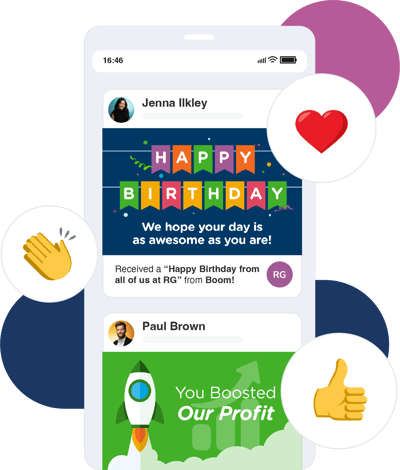
Public praise, when executed thoughtfully, serves a dual purpose: it uplifts the individual being recognized and simultaneously models the desired behaviors for the entire team. Many organizations utilize internal platforms for this purpose. For instance, Reward Gateway’s own employee engagement platform, EXP, allows employees to send digital "boom!" eCards to celebrate great work, exciting moments, and both significant and small wins across the organization. This practice enhances cross-team transparency and collaboration, contributing to employees’ understanding of how their individual efforts contribute to the larger organizational goals.
- Best Practices for Public Recognition:
- Be Specific: Clearly articulate what the employee did and why it was valuable.
- Be Timely: Recognize contributions as close to the event as possible.
- Be Authentic: Ensure the praise feels genuine and aligns with company values.
- Be Inclusive: Consider different communication channels to reach all employees.
- Zero-Cost Avenues for Recognition:
- Team Meetings: Dedicate a portion of regular team meetings for shout-outs.
- Internal Communication Channels: Utilize platforms like Slack, Microsoft Teams, or company intranets.
- Company-Wide Newsletters: Feature employee achievements in regular communications.
3. Peer Shout-Outs: Cultivating a Culture of Mutual Appreciation
Peer-to-peer recognition is a powerful mechanism for scaling appreciation beyond the managerial layer and surfacing contributions that leaders might not directly observe. Employees constantly navigate the balance between their individual responsibilities and collaborative teamwork. Empowering them to acknowledge and thank each other provides a significant boost to the internal culture. Furthermore, it fosters cross-departmental empathy and collaboration, effectively breaking down silos and promoting a more cohesive work environment.
- Starter Prompts for Peer Recognition:
- "Whose work made your week significantly easier?"
- "Who exemplified our core value of ‘We Own It’ during this recent sprint?"
- "Who went the extra mile to support a colleague this week?"
- Initiating a Peer Recognition Program:
- Educate Employees: Clearly communicate the purpose and benefits of peer recognition.
- Provide Tools: Utilize existing internal communication platforms or implement a dedicated recognition tool.
- Encourage Participation: Regularly prompt employees to recognize their colleagues.
- Maintaining a Healthy Recognition Ecosystem:
- Promote Authenticity: Encourage genuine and specific feedback.
- Ensure Inclusivity: Make sure all employees feel empowered to give and receive recognition.
- Avoid Over-Commercialization: Focus on the sentiment and impact, not just the frequency.
4. Career Development Opportunities: Investing in Growth
For many employees, professional growth represents one of the most meaningful forms of appreciation. Fortunately, numerous opportunities for development are available at no direct cost, especially when leveraging in-house expertise and integrating learning with real work assignments.
- Zero-Cost Development Ideas:
- Mentorship Programs: Pairing junior employees with experienced mentors.
- Cross-Training: Allowing employees to learn new skills by shadowing colleagues in different departments.
- Skill-Sharing Workshops: Employees can lead sessions on topics they excel in.
- Stretch Assignments: Providing opportunities to take on challenging projects that foster new skill development.
- Making Development Opportunities Effective:
- Align with Career Goals: Ensure development opportunities are relevant to the employee’s aspirations.
- Provide Support: Offer guidance and feedback throughout the learning process.
- Recognize Learning: Acknowledge the effort and progress made in acquiring new skills.
5. Handwritten Notes: The Enduring Impact of Personal Touch
A thoughtfully penned note transforms a moment of recognition into a tangible keepsake, signifying that the giver invested personal time and attention to acknowledge the recipient’s efforts. This personal touch conveys a deeper level of care and consideration. For organizations prioritizing sustainability and waste reduction, downloadable eCards offer a similar sentiment while minimizing paper usage, aligning with Corporate Social Responsibility objectives.
- Tips for Maximum Impact:
- Be Specific: Reference a particular action or achievement.
- Be Sincere: Express genuine appreciation and acknowledge the employee’s value.
- Be Personal: Tailor the message to the individual’s contributions and personality.
- Deliver Promptly: Send the note soon after the event or achievement.
- Where to Utilize Handwritten Notes:
- After Project Completion: Thanking individuals or teams for their hard work.
- On Anniversaries: Acknowledging milestones and long-term commitment.
- During Challenging Times: Offering support and appreciation for resilience.
- As a Regular Practice: Incorporating notes into weekly or monthly check-ins.
The Sweet Spot: $25-$100 Employee Appreciation Ideas
This budget tier represents a highly effective "sweet spot" for many organizations, offering sufficient resources to fund meaningful experiences and development opportunities without straining lean budgets or becoming unmanageable for mid-sized teams. Investments in this range allow for recognitions that feel substantial, are often shareable, and contribute to memorable experiences, all while maintaining program scalability and fairness.
By strategically combining thoughtful, intangible moments with tangible opportunities for development or enhanced experiences, organizations can establish a consistent cadence of recognition that is both meaningful and resource-efficient.
6. Professional Development Stipends: Investing in Future Growth
A modest professional development stipend sends a powerful and unambiguous message: "We are invested in your growth and future success." With budgets ranging from $25 to $100, employees can access valuable resources such as purchasing industry-relevant books, enrolling in short online courses or webinars, or obtaining micro-credentials that enhance their skills and expertise.

- Implementation Strategies:
- Book Vouchers: Allow employees to select books that align with their professional development goals.
- Webinar Access: Provide access to online seminars and workshops relevant to their roles or interests.
- Course Subscriptions: Offer limited-time access to online learning platforms.
- Conference Ticket Reimbursement: Cover the cost of a virtual or local industry event.
- Making Stipends Meaningful:
- Align with Career Paths: Ensure the development opportunities support individual career trajectories.
- Empower Choice: Allow employees to select resources that best meet their needs.
- Encourage Sharing: Prompt employees to share key learnings with their teams.
7. Catered Team Events: Fostering Connection Through Shared Experiences
Food and shared experiences are powerful connectors, fostering a sense of camaraderie and rewarding collective effort. Within this budget, organizations can orchestrate a variety of engaging events, such as catering a team lunch, sending curated snack boxes to remote team members, or hosting informal coffee breaks and virtual happy hours. These activities provide a valuable opportunity for colleagues to bond, de-stress, and celebrate shared successes in a relaxed atmosphere.
- Creative Implementation Ideas:
- Themed Lunches: Organize themed lunches that align with team interests or upcoming projects.
- Remote Team Treat Boxes: Deliver curated boxes of snacks, coffee, or tea to remote employees.
- Virtual Coffee Breaks: Schedule short, informal video calls for casual conversation and connection.
- Small Offsite Gatherings: Organize a coffee hour or a casual get-together at a local venue.
- Practical Considerations:
- Dietary Needs: Ensure all dietary restrictions and preferences are accommodated.
- Inclusivity: Plan events that are accessible and enjoyable for all team members.
- Timing: Schedule events at times that minimize disruption to core work.
8. Local Experience Passes: Creating Memorable Moments
Small, locally curated experiences offer a unique and memorable way to show appreciation. These can include tickets to local museums or zoos, a voucher for a pottery or art class, or a drop-in pass to a fitness studio. Such opportunities allow employees to explore new interests, engage in personal wellness, and create lasting memories outside of their work environment.
- Rollout Strategies:
- Partnerships with Local Businesses: Collaborate with local venues for discounted passes or vouchers.
- Employee Choice: Allow employees to select from a pre-approved list of local experiences.
- Team-Based Rewards: Offer passes for small teams to enjoy an activity together.
- Ensuring Accessibility and Fairness:
- Geographic Considerations: Offer options relevant to employees in different locations.
- Variety of Interests: Provide a range of experiences to cater to diverse preferences.
- Clear Redemption Instructions: Ensure employees understand how to use their passes.
9. Choose-Your-Own-Reward Marketplaces: Empowering Employee Choice
Reward marketplaces offer a highly effective solution by empowering employees to select rewards that hold personal significance. This approach allows for a diverse range of options, including gift cards to popular retailers, desirable gadgets, unique experiences, or even the ability to make charitable donations in their name. Simultaneously, these platforms simplify program administration for HR teams.
- Implementation Tips:
- Curated Selection: Offer a thoughtful selection of rewards that align with employee demographics and interests.
- Clear Point System: Establish a transparent system for how points or monetary values translate to rewards.
- Regular Updates: Keep the marketplace fresh by adding new and appealing reward options.
- Program Best Practices:
- Personalization: Allow employees to choose rewards that truly resonate with them.
- Accessibility: Ensure the marketplace is user-friendly and accessible across devices.
- Flexibility: Offer a wide spectrum of reward categories to suit various preferences.
10. Subscription Bundles and Services: Sustained Value
Short-term subscriptions to platforms such as wellness apps, learning resources, curated snack boxes, or meditation services can deliver sustained value that extends far beyond a single recognition moment. These ongoing benefits demonstrate a commitment to employee well-being and continuous development.
- Ways to Offer Subscriptions:
- Wellness Apps: Provide access to meditation, fitness, or mindfulness platforms.
- Learning Platforms: Offer subscriptions to services like LinkedIn Learning or Coursera.
- Curated Boxes: Deliver monthly boxes of healthy snacks, coffee, or artisanal goods.
- Skill-Building Services: Grant access to platforms focused on specific professional skills.
- Key Considerations:
- Employee Preferences: Survey employees to gauge interest in different subscription types.
- Duration: Offer short-term subscriptions (e.g., 3-6 months) to allow for evaluation and variety.
- Usage Tracking: Monitor engagement to ensure the subscriptions are being utilized and valued.
Elevating Achievements: $100+ Employee Appreciation Ideas
This tier is strategically reserved for milestone moments and exceptional contributions. It is designed for significant achievements such as work anniversaries, major project successes, recognition of top performers, and retention-driven rewards, where the investment should directly correspond to the magnitude of the accomplishment.

When organizations allocate higher-value recognition, they possess the capacity to create experiences that are not only celebratory but also deeply lasting. Crucially, even at this premium level, the fundamental principles of personalization and flexibility remain paramount.
The strategic and transparent deployment of these higher budget levels is essential. Premium rewards should be reserved for occasions that unequivocally warrant them. The criteria for such recognition must be clearly communicated to the entire workforce, ensuring fairness and understanding. Moreover, these substantial gestures should be complemented by a consistent stream of frequent, smaller acknowledgments. This approach ensures that appreciation feels like an ongoing commitment rather than an infrequent event. Thoughtful execution transforms an expensive gift into a meaningful milestone that powerfully reinforces the desired behaviors and commitments.
11. Performance Bonuses and Spot Awards: Recognizing Exceptional Impact
Moments of high impact demand rewards that reflect that significance. A timely performance bonus or a spot award serves as a powerful affirmation of standout contributions, clearly signaling that exceptional effort is not only noticed but also deeply valued. For example, a message accompanying a $250 spot award might read: "Thank you for leading the incident response that successfully protected customer data and restored service. Your impact was significant and directly aligned with our core value of ‘Own It.’ We are recognizing you with this award, effective this pay cycle."
- Implementation Approaches:
- Clear Criteria: Define objective metrics and criteria for performance bonuses and spot awards.
- Managerial Discretion: Empower managers to identify and reward exceptional performance within defined guidelines.
- Timely Distribution: Ensure awards are processed and delivered promptly after the achievement.
- Ensuring Fairness and Compliance:
- Equitable Distribution: Establish processes to ensure awards are distributed fairly across demographics and teams.
- Legal and Tax Implications: Consult with HR and finance departments to ensure compliance with all relevant regulations.
- Transparency: Clearly communicate the purpose and process of bonus and spot award programs.
12. Premium Gadgets: Enhancing Work and Well-being
The provision of high-quality technology or personal devices can be perceived as a genuine treat, simultaneously enhancing an employee’s daily work experience and demonstrating the company’s commitment to providing the best tools. Allowing employees to choose the specific gadgets that genuinely aid their focus, creativity, or relaxation demonstrates a deep understanding of individual needs.
- Exceptional Gadget Options:
- Noise-Canceling Headphones: For enhanced focus in open-plan offices or remote environments.
- High-Quality Monitors or Peripherals: To improve ergonomics and productivity.
- Ergonomic Accessories: Such as standing desk converters or specialized keyboards.
- Smartwatches or Fitness Trackers: To encourage personal well-being and activity.
- Implementation Best Practices:
- Needs Assessment: Survey employees to understand their preferences and requirements.
- Bulk Purchasing: Leverage company purchasing power for better pricing.
- Technology Support: Ensure employees have access to IT support for any new devices.
13. Company-Sponsored Retreats and Offsites: Building Cohesion and Vision
Shared experiences are fundamental to building trust, fostering strong team dynamics, and generating momentum within an organization. A thoughtfully designed offsite or retreat offers a powerful platform for celebrating collective achievements, deepening interpersonal relationships, and aligning teams on future strategic objectives. These events provide an invaluable opportunity for team members to connect on a more personal level, fostering a sense of belonging and shared purpose.

- Making Retreats Meaningful:
- Clear Objectives: Define the goals of the retreat, whether it’s strategic planning, team building, or skill development.
- Engaging Activities: Incorporate a mix of work-related sessions, team-building exercises, and opportunities for relaxation and informal interaction.
- Personalized Touches: Consider individual preferences and needs when planning activities and accommodations.
- Addressing Equity and Logistics:
- Inclusive Planning: Ensure all employees can participate comfortably and safely.
- Travel and Accommodation: Provide clear and comprehensive arrangements for travel and lodging.
- Communication: Maintain open and transparent communication regarding the retreat’s agenda and logistics.
14. Spa Day Certificates and Wellness Experiences: Prioritizing Employee Well-being
Rewards focused on wellness are particularly valuable for employees who have recently navigated periods of intense effort or demanding projects. Spa certificates, massage sessions, or other restorative wellness experiences offer a personal and rejuvenating way to acknowledge their hard work and encourage self-care.
-
How to Offer Wellness Rewards:
- Partnerships with Spas: Collaborate with local wellness centers to offer discounted certificates or packages.
- Wellness Stipends: Provide a monetary allowance that employees can use for various wellness activities.
- On-Site Wellness: If feasible, organize on-site massage therapy or mindfulness sessions.
-
Important Considerations:
- Employee Choice: Allow employees to select the wellness service that best suits their needs and preferences.
- Accessibility: Ensure that chosen services are accessible and convenient for the employee.
- Confidentiality: Respect employee privacy regarding their wellness choices.
-
Sample Wording for Wellness Recognition: "Thank you for going above and beyond this quarter. Please accept this $150 wellness certificate as a token of our appreciation. We encourage you to choose an experience that helps you unwind, whether it’s a massage, a meditation day pass, or another restorative activity."
15. Professional Certification Course Reimbursements: Investing in Long-Term Expertise
Investing in professional certifications validates an employee’s expertise and can significantly elevate their career trajectory. By covering the costs associated with exam fees, preparatory courses, or professional membership dues, organizations demonstrate a long-term commitment to employee development and the cultivation of specialized skills.

- Implementation Strategies:
- Certification Approval Process: Establish a clear process for employees to request reimbursement for relevant certifications.
- Defined Budget: Allocate a specific budget for certification reimbursements annually.
- Learning Partnerships: Collaborate with educational institutions or certification bodies for potential discounts.
- Policy Best Practices:
- Alignment with Business Needs: Ensure reimbursed certifications align with current or future business objectives.
- Service Agreements: Consider implementing service agreements for significant reimbursements to ensure a return on investment.
- Recognition of Achievement: Publicly acknowledge employees who achieve significant professional certifications.
Strategic Framework: Aligning Appreciation with Budget and Culture
The selection of the most appropriate staff appreciation ideas hinges on clarity of intent and strategic planning. Regardless of the budget, the overarching goal remains consistent: to deliver recognition that is perceived as fair, frequent, and deeply personal. By meticulously aligning available resources with the moments that matter most, organizations can construct robust and impactful recognition programs.
Foundation: Budget, Team Size, and Cadence
The cornerstone of any successful recognition strategy is its sustainability. Organizations must begin by working backward from their financial capacity. This involves defining the annual recognition budget, understanding the total headcount, and establishing a target frequency for employee recognition. A simple calculation to guide this process is: average spend per recognition = total budget / (headcount * target recognitions per person). Subsequently, setting a baseline cadence – for instance, weekly peer acknowledgments, monthly manager-led spot recognition, and annual milestone celebrations – allows for the right-sizing of expenditures to fit the established framework.
Strategic Blend: Integrating Free, Low, and Premium Tactics
An integrated approach ensures broader reach and sustained impact without compromising the value of each recognition. Zero-cost initiatives should form the bedrock for everyday acknowledgments of good work and positive behaviors. The $25-$100 tier can effectively reward successful sprints and individual stretch efforts. Finally, the $100+ tier is best reserved for significant milestones and exceptional achievements. Mapping these tactics to specific moments ensures clear and repeatable criteria for recognition. Critically, organizations must ensure equitable recognition opportunities for frontline and distributed teams, offering equivalent alternatives such as time swaps or compensatory time for flexibility, digital vouchers for on-site perks, and virtual options for in-person events.
The Guiding Principle: Employee Preferences Drive Reward Meaning
The true driver of meaningful recognition is its alignment with individual preferences, often superseding cost. Integrating simple recognition profiles during onboarding and one-on-one meetings is crucial. This includes understanding whether an employee prefers public or private acknowledgment, whether they value time off over gifts, their food preferences and any accessibility needs, and their inclination towards growth opportunities versus material rewards. Offering choice, whether through a reward marketplace or a concise menu of options, allows employees to select what genuinely resonates. When a preferred option is unavailable, providing a comparable alternative of equal value ensures fairness and maintains trust.
Prioritizing Frequency and Timeliness Over Magnitude
The adage "small and soon is better than big and late" holds profound truth in employee recognition. The objective should be to acknowledge contributions within a few days of their occurrence, prioritizing more frequent touchpoints at modest values over rare, large-scale splurges. Streamlined approval processes are essential to empower managers to act swiftly, ideally within 48 hours of an observed contribution. Every reward should be accompanied by a specific message articulating the behavior and its positive impact – the narrative is what transforms a moment into a memorable experience. Monthly tracking of reach and equity is vital to ensure recognition is distributed fairly and the budget is deployed effectively where it yields the greatest impact.

Cultivating a Culture of Appreciation: The Role of Reward Gateway | Edenred
Employee appreciation flourishes when it is consistent, personalized, and seamlessly woven into the fabric of daily work life. Reward Gateway | Edenred offers a comprehensive suite of tools designed to simplify this integration, enabling organizations to blend zero-cost gestures with tangible rewards, all while meticulously aligning with individual preferences and budgetary constraints. From facilitating peer-to-peer shout-outs and providing curated reward marketplaces to managing milestone bonuses, the platform empowers organizations to develop recognition programs that scale effectively and maintain high levels of employee engagement.
Through seamless integration across various communication channels and the provision of personalized options tailored to each employee, organizations can cultivate a vibrant culture where appreciation is not only frequent and meaningful but also a celebrated and intrinsic part of the company’s DNA.
Organizations ready to embark on building a robust culture of appreciation and recognition are invited to schedule a demonstration. Expert employee experience specialists at Reward Gateway | Edenred are prepared to showcase how their solutions can contribute to creating a more positive and productive workplace.