Boss’s Day is October 16, 2025. As the calendar approaches this designated observance, the professional landscape is increasingly emphasizing the critical role of recognition in fostering productive and positive work environments. While often associated with Hallmark holidays, the tradition of Boss’s Day, originating in the mid-20th century, continues to serve as a valuable reminder to acknowledge and appreciate the individuals who guide and lead teams. This year, the focus extends beyond mere acknowledgment to underscore how consistent recognition can foster leadership evolution and significantly enhance workplace dynamics.
The Genesis and Evolution of Boss’s Day
The roots of Boss’s Day can be traced back to 1958, when Patricia Bays Haroski, a secretary at State Farm Insurance, registered the occasion with the U.S. Chamber of Commerce. Her motivation was deeply personal: to honor her father, who was also her boss, on his birthday, October 16. Haroski’s intention was to cultivate stronger relationships between employees and management through a dedicated day of appreciation. This initiative gained official recognition in Illinois in 1962, marking a significant step in formalizing the observance.
Decades later, the underlying principle remains profoundly relevant. In an era where employee engagement and retention are paramount, taking a moment to express gratitude to those in leadership positions contributes significantly to morale, strengthens interpersonal connections within teams, and cultivates a more robust and supportive workplace culture. This annual observance, though seemingly simple, taps into a fundamental human need for acknowledgment, which, when fulfilled, can have tangible positive effects on workplace productivity and employee satisfaction.
The Compelling Case for Recognizing Your Boss
The importance of recognizing leadership extends beyond the immediate act of appreciation. In a candid interview, David Bator, Managing Director of the Achievers Workforce Institute (AWI), articulated a stark contrast between effective leadership and what he terms a "toxiboss." A toxiboss, according to Bator, is an individual who demands high performance without adequately acknowledging the efforts and contributions of their team. This highlights a crucial aspect of leadership: the reciprocal nature of expectations and appreciation.
Bator’s insights are corroborated by extensive research from AWI. Their data indicates a powerful correlation between a recognition-rich culture and a leader’s capacity to navigate unforeseen challenges. Employees at organizations where recognition is a consistent practice are reportedly 5.8 times more likely to believe their manager can effectively handle unexpected obstacles. This suggests that when leaders are themselves recognized and feel valued, it bolsters their confidence and resilience, enabling them to lead their teams more effectively through adversity. Furthermore, a culture of recognition fosters mutual trust between leadership and their teams, laying a foundational element for a healthier and more resilient organizational structure.
Beyond the Card: Meaningful Ways to Show Appreciation
While traditional gestures like coffee or lunch can be appreciated, a thoughtful, personalized message often carries more weight and demonstrates a deeper level of consideration. To facilitate this, a curated list of messages has been compiled, offering a range of sentiments from sincere gratitude to lighthearted acknowledgment, suitable for various leadership styles and workplace dynamics.

Messages for Bosses Who Actively Listen
A boss who genuinely listens is an invaluable asset to any team. This quality translates into an environment where employees feel heard, their ideas are considered, and their concerns are addressed. Whether it’s remembering personal details, actively seeking input, or simply acknowledging the challenges faced by the team, such attentiveness deserves recognition.
For these leaders, messages can express gratitude for their willingness to engage, their receptiveness to feedback, and their ability to make employees feel that their contributions are valued. Phrases that highlight the impact of their attentive leadership can resonate deeply, fostering a stronger sense of partnership and mutual respect.
Messages for Bosses Who Inspire and Motivate
Certain leaders possess an innate ability to ignite passion and drive within their teams. They push individuals beyond their perceived limitations, encourage growth, and often transform mundane tasks into opportunities for achievement. These motivational leaders, who lead by example and champion their teams, warrant more than a perfunctory thank you.
Messages for such bosses can acknowledge their capacity to inspire, their challenging yet constructive approach, and their role in fostering a sense of purpose. Highlighting specific instances where their motivation made a difference can amplify the impact of the message, reinforcing their positive influence on team performance and individual development.
Messages for Bosses Who Set Clear Expectations
In any professional setting, clarity in direction and expectations is fundamental to efficient operations and employee confidence. Leaders who excel at articulating goals, providing unambiguous direction, and avoiding micromanagement create an environment where teams can focus on execution without unnecessary ambiguity.
Expressing appreciation for this clarity can be incredibly impactful. Messages can acknowledge their skill in defining objectives, their ability to provide guidance without overstepping, and the sense of security that comes from understanding one’s role and responsibilities within the larger organizational framework.
Messages for Bosses Who Genuinely Appreciate Their Employees
A leader who consistently recognizes the efforts and achievements of their team cultivates a highly engaged and loyal workforce. These are the bosses who not only acknowledge output but also the dedication, hard work, and perseverance behind it. Celebrating both significant wins and smaller milestones, and consistently reinforcing the value of each team member’s work, builds a strong foundation of trust and appreciation.

Messages for these leaders can directly address their consistent acknowledgment, their ability to celebrate successes, and their impact on team morale. Expressing how their recognition makes employees feel valued and motivated can be a powerful affirmation of their leadership style.
Messages for Bosses Who Serve as Mentors
Beyond management, some leaders take on the crucial role of mentors. They invest in the professional development of their team members, share their hard-won wisdom, and help individuals discover their potential, often providing guidance and support during challenging periods.
Appreciation for this mentorship can be expressed by acknowledging their investment in personal growth, their willingness to share insights and experiences, and their role in fostering career advancement. Highlighting specific instances where their guidance proved instrumental can underscore the profound impact of their mentorship.
Messages for Bosses Who Demonstrate Genuine Care
A truly exceptional boss extends their concern beyond project deliverables to encompass the well-being of their team members. They are attuned to the pressures and challenges faced by their employees, offering support, making time for personal conversations, and fostering a holistic approach to professional and personal well-being.
Messages for these caring leaders can acknowledge their empathy, their attentiveness to individual needs, and their supportive demeanor. Expressing gratitude for their understanding and commitment to their team’s welfare can reinforce the positive and humanistic aspects of their leadership.
Messages for Bosses Who Bring a Touch of Fun
In high-pressure environments, a leader who can inject humor and maintain a lighthearted atmosphere is invaluable. These individuals strike a balance between professionalism and approachability, making work more enjoyable and team dynamics more cohesive.
Messages for these bosses can celebrate their sense of humor, their ability to diffuse tension with a well-timed jest, and their contribution to a positive and engaging work environment. Recognizing their role in making the workplace a more enjoyable place can be a welcome affirmation.
The Impact of Recognition on Leadership Effectiveness
The benefits of recognition are not one-sided; they significantly impact the leaders themselves, enhancing their effectiveness and fostering their own professional growth. Leaders who receive consistent acknowledgment are more likely to feel supported, confident, and motivated, translating into improved leadership capabilities.
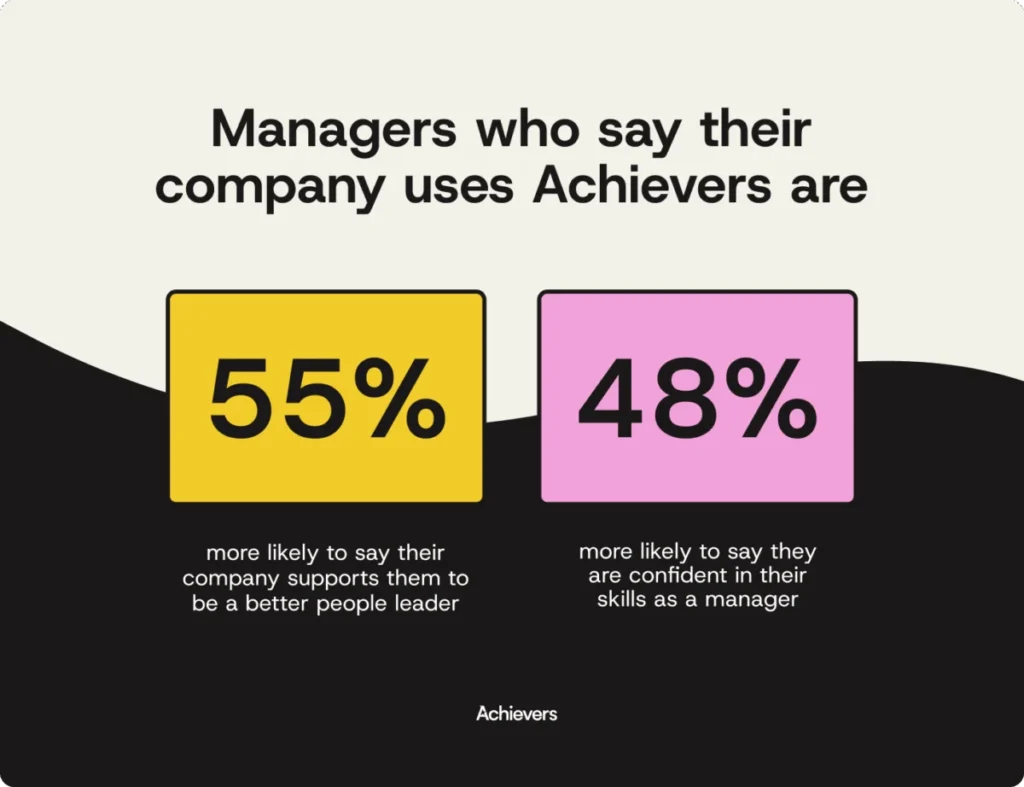
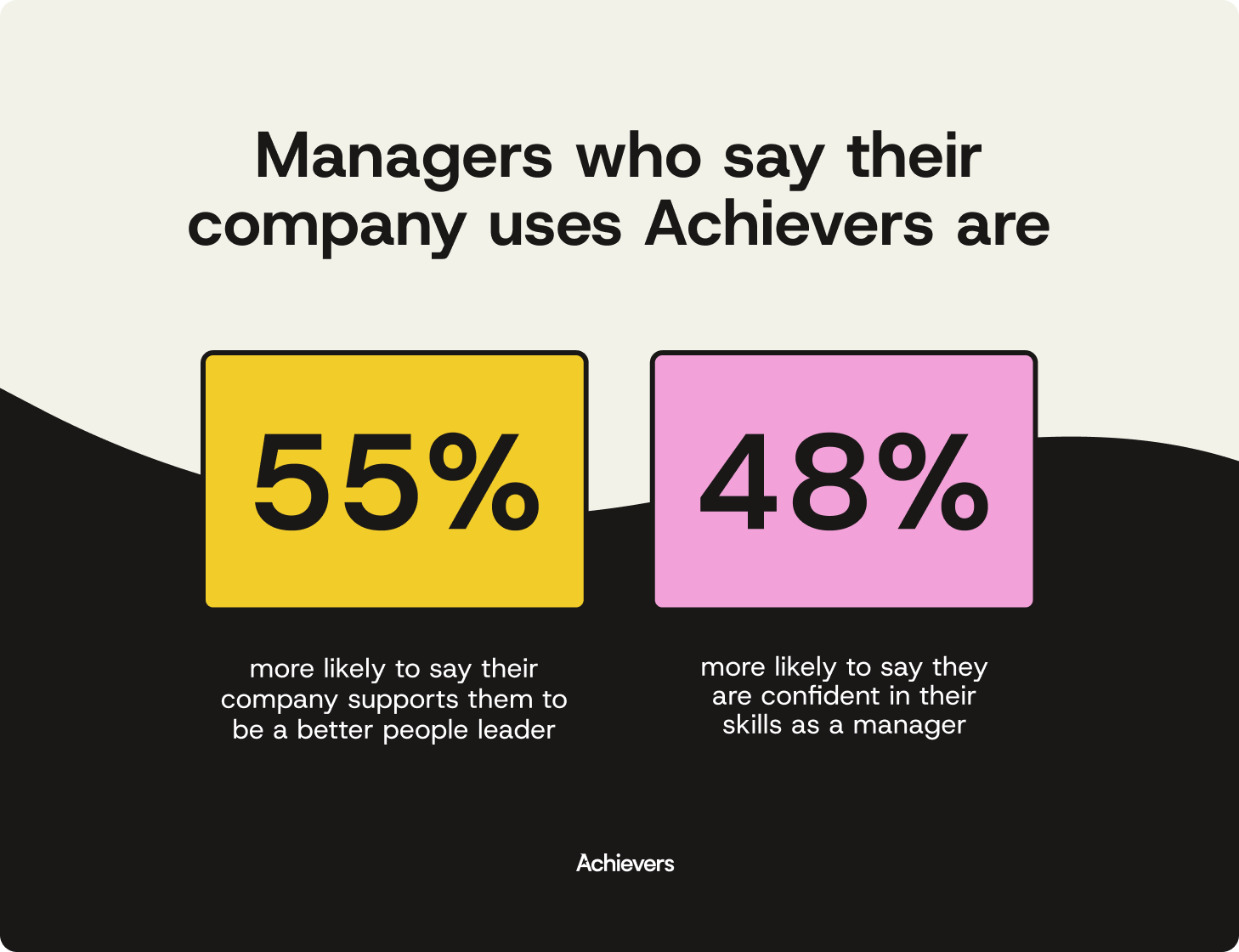
Organizations that prioritize recognition often see a marked difference in leadership performance. For instance, managers within companies utilizing platforms like Achievers report feeling significantly more supported as leaders, with a substantial increase in their confidence in their own skills. This creates a virtuous cycle: recognized leaders are better equipped to recognize their teams, fostering a culture of appreciation that benefits everyone.
Integrating Recognition into the Workplace Calendar
While Boss’s Day provides a dedicated opportunity for acknowledgment, embedding recognition into the daily and weekly fabric of the workplace is crucial for sustained positive impact. Utilizing recognition platforms and incorporating regular appreciation into team routines ensures that gratitude is a continuous practice rather than an isolated event.
Tools like digital appreciation cards offer a streamlined and meaningful way to convey thanks. These platforms allow for personalized messages, ensuring that the sentiment is sincere and tailored to the recipient. By integrating such practices into a recognition calendar, organizations can ensure that leadership and employee contributions are consistently acknowledged, fostering a more engaged, valued, and ultimately, more productive workforce. When recognition flows freely in both directions, it cultivates an environment where both leaders and employees thrive, leading to a demonstrably better overall work experience.