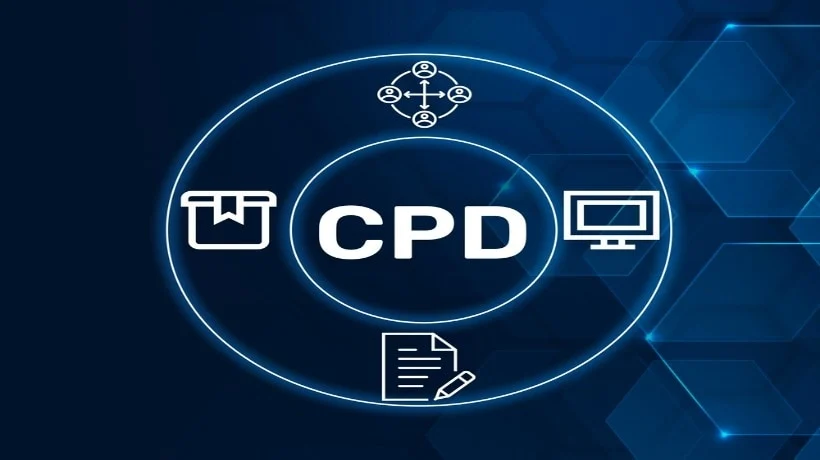
The modern corporate learning landscape is currently grappling with a significant data disparity known as the Continuing Professional Development (CPD) visibility gap, a phenomenon where traditional Learning Management Systems (LMS) capture only an estimated 20% of actual employee development. While organizations invest heavily in LMS platforms to centralize training, reporting, and compliance, industry data suggests that the vast majority of professional growth—approximately 80%—occurs through external activities that remain entirely invisible to these internal systems. This discrepancy creates a precarious environment for regulated industries, where the inability to provide a comprehensive audit trail for professional standing can lead to severe legal and operational consequences.
The 20/80 Disparity: Defining the Visibility Gap
For years, the LMS has been the cornerstone of corporate education, designed primarily to host SCORM files, track module completions, and manage internal enrollments. However, as professional roles become more complex and specialized, the nature of learning has shifted away from static, internal content toward a more fragmented, external ecosystem. The "CPD visibility gap" represents the chasm between the activities an LMS can see—typically internal compliance modules and company-mandated webinars—and the activities an employee actually performs to maintain their professional edge.
The invisible 80% of learning encompasses a diverse range of activities: international conferences, self-funded specialized courses, industry-specific reading, peer-to-peer mentoring, and on-the-job experiential learning. Because these activities occur outside the proprietary "walls" of the company LMS, they are rarely recorded in a centralized manner. This lack of integration leads to a fragmented record of truth, where an employee may be fully compliant with industry standards but appear under-developed or non-compliant on the company’s official dashboard.
The Administrative and Regulatory Burden
The implications of this visibility gap are most acutely felt during regulatory audits or annual reporting cycles. In highly regulated sectors such as law, finance, healthcare, and engineering, the burden of proof lies with the organization and the individual professional. When an LMS fails to account for the majority of CPD activity, compliance leads are often forced into weeks of manual labor. This process typically involves reconciling disparate spreadsheets, hunting through email attachments for PDF certificates, and manually verifying external event attendance.
Industry analysis indicates that manual CPD reconciliation can take anywhere from several days to three weeks for mid-to-large-sized firms. Beyond the loss of productivity, this manual process introduces significant human error. In professions where a missed CPD deadline can result in the suspension of a license or mandatory practice audits, the stakes of this data gap are exceptionally high. For professional associations, an unreliable record-keeping system can undermine the integrity of the credentials they issue, potentially devaluing the certification in the eyes of the public and the industry.
A Chronology of the CPD Crisis
The emergence of this gap can be traced through the evolution of corporate learning technology over the last two decades.
- The Rise of the LMS (Early 2000s): Organizations adopted LMS platforms to solve the problem of distributing training to a global workforce. The focus was on "pushing" content to users.
- The Shift to Professional Autonomy (2010s): Professionals began seeking more diverse, external learning opportunities via MOOCs (Massive Open Online Courses), webinars, and digital industry forums.
- The Data Fragmentation Period (2015-Present): As the sources of learning multiplied, the LMS became a silo. While "Learning Experience Platforms" (LXPs) attempted to solve engagement, they often failed to solve the "record of truth" problem for compliance-heavy CPD.
- The Audit Realization: Organizations began to realize that during regulatory inquiries, their expensive LMS platforms were only providing a fraction of the necessary data, leading to the current demand for integrated CPD layers.
Technical Solutions: Building the "CPD Layer"
The traditional response to a failing LMS was to replace it entirely—a process that is notoriously expensive, time-consuming, and disruptive. However, a new technical consensus is emerging: rather than replacing the LMS, organizations are increasingly adopting a "CPD Layer" approach. This involves keeping the existing LMS for its core strengths—internal content hosting and basic tracking—while overlaying a specialized platform designed specifically for CPD compliance.
This CPD layer connects to the existing LMS via an Application Programming Interface (API). This allows data to flow bi-directionally. When a user completes an internal course, the LMS sends that data to the CPD layer. Crucially, the CPD layer also provides a portal for users to upload external evidence, such as conference tickets or certificates from self-funded courses.
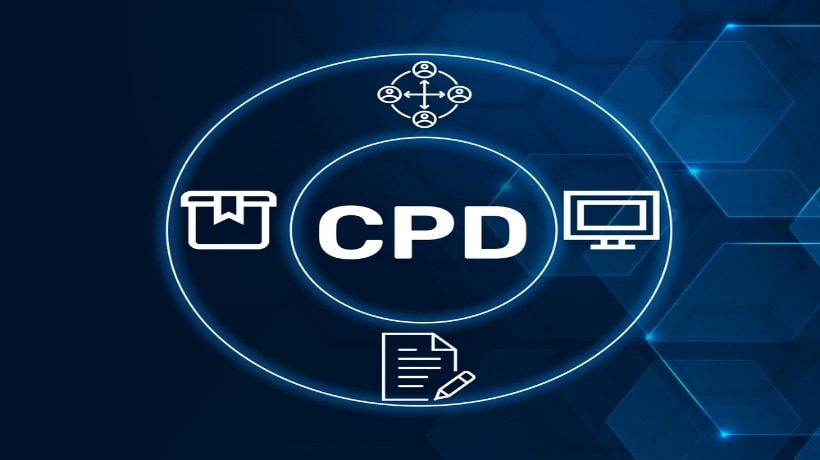
The technical sophistication of these layers allows for complex compliance logic that standard LMS platforms cannot handle. For instance, a CPD layer can apply different credit rules based on a user’s seniority, department, or specific professional body requirements. It can also manage "pro-rata" adjustments automatically—a critical feature for maintaining equity for employees who have taken parental leave, worked part-time, or joined the firm mid-year.
Case Study: The Irish Law Firm Implementation
A primary example of this strategy in action can be seen in a leading Irish corporate law firm that recently addressed its CPD visibility gap. The firm utilized a standard LMS that handled internal training effectively but left the compliance team "flying blind" regarding the external activities of its solicitors. In Ireland, solicitors are subject to strict CPD requirements by the Law Society; failure to comply can result in up to two years of mandatory audits.
The firm faced a recurring crisis: every year-end involved a frantic, manual effort to collect proof of external learning. Instead of a multi-year LMS migration, the firm opted to build and integrate a dedicated CPD compliance platform over a period of just two months.
By connecting this new platform to their existing LMS via API, they achieved several key outcomes:
- Automated Tracking: Internal and external activities were consolidated into a single real-time dashboard.
- Dynamic Rules: The system automatically calculated the specific hours needed for "General," "Regulatory," and "Management" categories, which are distinct requirements for Irish solicitors.
- Pro-Rata Flexibility: The system adjusted requirements for solicitors on leave or those with part-time contracts, ensuring no one was unfairly flagged for non-compliance.
- Self-Service Evidence: Solicitors could upload photos of certificates via mobile, which were then instantly mapped against their annual requirements.
Broader Implications for the Future of Work
The movement toward closing the CPD visibility gap reflects a broader trend in HR technology: the shift from "monolithic" systems to "ecosystem" thinking. Modern organizations are realizing that no single piece of software can be the best at everything. The LMS is good at delivery, but specialized layers are better at compliance and external data ingestion.
Furthermore, as AI begins to play a larger role in talent management, the quality of data becomes paramount. If an AI-driven talent development tool only has access to 20% of an employee’s learning history, its recommendations for promotions or skill-gap closures will be fundamentally flawed. Closing the visibility gap is, therefore, not just a matter of compliance, but a prerequisite for effective talent analytics and workforce planning.
Analysis of Organizational Impact
From a strategic perspective, bridging the visibility gap transforms CPD from a "check-the-box" administrative task into a competitive advantage. When leadership has a 100% view of the skills being acquired across the firm—including the niche, external expertise employees are seeking out on their own—they can better align their business strategy with the actual capabilities of their workforce.
The reduction in "audit anxiety" also has a measurable impact on employee morale. Professionals in high-stakes environments often view CPD tracking as a source of stress. By providing a transparent, real-time view of their progress, organizations can reduce this friction and foster a culture of continuous, rather than coerced, learning.
In conclusion, the CPD visibility gap is a structural flaw in how most organizations approach professional development. While the LMS remains a vital tool for internal training, its inherent limitations in tracking the 80% of learning that happens "in the wild" can no longer be ignored. By adopting integrated CPD layers and leveraging API connectivity, organizations can finally achieve a complete picture of their people’s growth, ensuring both regulatory safety and a more accurate understanding of their intellectual capital.