
The vast majority of the global workforce operates beyond the traditional confines of a desk and computer, serving as the backbone of countless industries. These deskless employees, comprising individuals who serve customers, stock shelves, care for patients, drive routes, operate machinery, prepare food, and meticulously maintain the daily operations of businesses, are often the hardest segment of the workforce to reach through conventional communication channels. This pervasive communication gap presents a significant business risk, potentially leading to disconnected cultures, inconsistent recognition, and a sense of detachment among employees who may feel they are working for the company rather than with it. For Human Resources leaders, this challenge presents a critical opportunity to foster stronger connections and enhance overall employee engagement.
The good news for HR professionals is that effectively connecting with deskless employees does not necessitate a complete overhaul of existing people strategies. Instead, it requires the implementation of practical, thoughtful approaches that align with the daily realities and workflows of frontline teams. By adopting strategies tailored to how these essential workers operate, organizations can significantly strengthen communication, improve engagement, and build robust connections between corporate messaging and the employees who are most intimately involved with customers and operational execution. This article delves into actionable strategies to bridge this critical communication divide.
The Growing Imperative of Frontline Engagement
The impact of a connected and informed deskless workforce is multifaceted and directly influences an organization’s success. When frontline employees feel apprised of company happenings, included in the broader organizational narrative, and genuinely appreciated, the business benefits manifest rapidly. This sense of connection directly correlates with improved employee retention, enhanced productivity, a superior customer experience, and a more cohesive organizational culture. Employees who understand the company’s direction and the significance of their individual contributions are more inclined to remain with the organization, perform at higher levels, and deliver exceptional service to customers. This is particularly crucial in sectors characterized by high turnover, where each departure incurs substantial costs related to recruitment, onboarding, and training.
The challenges faced by deskless industries are often systemic and interconnected. These include:

- Limited Access to Traditional Communication Tools: Many deskless workers do not have regular access to company laptops or corporate email accounts during their shifts, making it difficult for them to receive or respond to digital communications.
- Time Constraints and Operational Demands: The nature of frontline work often involves constant activity and direct interaction, leaving little opportunity for employees to step away and engage with lengthy communications.
- Geographic Dispersion and Shift Work: A dispersed workforce across multiple locations or operating on staggered shifts can make synchronous communication challenging, leading to information silos and delayed dissemination of critical updates.
- Varied Levels of Digital Literacy: While mobile adoption is widespread, the comfort and proficiency with specific communication platforms can vary significantly across demographics, requiring accessible and intuitive solutions.
Furthermore, the brand perception and customer experience are significantly influenced by the frontline workforce. These employees are the public face of the organization, interacting daily with customers, patients, guests, passengers, and partners. A disengaged or unsupported frontline employee can inadvertently project a negative experience that ripples outward, impacting customer loyalty and brand reputation. In essence, frontline engagement is not merely an HR initiative but a strategic operational imperative that directly affects business outcomes.
Strategic Pillars for Connecting the Deskless Workforce
To effectively bridge the communication gap and foster a more engaged deskless workforce, organizations can implement a series of targeted strategies:
1. Embrace Mobile-First Communication Platforms
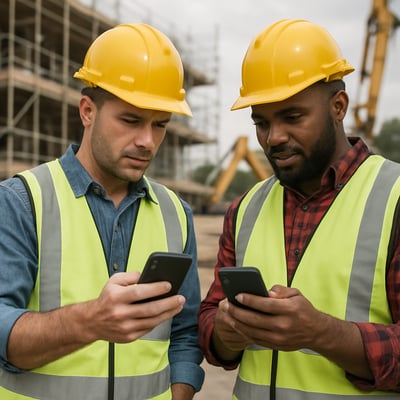
For the deskless employee, a mobile device is not a luxury but a primary channel for communication and information access. In environments where desks, laptops, and corporate email are not readily available during work hours, communication must occur where employees naturally are: on their personal mobile phones. A mobile-first communication platform ensures that employees can effortlessly access vital company news, schedules, policy updates, benefits information, recognition programs, and essential resources without the need to find a shared computer or wait until the end of a shift.
This accessibility is paramount as it significantly reduces friction in information dissemination. In communication, friction is often the primary obstacle to messages being read and understood. Mobile-first tools empower HR teams to:
- Deliver Real-Time Updates: Disseminate urgent alerts, schedule changes, and important announcements instantaneously to all relevant employees.
- Enhance Information Accessibility: Provide a centralized, easily searchable repository for company policies, training materials, and benefit information, accessible anytime, anywhere.
- Foster a Sense of Inclusion: Ensure that all employees, regardless of their role or location, receive the same critical information, promoting a feeling of being part of the larger organizational community.
- Streamline Feedback Collection: Facilitate quick and easy ways for employees to provide feedback, ask questions, and report issues directly through their mobile devices.
The key to success lies in designing communication content specifically for mobile consumption from the outset, rather than attempting to adapt desktop content to a smaller screen. This involves prioritizing concise messaging, intuitive navigation, and visually engaging formats.
2. Empower Managers as Communication Champions
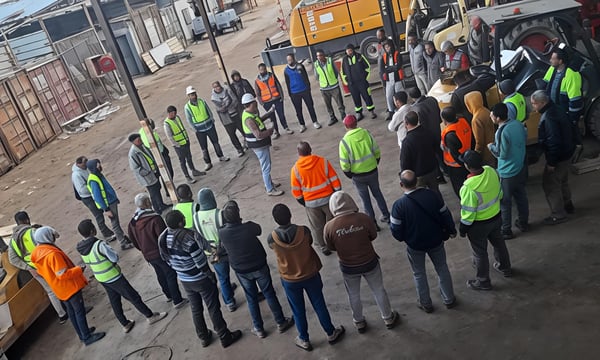
For deskless employees, their direct managers often represent the most trusted and influential source of information. Consequently, even the most sophisticated communication strategy can falter if managers are not adequately equipped to convey messages clearly and consistently. Conversely, when managers are proficient communicators, they can transform company updates into meaningful conversations that employees comprehend and retain.
HR leaders should view managers not merely as conduits for information but as active champions of communication. This involves providing them with the necessary training and resources to effectively disseminate messages. Training should encompass:
- Active Listening Skills: Equipping managers to genuinely hear and understand employee concerns and feedback.
- Clear and Concise Messaging: Providing managers with talking points and scripts to ensure consistent delivery of key information.
- Feedback Interpretation: Training managers on how to interpret and escalate employee feedback to relevant departments.
- Recognizing and Rewarding: Empowering managers to acknowledge and celebrate the achievements of their team members.
Regularly scheduled briefings, talking points, or short training sessions can significantly help managers stay aligned with corporate messaging. Inconsistent communication across different locations or shifts is quickly noticed by employees, often leading to confusion and distrust.
3. Leverage Digital Signage and Physical Displays
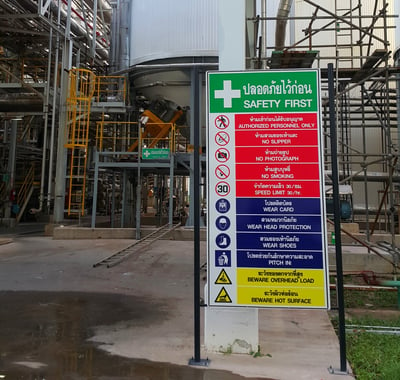
While digital platforms are crucial, traditional methods of communication still hold significant value, especially for employees who may have limited access to personal devices or whose work environments restrict phone usage. Digital signage and physical displays in common areas – such as break rooms, locker rooms, time-clock stations, and production areas – serve as vital reinforcement points for important updates.
These "second space" communication channels meet employees in areas where they naturally congregate. Bulletin boards, posters, and printed summaries can effectively convey essential information, particularly in environments where phone use is impractical or prohibited for safety reasons. These spaces are ideal for highlighting:
- Key Company Announcements: Major organizational news, policy changes, or upcoming events.
- Safety and Compliance Information: Crucial safety protocols, emergency procedures, and compliance guidelines.
- Performance Metrics and Goals: Progress towards team or company-wide objectives.
- Employee Spotlights and Recognition: Celebrating individual and team achievements.
- Benefits and HR Updates: Information on health benefits, retirement plans, and HR-related services.
The content displayed should be easily scannable and quick to grasp, prioritizing clear headlines, compelling visuals, and concise messages over lengthy text blocks.
4. Prioritize Short-Form, Visual Content
Deskless employees often operate under time constraints and with limited attention spans, making long-form communication less effective. Messages that require extended periods of uninterrupted focus may not resonate with frontline workers. Therefore, adopting a strategy of short-form, visual content is paramount.
This approach can encompass:
- Infographics: Visually appealing representations of data, processes, or key information.
- Short Videos: Concise, engaging video clips explaining new procedures, company initiatives, or employee testimonials.
- Quick Tip Sheets: Easily digestible guides for new processes or product information.
- Image-Based Posts: Utilizing impactful imagery with minimal accompanying text to convey a message.
- Polls and Quizzes: Interactive content that is quick to complete and provides immediate feedback.
The objective is to achieve clarity without oversimplification. Employees need sufficient information to understand and act upon a message, but not so much that the core point becomes lost. A good rule of thumb is to continuously strive for conciseness, clarity, and visual appeal in all communication materials.
5. Cultivate Two-Way Communication Channels
Effective communication cannot be a one-way broadcast. If deskless employees primarily hear from the company only during policy changes or urgent announcements, the connection will feel transactional and impersonal. Employees need avenues to respond, ask questions, and share their insights and ideas. Establishing robust two-way communication channels builds trust by demonstrating that the organization is actively listening, not just disseminating information.

HR teams can foster these feedback loops through:
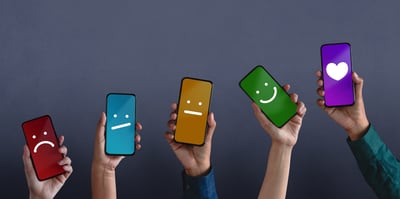
- Dedicated Feedback Platforms: Utilizing mobile apps or internal portals where employees can submit questions, suggestions, and concerns.
- Regular Q&A Sessions: Conducting scheduled question-and-answer sessions, either in-person or virtually, where employees can directly engage with leadership.
- Pulse Surveys: Deploying short, frequent surveys to gauge employee sentiment and gather feedback on specific topics.
- Suggestion Boxes (Physical and Digital): Providing accessible channels for employees to share ideas anonymously or directly.
- Manager Check-ins: Encouraging managers to dedicate time during one-on-one meetings to solicit and address employee feedback.
The format of feedback collection is less critical than the organization’s commitment to acting upon it. Ignoring employee input can quickly erode trust and teach employees that their opinions are not valued. Closing the loop by communicating what was heard, what actions are being taken, and what the outcomes will be is essential for building credibility. Even when a request cannot be immediately fulfilled, transparency about the decision-making process fosters understanding and reinforces trust.
6. Implement Frequent Recognition and Rewards
Recognition is one of the most straightforward yet impactful methods for building connection with deskless employees, and it is also one of the most easily overlooked. Frontline workers are often engaged in fast-paced environments, solving problems in real-time and performing essential tasks that keep the business operational. When this dedication goes unnoticed, disengagement can swiftly follow. Conversely, consistent recognition makes employees feel valued, connected, and more motivated to remain with the organization.
Effective recognition programs are typically:
- Timely: Acknowledging contributions as close to the event as possible.
- Specific: Clearly articulating what behavior or achievement is being recognized.
- Sincere: Conveying genuine appreciation and authenticity.
- Frequent: Integrating recognition into the regular workflow, not just as an annual event.
- Visible: Ensuring that recognition is seen by peers and leadership, reinforcing positive behaviors.
For deskless workforces, robust recognition programs often include:
- Peer-to-Peer Recognition: Empowering employees to recognize each other’s contributions, fostering a supportive team environment.
- Spot Bonuses or Small Monetary Rewards: Providing tangible acknowledgment for exceptional performance.
- Public Shout-outs: Highlighting achievements in team meetings, company newsletters, or digital platforms.
- Tangible Gifts or Experiences: Offering rewards that align with employee interests and preferences.
Accessibility remains a critical factor. If recognition is confined to desktop systems or reserved for corporate events, many deskless employees will be excluded. An inclusive and immediate recognition experience enhances its perceived value and meaning.
7. Invest in Comprehensive Onboarding and Training
The initial period of employment, particularly the first six months, can significantly shape the employee experience for deskless workers. Inconsistent, confusing, or paperwork-heavy onboarding processes can prevent new hires from fully engaging with the organization and their roles. In industries with high turnover rates, this oversight represents a substantial financial and operational cost.
Early experiences set the foundation for whether new employees feel confident, supported, and inclined to stay. Effective onboarding for deskless workers should ensure they quickly understand:
- Their Role and Responsibilities: A clear understanding of their duties and how they contribute to the team and company goals.
- Company Culture and Values: An introduction to the organizational ethos and expected behaviors.
- Key Resources and Support Systems: Awareness of where to find information and who to turn to for help.
- Team Dynamics and Colleagues: Facilitating introductions and integration into the existing team structure.
- Performance Expectations: Clear guidelines on what constitutes success in their role.
Onboarding should not conclude after the first week. Ongoing training and development are equally vital, particularly when delivered in formats conducive to frontline work. Micro-learning modules, short instructional videos, and mobile-friendly training content make it easier for employees to acquire new skills without requiring prolonged absences from their duties. This investment also sends a powerful message: opportunities for growth and development are not exclusive to office-based employees.
8. Measure, Learn, and Continuously Improve
To genuinely enhance communication and engagement for deskless employees, measurement must be an integral component of the strategy. This involves looking beyond the mere dissemination of messages and focusing on whether those messages are being seen, understood, and acted upon. The right metrics can provide HR teams with invaluable insights into what strategies are effective, where communication gaps exist, and how communication initiatives are influencing key business outcomes.
Key metrics to consider include:
- Message Readership and Engagement Rates: Tracking how many employees are accessing and interacting with communications delivered through various channels.
- Survey Participation and Feedback Volume: Monitoring the level of employee involvement in surveys and the quantity of feedback received.
- Employee Retention Rates: Analyzing turnover data, particularly for frontline roles, to assess the impact of engagement strategies.
- Productivity and Performance Metrics: Correlating communication initiatives with improvements in key performance indicators relevant to deskless roles.
- Customer Satisfaction Scores: Evaluating the impact of frontline engagement on customer experience and loyalty.
Regular measurement allows for the refinement of communication approaches over time and helps build a compelling business case for continued investment. It ensures that communication strategies evolve with the workforce, rather than remaining static and based on outdated assumptions. A frontline communication strategy that relies solely on guesswork is likely to fall behind the dynamic needs of the workforce.
Building a Connected Frontline Workforce
Effectively connecting with deskless employees requires more than good intentions; it demands the right tools, established habits, and a strategic framework designed around the operational realities of frontline work. Organizations that prioritize the engagement of their deskless workforce are not only fostering a more positive and inclusive work environment but are also driving tangible business results. By implementing these strategic pillars, businesses can bridge the critical gap between corporate messaging and the employees who are the lifeblood of their operations, ultimately cultivating a more connected, productive, and resilient organization.