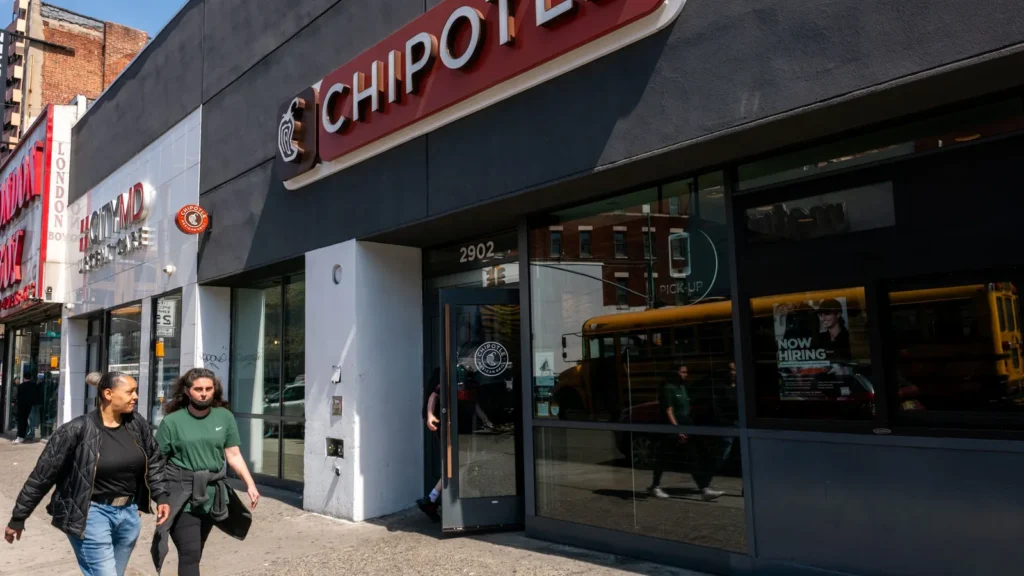
Chipotle Mexican Grill is significantly expanding its internal apprentice program, strategically positioning high-performing employees for critical general manager roles to support the rapid rollout of new restaurant locations and reinforce the company’s commitment to operational consistency. This initiative, a cornerstone of the fast-casual giant’s "Recipe for Growth" strategy, aims to cultivate a robust leadership bench capable of delivering superior guest experiences and driving sustainable expansion across its burgeoning footprint. The company’s proactive approach to talent development comes as the quick-service restaurant (QSR) industry continues to navigate a dynamic labor market, underscoring the strategic imperative of internal talent cultivation. Published on September 16, 2026, this development highlights Chipotle’s long-term vision for human capital as a key competitive advantage.
A Strategic Investment in Human Capital
Chipotle’s decision to deepen its investment in the apprentice program is a direct response to its ambitious growth targets and the recognition that its "people are its greatest competitive advantage," a sentiment articulated by CEO Scott Boatwright during an August earnings call. This philosophy posits that investing in team members directly translates into enhanced guest experiences and, subsequently, sustained financial growth. The program identifies top-tier crew members who demonstrate leadership potential, operational acumen, and a deep understanding of Chipotle’s culture and standards. These individuals are then provided with specialized training, mentorship, and progressively increasing responsibilities, meticulously preparing them to assume the demanding mantle of general manager.
General managers are pivotal to the success of any restaurant chain, overseeing all facets of operations from financial performance and inventory management to staff development and customer satisfaction. The apprentice program is meticulously designed to equip future GMs with the comprehensive skill set required to navigate these complexities, ensuring a seamless transition into leadership. By preparing a cadre of internal candidates, Chipotle aims to minimize external hiring for these crucial roles, thereby fostering a stronger internal culture, reducing onboarding times, and ensuring a consistent adherence to its brand ethos and operational standards. This internal development pathway not only offers a clear career trajectory for dedicated employees but also solidifies Chipotle’s reputation as an employer that values growth and advancement.
The "Recipe for Growth": A Holistic Strategy for Expansion
The expanded apprentice program is not an isolated initiative but an integral component of Chipotle’s broader "Recipe for Growth" strategy, which encompasses several key pillars designed to propel the company into its next phase of expansion and profitability. This multi-faceted strategy, initially outlined in late 2025, includes strengthening the core menu with a focus on fresh, high-quality ingredients, refining brand messaging to resonate with a diverse customer base, innovating through new menu items, modernizing its business model with cutting-edge technology, and significantly expanding its global reach.
Within this comprehensive strategic framework, the apprentice program plays a crucial, foundational role in operationalizing these goals. Strong, consistent leadership at the restaurant level is essential for:
- Strengthening the core menu: Apprentices are rigorously trained in ensuring consistent food preparation, stringent quality control, and maintaining the integrity of ingredients. Their development ensures that the foundational product remains exceptional.
- Improving brand messaging: Leaders who embody the brand’s values are instrumental in translating corporate messaging into tangible, positive guest experiences, thereby fostering customer loyalty and beneficial word-of-mouth.
- Menu innovations: The successful implementation and integration of new menu items across hundreds or thousands of locations demand knowledgeable and adaptive managers. Apprentices are at the forefront of this, learning to introduce and manage new offerings seamlessly.
- Modernizing with technology: With the increasing reliance on digital ordering platforms, mobile applications, and advanced in-restaurant technology (such as the digital makeline), skilled managers are vital. Apprentices are specifically trained to leverage these tools to enhance operational efficiency, order accuracy, and overall customer service.
- Expanding global reach: As Chipotle aggressively opens more restaurants, both domestically and in international markets, a readily available and highly capable pipeline of experienced general managers is critical for maintaining operational consistency and brand integrity across diverse cultural and regulatory landscapes.
This integrated approach underscores Chipotle’s understanding that sustained growth is not merely about increasing the number of physical locations, but fundamentally about ensuring each new restaurant is led by capable, well-trained individuals who can consistently uphold the company’s high standards and strategic vision.
Operational Benefits and Measurable Economic Impact
The tangible benefits of the apprentice program extend directly to daily restaurant operations and, consequently, to the company’s bottom line. Chipotle has observed that stores deploying apprentices consistently achieve higher operational scores. These scores are a crucial internal metric, reflecting efficiency, stringent food safety compliance, superior customer service quality, and overall restaurant performance. Higher operational scores translate into several significant economic advantages:
- Improved Guest Experience: Well-trained apprentices contribute directly to a smoother, faster, and more accurate service flow, leading to higher customer satisfaction, increased repeat business, and stronger brand loyalty. This is particularly vital in effectively managing both traditional in-restaurant dining and the rapidly expanding digital order occasions.
- Enhanced Digital Execution: Apprentices often take dedicated ownership of key areas such as the digital makeline, ensuring that online and mobile app orders are prepared accurately, efficiently, and to Chipotle’s exacting standards. This specialization is critical for capitalizing on the digital sales channel, which has become a significant and growing revenue driver for the QSR sector.
- Effective Distribution of Responsibilities: By capably taking on leadership duties, apprentices empower existing general managers to delegate responsibilities more effectively, thereby reducing managerial burnout and freeing up GMs to focus on higher-level strategic initiatives, complex problem-solving, and deeper team development. This shared leadership model enhances overall team productivity and operational resilience.
- Stronger Team Culture and Retention: The presence of apprentices, who are typically promoted from within the existing crew, serves as a powerful source of inspiration and motivation for other team members by demonstrating a clear, achievable path for career advancement. This can significantly boost morale, reduce turnover among hourly staff, and cultivate a more engaged, loyal, and stable workforce.
- Long-term Restaurant Economics: Over time, the cumulative effect of improved operational scores, higher customer satisfaction, reduced waste, and optimized labor costs contributes directly to better restaurant economics, including increased sales volume and enhanced profitability.
This strategic investment in human capital is already yielding demonstrable positive results. CEO Scott Boatwright noted during the Q2 2026 earnings call in August that turnover for general managers is currently at a multi-year low, while crew member turnover has successfully returned to pre-pandemic, normal levels. This unprecedented stability in both leadership and frontline staff is a significant achievement in an industry notoriously plagued by high churn rates. The company firmly believes it has become "one of the industry’s best developers of restaurant operators," a capability that is "critical to delivering consistent execution today, while supporting our long-term growth."

The financial implications of this robust talent pipeline are evident in Chipotle’s recent performance. The company reported a 2.2% increase in same-store sales during Q2 2026, marking its highest comparable sales growth since Q4 2024. This positive momentum is directly supported by the operational excellence driven by strong, stable leadership teams, including those developed through the apprentice program. As Chipotle continues its aggressive expansion plans – targeting an eventual 7,000 restaurants in North America – a steady supply of highly capable general managers will be indispensable for maintaining this impressive trajectory.
A Deeper Look at the Apprentice Role and Curriculum
The role of an apprentice at Chipotle is multi-faceted, rigorous, and demanding, specifically designed to provide a holistic and comprehensive understanding of restaurant management from the ground up. These high-performing employees are immersed in responsibilities that extend significantly beyond typical crew duties, focusing intensely on developing the critical competencies and leadership qualities required of a general manager. Key areas of focus and training for apprentices typically include:
- Operational Oversight: Apprentices learn the intricate details of daily restaurant operations, including meticulous opening and closing procedures, adherence to stringent food preparation standards, efficient inventory management, and ensuring complete compliance with all health and safety regulations.
- Team Development and Training: Apprentices actively participate in the onboarding and ongoing training of new crew members, fostering a positive, productive, and inclusive work environment, and contributing directly to broader team development initiatives. This often includes taking dedicated ownership of specific training programs for various workstations.
- Guest Experience Management: Mastering the art of hospitality is paramount. Apprentices are trained in effectively handling customer feedback and complaints, proactively resolving issues, and ensuring that every guest interaction consistently reflects Chipotle’s core brand values and commitment to service excellence. This focus is critical for delivering consistent guest experiences across both traditional dine-in and digital order fulfillment.
- Performance Monitoring and Business Acumen: Apprentices gain a deep understanding of key performance indicators (KPIs) and learn how to directly influence them through their daily actions and leadership. This includes metrics related to speed of service, order accuracy, food cost management, and labor efficiency. They are taught to analyze these metrics to drive continuous improvement.
- Digital Integration and Technology Proficiency: A significant component of the training involves specializing in the management of digital ordering platforms and the cutting-edge digital makeline, ensuring seamless and accurate execution of online orders, which now represent a substantial and growing segment of Chipotle’s business. This focus is critical for maintaining high efficiency and accuracy, especially during peak hours.
- Leadership and Culture Building: Apprentices serve as vital role models for other crew members, actively reinforcing Chipotle’s unique culture, and contributing to a strong, cohesive team dynamic. They provide crucial additional leadership coverage, particularly during busy periods and weekends, ensuring smooth and uninterrupted operations.
By progressively taking ownership of these key areas, apprentices empower existing General Managers to delegate responsibilities more effectively, thereby enhancing overall restaurant efficiency and leadership capacity. This structured, hands-on approach to development ensures that when an apprentice ultimately steps into a GM role, they possess not just theoretical knowledge but extensive practical, real-world experience across the entire spectrum of restaurant management.
Industry Context: The QSR Labor Landscape and the Power of Internal Mobility
The quick-service restaurant industry has long grappled with significant and persistent labor challenges, including notoriously high turnover rates, difficulties in attracting and retaining skilled talent, and ever-increasing labor costs. Historically, hourly employee turnover in the QSR sector has often exceeded 100% annually, with managerial turnover also posing a consistent and costly challenge. This highly competitive and volatile environment makes internal talent development programs like Chipotle’s apprentice initiative not just beneficial, but strategically imperative for long-term viability and growth.

Investing strategically in internal mobility and leadership development offers several critical advantages in this challenging landscape:
- Reduced Recruitment Costs: Hiring externally for managerial positions can be prohibitively expensive, involving significant recruitment fees, extensive background checks, and longer, more resource-intensive onboarding periods. Promoting from within significantly reduces these substantial expenses.
- Higher Retention Rates: Employees who clearly perceive a defined career path and tangible opportunities for advancement are demonstrably more likely to remain loyal to a company, significantly reducing overall turnover and preserving invaluable institutional knowledge.
- Stronger Cultural Alignment: Internal candidates are already deeply familiar with the company’s culture, core values, and established operational procedures, making them inherently more effective and culturally aligned leaders from day one.
- Enhanced Morale and Productivity: A visible culture of internal promotion fosters significantly higher employee morale, increased engagement, and improved productivity across all levels of the organization, creating a more motivated workforce.
Chipotle’s program stands as a notable and leading example within the industry, but it is not alone in recognizing the profound importance of nurturing internal talent. Other major brands are also strategically emphasizing leadership development to support their growth strategies and continuously enhance the guest experience. Dutch Bros, for instance, has successfully developed a robust pipeline of over 500 operator candidates ready to oversee its rapidly expanding network of coffee shops. Similarly, Burger King, which recently posted one of the highest comparable sales increases in Q2, proactively reworked its manager role during the summer to better support the guest experience, reflecting a broader industry trend toward empowering, professionalizing, and investing in restaurant leadership. These parallel initiatives across the QSR sector highlight a growing consensus among industry leaders that strategic investment in human capital is a critical differentiator for sustainable long-term success.
Timeline and Evolution of Chipotle’s Talent Strategy
Chipotle’s pronounced focus on talent development has evolved significantly over several years, becoming increasingly central to its strategic planning and operational execution. While specific dates for the apprentice program’s exact inception are not publicly detailed, its current expansion signifies a maturing and highly formalized approach to internal promotion and leadership development.
- Early 2020s: Following a period of operational challenges and brand perception issues, Chipotle initiated a concerted, multi-year effort to rebuild customer trust and rigorously re-emphasize operational excellence. This period saw renewed focus on comprehensive employee training and development, laying the essential groundwork for more formalized and structured career pathways.
- Late 2024 / Early 2025: As the ambitious "Recipe for Growth" strategy began to meticulously take shape, the critical need for a robust and scalable leadership pipeline became paramount. Strategic discussions around aggressive new store openings (targeting thousands more locations) underscored the absolute necessity of scalable, internal talent solutions.
- Q4 2024: This period marked the last time Chipotle reported higher comparable sales growth prior to Q2 2026, indicating a significant strategic inflection point where concerted internal improvements, including early talent development efforts, began to yield measurable and positive results. This success would have strongly reinforced the value and necessity of initiatives like the apprentice program.
- August 2026: CEO Scott Boatwright publicly highlights the tangible success of the company’s talent investment during the Q2 2026 earnings call, specifically noting the multi-year low in general manager turnover and the return to normalized crew turnover rates. He explicitly credits that "Chipotle has become one of the industry’s best developers of restaurant operators." This public endorsement likely coincided with the significant expansion and formalization of the apprentice program.
- September 16, 2026: The official announcement or detailed communication regarding the expanded deployment of apprentices is published, signaling the company’s intensified commitment to scaling this highly successful internal development model across its growing restaurant portfolio.
This detailed chronology illustrates a progressive and strategic build-up, where initial investments in training and culture gradually formalized into structured, high-impact programs like the apprenticeship, ultimately becoming a key enabler for Chipotle’s ambitious future growth and sustained operational excellence.
Broader Implications and Future Outlook
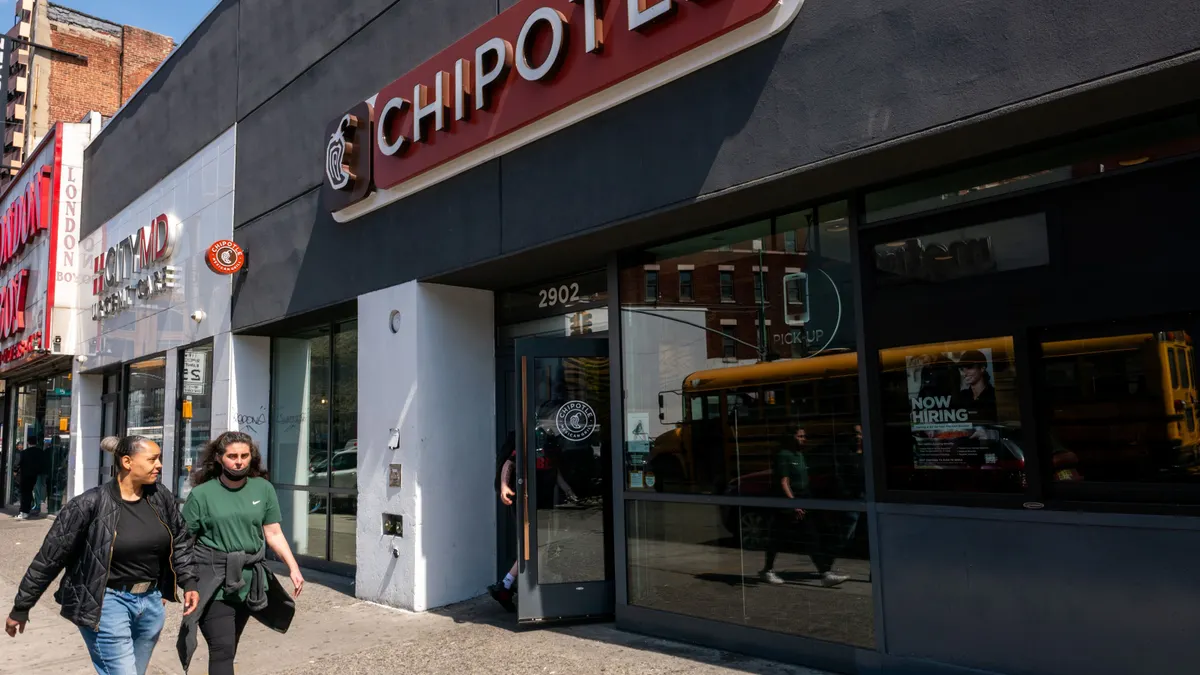
The significant expansion of Chipotle’s apprentice program carries profound implications, not only for the company itself but for the broader quick-service restaurant industry and the evolving future of career development within the expansive service sector.
For Chipotle:
- Accelerated and Confident Expansion: A consistent and reliable supply of highly trained general managers will enable Chipotle to open new restaurants more rapidly and with significantly greater confidence in their initial operational success, ensuring it meets its ambitious expansion targets efficiently.
- Sustained Operational Excellence: By embedding a robust culture of internal development and continuous, consistent training, Chipotle can better ensure that its high standards for food quality, speed of service, and unparalleled customer experience are rigorously maintained and consistently delivered across all its locations.