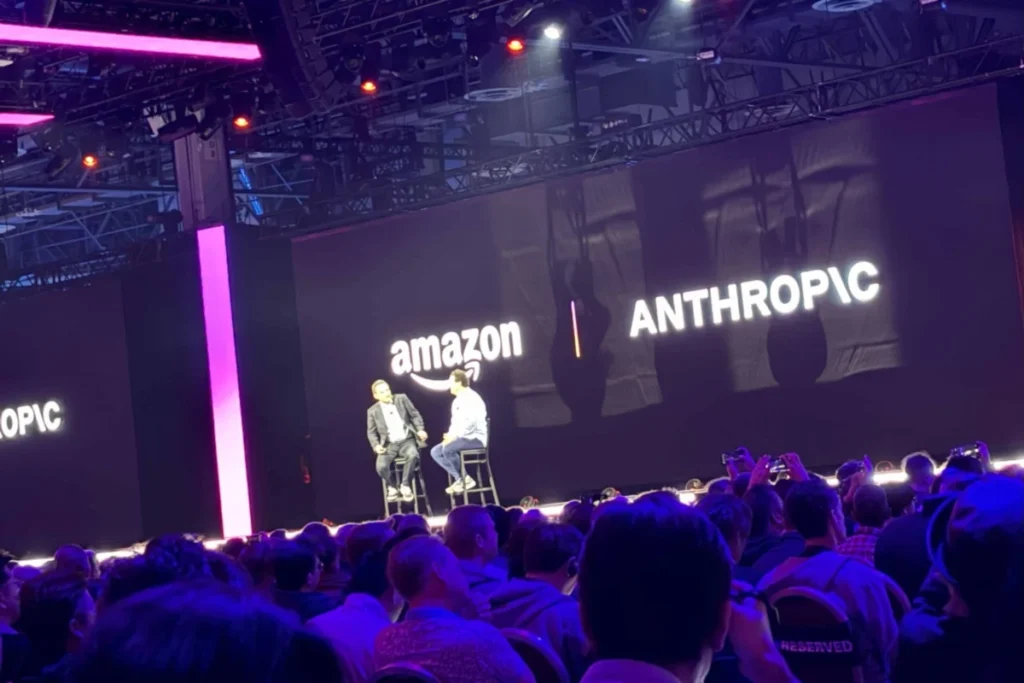
A significant federal directive, prompted by security concerns voiced by a prominent executive, has resulted in a worldwide cutoff of access to Anthropic’s most advanced artificial intelligence models, Claude Fable 5 and Mythos 5. The directive, which took effect rapidly, was reportedly initiated after Amazon CEO Andy Jassy communicated apprehensions to senior U.S. administration officials. The core of these concerns centered on the potential for malicious actors to exploit these powerful AI models for cyberattacks by extracting sensitive information through sophisticated prompting techniques.
The intervention, described as swift and decisive, saw White House officials convene rapidly. Security researchers were mobilized to assess the validity of the claims, and within a matter of days, President Trump issued an executive order implementing a global freeze on foreign government, corporate, and individual access to these cutting-edge AI systems. This unprecedented move underscores the growing national security considerations surrounding the rapid advancement and proliferation of artificial intelligence technologies.
The immediate consequence for Anthropic, a leading AI safety and research company, has been substantial. According to reporting by CNBC, the company stated that a significant portion of its research staff comprises foreign-born individuals. Consequently, the government directive effectively prevented these key personnel from continuing their work on the very models they were instrumental in developing. In strict adherence to the government’s order, Anthropic disabled access to both Fable 5 and Mythos 5 for all users across the globe. The execution of this directive involved multiple government agencies, including the Commerce Department, the National Cyber Director Sean Cairncross, and Commerce Secretary Howard Lutnick, highlighting the broad interagency cooperation required for such an impactful measure.
The Genesis of the Directive: A Security Threat Unveiled
Sources familiar with the matter, as reported by The Wall Street Journal, indicate that the U.S. administration had harbored long-standing questions regarding Anthropic’s capacity to adequately manage the inherent security risks posed by its sophisticated AI models. These doubts were reportedly amplified following a recent communication between administration officials and Anthropic CEO Dario Amodei. During this interaction, some participants on the call perceived that the company signaled a reluctance to collaborate with government cybersecurity experts, further solidifying the administration’s apprehension.
The directive’s wording, as detailed by Nextgov, suggests a broad application with no explicit "critical worker" exceptions. However, it is advisable for organizations and individuals to seek confirmation from legal counsel regarding the precise scope and potential interpretations of this provision. This ambiguity raises further questions about the practical implications for AI development and collaboration, particularly in a globalized research landscape.
A Rapid Escalation: Timeline of Events
The sequence of events leading to the global AI model freeze appears to have unfolded with remarkable speed:
- Initial Security Concerns: Amazon CEO Andy Jassy reportedly expresses concerns to senior U.S. administration officials, including Treasury Secretary Scott Bessent, regarding the potential misuse of Anthropic’s advanced AI models for cyberattack enablement.
- Interagency Consultation: White House officials convene to discuss the reported security risks.
- Security Assessment: Security researchers are tasked with evaluating the validity of the claims made about Anthropic’s models.
- Presidential Directive: Within days of the initial concerns being raised and assessments conducted, President Trump signs off on a global directive to freeze access to Anthropic’s Fable 5 and Mythos 5 models for foreign entities.
- Government Implementation: The Commerce Department, National Cyber Director Sean Cairncross, and Commerce Secretary Howard Lutnick are involved in executing the directive.
- Anthropic’s Compliance: Anthropic, citing the government order, disables access to Fable 5 and Mythos 5 for all users worldwide, impacting its own research staff, many of whom are foreign-born.
This compressed timeline underscores the perceived urgency and seriousness with which the U.S. government viewed the potential security implications of these AI models.
Broader Implications for AI Development and Governance
The incident raises critical questions about the governance of advanced AI technologies and the balance between innovation and national security. Hung Lee, founder of Recruiting Brainfood and a respected voice in the HR technology space, has closely observed Anthropic’s trajectory. In a LinkedIn post, Lee noted that Anthropic had built a reputation on responsible AI development. However, he posited that this credibility was significantly undermined when its most powerful model became a focal point of security concerns.
"The lines between what was unsafe vs. uncompetitive blurred," Lee stated, "with growing disquiet that a single company could appoint itself as gatekeeper of transformatory technology." This sentiment reflects a broader unease about the concentration of power in the development of AI and the potential for proprietary interests to influence the direction of technological advancement.
Furthermore, the ban highlights a significant governance challenge within organizations concerning the adoption of AI tools. When procurement or IT departments select cloud-dependent platforms for critical workflows, such as those impacting HR, without adequate input from HR leadership, it can lead to unforeseen operational disruptions. This situation underscores the necessity for a more integrated and collaborative approach to technology adoption, ensuring that the needs and insights of all relevant departments are considered.
Lee frames this dilemma as a strategic choice between "owning and renting" intelligence. "If you rent AI, you’re building your business on a house of sand," he explained. "If you own AI, which may be less capable at the frontier, you’re building at least on solid ground." This analogy speaks to the long-term strategic implications of relying on third-party, highly advanced AI models versus developing or adopting more controlled, potentially less cutting-edge, but more secure and governable AI solutions.
The AI Safety Debate Intensifies
The incident surrounding Anthropic’s advanced models is not an isolated event but rather a symptom of the escalating debate around AI safety and the potential for AI to be weaponized or misused. Leading AI companies have, at times, engaged in a competitive race to develop increasingly powerful models, leading to concerns that the pace of innovation might be outstripping the development of robust safety protocols and regulatory frameworks.
Prior to this directive, discussions around AI’s impact on the job market and the economy were also prominent. For instance, a separate report indicated that CEOs of major AI firms, including OpenAI and Anthropic, had previously voiced concerns about AI’s potential to displace jobs. However, as these companies approached potential Initial Public Offerings (IPOs), some of these warnings were reportedly moderated, fueling speculation about the influence of commercial interests on public discourse surrounding AI risks. The current directive suggests that for some stakeholders, the perceived risks, particularly those related to national security, remain paramount and can override commercial considerations.
The U.S. government’s action against Anthropic’s models signals a more assertive stance on managing AI-related security threats. It also raises questions about how other nations might respond and whether this will lead to a fragmentation of the global AI research landscape. As AI continues to evolve at an exponential rate, the challenge of balancing its immense potential benefits with its inherent risks will remain a critical and complex undertaking for policymakers, researchers, and industry leaders worldwide. The implications of this directive will likely resonate for years to come, shaping future regulatory approaches and the trajectory of AI development itself.