
The past week in human resources has been marked by significant legal settlements, contentious shareholder debates, and critical discussions surrounding workplace ethics and diversity, painting a complex picture of the challenges and evolving standards within corporate America. From multi-million dollar payouts stemming from employee misclassification and vaccine mandate disputes to a nuanced battle over diversity, equity, and inclusion (DEI) initiatives, the HR sector is navigating an increasingly intricate regulatory and social environment. This comprehensive review highlights the key figures and developments shaping the modern workforce, including an important milestone in women’s representation on corporate boards within the Russell 3000 companies.
Significant Settlements Highlight Compliance Imperatives
Two major legal settlements announced this past week underscore the critical importance of strict adherence to labor laws and anti-discrimination statutes, with companies facing substantial financial penalties for non-compliance. These cases serve as stark reminders for organizations to regularly review their employment practices, especially concerning worker classification and health-related mandates.
A.G. Equipment Co. Faces $4.25 Million Penalty Over Vaccine Mandate Firings
A.G. Equipment Co., a prominent compressor packaging manufacturer, has agreed to a substantial $4.25 million settlement to resolve charges brought by the U.S. Equal Employment Opportunity Commission (EEOC). The charges alleged that the company violated Title VII of the Civil Rights Act of 1964 by terminating all employees who failed to provide proof of COVID-19 vaccination in October 2021. This settlement marks a significant moment in the ongoing legal aftermath of corporate responses to the COVID-19 pandemic and mandatory vaccination policies.
Background and Chronology:
The controversy at A.G. Equipment Co. dates back to the height of the COVID-19 pandemic when many employers, facing public health directives and a desire to protect their workforce, implemented mandatory vaccination policies. In October 2021, a period characterized by intense debate over vaccine efficacy and individual liberties, A.G. Equipment Co. reportedly enforced a strict "no jab, no job" policy, leading to the dismissal of employees who could not or would not comply. Title VII of the Civil Rights Act of 1964 prohibits employment discrimination based on religion and national origin, and it requires employers to reasonably accommodate employees’ sincerely held religious beliefs unless doing so would impose an undue hardship on the employer. The EEOC’s investigation likely focused on whether the company adequately considered and provided reasonable accommodations for religious or medical exemptions before proceeding with terminations.
Implications for Employers:
This $4.25 million settlement sends a clear message to employers about the legal risks associated with blanket vaccination mandates, particularly when they fail to provide legally required accommodations. While employers generally have the right to set workplace health and safety standards, this right is tempered by federal anti-discrimination laws. The EEOC has consistently issued guidance emphasizing that employers must engage in an "interactive process" to determine if a reasonable accommodation can be provided for employees with sincerely held religious beliefs or medical conditions that prevent vaccination. Failure to do so can result in costly litigation and significant financial penalties, as demonstrated by the A.G. Equipment Co. case. This ruling will likely reinforce the need for comprehensive and legally sound accommodation policies in any future public health crises requiring workplace health measures.
Home Care Provider Settles for $3 Million in Employee Misclassification Case
In another notable legal development, a home care company has agreed to pay $3 million to settle allegations that it intentionally misclassified its employees as independent contractors. This practice, often employed to circumvent obligations such as overtime pay, benefits, and payroll taxes, has been a growing focus for labor regulators nationwide. The settlement underscores the continued scrutiny of worker classification models, particularly within industries reliant on flexible labor.
Background and Regulatory Focus:
The distinction between an "employee" and an "independent contractor" is a critical legal determination with profound implications for both workers and businesses. Employees are entitled to minimum wage, overtime pay, workers’ compensation, unemployment insurance, and often employer-sponsored benefits. Independent contractors, conversely, are typically responsible for their own taxes and do not receive these protections. Companies frequently misclassify workers to reduce labor costs, inadvertently or intentionally. This particular settlement highlights the vulnerability of the home care sector, an industry characterized by a high degree of flexibility and often involving workers who operate with significant autonomy, making the classification lines blurrier. However, regulatory bodies like the Department of Labor (DOL) and state labor departments utilize various tests (e.g., the economic reality test) to determine the true nature of the employment relationship, focusing on factors like the degree of control the company exerts over the worker and the worker’s opportunity for profit or loss.
Impact on Workers and the Broader Economy:
The misclassification of employees as independent contractors can have severe consequences for workers, depriving them of earned wages, benefits, and essential protections. For the broader economy, it can lead to unfair competition among businesses and a significant loss of tax revenue for governments. This $3 million settlement serves as a strong deterrent for other companies considering or currently engaging in similar practices. It also signals a continued commitment from regulatory bodies to aggressively pursue cases of worker misclassification, ensuring that employees receive the full protections and compensation they are legally entitled to. Worker advocacy groups have long championed stronger enforcement in this area, arguing that misclassification disproportionately affects vulnerable populations and perpetuates precarious work conditions.
Corporate Governance and Social Policy Under Scrutiny
Beyond legal settlements, the corporate world is grappling with evolving expectations regarding social responsibility, diversity, and ethical conduct. Recent events underscore the tension between differing stakeholder priorities and the complex balancing act companies must perform.
Target’s Leadership Challenged Over DEI Strategy Shift
The prominent retail giant, Target, is facing a significant challenge to its leadership, with three institutional investors publicly urging shareholders to vote against the re-election of its current board at the upcoming annual shareholder meeting. The crux of their discontent stems from what they describe as "strategic missteps" concerning the company’s diversity, equity, and inclusion (DEI) initiatives, including the cessation of some programs. This move highlights the growing politicization of corporate social responsibility and the divergent pressures companies face from their investor base.
The Evolving Landscape of DEI:
In recent years, DEI initiatives have become a cornerstone of corporate strategy for many companies, driven by research demonstrating the business benefits of diverse workforces and boards, as well as increasing societal expectations. However, the corporate commitment to DEI has not been without its critics. Some investor groups and political factions have begun to push back, arguing that certain DEI programs are divisive, inefficient, or deviate from core business objectives. Target, like many other large corporations, has been a vocal proponent of DEI, but recent adjustments to its strategy – reportedly in response to public backlash and financial performance concerns – have drawn criticism from both sides of the spectrum. The investors now challenging Target’s leadership appear to represent a segment concerned that the company’s adjustments to its DEI strategy were either poorly executed or indicated a wavering commitment, potentially impacting brand loyalty and long-term value.

Shareholder Activism and Corporate Direction:
This particular instance of shareholder activism at Target underscores the increasing influence of investors on corporate social and governance policies. While financial performance remains paramount, environmental, social, and governance (ESG) factors are playing an ever-larger role in investment decisions. The decision by these investors to actively campaign against the re-election of leadership indicates a serious concern that Target’s current board has not effectively navigated these complex social issues, potentially eroding stakeholder trust and long-term value. The outcome of the shareholder vote will be closely watched, as it could set a precedent for how other companies manage the delicate balance between social responsibility, financial performance, and varied investor expectations in a highly polarized environment. It also raises questions about the durability of corporate DEI commitments when faced with sustained external pressure.
The Ethical Dilemma: Nurses’ Strike and Workplace Pressures
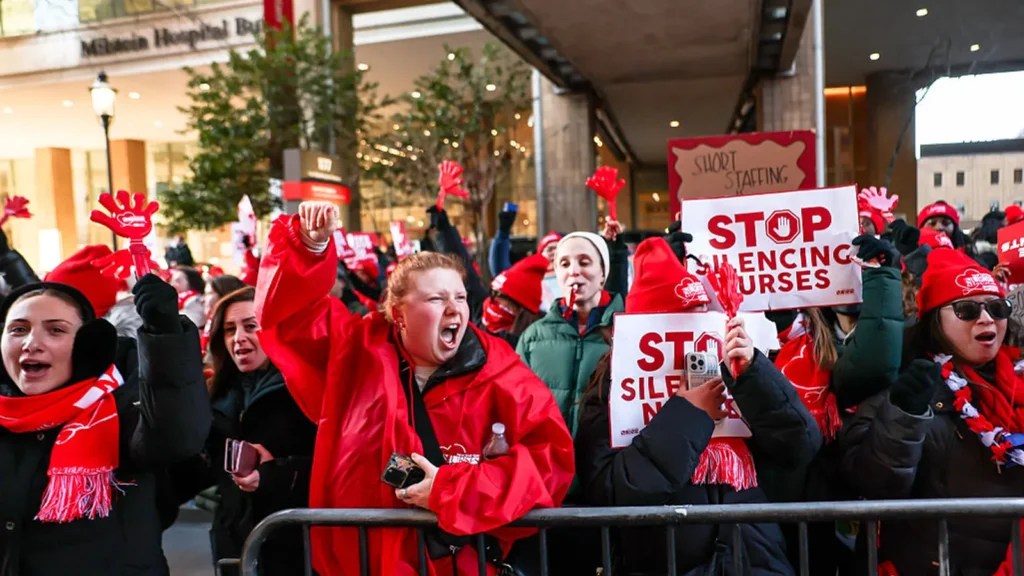
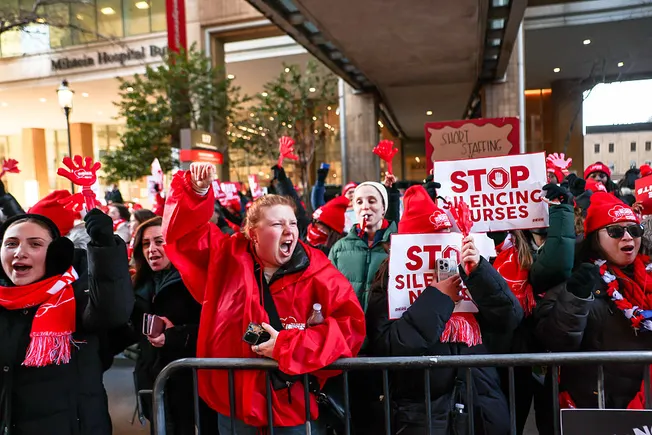
In New York City, a significant nurses’ strike on January 12, 2026, served as a stark reminder of the intense pressures facing frontline healthcare workers and the broader implications for workplace ethics. Chanting "Stop silencing nurses" and holding protest signs, these professionals voiced deep-seated grievances that extend beyond mere wage disputes to encompass fundamental concerns about patient safety and the ethical climate within their institutions. This labor action resonates with a recent study finding that a staggering 21% of employees surveyed felt pressured to compromise their ethics at work, pointing to a pervasive issue across various industries.
Healthcare’s Ethical Quandary:
The healthcare sector has been under immense strain, exacerbated by the pandemic, leading to chronic staffing shortages, burnout, and a decline in morale. For nurses, these conditions often translate into unmanageable patient loads, inadequate resources, and an inability to provide the standard of care they are ethically bound to deliver. When nurses strike, their actions are often a last resort, driven by a profound sense of ethical responsibility to their patients and a belief that current working conditions compromise that responsibility. Their demands typically revolve around better staffing ratios, improved working conditions, and fair compensation, all of which directly impact their ability to practice ethically and safely.
Broader Implications of Ethical Pressure:
The 21% statistic of employees feeling pressured to compromise their ethics is particularly troubling. This pressure can manifest in various ways, from cutting corners on quality, ignoring safety protocols, misrepresenting data, or engaging in deceptive practices. A workplace culture that fosters such pressure can lead to severe consequences: reduced employee morale, increased turnover, reputational damage, and, in critical sectors like healthcare, direct harm to consumers or clients. Organizations with robust ethical frameworks, clear reporting mechanisms, and a culture that encourages speaking up are better positioned to mitigate these risks. The nurses’ strike in New York City, therefore, serves as a poignant example of how systemic issues, when left unaddressed, can lead to a breakdown in ethical practice and ultimately, a breakdown in trust between employees, employers, and the public. It underscores the vital role HR plays in fostering an ethical environment where employees feel empowered to uphold their professional standards without fear of retribution.
Advancing Diversity: Women’s Representation on Corporate Boards Reaches New High
Amidst the week’s discussions of corporate governance and social issues, a notable positive trend emerged concerning diversity in leadership. New data reveals that women now hold approximately 30% of all corporate board seats within Russell 3000 companies. This milestone represents significant progress in the decades-long push for gender parity in boardrooms, reflecting sustained efforts by advocacy groups, investors, and forward-thinking corporations.
Historical Context and Drivers of Change:
Historically, corporate boards have been overwhelmingly male-dominated, a reflection of broader societal inequalities and traditional career paths. However, in recent decades, a concerted global movement has advocated for greater gender diversity, driven by both ethical considerations and compelling business cases. Studies have consistently shown that diverse boards, including those with greater gender representation, are often linked to improved financial performance, better decision-making, enhanced innovation, and stronger corporate governance. Initiatives such as the 30% Club, which campaigns for 30% women on boards, and regulatory pushes, including board diversity mandates in some U.S. states and European countries, have been instrumental in driving this change. Investor pressure, particularly from large institutional investors incorporating ESG criteria into their portfolios, has also played a crucial role, signaling that diversity is not just a "nice-to-have" but a material business issue.

The Significance of the 30% Milestone:
Reaching 30% representation for women on Russell 3000 boards is a critical psychological and practical milestone. It suggests that women are moving beyond token representation and are beginning to achieve a critical mass where their collective voice and perspectives can more effectively influence board discussions and decisions. While this achievement is commendable, it also highlights the ongoing work required. True gender parity (50%) remains distant, and challenges persist in ensuring diversity beyond gender, encompassing race, ethnicity, and other underrepresented groups. Furthermore, the focus is increasingly shifting from mere numerical representation to meaningful inclusion, ensuring that women board members are not just present but are actively engaged and empowered to contribute fully. The continued monitoring of these numbers and the implementation of strategies to further enhance diversity remain essential for fostering truly equitable and effective corporate leadership.
Broader Implications for the HR Landscape
The past week’s developments collectively paint a picture of an HR landscape in constant flux, shaped by legal precedents, evolving societal expectations, and the fundamental imperative of ethical conduct. For HR professionals, these trends underscore several key responsibilities.
Firstly, the significant financial penalties in the A.G. Equipment Co. and home care company settlements reinforce the critical need for robust compliance frameworks. HR departments must ensure that policies related to employee classification, reasonable accommodations for health mandates, and anti-discrimination laws are not only in place but are also regularly reviewed, updated, and communicated effectively to all employees and managers. The cost of non-compliance, both financial and reputational, is demonstrably high.
Secondly, the Target shareholder debate and the nurses’ strike highlight the increasing complexity of navigating corporate social responsibility and workplace ethics. HR is at the forefront of crafting and implementing DEI strategies that are both effective and resilient to external pressures. Similarly, fostering a culture where employees feel empowered to raise ethical concerns without fear of retaliation is paramount for maintaining trust, morale, and ultimately, business integrity. This requires clear channels for feedback, strong ethical leadership, and a commitment to addressing systemic issues that contribute to ethical compromises.
Finally, the progress in women’s board representation, while encouraging, serves as a reminder that diversity and inclusion efforts are ongoing journeys. HR plays a vital role in developing talent pipelines, promoting equitable advancement opportunities, and advocating for inclusive practices at all levels of an organization, from entry-level positions to the executive suite and boardroom.
In conclusion, the events of the past week underscore that human resources is no longer just about managing personnel; it is about strategically guiding organizations through a complex web of legal, ethical, and social challenges. The ability of companies to adapt, comply, and lead with integrity in these areas will define their success and sustainability in the years to come.






