
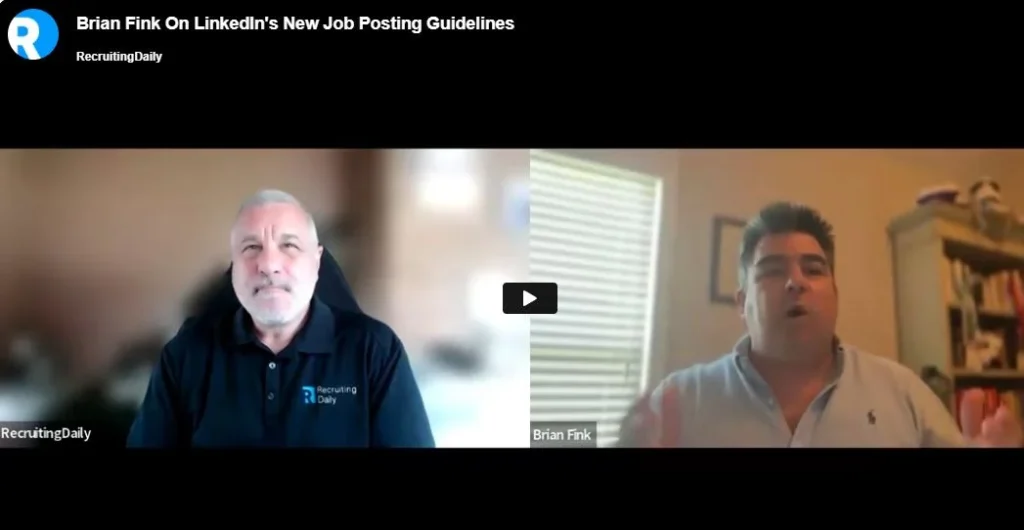
LinkedIn’s updated guidelines for third-party job postings, set to take effect in August 2024, are prompting significant discussion within the recruitment industry, particularly among agencies that rely on the platform’s extensive reach. While LinkedIn frames these changes as a move towards greater authenticity, transparency, and user protection, many industry observers view them as a strategic maneuver to further monetize the relationship between Applicant Tracking Systems (ATSs) and the XML feeds from thousands of recruiting agencies. These agencies have historically leveraged "free" postings to connect with active job seekers, and the new requirements introduce stricter visibility rules for third-party job listings, with non-compliance carrying the severe penalty of removal.
The Impetus Behind the Policy Shift
The professional networking giant asserts that the revisions are designed to combat the proliferation of low-quality, fraudulent, or duplicate job postings that can degrade the user experience. In an era where job seekers frequently encounter scam listings, outdated positions, or advertisements lacking crucial details, LinkedIn’s stated objective to enhance job post integrity resonates with a common pain point. By mandating higher standards for genuineness, completeness, and non-duplication, the platform aims to create a cleaner, more trustworthy environment for its hundreds of millions of global members. These audits are intended to ensure adherence to new stipulations, safeguarding the network’s reputation and the efficacy of its job-matching capabilities.
However, beneath this veneer of user protection lies a palpable concern that these changes are also a calculated business decision. LinkedIn, a subsidiary of Microsoft, has a long history of evolving its platform to maximize revenue streams, from premium subscriptions to targeted advertising and enhanced recruiter tools. The current tightening of rules around third-party content is seen by many agencies as a step towards funneling more recruitment activity, and thus more spending, directly into LinkedIn’s proprietary paid job posting services.
A Historical Precedent: LinkedIn’s Evolution and Monetization
To understand the current sentiment, it’s crucial to examine LinkedIn’s historical trajectory. Launched in December 2002, LinkedIn quickly established itself as the premier professional networking site. Its early growth was fueled by an open ecosystem, allowing professionals to connect freely and recruiters to source talent. Over time, as its user base expanded exponentially—now exceeding 900 million members across more than 200 countries and territories—LinkedIn began to introduce more sophisticated monetization strategies.
A significant shift occurred approximately a decade ago with changes to its InMail policy. Initially, InMail, the platform’s internal messaging system, offered more flexibility for outreach. Subsequent revisions introduced stricter limits on free InMail credits, pushing recruiters towards paid subscriptions like Recruiter Lite or LinkedIn Recruiter, which offered higher volumes and advanced features. This move, while justified by LinkedIn as a means to reduce spam and improve the quality of outreach, was widely interpreted by the recruitment community as a direct effort to monetize a core communication tool that had previously been more accessible.
These past policy adjustments serve as a strong precedent for the current concerns. The pattern of offering a relatively open service, building a massive user base, and then incrementally introducing restrictions that necessitate paid solutions for continued robust access, is a familiar one to those who have navigated the platform’s evolution. The August 2024 guidelines are viewed through this lens, with many anticipating that the "authenticity" drive will ultimately corral agencies into more costly job-posting packages.
The Mechanics of the New Guidelines: What "Authenticity" Entails
The new requirements, detailed in LinkedIn’s XML Feeds Job Posting Guidelines, place a heavy emphasis on several key aspects for third-party listings:
- Genuineness: Job postings must represent actual, currently available positions. This aims to eliminate phantom jobs or those used solely for candidate harvesting.
- Completeness: Listings must provide comprehensive details about the role, responsibilities, qualifications, and company information. Vague or incomplete descriptions are likely to be flagged.
- Non-Duplication: Agencies are explicitly prohibited from posting the same job multiple times, either across different agency accounts or even within the same account. This targets a common practice used to increase visibility.
- Transparency: The agency’s relationship to the job (e.g., whether it’s a direct client requirement or a speculative lead) and the hiring company must be clear.
- User Protection: This overarching principle aims to shield job seekers from misleading information and potential scams, ensuring a safer and more efficient job search experience.
LinkedIn’s audits, conducted on an ongoing basis, will scrutinize these aspects. Non-adherence, even after an initial warning, can lead to the removal of specific job listings or, more severely, the termination of the entire Basic Jobs contract with the third-party site. The threshold for "excessive member complaints" also becomes a critical factor, adding another layer of risk for agencies.
Challenges for Recruiting Agencies: A Double-Edged Sword
The implications for recruiting agencies, often referred to as "Agencyland," are profound. Agencies play a pivotal role in the global recruitment market, which was valued at over $500 billion in 2022 and continues to grow. They are crucial intermediaries, particularly in niche sectors, for hard-to-fill roles, and for small to medium-sized businesses that lack in-house recruitment capabilities. By imposing stricter controls, LinkedIn risks inadvertently stifling the very intermediaries that contribute significantly to the job market’s dynamism.
For agencies, these new rules translate into:

- Increased Compliance Burden: Agencies will need to invest more time, resources, and potentially technology to ensure every job post meets LinkedIn’s stringent requirements. This includes meticulous verification of job details, ensuring uniqueness, and constant monitoring.
- Higher Operational Costs: The additional effort in compliance means higher labor costs for agencies. Smaller agencies, which often operate with leaner teams and tighter budgets, will find it particularly challenging to absorb these new overheads without passing them on or cutting back elsewhere.
- Risk of Reduced Visibility and Penalties: The threat of listings being removed or, worse, contract termination, creates an environment of constant vigilance. A single slip-up or a few disgruntled candidates (perhaps even unfairly) could jeopardize an agency’s entire presence on LinkedIn, leading to a significant loss of potential applicants.
- Shift in Strategy: Agencies may be forced to re-evaluate their reliance on LinkedIn’s "free" posting avenues and explore alternative channels or significantly increase their budget for LinkedIn’s paid services. This could alter their business models and client offerings.
Disproportionate Impact on Smaller Agencies
The new guidelines are widely perceived as disproportionately affecting smaller and independent recruiting agencies. Larger agencies, often backed by substantial compliance teams, legal departments, and dedicated budgets for platform fees, are better positioned to adapt to these regulatory changes. They can more easily absorb the increased costs of meticulous verification and potentially invest in LinkedIn’s premium job posting packages. This dynamic inadvertently strengthens their market position, fostering consolidation and potentially reducing competition and innovation within the recruitment sector.
Smaller agencies, which often thrive on agility and specialized niche focus, may find themselves at a significant disadvantage. Lacking the extensive resources to maintain rigorous compliance protocols or to pivot swiftly to more expensive posting models, they risk being marginalized or forced out of the LinkedIn ecosystem. This could lead to a less diverse talent pool for employers and fewer options for job seekers, particularly in specialized fields where smaller agencies often excel at connecting unique talent with specific opportunities.
The Threat of Immediate Termination: A High-Stakes Environment
Perhaps the most alarming aspect for third-party job sites is LinkedIn’s reserved right to "remove partners and immediately terminate the Basic Jobs contract for any third-party job site that fails to adhere to these guidelines after one warning and/or generates an excessive number of member complaints." This "one warning" or "excessive complaints" clause creates a high-stakes compliance game.
In a competitive and often scrutinized industry, even a few disgruntled job seekers, perhaps misinterpreting a job post or frustrated with the application process (issues not directly attributable to the agency’s compliance), could trigger a review. This Sword of Damocles hangs over agencies, fostering an environment of fear and unpredictability. It suggests a potential for corporate overreach, where the power balance heavily shifts towards LinkedIn, leaving agencies with limited recourse. This environment makes it extremely difficult for smaller agencies to tread water, effectively handing more power and control to larger players who can better navigate or absorb such risks.
Financial Implications and Market Consolidation
The overarching question remains: Will these changes inevitably corral more agencies and ATS providers into more costly job-posting packages? Given LinkedIn’s historical monetization strategies, the answer for many industry insiders is a resounding yes. The shift could lead to:
- Increased Revenue for LinkedIn: By restricting the free or low-cost distribution of third-party jobs, LinkedIn encourages agencies to convert to paid solutions to maintain visibility.
- Consolidation in the Recruitment Market: As discussed, smaller agencies may struggle, leading to mergers, acquisitions, or closures, thereby consolidating power among a few dominant players.
- Higher Costs for Employers: If agencies’ operational costs increase, these will likely be passed on to their clients—the employers—potentially raising the overall cost of hiring.
Job Seekers’ Perspective: Cleaner Feeds, Fewer Opportunities?
From a job seeker’s perspective, the stated goal of a cleaner, more authentic job feed is undoubtedly appealing. Less spam, fewer fake jobs, and more complete descriptions could significantly improve the job search experience, reducing wasted time and frustration. However, there’s a potential downside. If the stricter rules lead to a significant reduction in the number of third-party job postings, particularly from specialized agencies, job seekers might find themselves with fewer opportunities, especially in niche markets or from smaller companies that rely on those agencies. The trade-off between quality and breadth of opportunities will be a critical factor in determining the ultimate impact on the user experience.
The Broader Ecosystem: ATS Providers and XML Feeds
The impact extends beyond recruiting agencies to Applicant Tracking Systems (ATS) providers. Many ATS platforms offer XML feed functionalities that allow their clients (agencies and direct employers) to seamlessly distribute job postings across various job boards, including LinkedIn. The new guidelines necessitate closer collaboration between ATS providers and their agency clients to ensure that the data being fed to LinkedIn complies with the stricter standards. ATS providers might need to implement new validation checks or reporting tools, adding complexity and potentially cost to their services. This further underscores the interconnectedness of the recruitment technology ecosystem and how a single platform’s policy changes can ripple across the entire industry.
Looking Ahead: The Future of Recruitment on LinkedIn
As August 2024 approaches, the recruitment industry is bracing for impact. The new guidelines represent a significant inflection point for how third-party agencies interact with one of the most dominant professional platforms globally. While LinkedIn asserts its commitment to user experience and platform integrity, the underlying economic motivations cannot be ignored. The changes underscore LinkedIn’s evolving role as a powerful gatekeeper in the talent acquisition landscape, capable of dictating terms that reshape industry practices.
The future of recruitment on LinkedIn will likely see a more curated, albeit potentially more expensive, environment for job postings. While job seekers may benefit from a cleaner interface, the cost could be a less dynamic and diverse job market, particularly for specialized roles facilitated by smaller agencies. It’s a classic case of navigating the delicate balance between platform control, user experience, and fostering a competitive, open ecosystem. The execution of these policies, and the industry’s adaptation, will reveal whether this is truly a step towards genuine authenticity or primarily a new frontier for monetization.






