New research from Gallup highlights that robust manager support is the indispensable ingredient for cultivating enthusiastic employee adoption of artificial intelligence tools within organizational settings. Published on July 29, 2026, the report underscores that merely introducing AI technologies is insufficient; true engagement and effective integration hinge on how frontline leaders guide their teams through the technological transition. This finding comes at a pivotal time when companies are rapidly deploying AI solutions, yet face persistent challenges in employee engagement and ensuring technological tools translate into tangible productivity gains.
The Evolving Workplace Landscape and the AI Imperative
The rapid acceleration of artificial intelligence, particularly generative AI, has fundamentally reshaped strategic priorities for businesses globally. From automating repetitive tasks to enhancing data analysis and fostering innovation, AI promises transformative benefits. Consequently, the implementation of AI tools has surged, with recent data indicating that nearly seven out of ten companies are now integrating some form of AI into their daily operations. This widespread adoption reflects a corporate imperative to leverage technological advancements for competitive advantage, efficiency, and growth. However, the successful integration of these sophisticated tools into human workflows presents a complex challenge that extends beyond mere technical deployment. It necessitates a nuanced approach to change management, employee training, and fostering a culture of acceptance and proactive utilization.
For many employees, the introduction of AI can evoke a spectrum of reactions, ranging from excitement about new efficiencies to apprehension about job security, the need for new skills, or the sheer complexity of learning novel systems. This human element is often overlooked in the rush to implement cutting-edge technology, leading to underutilized tools, frustration, and a failure to realize the full potential of AI investments. Gallup’s latest analysis delves into this critical intersection, emphasizing that the human factor, specifically the quality of managerial leadership, dictates the success or failure of AI integration at the ground level.
Gallup’s Findings: The Engagement-AI Nexus
Gallup’s comprehensive research for the first half of 2026 reveals a concerning plateau in U.S. employee engagement, which remained flat year-over-year at 31%. Alarmingly, 18% of employees were reported as actively disengaged, a state characterized by a lack of involvement in and enthusiasm for their work, potentially even undermining colleagues’ efforts. Since 2020, the U.S. workforce has seen a substantial decline of 8 million engaged employees, signaling a broader challenge in maintaining workforce morale and commitment. This backdrop of stagnant engagement creates a less than ideal environment for introducing disruptive technologies like AI, as disengaged employees are inherently less likely to embrace new tools or adapt to changing workflows.
A significant contributing factor to this engagement dilemma is the lack of clarity regarding job expectations. Less than half of employees (49%) strongly agreed that they knew what was expected of them at work, a figure that, while two points up from the previous year, remains significantly below the 2015 peak of 61%. This deficit in clarity is particularly detrimental when new technologies are introduced, as employees are left to navigate complex changes without a firm understanding of their redefined roles or how new tools fit into their responsibilities.
It is against this backdrop that Gallup’s findings on AI adoption become particularly salient. The report unequivocally states that offering AI tools alone does not generate enthusiasm. Instead, "employees are substantially more likely to be engaged when leaders introduce AI with clear expectations, a thoughtful implementation plan and active manager support." These three conditions are identified as crucial for helping employees understand their evolving roles, the purpose of AI in their work, and how to effectively leverage it. When these elements converge—frequent AI use, a clear integration plan, and active manager support—employee engagement soared to 53%, a remarkable 14 points higher than the national average. This stark contrast highlights the profound impact of strategic leadership in technology adoption.
The Indispensable Role of Management in the AI Era
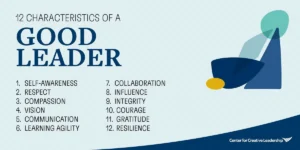
The research reaffirms a long-standing principle in organizational psychology: managers are the primary conduit through which employees experience their organization. This foundational truth, Gallup notes, remains profoundly relevant as AI transforms work processes. Managers serve as the critical link between corporate strategy and day-to-day operations, translating abstract goals into actionable tasks, providing feedback, and fostering a supportive work environment. In the context of AI integration, their role becomes even more complex and vital.
Active manager support encompasses several key functions. Firstly, managers are responsible for communicating the "why" behind AI adoption—explaining the strategic benefits, addressing potential concerns, and articulating how these tools will enhance, rather than diminish, human capabilities. Secondly, they provide hands-on guidance and training, ensuring employees develop the necessary skills to operate new AI systems effectively. This might involve setting up training sessions, demonstrating best practices, or simply being available to answer questions and troubleshoot issues. Thirdly, managers help set clear expectations, delineating which tasks AI will handle, which will remain human-centric, and how the two will interact. This clarity mitigates anxiety and fosters a sense of psychological safety, allowing employees to experiment with and adapt to new technologies without fear of redundancy or inadequacy.

The report emphasizes that managers who are actively involved and supportive tend to initiate more frequent conversations about AI usage. These dialogues are instrumental in refining expectations, identifying challenges, and collaboratively finding solutions for integrating AI into daily workflows. Such proactive engagement transforms AI from a top-down mandate into a collaborative endeavor, significantly increasing employee buy-in and enthusiasm. Far from diminishing the importance of human leadership, AI, according to Gallup, "reinforce[s] the value of managers who create clarity as work changes."
Broader Implications for Organizational Strategy and HR
The findings from Gallup resonate with other recent studies that shed light on the challenges and opportunities associated with AI adoption. A March study from Gartner revealed a significant disparity in AI experimentation: nearly half of managers were actively exploring AI tools in their work, compared to only about a quarter of non-managerial employees. This suggests that managers are often early adopters and can serve as crucial internal champions for new technologies. Gartner’s report concluded that human resources professionals must leverage managers as key facilitators to improve company-wide AI adoption rates, recognizing their pivotal position in influencing employee behavior and skill development.
However, another survey by Indeed and YouGov indicates a potential bottleneck: managers themselves may feel inadequately prepared to lead an AI-fluent workforce. This perceived lack of readiness among managers could significantly impede the realization of AI’s promised efficiency gains across organizations. If managers, who are tasked with guiding their teams through this technological shift, do not possess the necessary knowledge, confidence, or training, their ability to inspire enthusiasm and provide effective support will be compromised.
This creates a critical mandate for HR departments and organizational leadership. The successful integration of AI is not merely an IT project; it is a profound change management initiative that requires strategic investment in human capital. HR professionals must develop comprehensive training programs for managers, equipping them not only with technical understanding of AI tools but also with enhanced skills in change leadership, communication, empathy, and ethical considerations surrounding AI. Managers need to understand how AI integrates into broader business objectives, how to identify tasks suitable for AI, and how to reskill or upskill their teams effectively.
Furthermore, companies must foster a culture of continuous learning and experimentation. This involves creating safe spaces for employees to learn about AI, experiment with new tools, and provide feedback without fear of failure. Leadership must articulate a clear vision for how AI will augment human capabilities, rather than replace them, thereby alleviating common anxieties about job displacement. Transparent communication about AI strategy, potential impacts, and opportunities for employee growth is paramount.

The Timeline of AI Integration and Future Outlook
The journey of AI integration has been progressive, accelerating significantly in recent years. While rudimentary forms of AI have existed for decades, the advent of machine learning, deep learning, and particularly generative AI models in the early 2020s marked a new era. Companies began experimenting with AI in customer service, data analytics, and automation, steadily increasing adoption rates. The period leading up to 2026 has seen a surge in enterprise-wide deployments, moving beyond pilot programs to embedding AI into core business functions.
Chronologically, the timeline can be summarized:
- Pre-2020: Early AI adoption, primarily in specialized fields and pilot projects.
- 2020-2022: Increased interest and investment in AI, driven by digital transformation needs accelerated by the pandemic. Initial challenges with employee adoption emerge.
- 2023-2024: Generative AI gains prominence, sparking a new wave of enterprise adoption. Focus shifts to productivity enhancements and innovation. Concerns about ethical AI and workforce impact grow.
- H1 2026: Gallup’s report highlights the plateauing employee engagement and the critical role of managers in fostering enthusiastic AI adoption, indicating a maturation of the AI integration process where human factors are now front and center.
- Ongoing: Continued efforts to scale AI, address skill gaps, and manage the human-AI interface.
Looking ahead, the success of AI in the workplace will increasingly depend on a holistic approach that prioritizes human leadership and employee experience. Organizations that empower their managers with the necessary training, resources, and strategic clarity will be better positioned to harness the full potential of AI. This includes developing robust internal communities of practice, facilitating knowledge sharing among managers, and continuously evaluating the effectiveness of AI tools in improving both productivity and employee satisfaction. The future workplace, characterized by an intelligent synergy between humans and AI, demands not just technological prowess but also astute and empathetic leadership. The findings from Gallup serve as a powerful reminder that in the age of artificial intelligence, human intelligence, particularly that of effective managers, remains irreplaceable.