

The landscape of corporate communications is undergoing a fundamental shift as business-to-business (B2B) organizations move away from traditional, promotional publicity toward a value-driven model of media outreach. In an era characterized by shrinking newsrooms and an explosion of digital content, the ability to secure earned media coverage now depends less on the volume of pitches sent and more on the strategic alignment between corporate expertise and editorial needs. Media outreach, defined as the proactive process of identifying and engaging with journalists, editors, and creators to offer timely research or commentary, has become a critical pillar for companies seeking to establish authority in competitive markets such as eLearning, Human Resources technology, and Artificial Intelligence.
The Evolution of Media Relations in the Digital Age
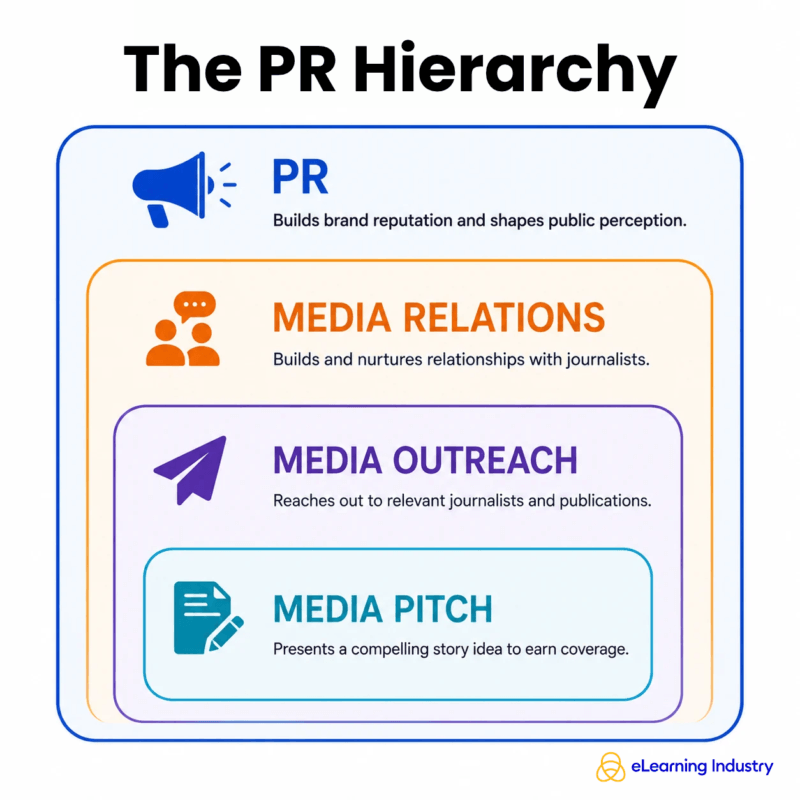
Historically, public relations (PR) functioned as a broad umbrella covering reputation management, crisis communication, and internal messaging. Within this field, media relations represented the long-term effort of maintaining professional ties with the press. However, modern media outreach has evolved into a more specialized, data-centric discipline. Industry analysts note that while traditional PR provides the overarching strategy, outreach is the tactical execution that identifies specific opportunities to place a brand’s insights into the public discourse.

The necessity of this shift is underscored by the current state of the journalism industry. Recent labor statistics indicate a significant reduction in the number of full-time beat reporters at major publications, leaving those remaining with increased workloads and a greater reliance on external sources for credible data and expert perspectives. For B2B technology firms, this environment presents a unique opportunity: by acting as a "subsidized research arm" for time-strapped journalists, companies can earn high-authority coverage that functions as a third-party endorsement, far outweighing the perceived value of paid advertising.
A Chronological Approach to Strategic Outreach
Successful media outreach is rarely the result of a single, well-timed email; rather, it is the culmination of a systematic process that begins months before a story is published. This chronology typically follows a five-stage progression:
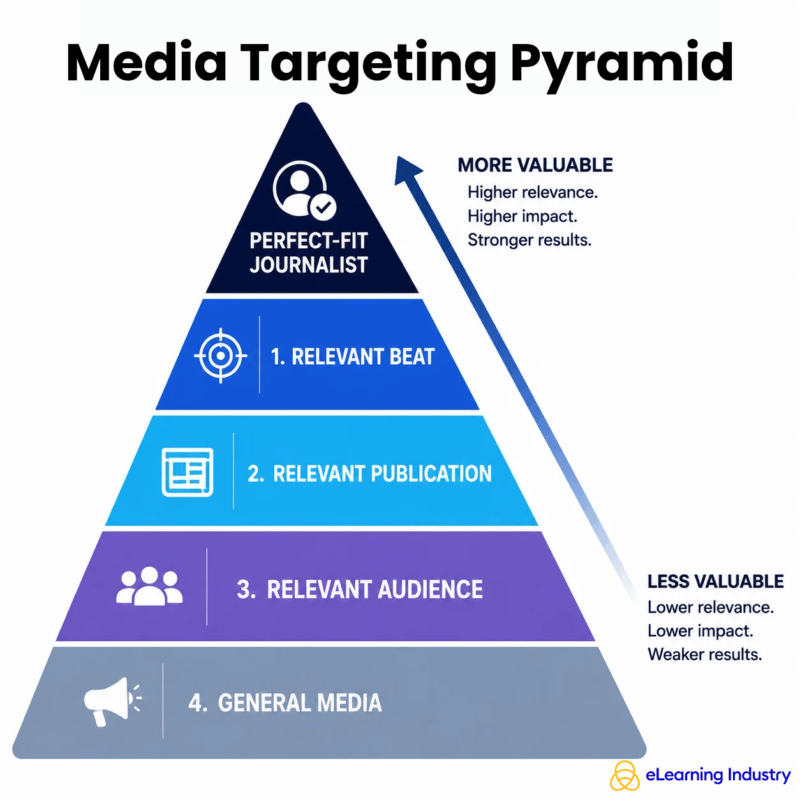
- Research and Identification: Organizations must move beyond broad media databases. Effective campaigns start by identifying journalists based on their specific "beat" or recurring interests. For example, a provider of Learning Management Systems (LMS) would find little success targeting a general "tech reporter," but may find significant resonance with a journalist focusing specifically on workplace transformation or the "future of work."
- Asset Development: Before making contact, a company must develop "newsworthy" assets. This includes original market research, proprietary platform data, or a unique executive perspective on a trending industry issue.
- Relationship Cultivation: Industry experts recommend building familiarity before a pitch is ever sent. This involves engaging with a journalist’s work through social media, providing feedback on recent articles, or offering assistance on current projects without expecting immediate coverage.
- The Targeted Pitch: The actual outreach message must be concise, personalized, and focused on the publication’s audience. The primary goal of the pitch is to present a solution to the journalist’s need for a compelling story.
- Post-Placement Amplification: Once coverage is secured, it must be integrated into a "content flywheel," where the media mention is used to bolster sales collateral, social media presence, and future outreach efforts.
The NEWS Framework: Assessing Newsworthiness
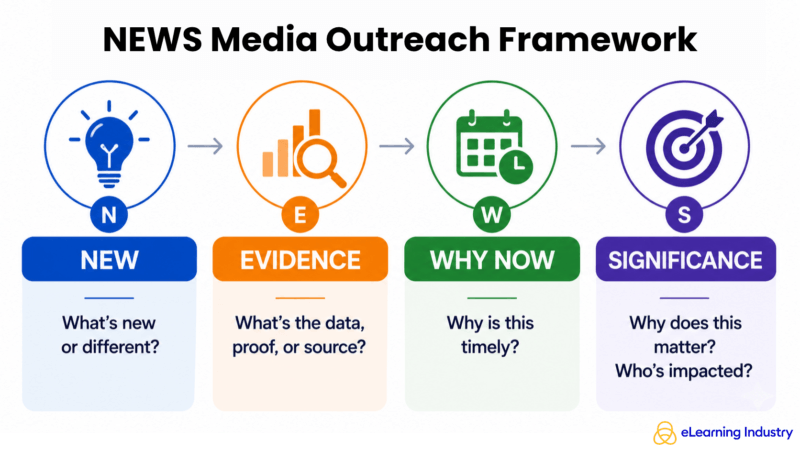
To minimize the risk of being ignored by editorial desks, many communications teams have adopted the "NEWS" test—a four-point framework used to evaluate the viability of a story idea before it is pitched.
- New: The information must be novel. A routine product update or a minor executive hire rarely qualifies as news. However, the release of a proprietary study showing a 40% shift in how companies budget for employee training is inherently "new."
- Evidence: In an age of misinformation, journalists require rigorous proof. Claims must be supported by original data, verified customer case studies, or independent third-party research.
- Why Now: Timing is the most frequent point of failure in outreach. A story must have a "hook"—a reason why it matters today. This could be a connection to a new government regulation, a seasonal trend (like year-end planning), or a reaction to a major industry event.
- Significance: The story must impact the publication’s specific readership. If a development only affects a company’s internal stakeholders, it is a corporate announcement; if it affects the broader industry’s bottom line, it is a news story.
Supporting Data: The Power of Original Research and Proprietary Assets
Data from marketing technology studies suggest that original research is the single most effective asset for earning high-quality backlinks and media mentions. For B2B technology companies, this data often sits untapped within their own platforms. HR technology providers, for instance, can analyze anonymized trends in hiring cycles, retention rates, or employee sentiment to provide journalists with a macro-view of the labor market.
Similarly, the use of "Thought Leader Q&As" and expert interviews has risen as a preferred format for editors. According to media consumption reports, audiences are increasingly seeking "human-centric" expertise to explain complex technical shifts, such as the implementation of generative AI in corporate environments. By preparing executives to speak clearly on these issues—without reverting to promotional scripts—brands can position themselves as indispensable resources.
Sector-Specific Implications: AI, HR Tech, and eLearning
The strategy for media outreach varies significantly across technology verticals. In the AI sector, the market is currently saturated with "launch" news. To stand out, AI firms are moving toward "impact" stories, focusing on how their technology solves specific operational barriers rather than the technical specifications of the software itself.
In the HR and eLearning sectors, the focus has shifted toward "skills intelligence" and "ROI." Journalists in these fields are actively seeking case studies that demonstrate how technology investments have led to measurable improvements in workforce productivity or employee satisfaction. For these companies, the most valuable outreach asset is often a successful customer who is willing to speak on the record about their transformation journey.
Broader Impact on SEO and Digital Visibility
While the primary goal of media outreach is earned coverage, the secondary benefits for Search Engine Optimization (SEO) and Generative Engine Optimization (GEO) are substantial. High-authority news sites provide powerful "do-follow" links that signal credibility to search engine algorithms. Furthermore, consistent mentions of a company’s experts in relation to specific keywords—such as "workforce analytics" or "AI ethics"—help build a brand’s "E-E-A-T" (Experience, Expertise, Authoritativeness, and Trustworthiness).
As AI-driven search engines begin to synthesize answers from across the web, being cited in reputable editorial content becomes a prerequisite for appearing in AI-generated summaries. Analysts suggest that companies with a strong "Share of Voice" in traditional media are significantly more likely to be recommended by AI assistants to prospective buyers during the research phase of the B2B sales cycle.
Measuring Success Beyond the "Clip"
The traditional method of measuring PR success—counting the number of articles or "clips"—is increasingly viewed as insufficient. Modern measurement frameworks now look at a combination of activity and impact metrics:
- Quality of Coverage: Does the article appear in a "Tier 1" publication relevant to the target audience? Does it include a quote from a company expert?
- Sentiment and Messaging: Is the company portrayed in a positive or neutral light, and are the key strategic messages included in the narrative?
- Commercial Indicators: Is there an increase in branded search volume following a major media placement? Are sales teams able to use the coverage to accelerate deal cycles?
- Digital Authority: Has the coverage resulted in new, high-authority backlinks that improve the company’s overall search rankings?
Conclusion: Building the RELATE Framework for Longevity
To synthesize these strategies into a repeatable process, the "RELATE" framework—Research, Earn, Lead, Add, Time, and Extend—provides a roadmap for sustainable growth. By prioritizing the journalist’s needs and the audience’s interests over immediate promotional goals, B2B companies can transform their media outreach from a series of disjointed requests into a professional exchange of value.
The ultimate objective of modern media outreach is to transition from being a "pitcher" of stories to a "source" of truth. As the media landscape continues to consolidate, the companies that will command the greatest visibility are those that invest in original research, prepare their experts for meaningful dialogue, and respect the editorial integrity of the publications they seek to enter. In the long run, authority is not something that can be demanded through a pitch; it is something that must be earned through consistent, high-value contribution to the industry conversation.






