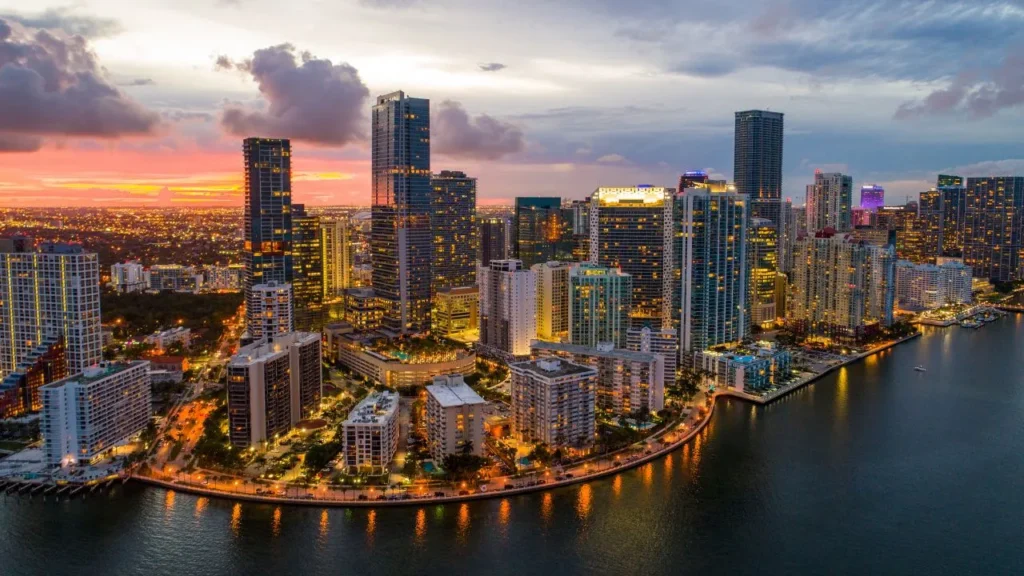
Miami, FL – Miami has solidified its position as the nation’s premier office market, boasting the lowest vacancy rate among the 25 largest U.S. office markets. This remarkable achievement, detailed in recent data from Yardi Matrix and reported by BisNow, underscores a robust and sustained demand for workspace in South Florida, a stark contrast to the persistent challenges of office oversupply plaguing many other major metropolitan areas. As of April 2026, Miami’s office vacancy rate has plummeted to an impressive 12.5%, a significant decrease from the 15.7% recorded in early 2025. This figure significantly outpaces the national average of 17.6%, positioning Miami in elite company alongside Manhattan and Los Angeles, which reported vacancy rates of 13.1% and 13.8%, respectively.
The sustained strength of Miami’s office sector can be attributed to a confluence of factors, including a dynamic economic landscape, a continued influx of businesses and talent, and a strategic adaptation to evolving workplace needs. This trend is not merely a blip but a testament to the region’s enduring appeal and its ability to attract and retain significant corporate presence. The ongoing demand suggests that despite broader economic shifts and the lingering impact of the pandemic, the desire for physical office spaces remains strong, particularly in thriving economic hubs like Miami.
A Tightening Market Drives Rental Growth
The shrinking availability of office space in Miami has naturally led to a concurrent surge in rental rates. As of April 2026, average asking rents for office space in the Magic City have climbed to an impressive $58.41 per square foot. This figure represents a substantial premium, standing approximately 77% above the national average, and positions Miami’s rental market as the second most expensive among major U.S. office markets, trailing only Manhattan.
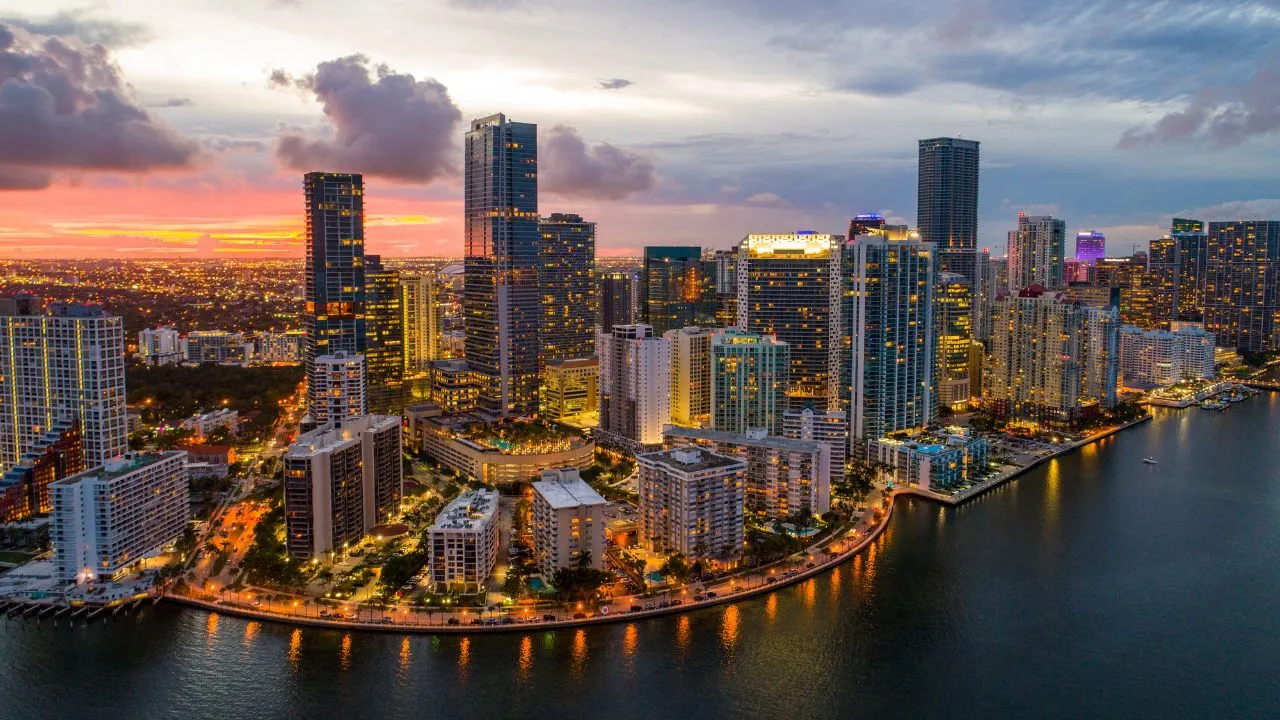
This upward trajectory in rental prices is a direct indicator of the intense competition for prime office locations. Landlords are leveraging the tight market conditions to command higher rents, reflecting the value placed on accessible and desirable workspace. This economic reality presents both opportunities and challenges for businesses seeking to establish or expand their presence in the region.
Economic Drivers Fueling Demand
The robust performance of Miami’s office market is intrinsically linked to the growth of office-using industries. Yardi’s analysis points to a significant surge in sectors such as finance and related financial services as primary drivers of this demand. These industries, often characterized by their need for collaborative environments and client-facing interactions, are increasingly choosing Miami as a strategic hub.
Further supporting this narrative, separate first-quarter data compiled by Avison Young highlights the significant role of the technology sector in South Florida’s leasing activity. Tech firms accounted for a remarkable 37% of all office leases signed across the region. Concurrently, companies within the finance, banking, insurance, and real estate (FIRE) sectors contributed another substantial 20% to this leasing volume. This dual engine of growth, powered by both established financial institutions and burgeoning tech enterprises, creates a diversified and resilient demand base for office space.
The post-pandemic migration wave has also continued to bolster Miami’s commercial real estate landscape. Companies that relocated or expanded their operations in the region during this period have further solidified the demand for office environments. This trend, initially spurred by a desire for lower costs of living, a more favorable business climate, and a higher quality of life, has evolved into a sustained strategic decision for many corporations seeking to tap into South Florida’s growing talent pool and dynamic economic ecosystem.

Headquarters Relocations and Flexible Workspace Expansion
Over the past year, Miami and its surrounding areas have witnessed a notable increase in headquarters relocations and significant expansions of existing corporate footprints. A prime example is Amazon’s amplified commitment to Wynwood Plaza. The e-commerce giant expanded its office presence from 50,000 square feet to a substantial 76,000 square feet, following its signing of what was the largest office lease in the Wynwood neighborhood in 2025. This expansion by a major global player signals confidence in the local market and its ability to accommodate large-scale operations.
The influx of new companies establishing their headquarters in South Florida has also remained a consistent trend. During the initial two months of 2026 alone, four distinct companies made the strategic decision to relocate their headquarters operations to the region. Among these, Palantir Technologies’ shift of its headquarters plans from Colorado to a flexible coworking space in Miami is particularly noteworthy. This move highlights the increasing appeal of adaptable workspace solutions for major technology firms, even as they establish a significant presence in the area.
This growing demand for flexible and accommodating workspace has, in turn, fueled the expansion of flexible workspace operators. Industrious, a prominent player in the flexible office market, recently secured a 22,000-square-foot lease in Coral Gables. This submarket has emerged as a particularly attractive destination for tenants who may be priced out of the more premium and costlier areas such as Brickell and Miami Beach. Coral Gables, with its established business infrastructure and competitive rental rates, is becoming a vital secondary market for businesses seeking a strategic foothold in Miami-Dade County.
The Shadow of AI on Long-Term Office Demand
While the current office market in Miami is characterized by unprecedented strength, a significant undercurrent of uncertainty looms regarding the long-term implications of artificial intelligence (AI) on office demand. Industry stakeholders, including landlords and investors, are actively evaluating how AI-driven advancements and operational efficiencies could reshape the future of the office.

The Yardi report specifically acknowledges growing concerns that AI-powered efficiencies and potential workforce reductions could eventually impact office occupancy levels. Companies across various sectors have already begun to signal this shift. For instance, Meta and Coinbase have both announced substantial layoffs, citing in part a strategic pivot towards AI integration and a drive for greater operational efficiency. This trend suggests that while current demand is robust, future needs for physical office space might be influenced by the evolving capabilities and deployment of AI technologies within corporate structures.
However, for the immediate future, Miami stands as a beacon of resilience in the U.S. office market. It remains one of the few major metropolitan areas where the demand for office space continues to consistently outpace supply, a testament to its dynamic economy and attractive business environment. The region’s ability to absorb new tenants and accommodate expansion, even amidst global economic fluctuations and technological disruption, positions it as a market to watch closely in the coming years.
A Look at the Timeline of Market Evolution
The transformation of Miami’s office market into a national leader has been a gradual yet accelerating process. The seeds of this growth were sown years prior to the pandemic, with increasing interest in the region’s favorable tax policies and burgeoning international trade connections. However, the onset of the COVID-19 pandemic in early 2020 acted as a significant catalyst.
Early 2020 – Mid-2021: The Initial Migration Wave. As many businesses grappled with the realities of remote work and re-evaluated their operational footprints, South Florida emerged as a prime destination. Lower costs of living compared to major coastal cities, coupled with a less restrictive business environment and a desirable lifestyle, attracted an initial wave of high-net-worth individuals and companies. This period saw a noticeable uptick in inquiries and early-stage relocation discussions.

Late 2021 – Early 2023: Formalizing Relocations and Expansion. The initial interest began to translate into concrete actions. Major companies, particularly from the finance and tech sectors, started formalizing their relocation plans or expanding their existing South Florida offices. This period was marked by significant lease signings and a growing demand for Class A office space, particularly in desirable submarkets like Brickell and Wynwood. The vacancy rate, while still elevated from pre-pandemic levels nationally, began its steady decline in Miami.
Mid-2023 – Early 2025: Sustained Growth and Market Tightening. The momentum continued unabated. The influx of talent and businesses created a self-reinforcing cycle of growth. Office-using industries expanded, leading to increased demand for talent, which in turn attracted more individuals and companies to the region. By early 2025, Miami’s office vacancy rate had already seen a significant drop from its post-pandemic peak, signaling a tightening market. Rental rates began their ascent, reflecting the growing scarcity of available space.
April 2026: Record Low Vacancy and Rental Premiums. The latest data from Yardi Matrix, reported in April 2026, confirms Miami’s status as the market with the lowest office vacancy rate nationwide. The 12.5% vacancy rate represents a substantial achievement, underscoring the enduring demand for office space. This tight market has driven average asking rents to new heights, positioning Miami as a premium office market on par with established financial hubs like Manhattan.
Analyzing the Broader Impact and Future Implications
Miami’s ascent to the top of the U.S. office market rankings carries significant implications for the region and beyond. For South Florida, it signifies a maturation of its economic base, moving beyond its traditional tourism and real estate-centric economy to embrace a more diversified and knowledge-based industrial structure. This sustained demand for office space is likely to stimulate further development, infrastructure improvements, and job creation across various sectors.

The ability of Miami to maintain such low vacancy rates in the face of evolving work models is a powerful indicator of its unique appeal. Factors such as a business-friendly regulatory environment, a growing pool of skilled labor, a relatively lower cost of doing business compared to other major coastal cities, and an attractive lifestyle continue to draw significant corporate interest. This sustained demand also supports the commercial real estate ecosystem, including property developers, brokers, property managers, and ancillary service providers.
However, the long-term outlook is not without its complexities. The potential impact of AI on workforce size and the nature of office utilization remains a critical factor to monitor. Companies that successfully integrate AI may find their space requirements shifting, potentially leading to a demand for more collaborative, flexible, and amenity-rich spaces rather than traditional, densely populated offices. This could present an opportunity for landlords to re-imagine their office offerings and for flexible workspace providers to further expand their market share.
The continued high rental rates also pose a challenge for smaller businesses and startups, potentially limiting their ability to establish a physical presence in prime locations. This could lead to greater stratification within the market, with larger, well-funded corporations occupying the most desirable spaces while smaller entities seek more affordable alternatives in emerging submarkets or opt for fully remote operational models.
Ultimately, Miami’s current success story in the office market is a dynamic one, shaped by a complex interplay of economic growth, demographic shifts, and technological advancements. While the present is exceptionally strong, the future will likely depend on the region’s continued adaptability and its ability to navigate the evolving landscape of work. The data clearly indicates that for now, Miami stands as a dominant force in the U.S. office market, setting a benchmark for demand and resilience.