
The enterprise artificial intelligence landscape is undergoing a profound transformation, moving beyond traditional software paradigms to embrace dynamic, learning agents that increasingly embody the unique operational fabric of organizations. At the forefront of this evolution is Microsoft’s introduction of "Frontier Tuning" for its Copilot AI, a capability that allows businesses to deeply customize and train AI agents on their proprietary data and processes. This development, highlighted at recent industry events, signifies a significant leap toward truly personalized and self-improving enterprise AI solutions, promising to unlock competitive advantages by embedding an organization’s tacit knowledge and historical experience directly into its AI infrastructure.
The Dawn of AI Agents as Corporate Embodiments
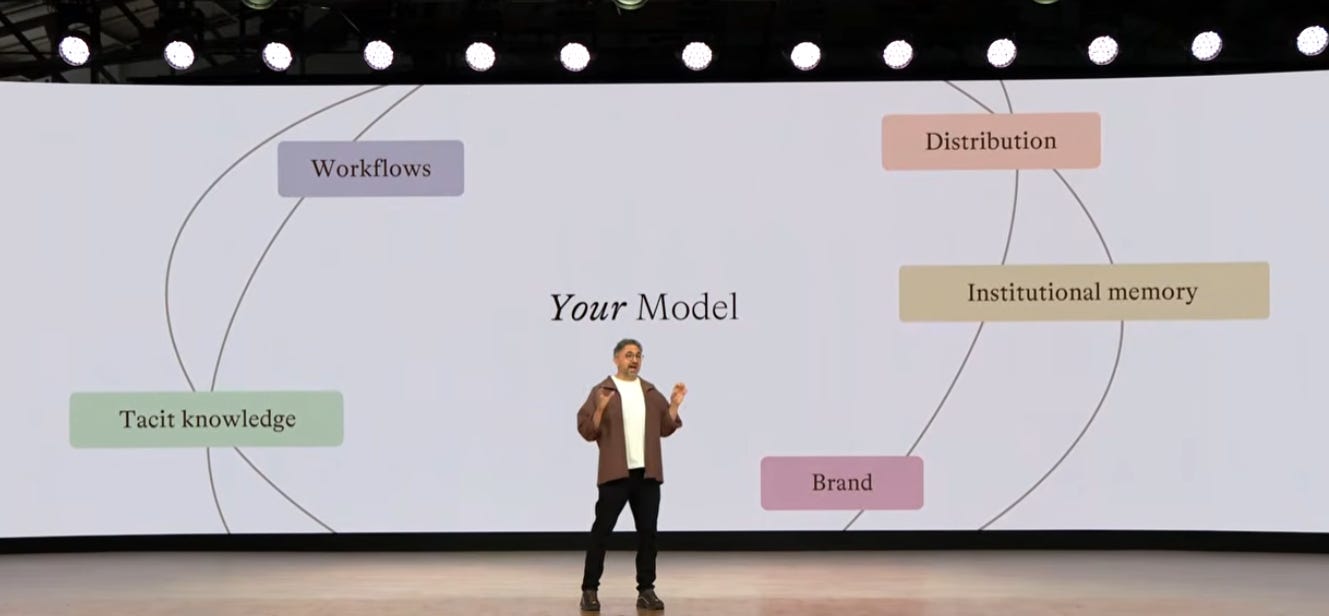
Historically, enterprise software has been viewed as a collection of distinct systems and applications designed to perform specific functions. However, the emergence of AI Agents and Superagents, as conceptualized in frameworks like the "HR 2030 architecture," challenges this notion. These are not static tools but evolving entities that learn, adapt, and effectively "become" the company they serve. An AI agent tasked with recruitment, for instance, doesn’t just follow pre-programmed rules; it progressively gains a nuanced understanding of a company’s specific hiring culture, preferred candidate profiles, and internal recruitment workflows. This deep learning capacity is particularly impactful in the enterprise context, where much of a company’s competitive edge lies in its unwritten "tacit knowledge"—historical experiences, implicit policies, cultural behaviors, risk management protocols, and the fundamental "way we do business."
This concept was vividly demonstrated through an integration project where the author’s company, Galileo, embedded its intelligence into Microsoft Copilot. The system then "ingested and retrained itself" on Galileo’s intellectual property. The Microsoft HR team’s testing of this implementation yielded "astoundingly more useful, detailed, and trusted" results, largely due to the AI’s ability to cite knowledgeable sources for all its inquiries. This transformed Microsoft Copilot into what is described as a "world-class HR business partner and HR and management consultant."
Microsoft Productizes Customization: Frontier Tuning Takes Center Stage
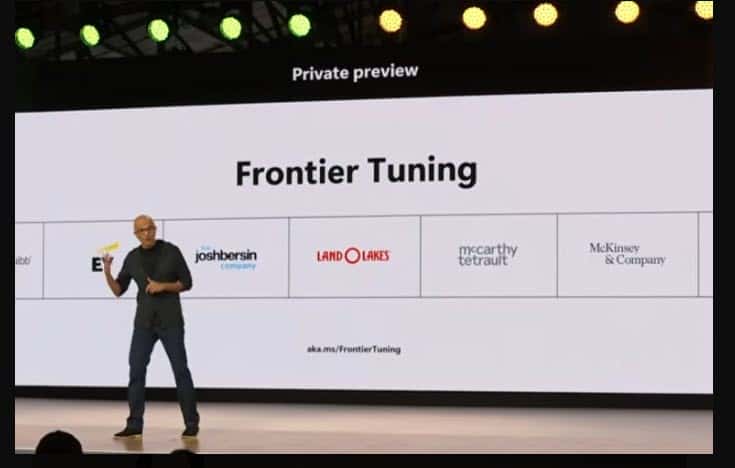
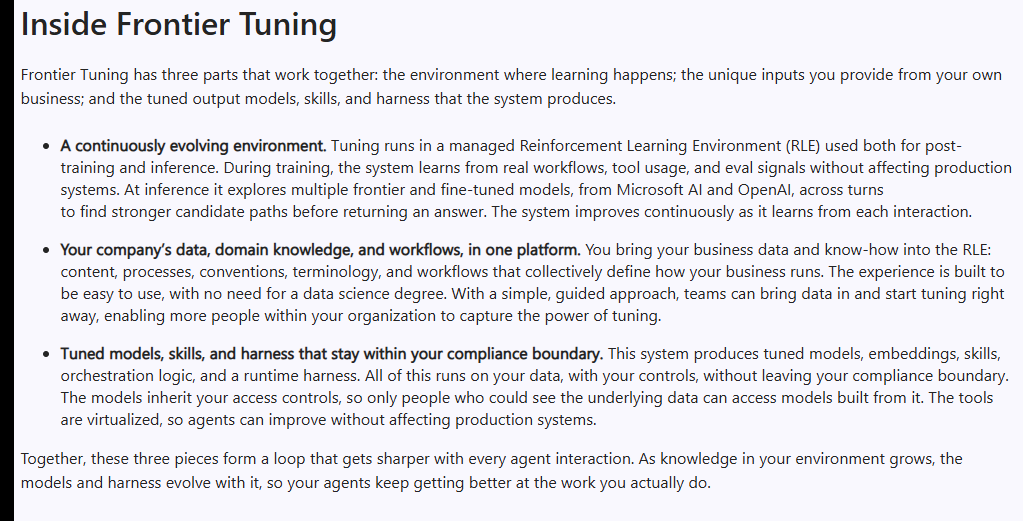
Building on these successes, Microsoft is now democratizing this capability through the productization of its Frontier Tuning technology. This allows IT and HR departments to directly "fine-tune" their Copilot instances. By feeding the system with an organization’s specific policies, hiring guides, compensation structures, onboarding procedures, and any other relevant internal documentation, companies can effectively "institutionalize" their unique operational logic and embed it directly into the AI.
This approach differentiates itself from standard Retrieval Augmented Generation (RAG) implementations. While RAG systems enhance AI responses by referencing external documents, they do not fundamentally "train" the underlying model in the same way. Frontier Tuning, conversely, enables the AI to learn and adapt more deeply. Microsoft refers to this advanced capability as the "Reinforcement Learning Environment," which allows AI agents to learn autonomously from real-world user feedback, continuously refining their performance and accuracy.
Reinforcement Learning: Empowering Self-Improving AI Agents
The implications of this autonomous learning capability are substantial. The Frontier Tuning system’s ability to "learn on its own" through a Reinforcement Learning Environment means that AI agents can become increasingly sophisticated and contextually aware over time. This iterative learning process, akin to how humans acquire expertise, allows the AI to adapt to new challenges and evolving organizational needs.
A compelling example of this was presented by Microsoft concerning its internal crisis management AI agent. Initially effective, the agent struggled to adapt to the unprecedented complexities introduced by events like the war in Ukraine and subsequent conflicts, which created new challenges such as employee connectivity issues and the need for rapid family relocations. By leveraging the Reinforcement Learning feature, the agent was enabled to "update itself" with new policies and protocols required to address these emergent situations. This demonstrates the power of AI to not only respond to existing information but to proactively learn and adapt to unforeseen circumstances.
Microsoft showcased these advancements at the Build 2026 conference in San Francisco, offering attendees a glimpse into the power of fine-tuned Copilot for various enterprise functions, including HR onboarding. This event underscored the potential for organizations to embed not only third-party intelligence like Galileo but also their own deeply ingrained company practices into their AI systems.
The Strategic Value of Customized AI
Satya Nadella, Microsoft’s CEO, has emphasized this strategic direction, noting in a keynote address that the true value of an AI model lies in its customization and uniqueness to a specific company, rather than its widespread, undifferentiated use. This perspective aligns with the idea that an organization’s proprietary knowledge and operational nuances are critical competitive differentiators. Making it easy for IT and HR professionals to tune, optimize, and personalize these AI systems is therefore paramount.
Microsoft Copilot’s new "harness" architecture is designed to facilitate this. This framework allows Copilot to host a variety of AI models, including those from OpenAI, Anthropic, Microsoft’s own developing models, and importantly, custom fine-tuned models. This flexibility suggests a future where different departments or teams within an organization could utilize specialized AI models trained on their specific data and intellectual property, such as R&D teams working with confidential research data.
While other methods exist for enhancing Copilot’s knowledge base, such as the Microsoft Graph Connector which allows access to SharePoint, PowerPoint, Word, Outlook, and Work IQ data, these are often less integrated and do not facilitate the deep, autonomous learning enabled by Reinforcement Learning.
Microsoft’s Leap into Proprietary AI Models
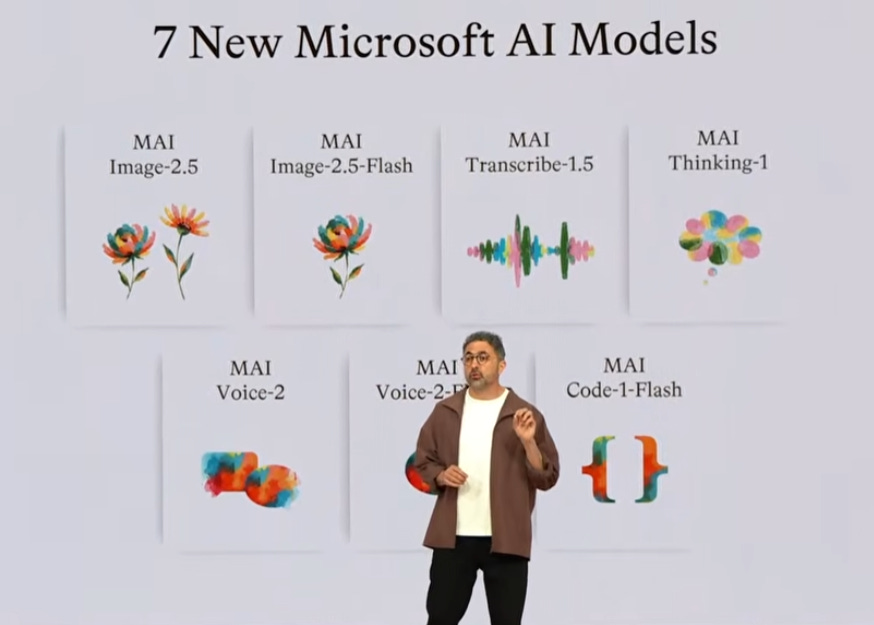
In parallel with its advancements in AI customization, Microsoft has also made significant strides in developing its own suite of AI models. Led by Mustafa Suleyman, the company announced the launch of seven new AI models optimized for specific business use cases. This move marks a strategic pivot, potentially driven by the desire to reduce reliance on third-party AI providers and to offer more cost-effective and tailored solutions.
Historically, Microsoft’s partnership with OpenAI may have presented certain limitations regarding the development of its most cutting-edge proprietary models. However, this new initiative positions Microsoft to directly compete with models like Anthropic’s Claude and OpenAI’s GPT series. By developing its own clean, licensed, and potentially more cost-efficient AI models, Microsoft enhances the value proposition of Copilot as an open and adaptable platform.
"We pay a lot of money to Anthropic—so our goal is to reduce and ultimately eliminate that cost," Suleyman stated, highlighting the economic rationale behind this strategic expansion. This suggests a future where Microsoft can offer a tiered AI solution, providing its own optimized models at a competitive price point while still enabling customers to integrate their own specialized models.
Addressing Data Privacy and Intellectual Property Concerns
A critical aspect of Microsoft’s new AI model strategy is its emphasis on data privacy and intellectual property protection. Unlike some existing AI services where user data can be used to train public models, Microsoft’s approach aims to ensure that proprietary information remains secure and exclusive to the customer.
Mustafa Suleyman has been vocal about this distinction, noting that these new models are designed not to "share your IP with other customers." This is particularly relevant in light of concerns that, for example, unchecking the learning box for services like Claude means that user interactions could be made available to Anthropic for broader model training. For businesses, especially those in IP-sensitive sectors, the ability to leverage AI without the risk of inadvertently leaking proprietary data is a significant advantage. This offers a more secure environment for organizations that need to build solutions without the fear of compromising sensitive information.
Real-World Applications and Future Potential
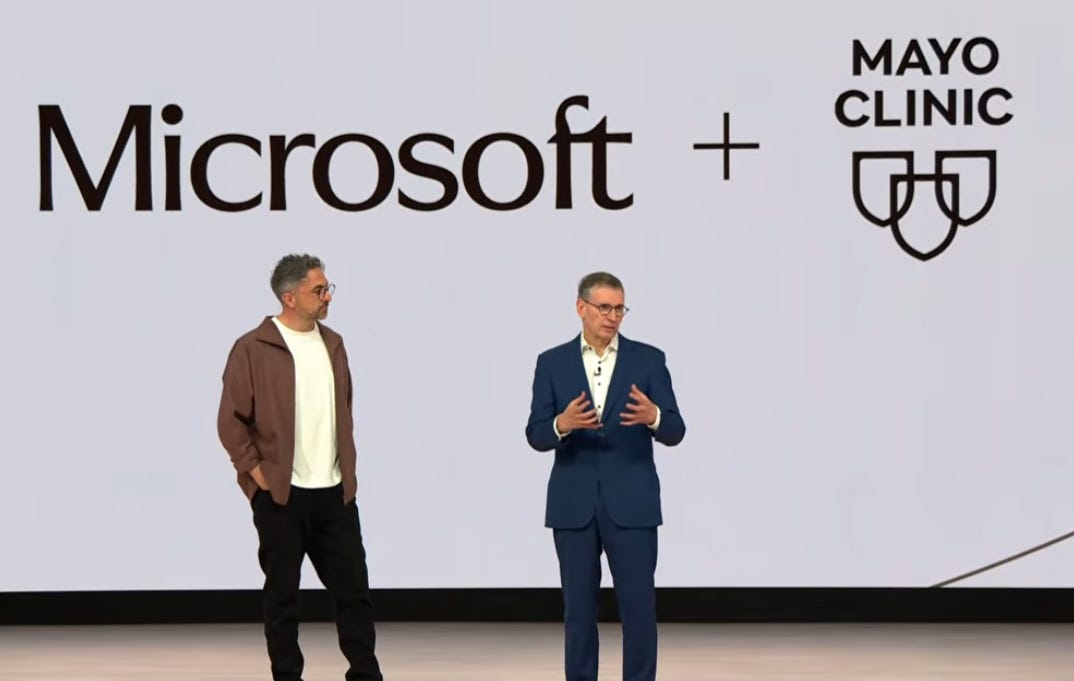
The practical applications of these advancements are already emerging across various industries. Mayo Clinic, for instance, is collaborating with Microsoft to develop a "New Frontier Model for Healthcare." This specialized model is intended to be accessible to clinicians and will incorporate in-depth knowledge of effective clinical practices. This mirrors the approach taken in human capital management, where best practices in HR, leadership, and employee development are observed, studied, and documented.
Another notable example involves Land-O-Lakes. The agricultural company has been testing Microsoft’s MAI-Thinking-1 reasoning model for automating tasks within its butter formulation processes. By fine-tuning a copy of the model with thousands of internal documents, Microsoft Teams messages, and Outlook emails previously authored by human employees, Land-O-Lakes achieved a customized AI that was not only more accurate but also reportedly ten times more cost-efficient than OpenAI’s GPT-4.5, according to Microsoft senior product manager Tanaya Yadav.
These case studies underscore the tangible benefits of tailored enterprise AI: enhanced accuracy, significant cost savings, and the ability to streamline complex operational workflows. For businesses operating within the Microsoft ecosystem, the prospect of leveraging a customized Copilot, powered by either Microsoft’s proprietary models or their own fine-tuned agents, presents a compelling opportunity.
Microsoft’s strategic direction in enterprise AI, characterized by its focus on customization, autonomous learning, and proprietary model development, appears robust. With strong leadership and a clear vision, the company is positioning itself to capitalize on the immense potential of this evolving technology, promising a future where AI agents are not just tools but integral, intelligent extensions of the enterprise itself.
Further insights into these developments can be found in accompanying podcasts and research papers, which delve deeper into topics such as the cost of AI, fine-tuning, edge computing, and the semantic layer in enterprise AI. These resources offer a comprehensive view of Microsoft’s strategy and its potential impact on the future of work.







