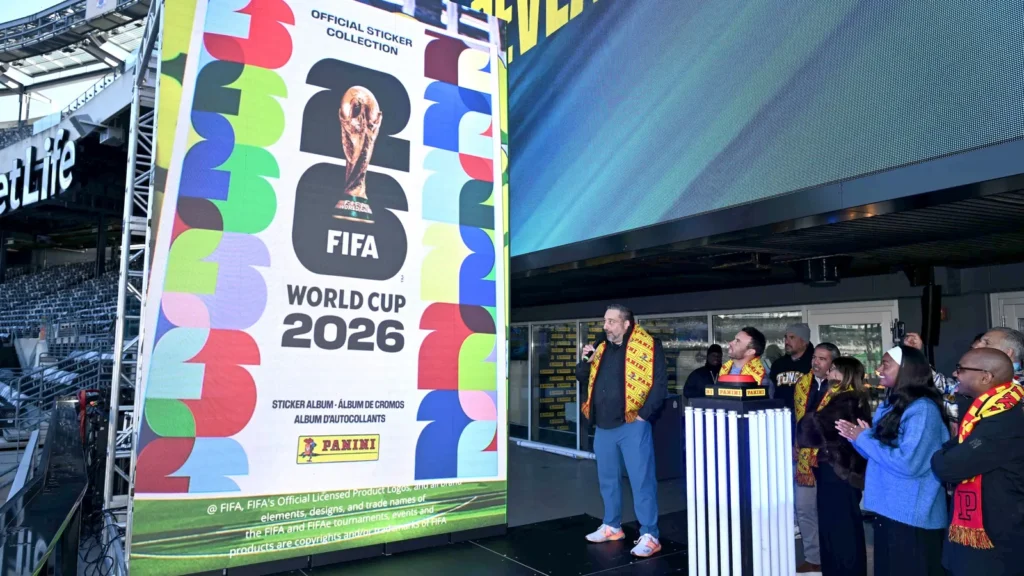
The eyes of the globe are indeed glued to North America as the continent prepares to host the unprecedented 2026 FIFA World Cup, a monumental event set to redefine international sporting spectacles. While the U.S., Canada, and Mexico will share hosting duties for this expanded soccer tournament, the bulk of the event, encompassing 78 of the 104 matches, will unfold across 11 U.S. cities from coast to coast. This colossal undertaking is not merely a sports event; it represents a significant logistical, economic, and operational challenge and opportunity for businesses and employers throughout the host regions. With matches kicking off in Mexico on Thursday and culminating with the grand final on July 19 in East Rutherford, New Jersey, the tournament is poised to profoundly impact workplaces for several weeks. Employers are advised to proactively revisit and potentially revise policies spanning remote work, compensation, attendance, and workplace culture, according to Marissa Mastroianni, an employer-side attorney and member at Cole Schotz.
The Unprecedented Scale of the 2026 FIFA World Cup
The 2026 FIFA World Cup marks several historic firsts. It will be the first tournament to feature 48 teams, an expansion from the previous 32-team format, leading to a record 104 matches. This expanded format necessitates the tri-national hosting, a first in FIFA World Cup history, sharing responsibilities across 16 vibrant cities: Vancouver and Toronto in Canada; Mexico City, Guadalajara, and Monterrey in Mexico; and Atlanta, Boston, Dallas, Houston, Kansas City, Los Angeles (SoFi Stadium), Miami, New York/New Jersey (MetLife Stadium), Philadelphia, San Francisco Bay Area, and Seattle in the United States. The tournament will span an extended period, commencing on June 11 and concluding on July 19, making it one of the longest World Cups to date.
The economic implications are projected to be substantial. Advisory firm Tourism Economics previously forecasted that over 1 million international visitors would travel to the U.S. alone throughout the month of June and early July for the event. While more recent analyses suggest that the actual influx of fans might be slightly lower than initial projections, the sheer volume of visitors, combined with domestic travelers, is still expected to generate billions in economic activity for the host cities and surrounding regions. This includes significant boosts for hospitality, retail, transportation, and entertainment sectors. However, this surge also brings with it a unique set of challenges for local infrastructure, public services, and particularly, the daily operations of businesses.
Navigating Logistical Hurdles: Commute Disruptions and Infrastructure Strain
Perhaps the most immediate and tangible concern for employers in host cities is the anticipated surge in traffic congestion and public transit strain. The influx of fans, coupled with potential road closures, increased security perimeters around venues, and a general festive atmosphere, will undoubtedly disrupt typical commuting patterns. Eleven U.S. metropolitan areas will host at least one World Cup match, and each is preparing for unprecedented levels of pedestrian and vehicular traffic.
Mastroianni, whose practice is based in New Jersey, mere miles from the final match venue, has already observed local employers proactively adopting remote work policies for employees on match days. This strategic foresight aims to mitigate the impact of extended commute times, which could otherwise lead to significant productivity losses and employee frustration. The federal government has also recognized this impending challenge. On June 2, the U.S. Office of Personnel Management (OPM) issued a memo explicitly stating that federal agencies with offices in host cities may approve telework and other work flexibility arrangements. Furthermore, OPM suggested that agencies grant affected employees additional time for travel throughout the tournament period.
This federal guidance serves as a crucial benchmark for private sector employers. "This memo sends a clear message that the federal government expects significant travel impacts in the host cities," Mastroianni noted. "If an employer was unsure how much traffic a game may cause, this confirms that the employer should expect high levels of disruption." Employers should view OPM’s directive as a starting point for formulating their own detailed policies. These communications to employees must be meticulously drafted, providing specific references to applicable paid time off (PTO) and leave policies, clear guidelines on when employees may work remotely, and explicit performance expectations for those opting for telework.
Beyond remote work, employers with staff whose roles require a physical presence face unique considerations. For these essential workers, companies might explore measures such as catering on-site lunches to prevent employees from getting caught in matchday traffic during meal breaks. Arranging for company-sponsored shuttle services to and from job sites could also significantly ease employees’ travel concerns and demonstrate a commitment to their well-being, enhancing retention and morale during a potentially stressful period. Local transportation authorities in host cities, such as New York MTA, Los Angeles Metro, and MARTA in Atlanta, are already coordinating with event organizers and city planners to manage crowd flow, enhance service, and implement contingency plans, but individual businesses must also factor these large-scale movements into their operational strategies.
Workplace Policy Revisions: Addressing Wage and Hour Compliance
The logistical disruptions of the World Cup can inadvertently create complex wage and hour concerns for employers, particularly under the Fair Labor Standards Act (FLSA). While time spent commuting between an employee’s home and their primary workplace is generally not compensable, the U.S. Department of Labor (DOL) clarifies that time spent traveling between different work locations during the workday typically is compensable.
This distinction becomes critical during the World Cup. Employees whose roles require intra-day travel between different company sites, client locations, or event-related venues may find their travel times significantly extended due to tournament-induced congestion. If these delays push non-exempt employees beyond 40 hours in a workweek, they would be legally entitled to overtime pay, typically at one-and-a-half times their regular rate. Employers must ensure robust time-tracking mechanisms are in place to accurately record all hours worked, including any additional compensable travel time, to avoid potential wage disputes and penalties. This vigilance is especially important for field service technicians, delivery drivers, sales representatives, and other mobile workforces.
Another significant challenge employers may face is managing employee absenteeism. As with other major sporting events like the Super Bowl, employers can anticipate a higher number of call-outs from employees, some genuinely ill, others perhaps feigning illness to enjoy the festivities. To maintain operational continuity and avoid being short-staffed during critical periods, employers might consider offering premium pay rates, such as time-and-a-half or double time, for shifts that coincide with popular match days. This incentive can be particularly effective for roles that are hard to cover, encouraging employees to prioritize work commitments.
Regarding suspected "World Cup flu" absences, employers may be tempted to request doctor’s notes. However, Mastroianni cautions that some jurisdictions impose strict limits on this practice. For instance, New Jersey’s earned sick leave law permits employers to request medical documentation only if an employee uses leave for three or more consecutive days. Employers must be well-versed in their specific state and local sick leave laws to avoid inadvertently violating employee rights. Consistent application of attendance policies and clear communication about expectations for requesting time off are paramount to ensure fairness and prevent claims of discrimination. Encouraging employees to proactively request vacation or PTO well in advance of match days can also help manage staffing levels more effectively.
Fostering Workplace Culture: Embracing the Moment Responsibly
Beyond the operational and compliance aspects, the World Cup presents a unique opportunity for HR teams to boost employee morale, foster inclusivity, and strengthen workplace culture. With its global theme of bringing nations together, the tournament can be leveraged for team-building initiatives and celebrating diversity. A UKG report suggests that a notable 14% of employees might secretly stream matches or highlights on the job. Rather than fighting this inevitable inclination, employers might find it more beneficial to lean into the celebration, managing it proactively.
HR teams can get creative with events, such as hosting company-sponsored watch parties for key matches in designated areas, allowing employees to experience the excitement together without severely impacting productivity. The global nature of the tournament also provides an excellent opportunity to celebrate cultural diversity within the workforce, perhaps by catering cuisines from participating nations on match days or organizing informal educational sessions about different countries and their soccer traditions. "The World Cup is about bringing people together, and it can do the same for your workplace," Mastroianni wisely noted.
However, embracing the celebration requires careful navigation of potential pitfalls, particularly concerning alcohol consumption and gambling. While a World Cup happy hour event could foster camaraderie, employers must establish clear guidelines. Mastroianni advises employers to communicate that employees are expected to consume alcohol modestly and behave appropriately at any company-sponsored event. Clear policies regarding responsible drinking, the availability of non-alcoholic options, and ensuring safe transportation options are crucial to mitigate liability risks and maintain a professional environment.
Gambling presents an even more complex "minefield" for employers. While informal office pools might seem harmless, company-sponsored gambling, even for small stakes, can lead to significant legal and ethical complications. State regulations regarding gambling vary widely and can be stringent. HR departments should tread carefully and, ideally, consult with legal counsel before even considering sponsoring any gambling pool related to the World Cup. The safest approach is often to explicitly prohibit any form of gambling or betting organized or sanctioned by the company, advising employees that any personal participation is at their own discretion and risk, and strictly outside of work hours and premises.
Broader Economic and Societal Implications
Beyond the immediate workplace, the 2026 World Cup will have a profound economic ripple effect. Host cities anticipate a massive influx of tourism dollars, benefiting hotels, restaurants, retail establishments, and local service providers. Small businesses, particularly those located near stadiums or in popular tourist districts, could see unprecedented revenue spikes. However, this boon also comes with challenges. Increased costs for goods and services, potential supply chain disruptions due to traffic, and difficulties in retaining staff who might face severe commuting issues are concerns for businesses not directly benefiting from tourism.
Local governments and public services are undertaking extensive preparations. Emergency services, public safety, waste management, and public health departments are developing comprehensive operational plans. Enhanced security measures will be visible, coordinating federal, state, and local law enforcement agencies to ensure the safety of millions of visitors and residents. These preparations, while essential, also contribute to the overall disruption of daily life in host cities, emphasizing the need for robust employer preparedness.
Conclusion: Proactive Planning for a Global Spectacle
The 2026 FIFA World Cup represents a truly global spectacle, offering North America an unparalleled opportunity to showcase its hospitality and infrastructure on the world stage. For employers in the host cities, however, it is far more than just a sporting event; it is a critical period demanding proactive, thoughtful, and legally compliant adjustments to workplace policies and practices. From mitigating commute disruptions through flexible work arrangements and on-site support to ensuring meticulous wage and hour compliance and fostering an inclusive yet responsible workplace culture, the challenges are multifaceted.
The guidance from federal agencies like OPM and the insights from legal experts underscore the necessity for businesses to engage in comprehensive planning now. Clear communication with employees, a deep understanding of applicable labor laws, and a willingness to embrace the unique cultural opportunities while managing inherent risks will be key to navigating this period successfully. By transforming potential disruptions into opportunities for innovation, employee engagement, and community participation, North American employers can ensure that the 2026 FIFA World Cup is a memorable and positive experience for both their workforce and their bottom line, leaving a lasting legacy beyond the final whistle.