
The landscape of American healthcare continues to undergo a significant transformation as more consumers shift away from traditional employer-sponsored coverage toward the individual health insurance market. Whether an individual is enrolling in coverage for the first time, transitioning from a group plan due to a career change, or seeking a more tailored policy during the open enrollment period, the process of selecting an individual health insurance policy remains a complex financial and medical decision. With a vast array of options available through public and private exchanges, federal and state marketplaces, and independent insurance brokers, understanding the mechanics of these plans is essential for ensuring both physical well-being and financial stability.
Defining Individual Health Insurance in the Modern Era
An individual health insurance plan is a policy purchased by a consumer or a family independently, rather than being obtained through an employer-sponsored group arrangement. These plans are available through several channels, including direct purchases from health insurance carriers, licensed brokers, or government-run platforms like the federal Health Insurance Marketplace or state-based exchanges.
One of the primary drivers of the shift toward individual coverage is the high degree of personalization it offers. Unlike group plans, which are selected by an employer to meet the needs of a diverse workforce, individual plans allow consumers to select specific features, covered benefits, and "metallic tiers" that align with their unique medical requirements and budget. Furthermore, individual plans offer a level of portability that group plans lack; a policyholder can maintain their coverage regardless of their employment status, provided they continue to pay their monthly premiums.
The economic disparity between group and individual plans has become increasingly stark. In 2026, market data from major metropolitan areas illustrates this gap. For instance, in Cleveland, Ohio, the average monthly premium for a bronze-tier small group plan for a 40-year-old is approximately $670.93. In contrast, an individual plan for a person of the same age and location averages just $321.19 per month. This price difference, combined with the rise of supplemental and ancillary plans for dental, vision, and disability insurance, has made the individual market a viable—and often preferable—alternative for millions of Americans.
The Five Categories of Individual Health Plans: The Metal Tiers
To simplify the comparison of various policies, the Affordable Care Act (ACA) established a system of "metal tiers" that define the cost-sharing structure of marketplace plans. These categories—Catastrophic, Bronze, Silver, Gold, and Platinum—do not reflect the quality of medical care provided but rather the distribution of costs between the insurer and the policyholder.

- Bronze Plans: These policies typically feature the lowest monthly premiums but the highest out-of-pocket costs when care is received. On average, a Bronze plan covers 60% of medical expenses, leaving the consumer responsible for the remaining 40%.
- Silver Plans: Positioned as the "benchmark" for many subsidy calculations, Silver plans cover approximately 70% of costs. These are often the most popular choice for those eligible for cost-sharing reductions.
- Gold Plans: With higher monthly premiums, Gold plans cover about 80% of medical costs, making them ideal for individuals who expect to require frequent medical services.
- Platinum Plans: These represent the highest level of coverage, with the insurer paying approximately 90% of expenses. While premiums are the most expensive, out-of-pocket costs at the point of service are minimal.
- Catastrophic Plans: Available primarily to individuals under the age of 30 or those with specific hardship exemptions, these plans offer very low premiums and very high deductibles. They are designed to protect against worst-case scenarios, such as major accidents or sudden illnesses, covering 100% of essential benefits only after a high deductible is met.
Regardless of the tier, all ACA-compliant plans are required by law to cover ten essential health benefits, which include emergency services, hospitalization, maternity and newborn care, mental health services, and prescription drugs.
Analyzing the Cost of Coverage in 2026
The cost of individual health insurance is influenced by a variety of factors, though federal regulations prohibit insurers from setting prices based on gender or pre-existing conditions. According to data from KFF (formerly the Kaiser Family Foundation), the national average monthly premium for a benchmark Silver plan in 2026 reached $625.
The primary variables that determine an individual’s premium include:
- Age: While pre-existing conditions are not factored in, older individuals generally face higher premiums than younger shoppers.
- Location: Premiums vary significantly by state and rating area due to local competition and healthcare provider costs.
- Tobacco Use: Insurers may charge tobacco users up to 50% more than non-users.
- Plan Category: As noted, the choice between Bronze, Silver, Gold, or Platinum tiers dictates the base premium.
- Household Size: Policies covering multiple family members will naturally have higher total costs.
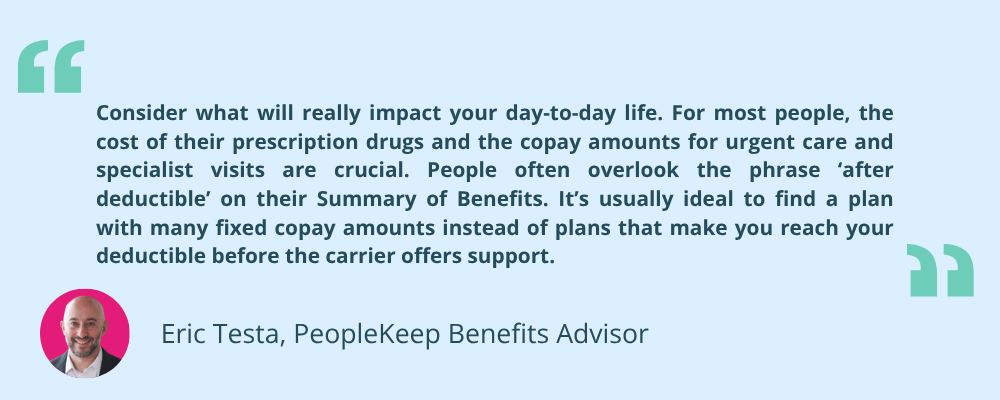
Experts advise consumers to look beyond the monthly premium when evaluating the "true cost" of a plan. Eric Testa, a Benefits Advisor at PeopleKeep, emphasizes the importance of fixed costs. "For most people, the cost of their prescription drugs and the copay amounts for urgent care and specialist visits are crucial," Testa noted. He warned that many shoppers overlook the phrase "after deductible" in their Summary of Benefits. "It’s usually ideal to find a plan with many fixed copay amounts instead of plans that make you reach your deductible before the carrier offers support."
The Strategic Shift: HRAs and the Decoupling of Benefits
A significant trend in the 2026 healthcare market is the increasing use of Health Reimbursement Arrangements (HRAs) by employers. Rather than providing a one-size-fits-all group plan, many businesses now offer a Qualified Small Employer HRA (QSEHRA) or an Individual Coverage HRA (ICHRA).
Under these arrangements, employers provide employees with a tax-free monthly allowance, which the employees then use to purchase their own individual health insurance on the open market. This allows workers to choose the plan that best fits their personal medical needs while the employer avoids the administrative burden of managing a group policy. To participate in these HRAs, employees must enroll in a plan that meets Minimum Essential Coverage (MEC) requirements, further driving growth in the individual marketplace.
Where to Shop: Public vs. Private Exchanges
The "where" of health insurance shopping is just as important as the "what." Consumers generally have three main avenues for enrollment:
1. Public Health Exchanges
Operated by federal or state governments, these marketplaces (such as HealthCare.gov) are the only venues where consumers can access federal subsidies, including Premium Tax Credits (PTCs) and cost-sharing reductions. These subsidies are based on household income and can significantly lower the monthly cost of insurance. Public exchanges offer "navigators"—licensed assistants who provide unbiased help to shoppers.
2. Private Health Exchanges and Brokers
Private exchanges are managed by insurance companies, technology vendors, or brokers. While they do not offer federal subsidies, they often provide a broader range of products, including "off-exchange" plans that may not be available on government sites. Brokers are particularly valuable for their deep industry knowledge and ability to help consumers navigate complex provider networks.
3. Healthcare Shopping Companies
A new generation of healthcare technology companies, such as HealthSherpa and Stride, has emerged to streamline the shopping experience. These platforms often aggregate plans from multiple carriers and provide user-friendly interfaces that allow consumers to filter options based on their specific doctors or prescription medications. Many of these companies provide year-round support, assisting users with claims or coverage questions long after the initial enrollment period has ended.
The Financial Risk of Remaining Uninsured
Despite the availability of affordable plans, some young or healthy individuals may be tempted to forgo insurance. However, the financial implications of being uninsured in 2026 are severe. Medical debt remains a leading cause of bankruptcy in the United States.
The cost of unexpected medical events is staggering. For example, the average cost of an inpatient hospital stay for the treatment of heart disease is approximately $21,560. Without insurance, an individual would be responsible for the entirety of this bill. Even a Bronze plan or a High Deductible Health Plan (HDHP) acts as a financial safety net, capping the maximum out-of-pocket exposure for the policyholder and preventing a medical crisis from turning into a total financial collapse.
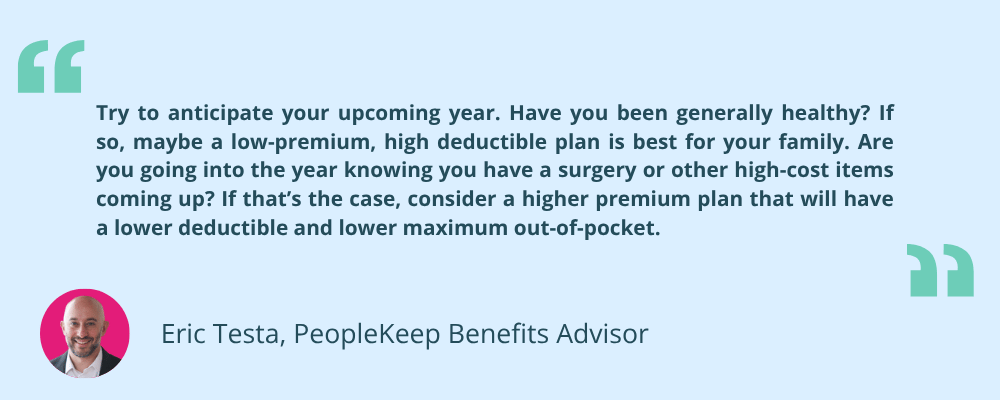
Testa recommends that consumers anticipate their upcoming year when choosing a plan. "Have you been generally healthy? If so, maybe a low-premium, high deductible plan is best for your family. Are you going into the year knowing you have a surgery or other high-cost items coming up? If that’s the case, consider a higher premium plan that will have a lower deductible and lower maximum out-of-pocket."
Conclusion: A Market Defined by Choice and Complexity
The 2026 individual health insurance market is characterized by a level of consumer choice never before seen in the American healthcare system. While the complexity of metal tiers, tax credits, and provider networks can be daunting, the resources available to consumers—from government navigators to private shopping platforms—have become more sophisticated and accessible.
As the link between employment and health insurance continues to weaken through the rise of HRAs and the gig economy, the individual market will likely remain the primary theater for healthcare innovation and consumer empowerment. For the modern consumer, the "perfect" plan is no longer a myth, but a reality that can be found through diligent comparison, an understanding of actuarial values, and a clear-eyed assessment of one’s own medical and financial future. Proper enrollment is not merely a regulatory hurdle; it is a fundamental component of long-term health and wealth management.