
The modern Human Resources landscape is characterized by a complex web of competing demands, often pitting the strategic objectives of the business against the evolving expectations of its workforce. This inherent tension, according to insights gathered from HR leaders and data analysis by Quantum Workplace, is a primary reason why many organizational strategies stall. The prevailing challenge is not a lack of effort or intention within HR departments, but rather a structural dynamic where optimizing for one side of the equation—be it business agility or employee well-being—can inadvertently compromise the other.
At the core of this dichotomy lie fundamental needs: businesses require speed and agility to remain competitive, while employees increasingly seek clarity and purpose in their roles. The demand for future-ready talent clashes with the employee desire for meaningful growth, and the pursuit of sustained performance often falters when employees feel their contributions are not adequately recognized or valued. HR professionals find themselves at the nexus of these opposing forces, frequently driven by an instinct to prioritize one need over the other, leading to suboptimal outcomes and stalled initiatives.
A more effective approach, as suggested by Quantum Workplace’s analysis, involves shifting the organizational mindset from resolving these tensions to actively building the conditions where both business imperatives and employee aspirations can coexist and flourish. This reframing represents not a minor adjustment, but a fundamental redefinition of the HR function itself, moving it from a reactive problem-solver to a proactive architect of a thriving organizational ecosystem.

Defining a Thriving Team: The Synergy of Performance and Connection
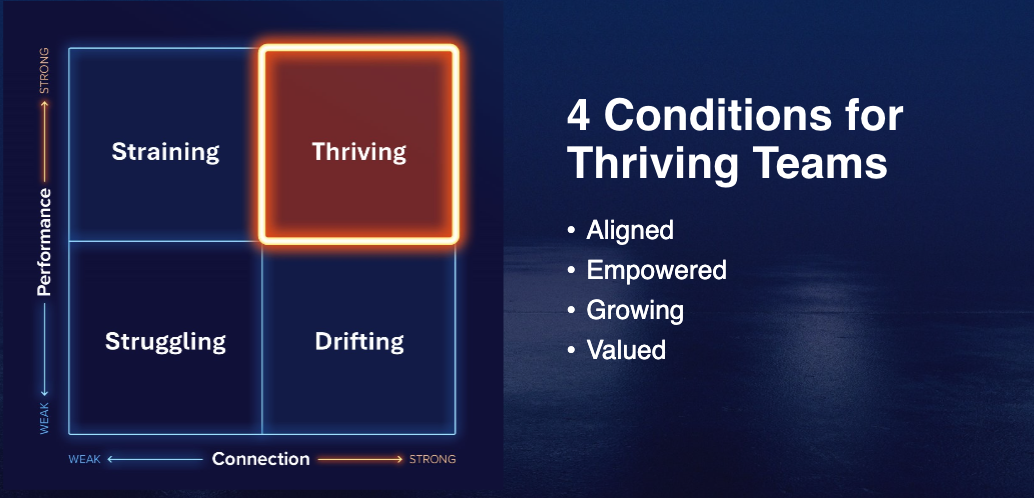
The concept of a truly thriving team is not one that excels solely in output or solely in camaraderie, but in the powerful synergy of both. Quantum Workplace defines such teams as possessing both strong performance and strong connection. Teams that achieve high performance without genuine connection are often characterized by unsustainable strain and burnout. Conversely, teams that prioritize connection without a focus on performance risk drifting into complacency and ineffectiveness. Neither scenario is conducive to long-term organizational health and success.
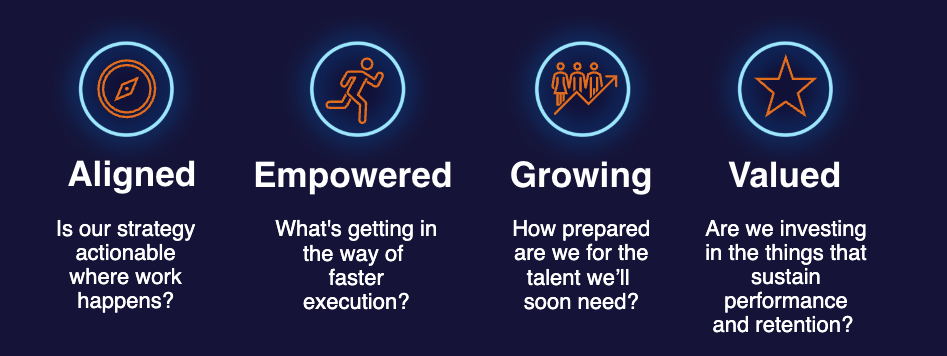
Quantum Workplace identifies four critical conditions that underpin a thriving team: Aligned, Empowered, Growing, and Valued. Each of these conditions directly addresses a persistent tension that HR leaders are currently managing. By honestly assessing these areas, organizations can unlock more effective strategies and actionable insights.
The Four Pillars of HR Strategy: Diagnostic Questions for Organizational Health
To foster environments where both business and employee needs are met, HR leaders must confront specific questions. These diagnostic inquiries, when answered with data and introspection, pave the way for strategic interventions that drive holistic organizational improvement.
1. Aligned: Is Our Strategy Actionable Where Work Happens?
The Tension: Organizations demand speed; employees need clarity.
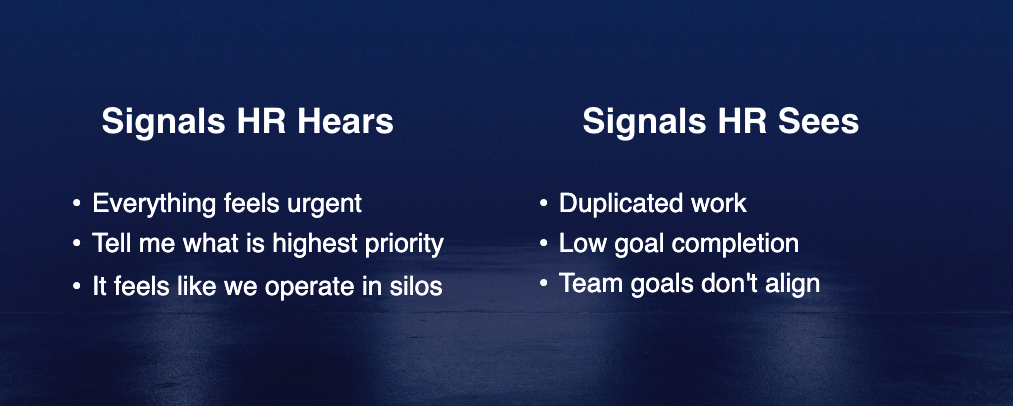
In conversations with HR leaders, the challenges surrounding alignment frequently manifest as a sense of urgency pervading all initiatives, operational silos, and a constant struggle to prioritize effectively. Data often reveals duplicated efforts, low goal completion rates, and team objectives that lack a clear connection to the overarching organizational strategy.
The critical diagnostic question here moves beyond simply asking if employees are aware of the company’s strategy. Instead, it probes whether the level of clarity varies significantly across different performance levels. When solid performers lack clarity, it can often be addressed through targeted managerial coaching to bridge the informational gap. However, when top performers also exhibit a lack of clarity, it signals a systemic organizational issue that manager-led coaching alone cannot resolve.
A deeper layer of inquiry involves assessing whether teams genuinely feel a sense of ownership and accountability for the strategy, or if it is perceived as a directive handed down from above. This distinction is crucial. Survey response patterns can effectively illuminate whether employees are truly aligned or have silently disengaged. Furthermore, these responses can be segmented to analyze other key outcomes, such as engagement scores and turnover risk, providing a quantifiable understanding of the cost associated with alignment gaps.
What Action Looks Like:
- Translating Strategy into Actionable Goals: Ensuring that high-level organizational objectives are clearly cascaded down to individual and team-level goals, making them tangible and understandable.
- Enhancing Communication Channels: Implementing robust communication strategies that ensure consistent and transparent information flow from leadership to all levels of the organization.
- Empowering Team Autonomy: Fostering environments where teams have the agency to determine how best to achieve their aligned objectives, balancing strategic direction with operational flexibility.
- Regular Strategy Review and Feedback Loops: Establishing mechanisms for ongoing dialogue about the strategy, allowing for adjustments based on real-time feedback and performance data.
2. Empowered: What’s Getting in the Way of Faster Execution?
The Tension: Organizations require accelerated execution; employees need fewer barriers.
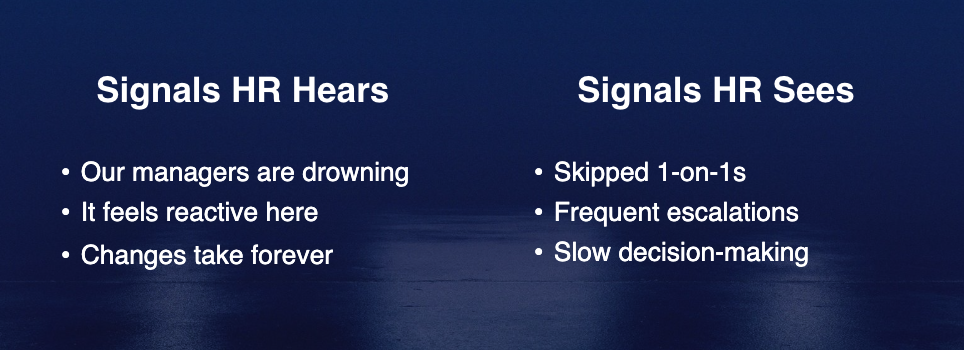
Consistent signals of this tension include managers feeling overwhelmed, a pervasive sense of reactivity, and prolonged decision-making processes. This can manifest as skipped one-on-one meetings, frequent escalations, and decisions that take days or weeks to materialize.
Intriguingly, data analysis reveals that barriers to execution are not always immediately apparent. Connecting business Key Performance Indicators (KPIs), such as on-time delivery rates, with employee feedback can expose these impediments in surprising ways. For instance, in one analyzed case, the availability of materials or equipment was not the primary differentiator for on-time delivery. Instead, the adoption rate of Artificial Intelligence (AI) tools proved to be a significant factor. This type of specific, counterintuitive insight often surfaces only when data from disparate systems is integrated and analyzed.
A critical, and often overlooked, aspect of this tension is the "manager experience gap." Data from various organizations consistently shows that managers often score significantly lower than non-managers on key metrics related to recognition, performance clarity, and understanding their place in the organization’s future. For example, one organization’s data revealed a 30% gap in employees knowing they would be recognized for contributing to organizational success, with managers reporting this at 57% compared to non-managers at 87%. Similar substantial gaps were observed in understanding performance measurement (26% difference) and understanding their role in future plans (23% difference).
These findings underscore a fundamental truth: managers cannot effectively empower their teams when they themselves do not feel empowered. This is not a matter of individual personality but a structural issue embedded within the organizational framework.
What Action Looks Like:
- Streamlining Decision-Making Processes: Identifying and removing bureaucratic hurdles that impede timely decision-making and empowering individuals at appropriate levels to make critical choices.
- Investing in Managerial Development: Providing managers with the training, resources, and support they need to effectively lead, empower, and develop their teams.
- Equipping Employees with Necessary Tools and Resources: Ensuring that employees have access to the technology, information, and support required to perform their roles efficiently and effectively.
- Fostering a Culture of Psychological Safety: Creating an environment where employees feel safe to voice concerns, take calculated risks, and learn from mistakes without fear of retribution.
3. Growing: How Prepared Are We for the Talent We’ll Soon Need?
The Tension: Organizations need future-ready talent; employees desire meaningful growth.
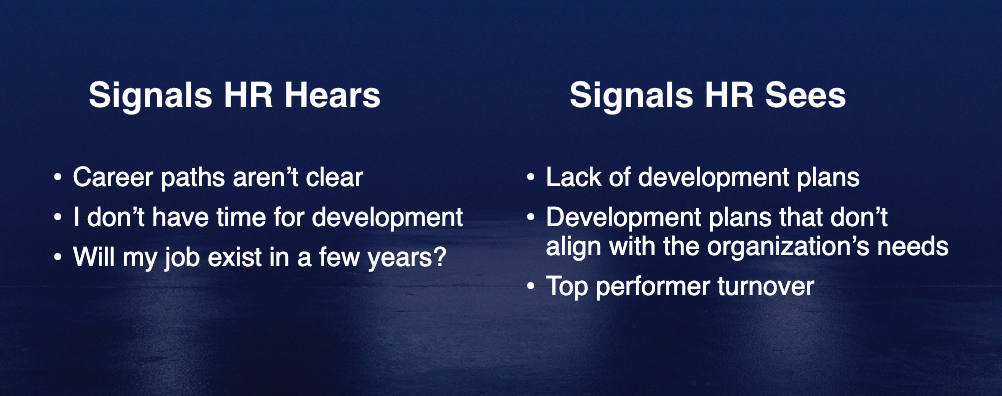
A common sentiment expressed by employees is the lack of clear career pathways, insufficient time dedicated to professional development, and an increasing anxiety about job security in the face of technological advancements. Employees are asking critical questions like, "Will my job even exist in a few years?"
The most impactful diagnostic question in this domain shifts from merely asking about the existence of development plans to assessing their active engagement and connection to employees’ daily work experiences. A documented growth plan that is rarely referenced or acted upon does not contribute to employee development. Conversely, a stretch project that actively builds skills critical for the business’s future trajectory represents a far more effective approach to fostering growth.
Leveraging data from succession planning initiatives provides an additional layer of insight. By integrating candidate status with employee survey feedback, organizations can determine if they are intentionally developing the talent most crucial for their future success, rather than assuming such development is occurring organically. Furthermore, feedback from a candidate’s team can offer valuable perspectives on their actual leadership effectiveness.
The overarching principle for fostering growth is to shift it from a periodic, formal process to an ongoing, everyday experience embedded within the fabric of work. Projects, challenges, and real-world priorities should serve as the primary vehicles for skill development and career progression.
What Action Looks Like:
- Embedding Development in Daily Work: Integrating learning opportunities into projects, assignments, and daily tasks, making development a continuous process rather than a separate initiative.
- Creating Clear Career Pathways: Establishing transparent and accessible career progression frameworks that outline opportunities for advancement and skill development.
- Proactive Skill Gap Analysis: Regularly assessing future talent needs and identifying current skill gaps to inform development programs and recruitment strategies.
- Mentorship and Sponsorship Programs: Implementing structured programs that connect employees with experienced mentors and sponsors who can guide their career development.
4. Valued: Are We Reinforcing What Matters Most?
The Tension: Organizations require sustained performance; employees want to feel valued.
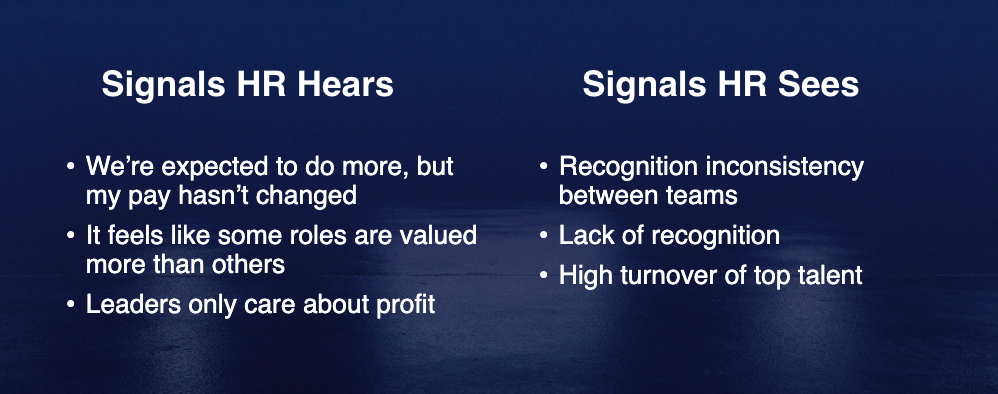
Common feedback includes sentiments like, "We’re expected to do more, but our pay hasn’t changed," "It feels like some roles matter more than others," and "Leaders only care about profit." On the data front, this often translates to inconsistent recognition practices across teams and high turnover among key personnel.
Reframing this conversation around Return on Investment (ROI) is a powerful diagnostic approach. When turnover is driven by employees feeling undervalued, recognition transforms from a purely cultural initiative into a financial imperative. By directly linking retention risk to recognition data, organizations can quantify the financial impact of employees not feeling valued.
It’s also crucial to recognize that feeling valued is not solely a concern for top performers. Solid contributors, who often represent the largest segment of any organization, also need to feel that their impact is recognized and significant. Recognition programs that exclusively target high performers inadvertently overlook a substantial portion of the workforce. Integrating talent reviews or performance ratings with employee feedback can clearly illuminate these patterns.
What Action Looks Like:
- Implementing Fair and Transparent Compensation and Recognition Systems: Ensuring that compensation structures and recognition programs are equitable, clearly communicated, and aligned with organizational values and performance.
- Regularly Soliciting and Acting on Employee Feedback: Creating channels for employees to voice their opinions and concerns, and demonstrating that this feedback is heard and acted upon.
- Promoting a Culture of Appreciation: Encouraging managers and peers to regularly acknowledge and appreciate the contributions of their colleagues, fostering a positive and supportive work environment.
- Connecting Individual Contributions to Organizational Impact: Clearly articulating how individual efforts contribute to the broader success of the organization, helping employees understand the significance of their work.
The Path Forward: Building Conditions for Mutual Flourishing
While each of the four identified tensions may present differently on the surface, they share a common structural characteristic: the needs of the business and the needs of employees are in apparent opposition, with HR often caught in the middle. The conventional instinct is to choose a side. However, a more effective and sustainable strategy involves cultivating an environment where both sets of needs can be simultaneously met.
Teams that are aligned, empowered, growing, and valued are not the result of compromise; they represent the very foundation of sustainable business performance. The role of HR, therefore, is not to personally resolve every conflict, but to guide the organization in asking and answering more insightful questions.
The right talent platform can be instrumental in this transformation. Quantum Workplace’s integrated approach connects insights from engagement, performance, development, and recognition into a unified view. This empowers every leader, from HR professionals to frontline managers, with the clarity and confidence to act on what truly matters, fostering an environment where both the organization and its people can thrive. The data to answer these critical questions already exists within most organizations; the key lies in connecting it and utilizing it to build a more resilient and prosperous future.