
Northern Virginia has dramatically reshaped the landscape of commercial real estate (CRE) investment, seizing the top spot among U.S. markets in the first half of 2026. This unprecedented surge, with sales reaching a staggering $11.5 billion, represents a colossal 259% increase from the same period in the previous year. The region’s ascent from the eleventh position to the pinnacle of CRE investment is not indicative of a broad-based recovery across all property types, but rather a powerful testament to the outsized impact of a few monumental transactions, particularly within the burgeoning data center sector. This shift dethroned perennial leaders Dallas and Manhattan, underscoring the evolving dynamics of capital allocation in the commercial real estate sphere, according to data compiled by MSCI Real Capital Analytics and reported by CRE Daily.
The sheer scale of investment in Northern Virginia’s data center infrastructure is the primary catalyst for its market dominance. A single, colossal transaction – Digital Realty’s $5.6 billion acquisition of four data center properties from Blackstone – accounted for a substantial portion of the region’s first-half sales volume. This singular deal highlights how a concentrated influx of capital into a specialized asset class can profoundly influence overall market rankings. In fact, data centers constituted more than half of Northern Virginia’s total CRE sales during this reporting period, illustrating a clear sectoral focus rather than a widespread upswing across the entire commercial real estate spectrum.
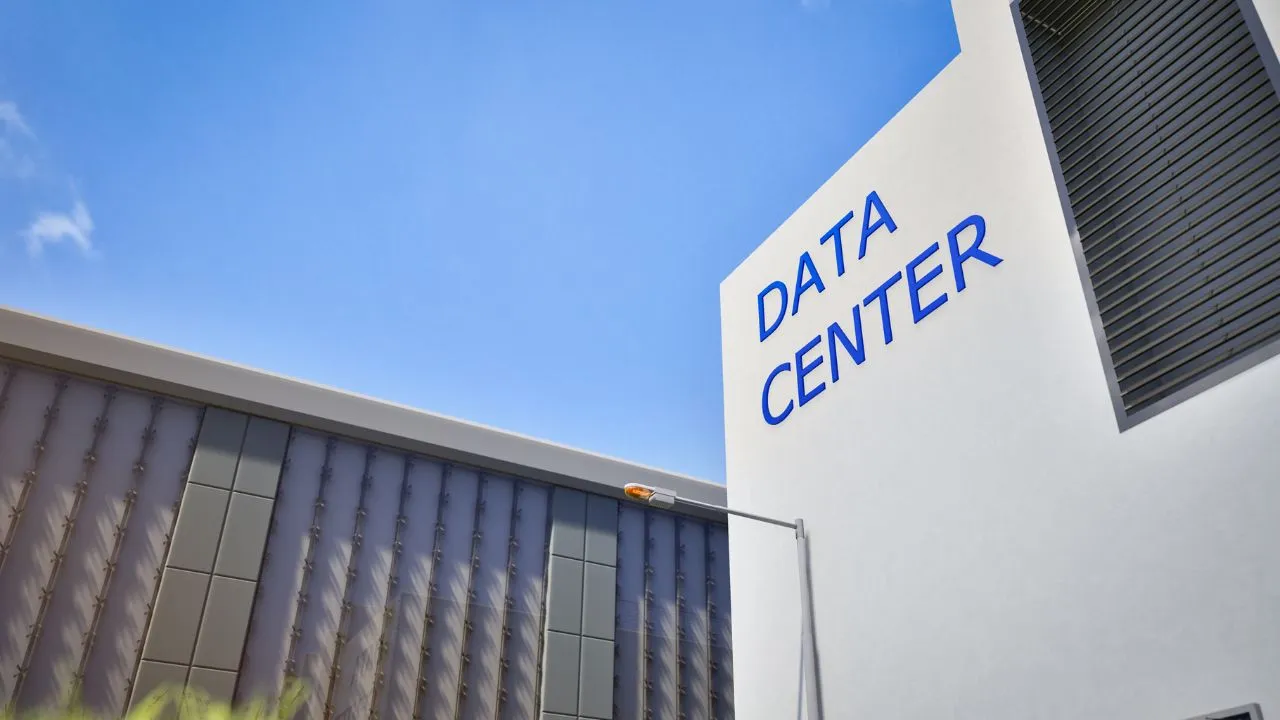
This phenomenon is not isolated to Northern Virginia; a similar trend of concentrated capital flows into data centers is being observed on a national level. U.S. data center transaction volume experienced an extraordinary surge, reaching $7.7 billion in the second quarter alone. This figure represents an astonishing 1,806% increase compared to the second quarter of the preceding year. For the first half of 2026, the cumulative volume for data center transactions reached $8.5 billion, marking a robust 476% leap year-over-year. The data further reveals the highly concentrated nature of this capital deployment: only 23 data center transactions were finalized in the second quarter. This limited number of deals, coupled with the substantial volume, emphasizes that significant amounts of capital are being funneled into a relatively small number of high-value acquisitions.
The implications of this trend are far-reaching. It suggests a strategic pivot by institutional investors and real estate firms, recognizing the accelerating demand for digital infrastructure driven by cloud computing, artificial intelligence, and the ever-increasing volume of data generated globally. The demand for secure, high-capacity data storage and processing facilities is outstripping traditional real estate sectors, attracting substantial investment.
The Data Center Boom: A New Kingmaker in CRE
The rapid rise of Northern Virginia to the forefront of CRE investment is intrinsically linked to the explosive growth of the data center market. Historically, markets like Dallas have consistently held the top positions for extended periods, with Dallas having maintained its leadership for six consecutive years prior to this recent shift. In the first half of 2026, Dallas recorded $11.4 billion in CRE sales, a figure that remained largely unchanged from the previous year. This stability, when contrasted with Northern Virginia’s meteoric rise, underscores how a single, massive transaction in a high-demand sector can dramatically reorder market rankings. The data unequivocally shows that Northern Virginia’s success is not a reflection of broad economic revitalization or a generalized recovery across its commercial property portfolio, but rather a direct consequence of strategic investments in digital infrastructure.

The underlying drivers of this data center surge are multifaceted. The relentless expansion of cloud services, the proliferation of artificial intelligence and machine learning applications, and the exponential growth of data consumption across all industries necessitate a robust and scalable digital infrastructure. Companies are increasingly reliant on data centers to house their critical IT operations, leading to a surge in demand for both new construction and the acquisition of existing facilities. The COVID-19 pandemic further accelerated this trend, as remote work and digital engagement became the norm, placing immense pressure on existing data center capacity.
Beyond Data Centers: Other Markets Show Sectoral Strength
While data centers are clearly the dominant force propelling Northern Virginia to the top, other U.S. markets are also experiencing significant CRE investment, albeit driven by different property types. Chicago, for instance, secured the third position nationally with $9.6 billion in first-half sales. Its performance was bolstered by strong activity in the apartment and industrial sectors, indicating a more diversified investment base. This suggests that while specialized sectors like data centers can create outliers, a healthy CRE market often benefits from a broader range of asset classes performing well.
Northern New Jersey also demonstrated robust performance, with $7.9 billion in CRE sales during the first half of the year. In this market, apartments played a pivotal role, accounting for a significant 55% of its total transaction volume. This highlights the sustained investor confidence in the residential real estate sector, driven by demographic trends and ongoing demand for housing. The performance of these markets illustrates that while data centers are currently commanding significant attention and capital, other established property types continue to attract substantial investment, albeit without the same dramatic year-over-year percentage gains seen in the data center segment.

Historical Context and Future Implications
The first half of 2026 marks a significant inflection point in commercial real estate investment patterns. For years, markets have been evaluated based on a combination of factors including office occupancy rates, retail performance, industrial demand, and multifamily rental trends. However, the emergence of data centers as a primary driver of investment volume signifies a fundamental shift. This trend is rooted in the accelerating digital transformation of the global economy.
The concentration of investment in data centers raises several key considerations for the CRE market:
- Infrastructure Investment: The massive capital inflows into data centers necessitate ongoing investment in supporting infrastructure, including power grids, fiber optic networks, and transportation links. This could stimulate further development and economic activity in regions that are becoming hubs for digital infrastructure.
- Specialized Expertise: Investing in and developing data centers requires specialized knowledge and operational expertise. This is leading to the growth of specialized real estate investment firms and developers with a focus on this niche.
- Geographic Concentration: While Northern Virginia has emerged as a leader, other regions with access to abundant power, reliable connectivity, and skilled labor are likely to see increased data center development and investment. This could lead to a geographic redistribution of CRE investment focus.
- Sustainability Concerns: The energy-intensive nature of data centers is bringing sustainability to the forefront. Investors and developers are increasingly looking for ways to improve energy efficiency and utilize renewable energy sources to power these facilities, which could influence future development and investment strategies.
- Market Volatility: The reliance on a few large deals to drive market rankings can introduce volatility. A slowdown in major data center acquisitions or a shift in investor sentiment could lead to rapid changes in market positions.
Investor Sentiment and Market Outlook
Industry analysts have noted the transformative impact of data center investments. "We are witnessing a paradigm shift in commercial real estate," commented [Fictional Analyst Name], Senior Real Estate Strategist at [Fictional Research Firm]. "The insatiable demand for digital services has made data centers a critical asset class, attracting capital that might have previously been allocated to more traditional sectors. The sheer scale of these transactions is rewriting the rules of market valuation and investment strategy."

The outlook for the data center sector remains robust, driven by continuous technological advancements and the increasing digitization of nearly every aspect of life. While the surge in Northern Virginia is largely attributable to specific large-scale acquisitions, it points to a broader, sustained trend of investment in digital infrastructure. Other property types, such as industrial and multifamily, are expected to continue performing well, but the outsized impact of data centers on investment rankings is likely to persist in the near to medium term.
The shift in CRE rankings serves as a clear signal to investors, developers, and policymakers about the evolving demands of the modern economy. As the world becomes increasingly digital, the real estate that underpins this digital infrastructure will continue to be a critical and highly sought-after asset class, reshaping investment portfolios and urban development for years to come. The story of Northern Virginia’s ascent is not just about a real estate market; it’s a narrative of how the digital revolution is profoundly influencing the physical world of commerce and investment.