The global corporate training market, valued at over $370 billion, faces a persistent and systemic challenge: the disconnect between high-level investment in learning and development (L&D) and the actual adoption of these programs by the workforce. While organizations are prioritizing upskilling to combat the widening skills gap, many find that their sophisticated learning platforms remain underutilized. This phenomenon, often referred to as the "adoption gap," suggests that the quality of educational content is rarely the primary failure point. Instead, the friction lies within the structural, cultural, and technological environments in which learning is delivered. As businesses navigate a landscape defined by rapid digital transformation and shifting economic pressures, the ability to drive learning adoption at scale has become a critical indicator of organizational agility and long-term viability.
The Evolution of Corporate Learning: A Chronological Perspective
To understand the current barriers to adoption, it is essential to trace the trajectory of professional development over the last three decades. The shift from centralized, classroom-based training to the modern, decentralized digital ecosystem has fundamentally altered how employees interact with information.
In the late 1990s and early 2000s, corporate training was primarily a periodic event. Employees attended off-site seminars or classroom sessions, where adoption was mandated by physical presence. The introduction of the first Learning Management Systems (LMS) in the mid-2000s shifted this model toward "e-learning," allowing for digital delivery but often resulting in "click-through" compliance exercises that lacked engagement.
By the 2010s, the rise of the Learning Experience Platform (LXP) and video-based content (pioneered by platforms like YouTube and LinkedIn Learning) introduced the concept of self-directed learning. However, this period also introduced "content overload," where employees were overwhelmed by choices, leading to decision paralysis and declining completion rates.
Entering the 2020s, the focus shifted toward "learning in the flow of work." The COVID-19 pandemic accelerated the need for remote-accessible training, yet it also highlighted the "zoom fatigue" and digital burnout that now serve as primary inhibitors to voluntary learning. Today, the challenge for learning leaders is no longer about providing access to information, but about removing the friction that prevents that information from being utilized.
Identifying the Structural and Cultural Barriers to Adoption
The failure of a learning strategy is rarely a result of a single flaw. Industry analysis identifies five recurring barriers that prevent employees from engaging with L&D initiatives. These barriers create a "friction tax" that discourages even the most motivated employees from pursuing professional growth.
- The Time Scarcity Paradox: The most cited reason for low learning adoption is a lack of time. In a high-productivity environment, employees often view learning as an "extra" task that competes with their primary responsibilities. Without dedicated time blocked for development, learning is relegated to the bottom of the priority list.
- Technological Fragmentation: When learning platforms are not integrated into the tools employees use daily (such as Slack, Microsoft Teams, or CRM systems), the act of logging into a separate portal becomes a significant barrier. Each additional click required to access training reduces the likelihood of participation by a measurable margin.
- The Relevance Gap: Generalist content often fails to address the specific, immediate needs of a worker’s role. If an employee cannot see a direct line between a training module and their ability to solve a current problem, they are unlikely to commit the mental energy required to complete it.
- Passive Leadership Culture: If executive leadership and middle management do not actively model or reward learning behaviors, employees perceive L&D as a "check-the-box" compliance requirement rather than a path to career advancement.
- Poor User Experience (UX): In an era of intuitive consumer apps, clunky, outdated, or difficult-to-navigate LMS interfaces create immediate frustration. If the learning environment feels archaic, the content within it is perceived as less valuable.
Data-Driven Insights: The High Cost of Low Adoption
Recent data from global research firms underscores the financial and operational stakes of the learning adoption gap. According to a 2023 LinkedIn Learning report, 94% of employees say they would stay at a company longer if it invested in their career development. However, Gartner research indicates that 70% of employees report they do not have the skills necessary to do their jobs effectively, despite the abundance of available training.
This discrepancy highlights a massive waste of resources. Organizations that fail to achieve high adoption rates see a significantly lower Return on Investment (ROI) on their software licenses and content subscriptions. Furthermore, low adoption correlates with higher turnover rates. A study by Gallup found that organizations with high employee engagement—driven in part by robust development opportunities—see 21% higher profitability and a 59% decrease in turnover. Conversely, when learning adoption is low, workforce readiness stagnates, leaving the company vulnerable to competitors who can pivot more quickly to new technologies, such as generative AI.
Strategic Frameworks for Removing Roadblocks
To bridge the gap, learning leaders must transition from being "content curators" to "experience architects." This requires a shift in focus from what is being taught to how it is being accessed and reinforced. Industry experts suggest five practical interventions to improve adoption rates:
Integration into the Flow of Work
Learning should not be a destination; it should be an integrated feature of the workspace. By utilizing modern platforms like Litmos, organizations can embed learning modules directly into the software employees already use. For example, a salesperson could receive a micro-learning prompt about a specific product feature directly within their CRM while they are preparing a proposal.
Personalization Through Data Analytics
A "one-size-fits-all" approach is a primary driver of disengagement. By leveraging AI and data insights, learning leaders can deliver personalized recommendations based on an employee’s job role, past performance, and career aspirations. Personalization transforms a generic library into a curated path, making the content feel essential rather than optional.
The Rise of Micro-learning and Mobile Accessibility
The modern attention span and the reality of mobile work require content to be delivered in "bite-sized" formats. Modules that are 5 to 10 minutes long are significantly more likely to be completed than hour-long seminars. Furthermore, ensuring that all learning materials are mobile-optimized allows employees to engage during transit or "between-task" periods.
Incentivization and Social Learning
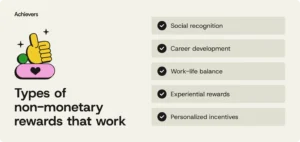
Humans are inherently social and competitive. Implementing gamification—such as leaderboards, badges, and certificates—can drive initial engagement. However, long-term adoption is better supported by social learning, where employees can share insights, ask questions, and collaborate on learning paths within their peer groups.
Managerial Accountability
For learning to become part of the organizational DNA, it must be tied to performance reviews and development conversations. When managers are tasked with discussing learning progress during one-on-ones, it signals to the employee that their growth is a business priority, not a side project.
The Role of Modern Learning Platforms: A Case for Litmos
The infrastructure used to deliver training plays a disproportionate role in adoption success. Platforms like Litmos are designed specifically to address the "friction" points identified by L&D professionals. By providing a streamlined, intuitive interface and robust API capabilities, Litmos allows organizations to reduce the complexity of their learning ecosystems.
Visibility is another key factor. Litmos provides learning leaders with actionable insights—real-time data on who is learning, what they are struggling with, and where the drop-off points occur. This allows for iterative improvements to the strategy. Instead of launching a program and hoping for the best, leaders can use data to pivot their approach, ensuring that the learning environment remains relevant and high-impact.
Broader Impact and Implications for the Future of Work
The push for higher learning adoption is not merely an internal HR goal; it is a macroeconomic necessity. As the "half-life" of skills continues to shrink—now estimated to be only five years in many technical fields—the ability of a company to rapidly re-skill its workforce is its greatest competitive advantage.
When adoption rates improve, the organization experiences a "compounding interest" effect. Employees become more proficient, leading to higher quality output and innovation. This, in turn, fosters a culture of continuous improvement that attracts top talent. In the broader context of the global labor market, companies that master learning adoption will be the ones that survive the "Great Reshuffle" and the disruptions caused by automation.
For learning leaders, the path forward involves a rigorous audit of the current employee experience. By asking critical questions about accessibility, relevance, and reinforcement, organizations can identify exactly where the adoption chain is breaking. The transition from a culture of "mandatory training" to a culture of "continuous learning" is a difficult but necessary evolution. Those who succeed in removing the barriers to adoption will not only see better metrics but will build a more resilient, capable, and engaged workforce ready to face the uncertainties of the future.