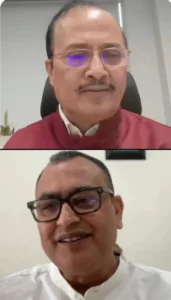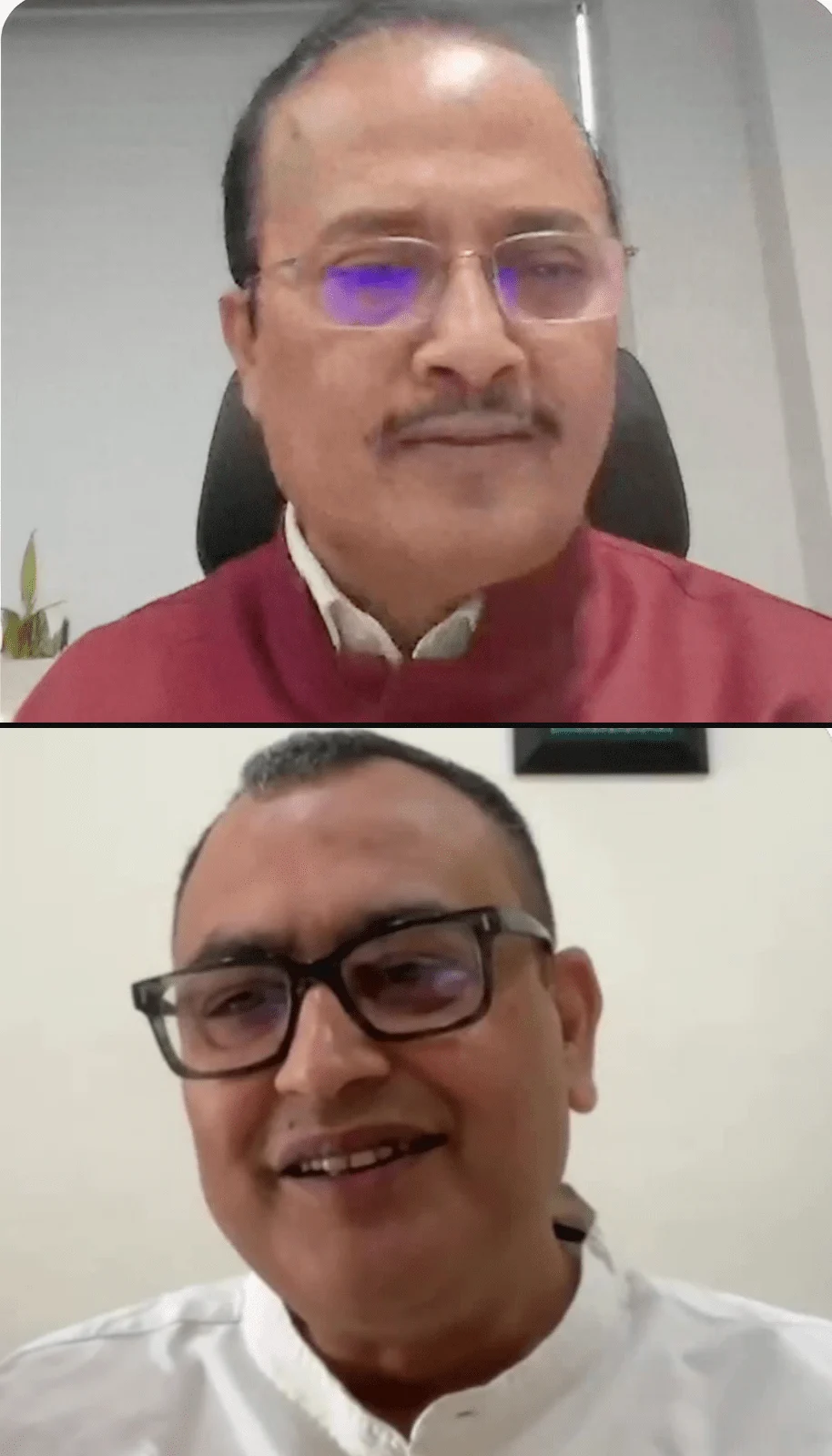
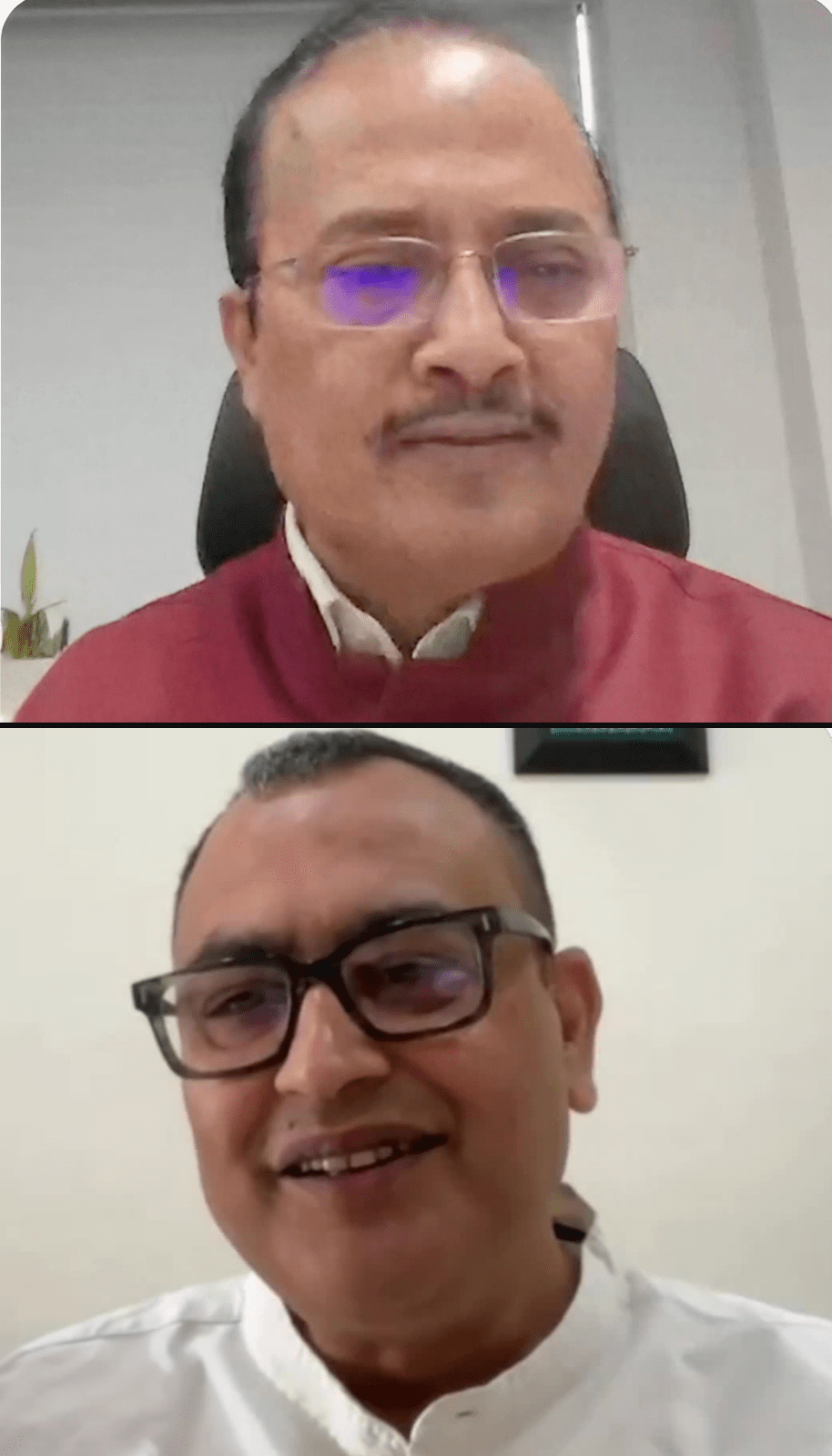
In a pivotal moment from the inaugural episode of "The CHRO Playbook," Shailesh Singh, Chief People Officer at Axis Max Life Insurance, articulated a profound insight into the mechanics of organizational dynamics, positing that culture functions as the "deputy CEO." This compelling metaphor underscores culture’s pervasive and often understated influence, shaping employee behaviour and decision-making long after formal meetings conclude and leadership directives are issued. The discussion, hosted by Dr. Prajjal Saha and enriched by insights from John Cherian, Founder & CEO of enParadigm, meticulously explored the intricate relationship between organizational culture and sustainable capability building, arguing that the former is as crucial as structured learning programmes in fostering lasting development.
The Metaphor Unpacked: Culture as the ‘Deputy CEO’
Shailesh Singh’s characterization of organizational culture as the "deputy CEO" offers a fresh lens through which to view its strategic importance. While a Chief Executive Officer provides vision, sets strategy, and makes high-level decisions, the "deputy CEO" — the organizational culture — ensures the consistent execution and embodiment of these principles across all levels of the enterprise. This silent leader operates 24/7, influencing how employees interact, solve problems, make choices, and ultimately, whether they thrive or merely survive within the corporate ecosystem. Culture dictates the unwritten rules, the accepted norms, and the collective values that guide behaviour, often more powerfully than any official policy document or direct managerial command.
Singh highlighted that this cultural deputy’s influence is particularly evident in the absence of direct supervision. When a meeting concludes, or a manager leaves the room, it is the ingrained culture that dictates how individuals proceed, whether they adhere to ethical standards, collaborate effectively, or take initiative. A strong, positive culture fosters alignment, encourages innovation, promotes accountability, and builds resilience. Conversely, a toxic or misaligned culture can stifle creativity, breed cynicism, and undermine even the most meticulously planned strategies. It serves as the bedrock upon which all other organizational initiatives, including critical capability building efforts, either flourish or falter. The implication is clear: leaders must recognize culture not as an abstract concept, but as a tangible, powerful force requiring deliberate design, consistent nurturing, and strategic oversight, much like any other senior executive function.
The CHRO Playbook: A New Forum for Strategic HR Insights
"The CHRO Playbook" emerges as a timely and essential platform dedicated to dissecting contemporary human resources challenges and opportunities. Launched by HR Katha, a prominent digital publication focused on HR news and analysis, the series aims to bring together leading CHROs and HR thought leaders to share their invaluable experiences, innovative strategies, and future-forward perspectives. Dr. Prajjal Saha, serving as the host, steers these discussions, facilitating a deep dive into topics that are reshaping the modern workforce. The inaugural episode, featuring Shailesh Singh, set a high bar by immediately addressing a foundational element of organizational success: culture.
HR Katha’s initiative with "The CHRO Playbook" underscores the evolving role of the Chief Human Resources Officer. Once primarily administrative, the CHRO function has transformed into a strategic imperative, with HR leaders now sitting at the executive table, influencing business strategy, talent acquisition, organizational design, and, crucially, culture. The series serves as a testament to this evolution, providing a forum for peers to learn from each other and for the broader HR community to gain actionable insights into navigating an increasingly complex business landscape. By focusing on the "playbook" aspect, the series promises practical frameworks and proven methodologies that CHROs can adapt and implement within their own organizations. This particular episode’s emphasis on culture as a strategic asset positions the series as a thought leader in the HR domain right from its inception.
Beyond Programs: Culture’s Pivotal Role in Capability Building
The discussion moved beyond the traditional view of capability building, which often prioritizes formal training programs, workshops, and e-learning modules. While these are undoubtedly vital components, the episode highlighted that their efficacy is profoundly dependent on the prevailing organizational culture. John Cherian, Founder & CEO of enParadigm, a firm specializing in experiential learning and capability development, contributed significantly to this perspective. His insights underscored that learning is not merely about knowledge acquisition but about its application and integration into daily work practices. This transfer of learning is where culture plays its most critical role.
Capability building, at its core, is about developing the inherent strengths and competencies of an organization to achieve its strategic objectives. This encompasses technical skills, leadership prowess, problem-solving abilities, and adaptive capacities. A culture that champions a growth mindset, encourages experimentation, tolerates constructive failure, and rewards continuous learning acts as a powerful accelerator for capability development. Conversely, a culture that is risk-averse, punitive towards mistakes, resistant to change, or characterized by siloed thinking can effectively negate the investments made in even the most sophisticated learning programs. Employees in such environments may attend training, but without a supportive cultural context, they are less likely to apply new skills, share knowledge, or challenge existing paradigms.
For instance, a company investing in agile methodologies requires a culture that embraces iterative processes, cross-functional collaboration, and rapid feedback loops. Without this cultural alignment, agile training remains a theoretical exercise, failing to translate into tangible operational improvements. The episode’s consensus was clear: sustainable capability building is a holistic endeavor, demanding an integrated approach where learning initiatives are meticulously designed to resonate with and be amplified by a supportive organizational culture.
Empirical Evidence: The Tangible Impact of Organizational Culture
The notion that organizational culture is a strategic asset is not merely anecdotal; it is substantiated by a wealth of empirical research and corporate success stories. Numerous studies consistently demonstrate a strong correlation between a positive, well-defined culture and key business outcomes, including employee engagement, retention, innovation, customer satisfaction, and financial performance.
For example, a study by Deloitte revealed that 94% of executives and 88% of employees believe a distinct workplace culture is important to business success. Companies with strong cultures have been shown to outperform their competitors. Research published in the Harvard Business Review indicated that companies with highly engaged employees, often a byproduct of strong culture, experience 21% higher profitability. Furthermore, a report by Gallup found that organizations with engaged workforces have higher earnings per share (EPS) and are more likely to recover faster from economic downturns.
In the realm of capability building, the impact of culture is equally pronounced. A survey by McKinsey & Company found that 70% of change initiatives fail due to employee resistance and unsupportive company culture. This highlights that even the most innovative learning programs designed to equip employees with new skills will flounder if the organizational environment does not encourage their application or provide the psychological safety to experiment with new approaches. Data consistently points to the fact that culture is not a soft aspect of business; it is a hard driver of performance and a critical determinant of an organization’s ability to adapt, innovate, and grow its human capital effectively. Investment in culture, therefore, translates directly into a higher return on investment for talent development and strategic initiatives.
Voices from the Discussion: Perspectives on Culture and Learning
While specific direct quotes from the full episode beyond the clip were not provided, the essence of the conversation allows for an understanding of the perspectives brought forth by the key participants. Shailesh Singh is understood to have passionately advocated for a proactive approach to culture management, emphasizing that neglecting culture is akin to leaving a critical leadership position vacant. His insights likely stressed that culture, like a diligent deputy, requires clear directives, consistent reinforcement, and a robust feedback mechanism to perform optimally. He would likely have underscored that leaders must move beyond merely defining values to actively living them, creating a cascade effect throughout the organization.
Dr. Prajjal Saha, as the host, likely framed the discussion within the broader context of strategic HR, positioning culture not as a departmental responsibility but as a shared leadership imperative. His guiding questions would have aimed to extract actionable strategies for CHROs looking to leverage culture for competitive advantage. His vision for "The CHRO Playbook" undoubtedly includes fostering such critical conversations that empower HR leaders to drive meaningful organizational transformation.
John Cherian’s contribution from enParadigm’s perspective would have focused on the practical interplay between learning design and cultural context. His insights would have elucidated how experiential learning methodologies, which enParadigm champions, can be particularly effective in shaping culture by providing safe spaces for practice, reflection, and peer learning. He likely argued that for learning to truly "stick," it must be embedded in the organizational fabric, supported by rituals, recognition systems, and leadership behaviours that reinforce the desired capabilities. The discussion would have highlighted that while training provides the "what" and "how," culture provides the "why" and "where" these new capabilities will be applied.
A Chronology of Strategic HR Evolution
The discussion on "The CHRO Playbook" is not an isolated thought but rather a significant milestone in the ongoing evolution of human resources as a strategic discipline. Historically, HR was largely viewed as an administrative function, primarily concerned with payroll, benefits, and compliance. The 1980s and 1990s saw the emergence of "Human Capital Management," shifting focus towards talent acquisition, performance management, and employee development. The early 2000s further elevated HR with the recognition of "talent management" as a competitive differentiator.
In recent years, particularly over the last decade, the role of HR, and specifically the CHRO, has undergone a dramatic transformation. With the rise of the knowledge economy, digital transformation, and increased focus on employee experience, HR leaders are now integral to shaping organizational strategy. Culture, once considered a soft, intangible aspect, has now ascended to the forefront as a strategic imperative. The COVID-19 pandemic further accelerated this shift, demonstrating the critical role of culture in organizational resilience, employee well-being, and adaptation to remote or hybrid work models.
"The CHRO Playbook" episode, released in this contemporary context, serves as a timely reflection of this evolution. It signals that HR has moved beyond merely managing people to actively designing the environments and fostering the cultures that enable people and organizations to thrive. The conversation featuring Shailesh Singh and other experts reinforces that understanding and actively shaping organizational culture is no longer an optional add-on for HR; it is a core strategic competency, fundamental to achieving business objectives in a rapidly changing world. This inaugural episode, therefore, marks a point in the timeline where culture is explicitly recognized as a strategic leadership function, akin to a "deputy CEO."
Implications for Leadership and the Future of Work
The insights from "The CHRO Playbook" carry profound implications for leaders across all echelons, particularly for CHROs and CEOs, and for the broader trajectory of the future of work. For CHROs, the message is a clear call to action: their role extends far beyond traditional HR functions. They are now chief culture architects and stewards, responsible for designing, nurturing, and protecting the organizational culture that will ultimately drive strategic success. This demands a deeper understanding of organizational psychology, change management, and strategic communication. CHROs must collaborate closely with CEOs and other C-suite executives to ensure that cultural initiatives are integrated into every aspect of business strategy, from talent acquisition and retention to innovation and market expansion.
For CEOs and boards, the discussion underscores that culture is not merely an HR responsibility; it is a critical business asset that directly impacts the bottom line. Neglecting culture is a strategic oversight that can lead to diminished engagement, high turnover, reduced productivity, and reputational damage. Recognizing culture as a "deputy CEO" means allocating appropriate resources, actively participating in cultural initiatives, and leading by example in embodying the desired values. This requires a shift in mindset, viewing culture investment not as an expense, but as a strategic enabler of long-term sustainable growth and competitive advantage.
In the context of the future of work, where hybrid models, artificial intelligence, and continuous disruption are becoming the norm, a strong, adaptable culture will be paramount. It is culture that will foster the psychological safety needed for employees to embrace new technologies, learn new skills, and navigate ambiguity. It is culture that will bind disparate teams, working across geographies and time zones, into a cohesive unit. The ability to build and sustain capabilities in an ever-evolving landscape will hinge on an organizational culture that champions agility, resilience, and a commitment to lifelong learning. The conversation initiated on "The CHRO Playbook" thus serves as a critical directive for organizations striving to build future-ready workforces capable of thriving amidst unprecedented change.
Conclusion
The inaugural episode of "The CHRO Playbook" delivered a compelling and timely message: organizational culture is not a peripheral element but a central, strategic force within any enterprise. Shailesh Singh’s evocative metaphor of culture as the "deputy CEO" powerfully encapsulates its pervasive influence on behaviour, decision-making, and, crucially, the efficacy of capability building initiatives. As organizations navigate increasingly complex and dynamic environments, the insights shared by Singh, Dr. Saha, and John Cherian serve as a vital blueprint for leaders. They emphasize that sustainable growth and true competitive advantage are achieved not just through robust learning programs, but through the deliberate cultivation of a culture that champions learning, adaptability, and unwavering commitment to shared values. The series promises to be a crucial resource for CHROs and business leaders alike, illuminating the path toward building resilient, high-performing organizations through the strategic mastery of their most powerful, yet often silent, leader: their culture.