The early hours of a new work week often bring a deluge of emails and deadlines, sometimes accompanied by a persistent inability to focus. This common experience, for many, transcends a mere "bad day" and signifies a deeper mental health challenge, a reality for nearly one in five adults in the U.S. annually, according to the National Institute of Mental Health (NIMH). Across the northern border in Canada, similar trends prevail, with approximately 23% of adults reporting mental health struggles, as indicated by Health-Infobase Canada. The corporate landscape is far from immune to this pervasive issue; indeed, mental health-related leaves of absence have surged by an alarming 300% in recent years, a statistic underscored by data from ComPsych. These figures paint a stark picture, emphasizing that mental health discourse in the workplace is not merely an optional add-on but an essential component of organizational health.
This pressing need for open dialogue and proactive support is precisely where Mental Health Awareness Month, observed every May, plays a critical role. It serves as an annual institutionalized opportunity to confront stress, burnout, and anxiety directly, moving beyond the historical tendency to dismiss or conceal these issues. By fostering environments where these topics can be discussed honestly, openly, and without the pervasive shadow of stigma, organizations can cultivate a culture of support. When employees feel genuinely supported, their capacity to merely "get through the day" transforms into a potential for genuine thriving, forming the bedrock of a robust company culture where individuals can achieve their peak performance and contribute meaningfully. This article will explore the origins, evolution, and strategic importance of Mental Health Awareness Month, offering insights into practical implementation and the critical imperative of sustaining its principles throughout the year.
The Genesis and Evolution of Mental Health Awareness Month
Mental Health Awareness Month (MHAM) was first established in 1949 by Mental Health America (MHA), an organization founded in 1909 by Clifford W. Beers, a former patient who dedicated his life to reforming mental healthcare. Beers’s seminal work, "A Mind That Found Itself," exposed the harsh realities of mental institutions and ignited the mental hygiene movement. In the post-World War II era, as soldiers returned home grappling with what was then vaguely termed "shell shock" or "war neurosis," and as society began to grapple with the broader implications of mental well-being, MHA launched MHAM with a clear mandate: to reduce stigma, advocate for improved care, and promote everyday mental wellness.
The initial decades of MHAM focused heavily on public education campaigns, aiming to demystify mental illness and highlight the possibility of recovery. This period coincided with significant shifts in mental health policy, including the passage of the Community Mental Health Act of 1963 in the U.S., which aimed to deinstitutionalize patients and provide care closer to their homes. Over the years, countless organizations, ranging from grassroots community groups to national advocacy bodies and, increasingly, workplaces, have joined the cause. This collective effort has amplified the conversation, transforming it from a niche discussion among healthcare professionals into a broader societal imperative. The themes of MHAM have evolved, moving beyond simply recognizing illness to embracing a holistic view of mental well-being, encompassing emotional, psychological, and social health. This evolution reflects a growing understanding that mental health is not merely the absence of illness but a dynamic state that enables individuals to cope with the normal stresses of life, work productively, and contribute to their community.
The Undeniable Impact of Mental Health in the Modern Workplace
The traditional separation between an individual’s personal mental state and their professional performance has become increasingly untenable. Today, mental health is recognized as an intrinsic factor influencing productivity, engagement, and retention within any organization. The aforementioned 300% increase in mental health-related leaves of absence is a stark indicator of this reality, signaling a crisis that demands immediate and sustained attention from employers. This surge is attributed to a confluence of factors, including the lingering psychological toll of the COVID-19 pandemic, heightened economic anxieties, the blurring lines between work and personal life exacerbated by remote work models, and a pervasive culture of overwork leading to chronic burnout.
Beyond direct absenteeism, the financial implications of unaddressed mental health challenges in the workplace are substantial. Studies from the World Health Organization (WHO) estimate that depression and anxiety disorders cost the global economy US$1 trillion each year in lost productivity. In the U.S., untreated mental illness costs employers an estimated $17 to $44 billion annually. This cost manifests in various forms: "presenteeism," where employees are physically at work but mentally disengaged and unproductive; increased healthcare costs; higher rates of employee turnover; and a decline in overall morale and innovation. Conversely, investing in mental health support yields significant returns. The WHO suggests that for every US$1 put into scaled-up treatment for common mental disorders, there is a return of US$4 in improved health and productivity.
The concept of mental health itself has broadened considerably. It is no longer confined to clinical diagnoses but encompasses a spectrum of well-being that includes an individual’s capacity to manage emotions, handle stress, think clearly, and engage in healthy relationships. This holistic perspective acknowledges that factors like financial wellness, physical health, and social connection are deeply intertwined with mental stability. When employees feel supported in these various dimensions, they are more focused, more engaged, and significantly more likely to remain with their organization, contributing to a stable and high-performing workforce. Ignoring these interconnected elements, however, leads to burnout, reduced morale, and a gradual erosion of company culture, underscoring the high cost of neglect and the even higher benefits of fostering a truly healthy work environment.
Mental Health Awareness Month: A Catalyst for Action
Mental Health Awareness Month serves as a critical annual touchstone, compelling organizations, leaders, and individuals to pause and collectively prioritize mental well-being. It transforms what might otherwise be sporadic efforts into a concentrated, month-long initiative, drawing collective attention to an issue that demands consistent vigilance. Throughout May, the focus is squarely on raising awareness, actively working to diminish the deep-seated stigma associated with mental health struggles, and reinforcing the fundamental truth that mental health is not a separate entity but an inseparable component of overall health – particularly within the demanding context of the workplace. It is a dedicated period for normalizing conversations that have historically been relegated to hushed tones or avoided entirely, and for reminding every individual that support, understanding, and genuine human connection are vital for resilience and recovery.
For organizations, MHAM represents more than just an awareness campaign; it is a powerful opportunity to translate awareness into tangible action. This can manifest in various strategic interventions: actively encouraging open dialogue through safe spaces and structured discussions, explicitly recognizing the often-invisible emotional and cognitive loads employees carry, and proactively reinforcing a company culture where individuals feel genuinely safe and empowered to ask for help without fear of reprisal or judgment. It’s a chance to audit existing support systems, identify gaps, and commit to continuous improvement in fostering a truly supportive and empathetic work environment.
A Strategic 4-Week Roadmap for Workplace Mental Health
To translate the principles of Mental Health Awareness Month into actionable strategies, a structured approach is invaluable. The following 4-week agenda provides a practical, people-first framework designed to build momentum, foster open conversations, disseminate vital tools and resources, and strengthen internal connections, ultimately cementing mental health and employee well-being as a shared, ongoing priority.
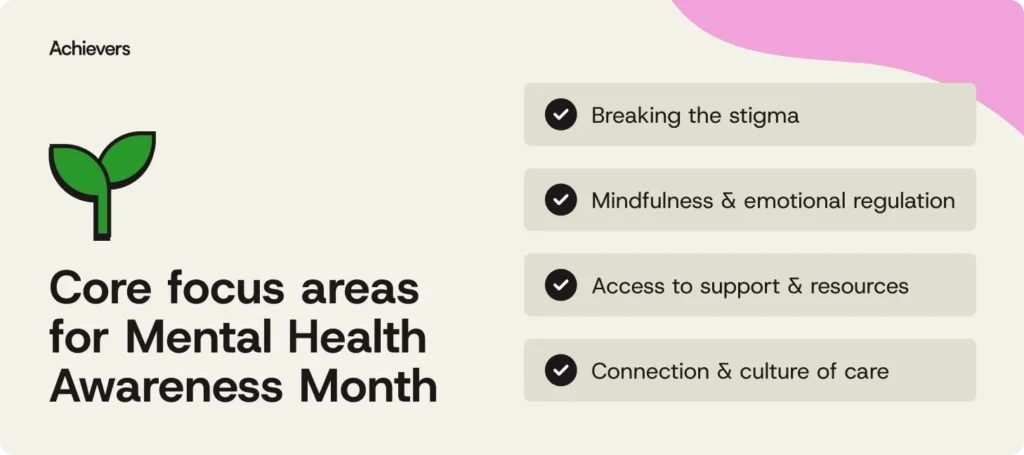
Week 1: Fostering Open Dialogue and Psychological Safety
The inaugural week is dedicated to dismantling the barriers of silence and stigma that have historically prevented candid discussions about mental health in professional settings. This phase emphasizes creating a psychologically safe environment where employees feel comfortable expressing vulnerabilities without fear of negative repercussions. It’s not about mandating therapy sessions, but about normalizing real, judgment-free conversations.
Ideas for Week 1:
- Leadership Messages: Senior leaders and managers share personal stories (where appropriate and comfortable) or deliver messages emphasizing the organization’s commitment to mental health, modeling vulnerability and encouraging open communication.
- "Lunch & Learns" on Stigma: Host virtual or in-person sessions discussing the nature of mental health stigma, its impact, and strategies for challenging it. Include a Q&A with a mental health professional.
- Anonymous Surveys/Feedback: Launch confidential surveys to gauge employee sentiment regarding mental health support, identify prevalent stressors, and understand existing barriers to seeking help.
- Introduction of Employee Resource Groups (ERGs): If not already established, promote or launch ERGs focused on mental well-being, providing peer support and community.
- Communication Campaign: Utilize internal communication channels (intranet, newsletters, digital signage) with messages like "It’s Okay Not to Be Okay" and "Let’s Talk," providing clear avenues for feedback and initial support.
When employees feel secure enough to articulate, "I’m struggling right now," it signifies psychological safety in action, laying the groundwork for a profoundly healthier and more resilient company culture.
Week 2: Equipping Employees with Coping Mechanisms
Following the initial conversations, Week 2 shifts focus to empowering employees with tangible, practical tools and strategies to manage everyday stress, build resilience, and enhance their overall emotional intelligence. This phase recognizes that prevention and proactive self-care are as crucial as reactive support.

Ideas for Week 2:
- Mindfulness and Meditation Workshops: Offer guided sessions or introduce apps (e.g., Calm, Headspace) that teach mindfulness techniques, breathwork, and meditation to reduce stress and improve focus.
- Stress Management Seminars: Conduct webinars or workshops on practical stress reduction techniques, including time management, boundary setting, and effective communication strategies.
- Emotional Intelligence Training: Provide resources or short courses on understanding and managing one’s own emotions and recognizing those of others, enhancing interpersonal effectiveness.
- Physical Wellness Initiatives: Organize virtual stretching breaks, promote walking challenges, or share tips on healthy eating and sleep hygiene, acknowledging the strong link between physical and mental health.
- Desk Yoga/Movement Breaks: Encourage short, regular physical activity breaks throughout the workday, perhaps through guided videos or live sessions.
By the end of Week 2, the objective is for employees to not only engage in discussions about mental health but also to actively integrate protective habits into their daily routines.
Week 3: Highlighting Accessible Resources and Support Systems
While awareness is foundational, accessible support is paramount. Week 3 is dedicated to ensuring that employees are fully aware of the specific resources available to them and understand precisely how to utilize them. A common challenge is that valuable benefits often remain untapped simply because employees are unaware of their existence or how to navigate them.
Ideas for Week 3:
- Employee Assistance Program (EAP) Deep Dive: Host a session explaining the EAP, clarifying what services it offers (counseling, financial advice, legal consultation), how to access it confidentially, and emphasizing its no-cost benefit.
- Benefits Review: Provide clear, concise information about mental health coverage within the company’s health insurance plans, including telehealth options, therapy, and psychiatric care.
- Internal Support Network Spotlight: Highlight internal mental health champions, peer support programs, or HR contacts who can guide employees to appropriate resources.
- Resource Fair (Virtual or In-Person): Organize a "fair" where employees can learn about various internal and external mental health resources, perhaps with representatives from different providers.
- "How-To" Guides: Distribute easy-to-understand guides on accessing therapy, understanding insurance claims, or utilizing mental health apps covered by the company.
The more transparent and accessible support systems are, the more likely employees are to proactively seek help when they need it, fostering a sense of security and trust.
Week 4: Cultivating a Sustained Culture of Care and Connection
The final week aims to solidify the gains made throughout the month, reinforcing that mental health support is not a temporary campaign but an integral, ongoing aspect of the company’s operational culture. The focus shifts to building lasting connections and celebrating collective progress.
Ideas for Week 4:
- Team-Building Activities Focused on Connection: Organize activities that encourage genuine connection and camaraderie, such as virtual coffee breaks, team challenges, or social events outside of work tasks.
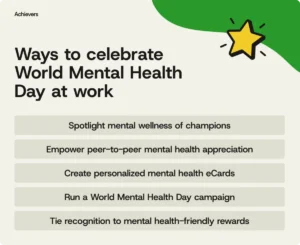
- Recognition of Mental Health Champions: Publicly acknowledge individuals or teams who have actively promoted mental well-being, shared their stories, or championed supportive initiatives.
- Feedback & Future Planning Session: Host an open forum or solicit feedback on the month’s activities, asking employees what worked well and what further support they need. Use this input to inform year-round strategies.
- Flexible Work Policy Review/Promotion: Reiterate or introduce policies that support work-life balance, such as flexible hours, remote work options, or generous paid time off, demonstrating tangible commitment to employee well-being.
- Gratitude and Appreciation Campaign: Encourage employees to express gratitude for colleagues, fostering a positive work environment and strengthening social bonds.
While a culture of care cannot be fully established in a single week, Week 4 serves as a powerful capstone, setting an emphatic tone for the continuous integration of employee wellness into the daily fabric of the organization.
Launch Tips: Planning and Promotion for Maximum Impact
Successfully executing a meaningful Mental Health Awareness Month initiative requires thoughtful preparation and strategic promotion. While the task may seem daunting, a structured approach can ensure the month is both smooth and impactful:
- Form a Dedicated Committee: Assemble a cross-functional team involving HR, internal communications, leadership, and employee representatives to plan and coordinate activities.
- Secure Leadership Buy-in: Ensure senior leadership actively champions the initiative, providing visible support and participation, which significantly boosts engagement and credibility.
- Tailor Content to Your Workforce: Understand the unique demographics, challenges, and preferences of your employees. A global workforce might require localized content and resources.
- Leverage Existing Resources: Partner with your EAP provider, health insurance carriers, or local mental health organizations who often offer free or low-cost workshops and materials.
- Create a Centralized Hub: Establish a dedicated internal webpage or communication channel where all resources, event schedules, and information related to MHAM are easily accessible.
- Pre-Plan and Schedule: Develop a detailed calendar of events, communications, and initiatives well in advance, ensuring a consistent flow of information throughout the month.
- Multi-Channel Communication: Promote the agenda through various channels – email, intranet, team meetings, digital signage, and internal social media – to ensure broad reach.
- Emphasize Confidentiality: Clearly communicate the confidential nature of mental health resources and discussions, building trust and encouraging utilization.
- Budget Appropriately: Allocate resources for workshops, materials, and potential external speakers or wellness initiatives.
With thoughtful planning and strategic promotion, organizations can create an MHAM that not only raises crucial awareness but also inspires lasting, positive change in workplace culture.
Sustaining Momentum Beyond May: A Year-Round Commitment
Mental health is not a seasonal campaign to be rolled out once a year and then shelved. To truly make a difference, the practices, dialogues, and support systems introduced during May must be woven into the permanent fabric of the organization. This requires embedding wellness principles into the everyday work culture, fostering an environment where mental well-being is a continuous priority.
- Ongoing Education and Training: Implement year-round training for managers on mental health first aid, active listening, recognizing signs of distress, and referring employees to appropriate resources.
- Regular Policy Review: Continuously evaluate and update HR policies to ensure they are supportive of mental health, including flexible work arrangements, leave policies, and anti-stigma guidelines.
- Employee Feedback Loops: Establish continuous feedback mechanisms, such as pulse surveys or dedicated suggestion boxes, to regularly assess employee well-being needs and adapt strategies accordingly.
- Integrate Mental Health into Performance Management: Encourage managers to include discussions about well-being as part of regular check-ins, emphasizing a holistic view of employee performance and growth.
- Champion Peer Support Networks: Maintain and actively promote internal peer support groups or mental health champions who can provide ongoing informal support and guidance.
- Consistent Communication: Keep the conversation alive through regular internal communications that share mental health tips, success stories, and reminders about available resources throughout the year.
- Measure and Report: Track relevant metrics, such as EAP utilization rates, mental health-related leave data, and employee survey results, to demonstrate the impact of initiatives and inform future investments.
- Foster a Culture of Appreciation: Implement robust employee recognition programs that celebrate contributions and foster a positive, supportive work environment, which is a key determinant of mental well-being.
Momentum is sustained through consistency. By continuously integrating care and support into the daily operations and cultural ethos, organizations can ensure that the spark ignited during Mental Health Awareness Month transforms into an enduring flame of well-being.
Making Mental Health an Everyday Cultural Pillar
Mental health is not merely a "May theme"; it represents a fundamental, year-round commitment to the most valuable asset of any organization: its people. The roadmap outlined here serves as a powerful starting point, but its true impact is realized when organizations thoughtfully adapt it to their unique workforce and remain steadfast in their commitment for the long haul.
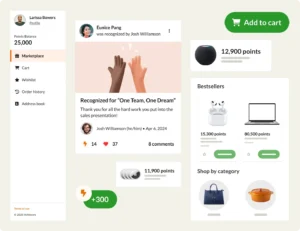
Employee recognition programs, such as those offered by platforms like Achievers, play a significant role in this continuous effort. They facilitate the celebration of progress, highlight small yet meaningful wins in mental wellness journeys, and reinforce a company culture where care and support are not just encouraged but are an inherent expectation. By acknowledging individuals who champion mental health, promoting self-care, and celebrating resilience, these programs embed well-being into the daily narrative of the workplace.
The imperative for modern leadership is clear: lead with empathy, commit unequivocally to building psychological safety, and consciously integrate mental health into every facet of your company culture, every single day. Because when employees feel genuinely safe, understood, and supported, the benefits are universal – individuals thrive, teams flourish, and the entire business prospers. This holistic approach to well-being is no longer a luxury but a strategic necessity, shaping not only the future of work but also the future of a healthier, more resilient society.