
The modern recruitment landscape has undergone a profound transformation, moving far beyond static listings of duties and qualifications. In an increasingly competitive global talent market, employers are now leveraging creativity and dynamic content to craft job advertisements that not only inform but also captivate and engage prospective candidates. This shift reflects a strategic understanding that effective job descriptions (JDs) are powerful employer branding tools, crucial for attracting the best talent. The period from 2018 to 2026 marks a significant era in this evolution, characterized by a rapid integration of digital innovation, a heightened focus on candidate experience, and an emphasis on organizational values.
The Evolution of Job Advertisements: A Paradigm Shift
Historically, job advertisements were rudimentary, often confined to newspaper classifieds or basic online portals, primarily serving as a bulletin board for requirements. However, the digital revolution, coupled with the "talent war" and the rise of employer branding, has necessitated a more sophisticated approach. Today, a job ad is often the first, and most critical, touchpoint between a company and a potential employee. It must convey not just what the job entails, but also the essence of the company’s culture, values, and the unique opportunities it offers.
This evolution is driven by several factors: the rise of social media as a recruitment channel, the increasing importance of employee value propositions, and a workforce that prioritizes factors like work-life balance, diversity, and ethical corporate practices. Candidates are no longer passive recipients of information; they actively seek out companies that align with their personal values and career aspirations. Consequently, job ads have become robust marketing instruments, requiring strategic thought and creative execution to stand out.
Essential Components of Modern Job Descriptions
Crafting an effective job description in this dynamic environment requires a structured yet imaginative approach. It’s akin to creating a compelling narrative that guides potential candidates, illustrating a clear roadmap to a fulfilling career. Several key ingredients now form the backbone of a standout JD:
-
Job Titles: The First Impression: The job title is the initial point of contact for job seekers, and its impact cannot be overstated. While creative titles, such as "Chief Meme Officer," might grab attention, they must be balanced with clarity and accuracy to ensure the right candidates are targeted. A clear, searchable title improves discoverability, especially in an SEO-driven environment. Industry data from Indeed shows that job titles that are clear and concise, while also incorporating relevant keywords, yield 15% more clicks, demonstrating the critical balance between creativity and practicality.
-
Engaging Summaries: The Elevator Pitch: The summary serves as the job ad’s elevator pitch, offering a concise yet enticing snapshot of the role and the company. It should move beyond generic statements, highlighting what makes the position and the organization unique. Using simple, impactful language to describe the role and underscore the company’s appeal is paramount, drawing candidates deeper into the description.
-
Clear and Impactful Responsibilities: Detailing day-to-day tasks and expectations clearly is vital. Job seekers need to visualize themselves in the role. Experts at Morgan McKinley advocate for using strong, action-oriented verbs to describe responsibilities, transforming a mundane list into an exciting preview of potential contributions. Presenting these concisely, often in bullet points, enhances readability and prevents information overload.
-
Realistic and Inclusive Qualifications: The qualifications section often sparks debate, particularly regarding the necessity of traditional degrees. A growing movement towards a "skills-first" approach recognizes that relevant certifications, demonstrable competencies, and practical experience can often outweigh formal education, especially in technical roles. This approach broadens the talent pool and helps mitigate unconscious bias. Companies that adopt a skills-first mindset often gain a competitive advantage by accessing a wider, more diverse array of qualified individuals, avoiding the exclusion of otherwise highly capable candidates.
-
Comprehensive Benefits and Perks: Beyond salary, modern candidates prioritize a holistic benefits package. This section should highlight not just compensation, but also work-life balance initiatives, health and wellness programs, and unique company offerings. HR trend reports project that by 2026, parental benefits, paid family leave, and enhanced insurance subsidies will be top priorities for over 60% of the global workforce, making their inclusion crucial for attracting and retaining talent.
-
Authentic Company Culture Showcase: A company’s values and culture are powerful attractors. Job ads should offer a genuine glimpse into the work environment, whether through employee testimonials, a brief video, or a descriptive narrative. This helps candidates determine if their values align with the organization’s ethos. A "first 90-day roadmap," outlining initial milestones and cultural rituals (e.g., "healthy fruit Mondays," "reverse mentoring opportunities"), can significantly reduce onboarding anxiety and foster a sense of belonging from the outset, particularly for entry-level hires.
Strategic Pillars for Effective Job Ads
Beyond these core components, several strategic pillars underpin the creation of truly compelling job advertisements:
A. Crafting Compelling Narratives:
Think of the job ad as a story. It needs an attention-grabbing headline (the job title), an engaging introduction (the summary), and a clear plot (responsibilities). The goal is to articulate the company’s vision, the team’s mission, and how the prospective employee fits into this larger picture. This storytelling approach resonates more deeply than a mere checklist, helping candidates envision their potential impact and growth within the organization.
B. Fostering Inclusivity and Diversity:
In today’s globalized workforce, diversity and inclusivity are not merely buzzwords; they are foundational to organizational success and innovation. Job ads must employ welcoming, bias-free language to attract candidates from all backgrounds. Tools like AI-powered text analyzers, such as Ongig’s Text Analyzer, can proactively identify and correct biased or gendered language, ensuring JDs are universally appealing and prevent unconsciously repelling top talent. A LinkedIn study indicated that job posts with richer media content and inclusive language see a 25% higher application rate from diverse candidates. Rather than seeking "cultural fit," which can inadvertently perpetuate homogeneity, companies should aim for "cultural add," welcoming individuals who bring new perspectives and experiences, thereby enriching the organizational fabric. Companies with diverse teams are reported by McKinsey research to be 35% more likely to outperform their competitors.
C. Maximizing Discoverability through SEO Optimization:
Even the most perfectly crafted job ad is ineffective if it cannot be found. Search Engine Optimization (SEO) is therefore crucial.
- Keyword Strategy: Integrating relevant keywords that job seekers use in their searches naturally throughout the JD is paramount.
- Specificity and Description: Clear, precise language not only aids understanding but also improves search engine ranking for specific queries.
- Location Information: For roles requiring physical presence, explicitly stating the city or region enhances local search visibility. Recruitment management platforms like Workable allow simultaneous management of ads for similar roles across multiple locations, facilitating localized targeting and filtering.
- Structured Data: Utilizing structured data (Schema.org markup) for job postings helps search engines better understand and display job listings, often resulting in richer search results snippets.
- Social Media Promotion: Sharing job ads across professional and social media platforms significantly increases visibility and reach, potentially improving search engine ranking through increased engagement signals. Research from Workable suggests that job descriptions optimized for SEO can increase organic traffic by up to 40%.
D. Effective Communication of Company Culture:
The job description is a vital vehicle for communicating company culture.
- Reflecting Values: It should articulate the core values that drive the organization—be it innovation, sustainability, or community engagement.
- Painting a Picture: Describe the work environment vividly, whether it’s a collaborative startup atmosphere or a structured corporate setting, allowing candidates to self-assess cultural alignment.
- Showcasing Benefits and Perks: Beyond standard benefits, highlight unique perks that reflect the company’s employee-centric approach, fostering a positive perception.
- Fostering Connection: By transparently communicating culture, companies attract candidates who genuinely resonate with their ethos, leading to stronger initial connections and improved retention. Glassdoor’s 2023 Candidate Survey revealed that 75% of job seekers consider company culture before applying.
Continuous Improvement: The Agile Approach to Recruitment
The recruitment landscape is constantly evolving, demanding an agile and responsive approach to job ad creation. Continuous improvement is essential for maintaining relevance and effectiveness:
-
Listen to Feedback: Actively solicit feedback from candidates (e.g., through post-interview surveys), hiring managers, and current employees. Recurring questions or areas of confusion in job ads can highlight opportunities for clarification and refinement. AI sentiment analysis can be instrumental here, detecting subtle patterns in candidate feedback that might indicate issues with existing talent policies or JD clarity, such as a consistent desire for more flexible benefits.
-
Analyze Performance Data: Data analytics offers invaluable insights. Track metrics such as JD views, click-through rates, application rates, and crucially, the quality of hire. A cross-analysis revealing high views but low applications might signal an unoptimized call to action or a disconnect between the ad’s promise and the candidate’s perception. Conversely, high application rates yielding low-quality candidates could indicate vague skill requirements that need tightening.
-
Stay Agile and Flexible: Organizational priorities, market conditions, and job seeker behaviors are fluid. Job descriptions must adapt accordingly. For instance, the demand for mobile-optimized application processes has soared; a workforce survey revealed that 67% of candidates apply for jobs from their devices, a figure projected to rise to over 80% by 2025. Ensuring JDs are easily viewable and applicable on mobile devices is no longer optional.
-
Test and Iterate: Experimentation is key. A/B test different job titles, summary formats, or visual elements to determine which versions yield better results. Gather feedback on these variations to inform future iterations. This iterative process ensures that job ads remain optimized for the target audience.
-
Regular Review and Update: Job descriptions are not static documents. Regular reviews, even for established roles, are necessary to ensure accuracy, relevance, and alignment with current organizational needs and market trends. This proactive approach prevents stagnation and ensures JDs consistently reflect the company’s most current and compelling offerings.
Illustrative Examples of Best Practices
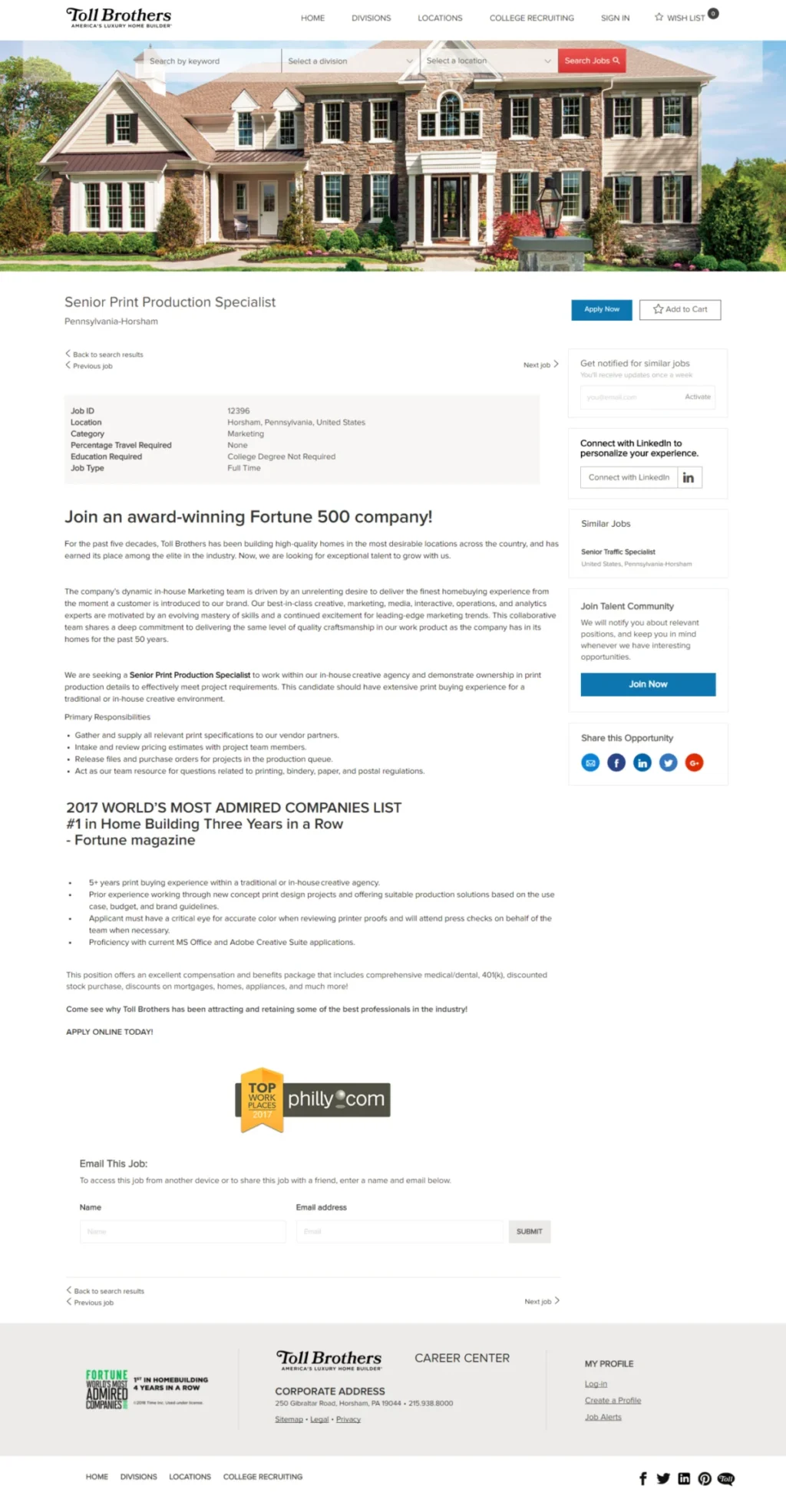
Companies like McAfee, ADT, Walmart, BMC, McGraw-Hill, Disney, Hulu, Unity Technologies, Under Armour, Toll Brothers, IBM, and Bud Light have demonstrated leadership in adopting these dynamic approaches. Their job advertisements, often incorporating visuals, engaging narratives, and clear value propositions, serve as prime examples of how organizations are leveraging creativity and strategic communication to attract and secure top talent in a competitive environment. These companies understand that a job ad is not merely a formality but a critical strategic asset in their talent acquisition strategy.
In conclusion, the evolution of job advertisements from simple listings to dynamic, engaging, and highly optimized content represents a fundamental shift in recruitment strategy. By focusing on compelling narratives, fostering inclusivity, optimizing for discoverability, authentically communicating company culture, and committing to continuous improvement, organizations can transform their job ads into powerful tools for attracting, engaging, and ultimately retaining the best talent, driving both organizational growth and a positive candidate experience.






