
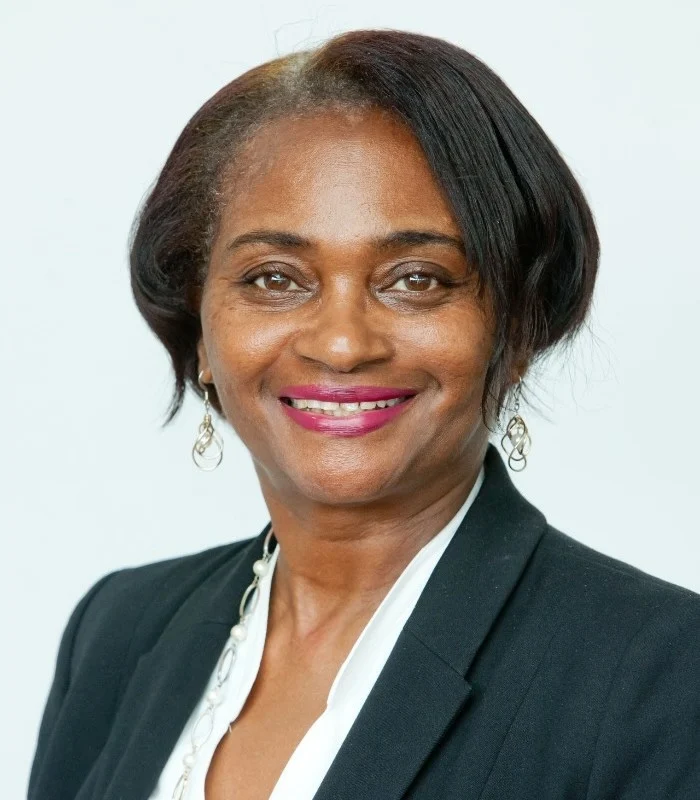
The Sustainable Design Collective (SDC) has officially announced that Dr Valerie Vaughan-Dick MBE, the esteemed Chief Executive Officer of the Royal Institute of British Architects (RIBA), will deliver the opening address at the upcoming Sustainable Design Forum 2026. This significant appointment underscores the growing importance of leadership and strategic vision in driving forward sustainability within the global built environment sector. The forum, now a well-established fixture in the industry calendar, is set to convene on Thursday, April 23, 2026, at the historic Crypt on the Green in Clerkenwell, London.
Dr Vaughan-Dick’s selection as the keynote speaker reflects her formidable reputation and extensive experience. Appointed to lead RIBA in January 2023, she has already demonstrated a profound commitment to steering the organisation through a period of significant change and innovation. Her career is marked by a deep understanding of leadership, a passion for urban regeneration, and a proven track record in organisational transformation. Notably, Dr Vaughan-Dick holds the distinction of being the first woman to lead the RIBA and is among the first from a more diverse leadership background to hold such a prominent position. This achievement is seen as a powerful symbol of the ongoing, necessary evolution towards greater inclusivity and representation within the architectural and design professions. Her address is anticipated to not only set the tone for the day’s discussions but also to provide a comprehensive overview of the critical opportunities and formidable challenges that lie ahead in achieving genuine sustainability across all facets of the built environment.
Context and Significance of the Sustainable Design Forum
The Sustainable Design Forum, now in its fourth year, has rapidly evolved into a pivotal gathering for professionals dedicated to advancing sustainable practices in design and construction. Organised by the Sustainable Design Collective (SDC), a distinguished voluntary think tank comprised of leading architects, designers, and specifiers, the forum is meticulously curated to foster in-depth, discussion-driven engagement. Its primary objective is to create a collaborative space where the workplace design community can share knowledge, debate critical issues, and forge pathways towards more environmentally responsible and socially conscious outcomes. The SDC itself, founded in 2022 by Harsha Kotak and Joanna Knight, has grown to encompass over 30 prominent architecture and design practices, showcasing a collective commitment to sustainability.
The forum’s agenda is designed to be both informative and interactive, featuring a rich programme of presentations, insightful panel discussions, and engaging workshops. A key element that has become a hallmark of the event is its innovative "speed dating" roundtable sessions, which facilitate rapid-fire exchanges of ideas and best practices. This year, the forum is set to introduce exciting new formats, including "A Masters in Sustainability." This segment promises a dynamic, rapid-response session featuring prominent experts such as Dr Asif Din, Dr Joe Croft, and Sam Allen, who will address critical sustainability topics with direct audience participation, fostering immediate engagement and knowledge transfer.
Dr Valerie Vaughan-Dick’s Vision for a Sustainable Future
Dr Vaughan-Dick’s opening address is expected to delve into the multifaceted dimensions of sustainability within the built environment. This encompasses not only environmental stewardship and the reduction of carbon footprints but also the crucial elements of social value and equitable design. Her leadership at RIBA has been characterised by a forward-thinking approach, advocating for a profession that is not only technically proficient but also socially responsible and environmentally aware. Her personal journey and leadership style, which champions diversity and inclusion, are likely to be woven into her address, highlighting the interconnectedness of these values with the broader sustainability agenda.
The challenges facing the sector are substantial. According to the World Green Building Council, buildings are responsible for 39% of energy-related carbon emissions globally, with 28% stemming from operational emissions and 11% from embodied carbon. Addressing this requires a fundamental shift in how buildings are designed, constructed, and operated. Dr Vaughan-Dick’s role at RIBA places her at the forefront of influencing policy, education, and practice across the UK, making her insights particularly valuable for attendees. Her address will likely touch upon the role of regulatory frameworks, the importance of innovation in materials and technologies, and the critical need for collaboration across the entire value chain – from policymakers and developers to designers, contractors, and end-users.
Key Contributions and Industry Insights
The Sustainable Design Forum 2026 will feature contributions from several leading architectural and design practices, offering practical case studies and forward-thinking perspectives. M Moser & Associates is slated to present their innovative "Living Lab" project, a pioneering initiative likely focused on testing and demonstrating sustainable design strategies in real-world scenarios. This approach often involves integrating smart technologies, occupant well-being features, and adaptive design principles to create environments that are both high-performing and responsive to user needs.
John Robertson Architects will share their expertise on the significant opportunities and inherent value of retrofit projects. As the built environment ages, the ability to adapt and repurpose existing structures becomes increasingly vital for reducing embodied carbon and minimising waste. Their presentation is expected to highlight strategies for sustainable refurbishment, energy efficiency upgrades, and the preservation of architectural heritage, demonstrating how retrofit can be a cornerstone of a circular economy.
Furthermore, the forum will showcase the collaborative "Circular Hub" project, a joint initiative involving MCM, FutureWorks, and Nest Living. This project exemplifies a commitment to circular economy principles, likely focusing on material reuse, waste reduction, and the creation of closed-loop systems within the construction and design process. Such collaborative efforts are crucial for demonstrating scalable solutions and fostering a shared understanding of how to implement circularity effectively in practice.
A Chronology of the Sustainable Design Forum
The Sustainable Design Forum’s journey began in 2022, a year that saw the formal establishment of the Sustainable Design Collective (SDC). The inaugural forum aimed to address the growing urgency for sustainable practices in the design and construction industries, particularly within the context of a rapidly evolving workplace environment.
In 2023, the second iteration of the forum built upon the success of its predecessor, expanding its reach and deepening its engagement with a wider array of industry professionals. The programme likely saw the introduction of more interactive sessions and the inclusion of a broader spectrum of sustainability topics.
The third Sustainable Design Forum, held in 2025, further solidified its reputation as a leading event. By this point, the forum had likely established its signature formats, such as the "speed dating" roundtables, and begun to attract high-profile speakers. The increasing focus on embodied carbon and the circular economy would have been evident in the discussions and presentations.
Now, in 2026, the fourth Sustainable Design Forum is poised to be its most impactful yet. The announcement of Dr Valerie Vaughan-Dick MBE as the opening speaker signals a significant elevation in the forum’s profile. The introduction of "A Masters in Sustainability" and the continued emphasis on collaborative projects like the "Circular Hub" indicate a maturing of the event, moving beyond awareness-raising to a focus on practical implementation and advanced knowledge sharing. The sustained growth and evolution of the forum reflect the accelerating pace of change and innovation within the sustainability sector of the built environment.
Data and Statistics Supporting the Sustainability Imperative
The urgency for sustainable design is not merely theoretical; it is underscored by compelling data. Globally, the building and construction sector accounts for approximately 38% of energy-related CO2 emissions. The International Energy Agency (IEA) reports that in 2022, energy consumption in buildings reached an all-time high. This highlights the critical need for a transition to low-carbon building materials and energy-efficient design strategies.
The concept of embodied carbon – the emissions associated with the extraction, manufacture, transportation, and construction of building materials – is also gaining significant traction. Studies indicate that embodied carbon can account for up to 11% of total annual greenhouse gas emissions. This makes the selection of materials, the optimisation of construction processes, and the embrace of circular economy principles, as championed by projects like the "Circular Hub," essential for achieving net-zero targets.
Furthermore, the social dimension of sustainability, encompassing well-being, inclusivity, and community impact, is increasingly recognised as integral. According to the World Health Organization, poor indoor environmental quality can lead to a range of health problems, affecting productivity and overall quality of life. Therefore, designs that prioritise natural light, good ventilation, and occupant comfort, as likely explored in M Moser’s "Living Lab," are crucial for creating healthier and more productive spaces.
Broader Impact and Future Implications
The Sustainable Design Forum 2026, with Dr Valerie Vaughan-Dick’s opening address, is set to have a ripple effect across the industry and beyond. By bringing together leading minds and showcasing innovative practices, the forum acts as a catalyst for change. The insights shared and connections forged are likely to influence design methodologies, procurement strategies, and policy recommendations.
The emphasis on collaboration, particularly evident in the "Circular Hub" project, signals a move towards a more integrated and holistic approach to sustainability. This collaborative spirit is essential for tackling complex challenges such as decarbonisation and resource scarcity.
Dr Vaughan-Dick’s leadership at RIBA, coupled with her role as a keynote speaker, is likely to further elevate the profile of sustainable design within architectural education and professional practice. Her influence can encourage a new generation of architects and designers to embed sustainability principles from the outset of their careers, fostering a culture of responsible innovation.
The forum’s commitment to interactive learning, including "A Masters in Sustainability," suggests a dedication to equipping professionals with the knowledge and tools necessary to implement sustainable solutions effectively. This hands-on approach is crucial for translating theoretical concepts into tangible outcomes.
Ultimately, the success of initiatives like the Sustainable Design Forum contributes to a broader societal goal: the creation of a built environment that is not only aesthetically pleasing and functional but also environmentally resilient, socially equitable, and economically viable for generations to come. The discussions and outcomes from this year’s forum will undoubtedly play a significant role in shaping the future of sustainable design and its integration into mainstream practice.
The forum runs from 10:00 am to 6:00 pm, concluding with networking drinks, offering a full day of intensive learning and collaboration. Tickets are limited and available for advance purchase via the provided Eventbrite link, encouraging early registration to secure a place at this pivotal industry event.








