NHS staff members are facing an alarming surge in racism from patients, with some individuals openly refusing treatment from non-white healthcare professionals, according to a stark new report. The findings, primarily from a comprehensive survey conducted by the Society of Radiographers (SoR), paint a troubling picture of a healthcare system grappling with overt prejudice, revealing a deepening crisis that not only impacts the wellbeing of frontline workers but also threatens the foundational principles of the National Health Service. This escalating hostility, which includes staff being subjected to derogatory slurs such as "dirty foreigners" and "monkey," is perceived by healthcare workers as a direct reflection of increasingly hostile public attitudes towards race, diversity, and immigration, exacerbated by the visibility of nationalist movements within the UK.
Disturbing Findings from the Radiographers’ Survey
The Society of Radiographers’ investigation into its members’ experiences brought to light a disturbing prevalence of racist incidents. Respondents detailed experiences ranging from subtle microaggressions to blatant discrimination. A key concern highlighted was the refusal of care based purely on a healthcare professional’s ethnicity. This goes beyond mere disrespect, directly impeding the delivery of essential medical services and creating an untenable working environment for dedicated staff. The survey unequivocally indicated that such incidents have "noticeably" increased over the last 18 months, with staff expressing a consensus that "it’s becoming more prevalent." This upward trend is not an isolated phenomenon but rather a symptom of broader societal shifts, as observed by the frontline workers themselves.
Dean Rogers, executive director of industrial strategy and member relations for the radiographers’ union, issued a strong condemnation of the findings. "No NHS employee should have to put up with racism in the workplace," Rogers stated emphatically. He further added, "The rise in incidents of racism over the last year and a half is unconscionable and unacceptable – and it’s a poor reflection on us as a society." His words underscore the gravity of the situation, positioning the issue not just as an workplace problem but as a societal failing. The SoR is now placing renewed focus on demanding accountability from NHS trusts, urging them to not only meticulously record incidents of racism but also to diligently monitor how these incidents are dealt with, working in close collaboration with trade unions where necessary. A critical gap identified by the SoR is the current absence of clear, nationally consistent guidelines for managing and resolving incidents once they have been reported. This lack of a structured response mechanism often leaves staff feeling unsupported and perpetrators unaddressed.
Personal Accounts: The Human Cost of Prejudice
The statistics and statements are brought into sharp focus by the lived experiences of NHS staff. Paul Awah, a diagnostic radiographer based in Bedfordshire and originally from Nigeria, shared deeply personal and distressing encounters. He recounted instances where patients feigned an inability to understand him, claiming not to hear or comprehend his instructions, despite English being his only language and his clear communication. "It’s happened to me on two different occasions, when the patient is looking at me quite clearly in terms of my skin colour," Awah explained, highlighting the thinly veiled prejudice behind such claims.
Awah, a highly skilled professional, is often called upon by colleagues to assist with particularly challenging IV cannulations. Yet, despite his proven expertise, he has faced direct questioning of his competence. On three separate occasions, patients have confronted him with the dismissive query, "Are you sure you’ve done this before?" Awah described feeling "stunned" by these encounters. He articulated the implicit racism embedded in these questions: "If somebody who’s Caucasian has tried and failed, how dare you bring a Black man now? On what basis do they think I’m unable to access their veins?" These experiences are deeply demoralising, undermining his professional confidence and questioning his inherent capability based solely on his race. Awah firmly agreed that racism has intensified recently, observing, "It’s definitely got worse – people are more expressive now." This sentiment resonates with the broader findings, indicating a societal shift towards more open expressions of prejudice.
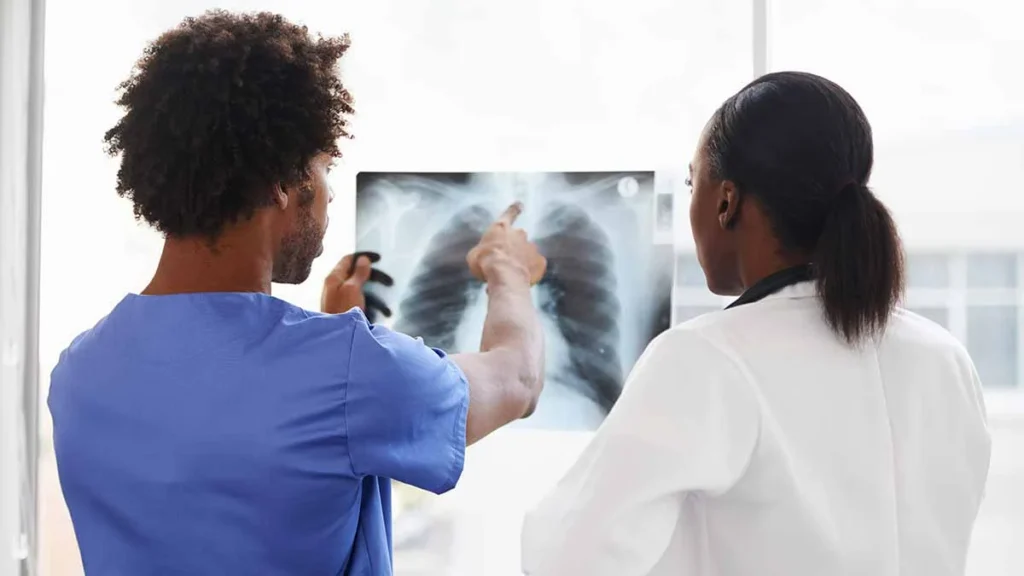
Further illustrating the insidious nature of this prejudice, an anonymous sonographer of Asian descent working in the Midlands recounted "several" occasions during scans when patients would unsolicitedly remark, "This country isn’t the same, with all those people coming over here, taking our jobs." These comments, often delivered during vulnerable moments of patient care, demonstrate how broader anti-immigrant narratives infiltrate clinical settings, forcing healthcare workers to confront xenophobia while performing their duties. The report also detailed more aggressive refusals of care: a white man explicitly refused to let a sonographer of colour scan his pregnant wife, stating, "I don’t want anyone from any ethnic background touching my woman." In another egregious incident, a patient arriving for a chest X-ray refused a black radiographer, declaring, "Black people frighten me." These incidents are not just offensive; they are a direct challenge to the universality of healthcare and the professional integrity of the staff.
The Broader Sociopolitical Landscape Fueling Hostility
The reported surge in racism cannot be viewed in isolation. It is intrinsically linked to a wider socio-political climate that has seen a noticeable increase in rhetoric surrounding immigration, national identity, and perceived threats to British culture. Healthcare workers themselves attribute the rise to "more hostile public attitudes to race, diversity and immigration," and specifically mention "nationalist movements such as Operation Raise the Colours, where Union flags and the St George’s Cross have been displayed on public streets." This suggests a connection between overt displays of nationalism and an emboldened expression of racial prejudice in everyday interactions.
The period of "the last 18 months" aligns with a post-Brexit landscape where debates around immigration have remained contentious, often amplified by economic pressures such as the cost of living crisis and rising energy bills. Paul Awah poignantly connected these societal narratives to his experiences: "What used to be something people wouldn’t say – now the rhetoric has changed. Immigrants are blamed for the cost of living, energy bills, the worsening situation in the country, and people feel it’s okay to say it." This normalisation of blaming immigrants creates an environment where racism, once perhaps more subtle, becomes more overt and acceptable in public discourse and, tragically, within healthcare settings. Awah’s frustration is palpable: "Some of us get used to that kind of stigmatisation and subtle racism. It’s actually quite frustrating, to be honest. I came here to support the NHS, and I’m making vital contributions, working very, very hard because we’re not entitled to any public funds. Working that hard and then being seen as a parasite and part of the problem with this country is really not right at all." His words highlight the profound emotional and psychological toll of being scapegoated despite providing essential public service under challenging conditions.
NHS Workforce Diversity: A Strength Under Attack
The NHS is globally recognised for its diverse workforce, a strength that allows it to cater to a multicultural patient population. Approximately 21% of the entire NHS workforce comprises non-British nationals, individuals who have often relocated to the UK specifically to contribute to its healthcare system. Within the radiography profession, this diversity is particularly evident, with around one in four radiographers registered with the Health and Care Professions Council having received their training overseas. These professionals bring a wealth of skills, experience, and cultural understanding, making invaluable contributions to patient care and filling critical staffing gaps.

The targeting of these diverse staff members not only undermines their personal dignity but also strikes at the very core of the NHS’s operational capabilities. The SoR recognises this interdependence and advocates for a more robust and developed programme for inducting, orientating, and integrating new staff, regardless of whether they have moved nationally or internationally. Such programmes are crucial for fostering a sense of belonging and ensuring that all staff, particularly those from overseas, feel valued and supported from the outset. Furthermore, the SoR plans to provide enhanced training for its representatives, empowering them to confidently uphold new staff standards and effectively address incidents of racism.
Accountability and Action: Union Demands and Systemic Gaps
The Society of Radiographers’ firm stance on accountability signals a growing impatience among healthcare unions with the current mechanisms for addressing racism. The lack of specific national guidelines for managing recorded incidents of racism leaves individual trusts to develop their own, often inconsistent, approaches. This inconsistency can lead to a perception of inaction or insufficient consequences for perpetrators, further demoralising staff. The SoR’s demand for not just recording but also monitoring how incidents are dealt with, and working with trade unions, is a critical step towards creating more transparent and effective response systems.
Beyond the SoR, other major healthcare unions have also voiced grave concerns. The Royal College of Nursing (RCN) revealed in October of the previous year a significant surge in complaints about racism directed at its members, with incidents increasing by a staggering 55% over a three-year period. This widespread data indicates that the issue is not confined to one profession but is a systemic problem across the NHS.
Further corroborating these alarming trends, the 2023 NHS staff survey, a comprehensive annual assessment of staff experiences, reported that 9.26% of workers had experienced personal discrimination at work, whether from patients, their families, or the general public. This proportion marks a concerning increase from 7.91% reported in 2021, demonstrating a clear upward trajectory of discriminatory experiences within a relatively short timeframe. This data underscores that racism is a persistent and growing challenge affecting a significant portion of the NHS workforce.
Implications for Workforce, Patient Care, and Society
The pervasive nature of racism within the NHS carries profound implications across multiple levels. For the individual staff members, the psychological and emotional toll can be immense, leading to increased stress, anxiety, and burnout. Experiencing racism erodes job satisfaction, fosters feelings of alienation, and can significantly impact mental health. This, in turn, contributes to a decline in staff morale and could exacerbate the already critical workforce shortages facing the NHS, as talented professionals may choose to leave the service or even the country if they do not feel safe and respected.
From a patient care perspective, an environment where staff are subjected to racism can indirectly affect the quality of care. Distressed or demoralised staff may struggle to provide optimal care, and the explicit refusal of treatment from non-white staff creates dangerous delays and disparities in access to care, particularly in emergency situations. It also places an unfair burden on other staff members who must step in, creating further strain on an already stretched system.
More broadly, as Dean Rogers noted, this issue is "a poor reflection on us as a society." The NHS, as one of the UK’s most cherished institutions, often serves as a microcosm of society. The racism experienced within its walls mirrors deeper societal prejudices that need to be confronted. Allowing such prejudice to flourish unchecked within a public service like the NHS normalises it and sends a dangerous message about the value placed on diversity and inclusion. It challenges the fundamental ethos of the NHS – to provide care for all, by all.
Charting a Path Forward: Recommendations for a Safer NHS
Addressing this complex issue requires a multi-faceted approach. The SoR’s recommendations for improved induction and integration programmes for new staff are crucial for fostering a welcoming and supportive environment. Enhanced training for union representatives will empower them to act as effective advocates for staff facing discrimination.
However, more systemic changes are also necessary. NHS trusts must establish clear, robust, and consistently applied policies for reporting, investigating, and resolving incidents of racism. These policies should include transparent disciplinary procedures for perpetrators where appropriate, and comprehensive support systems for victims, including psychological counselling and legal advice. Public awareness campaigns could also play a vital role in educating the public about the diversity of the NHS workforce and reinforcing the message that racism is unacceptable and will not be tolerated.
Dean Rogers reiterated the NHS’s core values: "The NHS has a diverse workforce – which is one of its strengths. We are clear: discrimination, harassment, racism, bullying or intimidation – whether expressed verbally or in behaviour – is unacceptable and has no place in the NHS." He concluded with a call for commitment: "We want commitment and clear accountability when it comes to addressing anything that makes the NHS an unsafe environment in which to work. Together, we want to ensure that the NHS is safe, inclusive and proud of the diversity that makes us stronger." The future of the NHS, its workforce, and its ability to provide equitable care for all depends on decisively tackling this rising tide of racism.