Last week, SAP, a titan in enterprise software, announced a foundational shift in its strategy with the launch of "The Autonomous Enterprise," a comprehensive artificial intelligence architecture designed to embed AI at the core of its operations. CEO Christian Klein heralded the announcement as a pivotal moment, positioning SAP as an AI-centric company. This ambitious initiative aims to transform how businesses manage and execute their core processes through a unified AI platform, an autonomous suite of operational agents, and a re-envisioned user experience.
The Genesis of The Autonomous Enterprise
The unveiling of "The Autonomous Enterprise" at a major SAP event marks the culmination of over three years of intensive development, building upon earlier initiatives like Joule, agent technologies, and various data layering strategies. This strategic pivot signifies SAP’s commitment to leveraging AI not merely as an add-on but as an intrinsic component of its enterprise resource planning (ERP) ecosystem. SAP’s position as a true ERP provider, managing a vast array of business resources from financials and human capital to intricate supply chains and manufacturing processes, provides a unique foundation for this AI integration. With over 25 industry-specific editions, SAP systems already possess the capability to meticulously track the entire lifecycle of products, suppliers, contracts, and intricate business relationships.

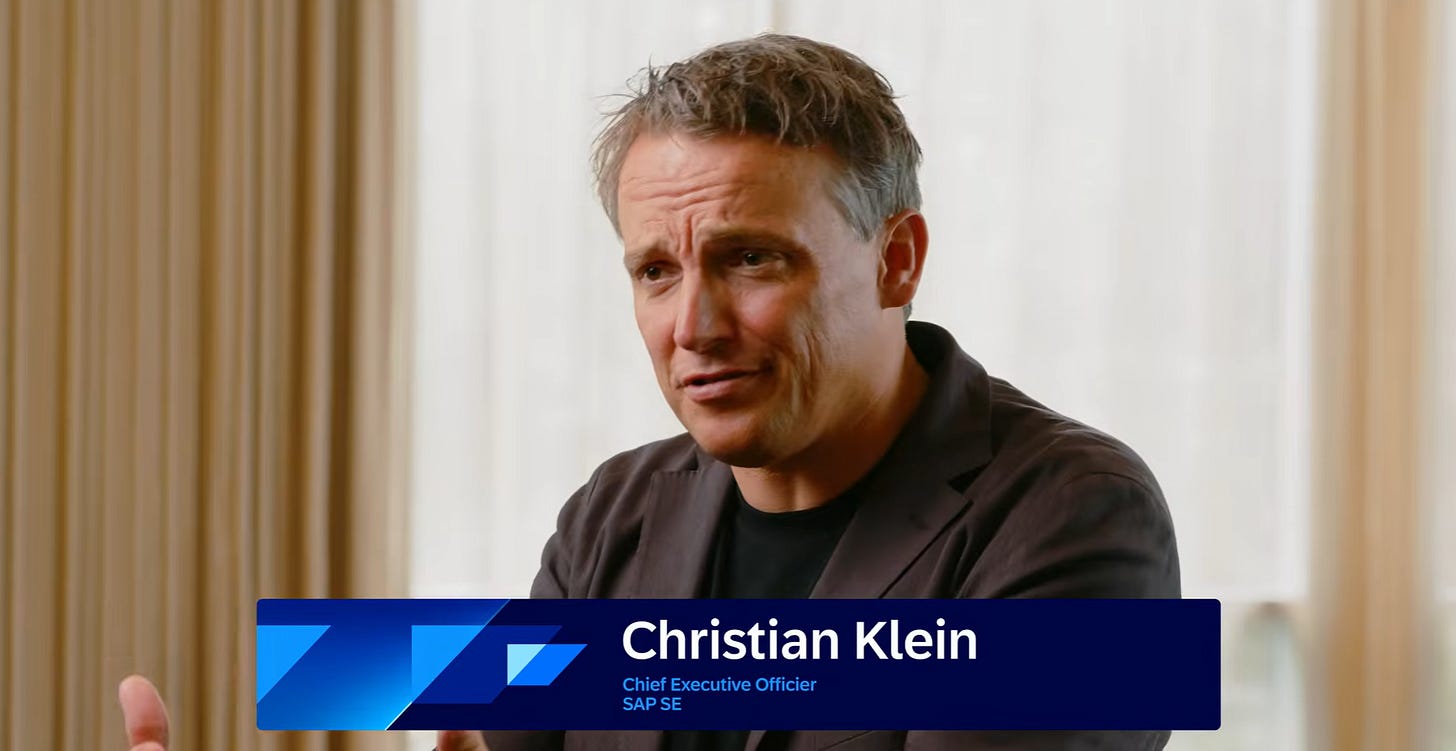
Christian Klein, CEO of SAP SE, articulated the vision: "The Autonomous Enterprise includes a unified AI platform for building, contextualizing and governing agents, an autonomous suite that executes core business operations and a new user experience that redefines how people work with enterprise software." This statement underscores the multi-faceted nature of the announcement, encompassing not just the technology but also its impact on business processes and user interaction.
Key Pillars of The Autonomous Enterprise
The Autonomous Enterprise is built upon three core pillars:
- Unified AI Platform: This platform serves as the central nervous system for developing, contextualizing, and governing AI agents. It provides the infrastructure for creating intelligent automation and decision-making capabilities across the SAP suite.
- Autonomous Suite: This comprises a suite of AI-powered agents designed to execute core business operations autonomously. These agents are intended to identify and resolve sub-optimal processes, thereby enhancing efficiency and effectiveness.
- Redefined User Experience: The initiative introduces a new user interface and interaction model that aims to simplify how users engage with complex enterprise software, making it more intuitive and proactive.
AI-Driven Insights: Transforming Business Questions into Answers
The core of SAP’s AI strategy lies in its ability to transform complex business questions into actionable insights. Traditionally, understanding the root cause of a business challenge, such as declining profit margins for a specific product group in a particular region, would require extensive manual data analysis by various teams. SAP’s Autonomous Enterprise aims to automate this process.
For instance, if a pharmaceutical company using SAP queries, "Why is our profit margin for Product Group A declining in South America?", the system, powered by AI, can now delve into the vast dataset to identify the contributing factors. This might range from increased supplier prices for key components to escalating shipping costs or shifts in market demand. The AI, leveraging its understanding of the entire value chain, can pinpoint specific suppliers who raised prices, thereby impacting the profit and loss statement for that geography.
This capability is particularly significant for human capital management (HCM) as well. Questions like, "Why is one sales team underperforming its peers?" can now be addressed with greater precision. Instead of solely focusing on "skills" as a potential solution, the AI can analyze a multitude of factors, including leadership effectiveness, team alignment, market dynamics, and competitive pressures, to identify the true drivers of performance discrepancies. This holistic approach to problem-solving is a key differentiator of SAP’s AI strategy.
The Role of AI Agents and "Autonomous" Operations
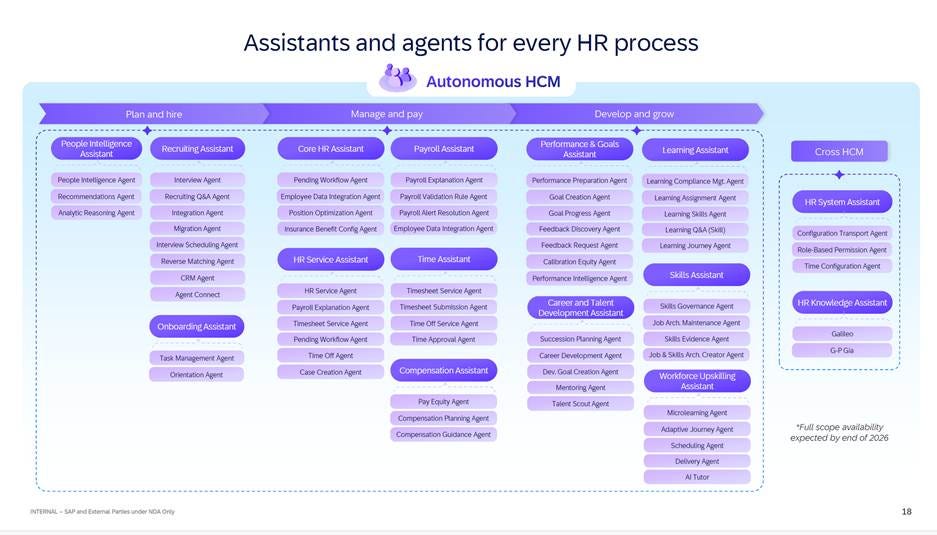
The term "autonomous" in "The Autonomous Enterprise" signifies SAP’s ambition for its systems to operate with minimal human intervention, proactively identifying and rectifying inefficiencies. The announcement highlighted over 224 announced agents, with a significant focus on automation. These agents are designed to streamline operations across various business functions.
In Human Capital Management (HCM) alone, SAP has introduced a range of agents tailored to specific processes. These include functionalities for payroll automation, employee development, and targeted upskilling initiatives. For example, in payroll, agents can identify and rectify errors automatically, while in employee development, they can generate personalized learning materials and recommend upskilling pathways based on an individual’s role and career aspirations.
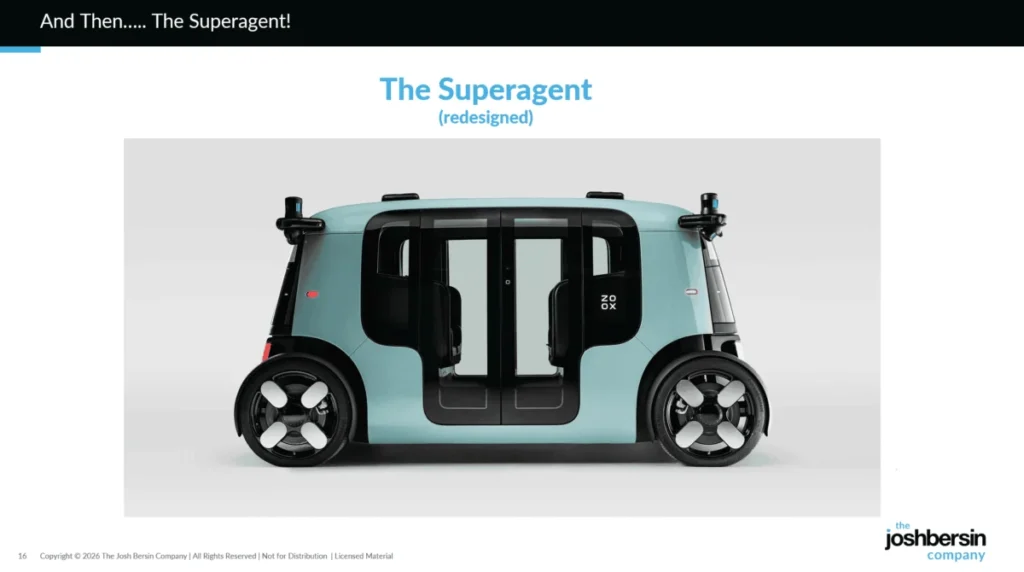
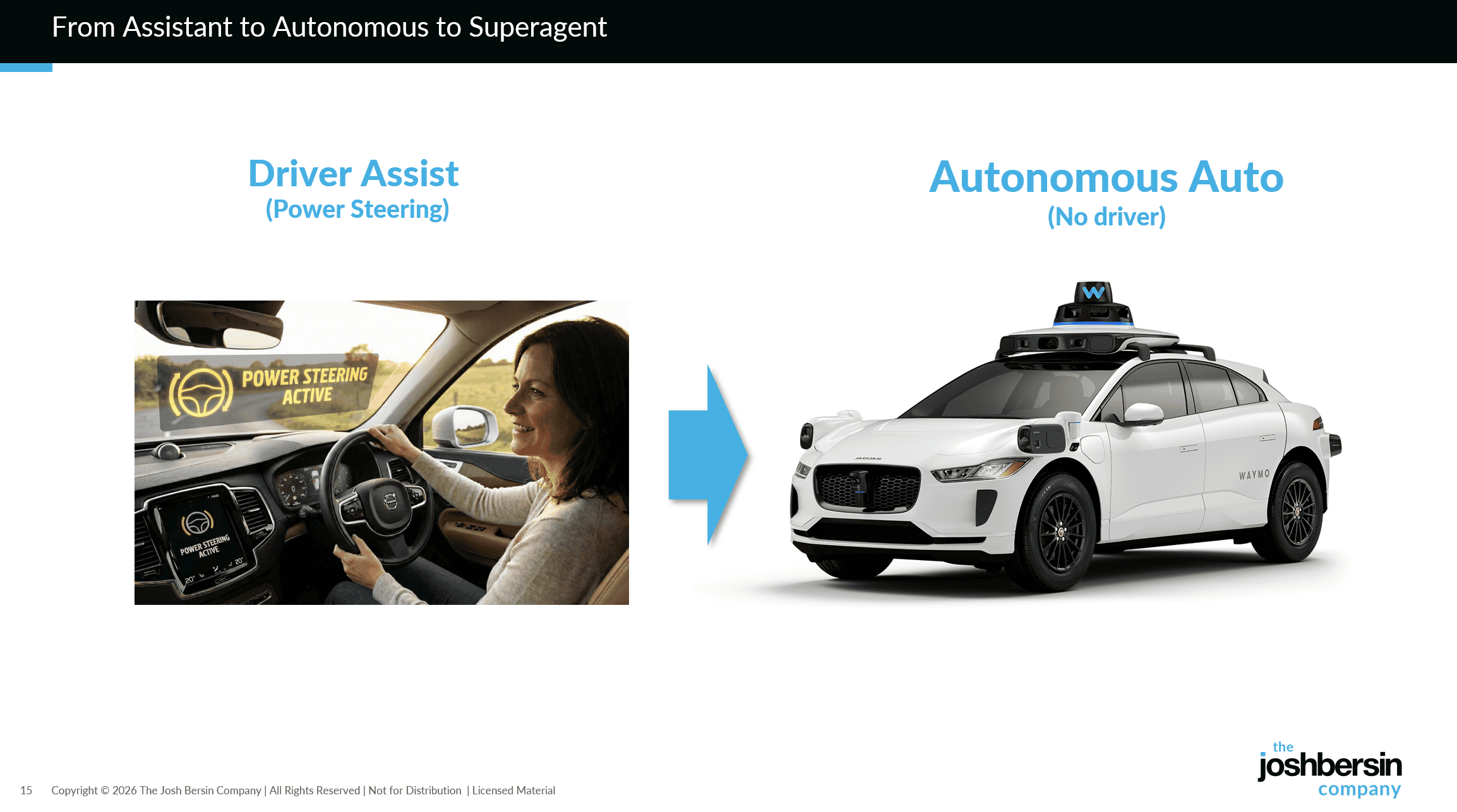
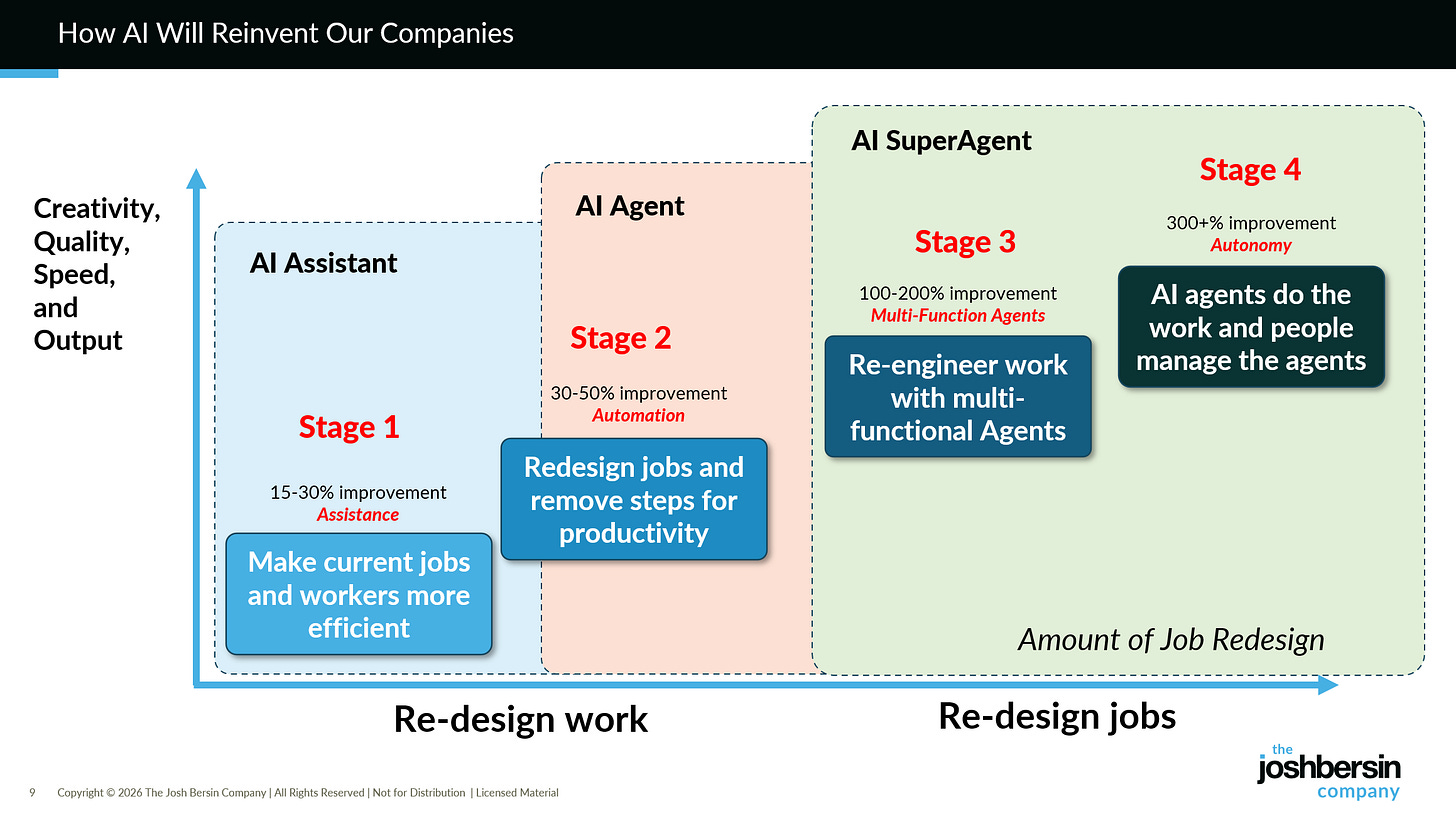
However, the author notes a crucial distinction: SAP’s current approach appears to lean more towards automating existing processes rather than fundamentally redesigning them. This is likened to Waymo’s self-driving technology, which operates within the existing framework of a car, versus Zoox’s approach, which re-imagines the automobile for an optimized passenger experience. SAP’s AI, in its current iteration, is seen as optimizing the "as-is" SAP system for more autonomous and effective operation, rather than a complete overhaul of business practices.
Under the Hood: The Technology Stack
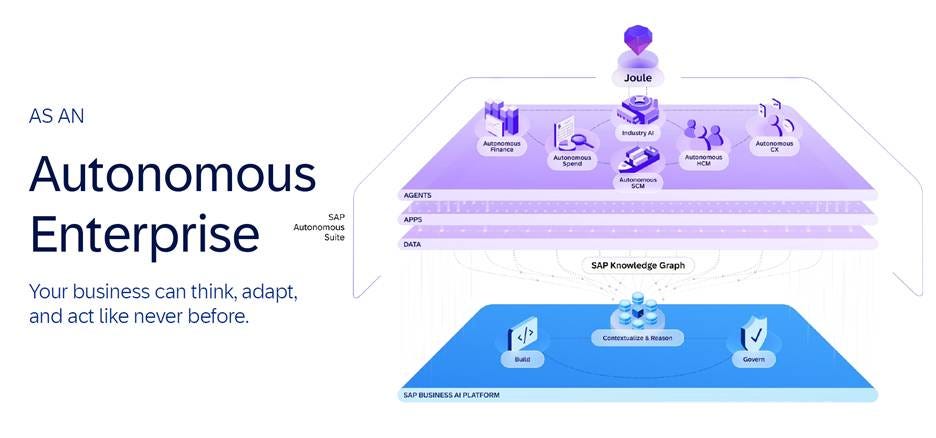
The technical architecture of The Autonomous Enterprise is designed to integrate AI deeply into SAP’s existing infrastructure. Key components include:
- AI Layer: A comprehensive AI layer, visualized as a large blue segment in SAP’s architectural diagrams, forms the foundation. This layer incorporates a data fabric and numerous AI models.
- Large Context Windows: A significant advancement is the development of large context windows, enabling SAP to feed substantial amounts of business data into its AI models. This allows for a more nuanced understanding of complex business scenarios.
- SAP Tabular Data Model (SAP-RPT-1.5): A proprietary AI model optimized for analyzing, evaluating, and modeling tabular data – the bedrock of most business software. Unlike general-purpose Large Language Models (LLMs), this model excels at handling massive datasets, enabling sophisticated "what-if" analysis and real-time business data modeling. A public playground for this technology is available, inviting users to explore its capabilities.
- SAP Knowledge Graph: This component acts as the "brain" of the system, mapping thousands of business entities, structures, and rules within SAP into a semantic layer that AI agents can interact with. When a user poses a query, the Knowledge Graph translates it into function-specific contextual queries, facilitating data retrieval and analysis. This is a critical element for understanding complex interdependencies within an SAP environment.
- Joule: The user-facing copilot and development tool for agents. Originally launched as a transactional chatbot, Joule has evolved into a more robust platform. The new Joule Studio provides an enterprise-class development environment for designing, building, testing, integrating, and managing agents of varying complexity. This tool empowers IT teams and SAP developers to create custom AI solutions tailored to specific business needs, potentially leading to a "redesign of SAP" through agent development.
- Galileo: An intelligence layer that enhances the Knowledge Graph and Joule, acting as an intelligent HR, human capital, and leadership advisor. It is already integrated into SAP and available to customers.
The Power of "Big Memory" and Company Models
A particularly compelling aspect of SAP’s AI vision is the concept of building massive context windows to store an entire "company memory." This entails capturing a comprehensive dataset of operational knowledge, including customer data, product information, processes, rules, and even unstructured data like documents and emails. This "company corpus" can then be utilized by AI models for continuous analysis, modeling, and improvement.
This concept aligns with the idea of a "company model," where AI can analyze performance gaps and directly identify contributing factors. Such a model could uncover operational best practices that might otherwise remain undocumented or unshared across an organization, leading to significant improvements in business activities.

AI Governance: Ensuring Responsible AI Deployment
Recognizing the critical importance of responsible AI deployment, SAP has introduced the AI Agent Hub. This system provides tools for managing AI agents, including defining rules, data policies, security protocols, and operating limits. Similar to offerings from Workday and ServiceNow, SAP’s AI Agent Hub supports non-SAP agents and offers functionalities for controlling agent activity, verifying their integrity, and coordinating their interactions.
The coordination of agent-to-agent communication is highlighted as a significant challenge. In complex environments like HR, where an agent delivering personalized training should ideally interact with agents managing development planning and performance, ensuring seamless and dependent communication is crucial.
SAP’s Evolving Identity: An AI Company?
SAP CEO Christian Klein’s assertion that SAP is now an AI company at its core reflects a strategic imperative to reframe its market position. In an era where startups leveraging advanced AI models pose potential challenges to established enterprise software vendors, SAP, alongside competitors like Workday and Oracle, is embarking on a multi-year journey to transform its existing decades-old R&D into AI-powered applications.
This strategy aims to leverage AI for cross-domain process innovation, enhanced customer and employee experiences, and the development of smarter systems, all without necessitating a complete abandonment of existing, heavily invested-in SAP infrastructure. The goal is to embed AI into existing workflows, making software less visible and more proactive.
The financial implications are also significant. This shift is expected to move SAP’s revenue model towards consumption-based pricing and outcome-driven services, rather than solely relying on traditional seat licenses. This aligns with broader industry trends toward more flexible and value-based software consumption.
Broader Impact and Future Outlook
The Autonomous Enterprise initiative represents a substantial investment and a bold vision for SAP’s future. By integrating AI deeply into its comprehensive ERP suite, SAP aims to unlock new levels of operational efficiency, data-driven decision-making, and user experience. While the immediate focus appears to be on automation, the long-term potential for process redesign and truly autonomous operations is immense.
The success of this strategy will hinge on several factors, including the ability of SAP to effectively execute its technological roadmap, the adoption rates of its new AI agents and platforms by its vast customer base, and its capacity to continuously innovate in a rapidly evolving AI landscape. The company’s deep industry knowledge and established customer relationships, however, provide a strong foundation.
As SAP continues to refine and expand "The Autonomous Enterprise," its impact will be closely watched by the enterprise software market and businesses worldwide seeking to harness the transformative power of artificial intelligence. The ongoing evolution of this strategy will likely redefine how organizations leverage their core business systems, paving the way for a more intelligent and interconnected future.