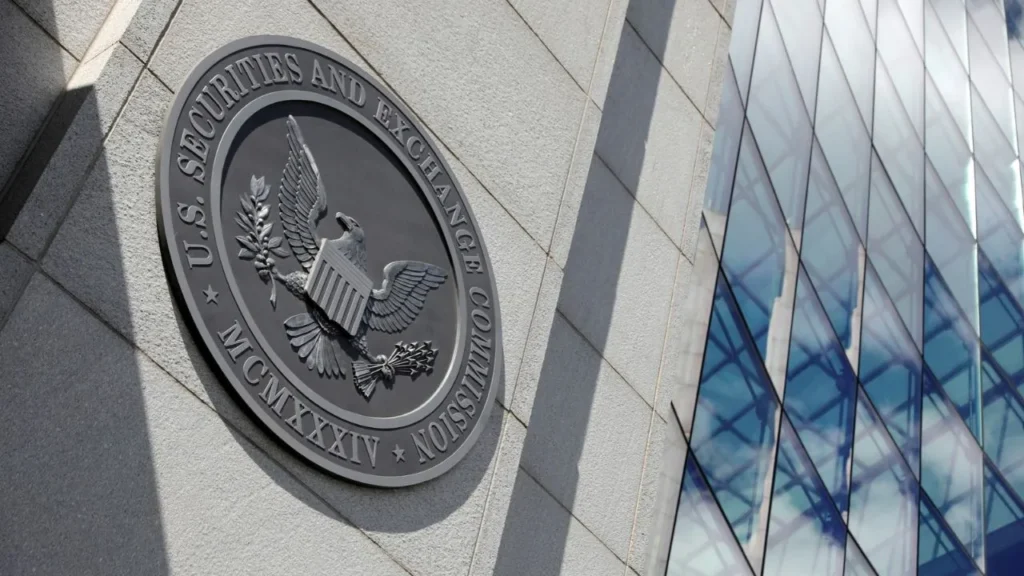
The U.S. Securities and Exchange Commission (SEC) is actively scrutinizing the corporate disclosures of artificial intelligence (AI) companies as investor anxieties intensify over the possibility of an AI-driven market bubble. This heightened scrutiny comes at a time when a surge in AI investment has led to significant cash burn by major technology firms, raising questions about the long-term sustainability of these expenditures, especially in a rising interest rate environment. The agency’s enforcement director, David Woodcock, revealed this focus in a recent interview with Reuters, emphasizing the SEC’s commitment to ensuring transparency for investors.
The recent sell-off in Big Tech stocks underscores these growing concerns. Several prominent companies have disclosed substantial expenditures aimed at fueling their AI expansion initiatives. This financial outlay, coupled with the prevailing macroeconomic climate characterized by increasing interest rates, has prompted a reassessment of the economic viability and long-term prospects of the current AI investment fervor. Investors are now demanding greater clarity on how these ambitious AI projects will translate into sustainable revenue streams and profitability, prompting the SEC to enhance its oversight of corporate communication in this rapidly evolving sector.
David Woodcock, who assumed the role of SEC enforcement director in May, articulated the agency’s dual mandate: to foster technological innovation while simultaneously safeguarding investors. "Our principal concern is that people are making accurate disclosures about material information so that investors know what they’re getting into," Woodcock stated. He stressed that robust enforcement is a critical component of ensuring that companies adhere to these disclosure obligations. The SEC’s proactive stance aims to preempt potential investor harm by ensuring that all material risks associated with AI investments are clearly communicated.
Woodcock further elaborated that where such accurate and comprehensive disclosure is lacking, "then enforcement will be present." This indicates a readiness by the SEC to take punitive action against entities that fail to meet their reporting responsibilities. The agency’s focus extends beyond publicly traded companies to encompass the broader AI ecosystem, recognizing the intricate web of relationships and transactions that characterize this burgeoning industry.
The advent of sophisticated AI technologies has also significantly lowered the barrier to entry for fraudulent activities. Woodcock highlighted that AI and superintelligence have made it "much easier and cheaper to manufacture scams at scale," thereby increasing the vulnerability of a wider populace. This poses a significant challenge for regulators, who must adapt their strategies to combat evolving forms of financial crime. The SEC’s message to brokers and other financial firms is clear: robust internal processes are essential to protect retail investors, and these entities must engage in "thoughtful action" to mitigate these emerging risks.
Navigating the Complexities of Private Markets and Prediction Markets
Beyond the direct oversight of AI companies’ public disclosures, the SEC is also intensifying its focus on private markets and emerging financial instruments. Woodcock confirmed that the agency will continue to scrutinize issues within private markets, with the enforcement team’s asset management unit placing a particular emphasis on conflicts of interest and the accuracy of asset valuations.
"When people don’t make accurate disclosures, whether it’s about valuations or whatever, then there is a role for enforcement," Woodcock reiterated. He anticipates increased regulatory activity in this domain, suggesting that the SEC views this as a critical area for ensuring market integrity. This commitment to vigilance in private markets is particularly important given their increasing significance in the broader investment landscape and their historical opacity.
Reuters has previously reported on the SEC’s investigation into specific types of private equity funds, signaling a broader agency interest in the less transparent segments of the financial markets. The potential for misrepresentation or manipulation in these less regulated spaces makes them a prime target for SEC oversight.
The SEC’s purview also extends to prediction markets, platforms that allow individuals to wager on the outcomes of real-world events, including sports, policy decisions, and elections. These markets, exemplified by platforms like Polymarket and Kalshi, have experienced a significant surge in popularity over the past two years. Their expansion into areas that involve financial instruments, such as equity-linked prediction markets, brings them squarely within the SEC’s regulatory jurisdiction.

Woodcock indicated that the SEC’s enforcement staff are actively collaborating with policy officials and the Commodity Futures Trading Commission (CFTC), which generally oversees swap markets. This inter-agency cooperation is crucial for developing a comprehensive approach to monitoring and regulating these rapidly evolving prediction markets. The goal is to strike a balance between fostering innovation and mitigating potential risks to investors and market stability.
When questioned about the possibility of bringing enforcement actions against firms that operate without registering with the agency, Woodcock expressed a desire to avoid regulating the nascent industry solely through punitive measures. "We want to be involved where it makes sense, but not in a way that crushes innovation," he stated. This suggests a preference for a regulatory framework that encourages responsible growth rather than stifling nascent technologies and market structures.
The Looming Specter of an AI Bubble: Underlying Concerns and Historical Parallels
The SEC’s intensified focus on AI disclosures is a direct response to mounting investor apprehension regarding a potential AI bubble. This concern is not entirely novel; financial history is replete with instances of speculative manias that have ultimately led to market corrections. The dot-com bubble of the late 1990s serves as a prominent historical parallel, where inflated valuations of internet-based companies, often driven by hype and limited profitability, eventually burst, leading to significant investor losses.
The current AI boom shares some similarities with the dot-com era. The rapid development and perceived transformative potential of AI have ignited a fervor among investors, leading to substantial capital inflows into AI-focused companies and infrastructure. However, the underlying economic fundamentals are still being established. Many AI companies are in early stages of development, with unproven business models and uncertain paths to profitability.
A key driver of concern is the concept of "circular deals," where companies might be engaging in transactions that artificially inflate their perceived value or demand. This could involve cross-investments, preferential treatment in partnerships, or other arrangements that create an illusion of robust market activity without genuine underlying economic value creation. The SEC’s examination of corporate disclosures is designed to uncover any such potentially misleading practices.

The substantial cash burn rate reported by major technology firms is another significant red flag. The immense computational power, extensive data requirements, and ongoing research and development necessary for advanced AI necessitate significant investment. While this investment is crucial for progress, the current high interest rate environment makes it more expensive for companies to finance these operations through debt. This raises questions about the sustainability of current spending levels if profitability does not materialize within a reasonable timeframe. Investors are increasingly scrutinizing the return on investment for these AI initiatives.
Expert Perspectives and Broader Economic Implications
Financial analysts and market observers have also voiced concerns about the AI investment landscape. Some point to the rapid ascent of AI-related stocks, which have often outpaced their underlying revenue growth, as indicative of speculative trading rather than fundamental value investing. The concentration of investment in a few dominant AI players further exacerbates these concerns, creating a potential for systemic risk if these entities falter.
The broader economic implications of an AI bubble bursting could be significant. A sharp decline in the valuations of AI companies could lead to widespread investor losses, reduced capital availability for technological innovation, and a potential slowdown in economic growth. Furthermore, it could erode public confidence in the technology sector and its ability to deliver on its promises.
However, it is also important to acknowledge the transformative potential of AI. When properly developed and deployed, AI has the capacity to revolutionize numerous industries, enhance productivity, and create new economic opportunities. The challenge for regulators and investors alike is to distinguish between sustainable innovation and speculative excess.
The SEC’s proactive approach, as outlined by Director Woodcock, aims to strike this delicate balance. By focusing on accurate and transparent disclosures, the agency seeks to empower investors with the information they need to make informed decisions. This includes understanding the realistic timelines for AI development, the competitive landscape, the regulatory environment, and the potential risks associated with investing in this rapidly evolving sector.

The agency’s engagement with prediction markets also highlights its commitment to adapting to new financial innovations. These markets, while offering new avenues for speculation and analysis, also present novel regulatory challenges. The SEC’s collaborative efforts with the CFTC and its emphasis on understanding these platforms before potentially imposing stringent regulations demonstrate a thoughtful and measured approach.
The Path Forward: Balancing Innovation and Investor Protection
The SEC’s current focus on AI disclosures and its broader regulatory initiatives signal a critical juncture for the technology sector. The agency’s objective is not to impede technological progress but to ensure that the foundations of investment are built on a bedrock of transparency and integrity. As AI continues to permeate various aspects of the economy, the SEC’s role in safeguarding investors from potential market excesses will become increasingly vital.
The coming months will likely see continued scrutiny of AI company filings, with a particular emphasis on revenue recognition, future projections, and any unconventional financial arrangements. The agency’s willingness to engage with emerging markets like prediction platforms, while maintaining a cautious stance on overly restrictive enforcement, suggests a pragmatic approach to regulation in the digital age. The ultimate success of this strategy will hinge on its ability to foster a sustainable AI ecosystem that benefits both technological advancement and the investing public. The historical lessons of past market bubbles serve as a constant reminder of the need for vigilance and robust regulatory oversight in periods of rapid technological and financial innovation.