ServiceNow has launched a comprehensive suite of announcements, signaling an aggressive strategy to capture a dominant position in the burgeoning enterprise AI agent market. The company’s stated goal is to double its revenue to $30 billion within the next four years, a move that positions them to manage, secure, and serve as the primary interface for every AI agent deployed within an organization. This ambitious plan, even amidst strong competition from tech giants like Microsoft and Workday, is rooted in a deep understanding of enterprise IT infrastructure and a clear monetization strategy. The recent announcements suggest a potential shift away from the perceived downturn in SaaS, ushering in a new era of AI-driven enterprise management.
The Enterprise AI Landscape: A Race for Control and Governance
The enterprise software landscape is undergoing a significant transformation, with Artificial Intelligence agents becoming central to operational efficiency and strategic decision-making. This rapid evolution, however, has introduced complexities related to management, security, and ROI. Both ServiceNow and its key competitors, Microsoft and Workday, recognize this challenge and are vying for leadership.
ServiceNow’s core message is to "turn enterprise AI chaos into control," a sentiment echoed by Workday’s assertion that "AI agents without enterprise governance are lawless by design." While these pronouncements resonate with Chief Information Officers (CIOs) concerned about managing a burgeoning ecosystem of AI tools, the immediate challenge for many businesses lies not in the perceived chaos, but in identifying and building scalable use cases that deliver tangible return on investment. The success of ServiceNow’s new offerings will ultimately hinge on their ability to not only provide control but also to facilitate the acceleration of these business outcomes.
ServiceNow’s "Action Fabric": The Central Nervous System for Enterprise AI
At the heart of ServiceNow’s strategy is its newly introduced "Action Fabric," a sophisticated monitoring and management layer designed to oversee all AI agent activity within an enterprise. This concept aligns closely with Microsoft’s vision for "Agent 365" and Workday’s "Agent System of Record," both aiming to establish a centralized governance framework for AI agents.
The Action Fabric, delivered through what ServiceNow terms an MCP server, boasts several key features:
- Universal Agent Compatibility: The fabric is designed to connect with any AI agent, regardless of its underlying model or vendor. This "any agent, any model" approach, mirroring similar claims from Microsoft and Workday, ensures broad interoperability and reduces vendor lock-in concerns for the management layer.
- Openness to AI Integration: The management tools are not only for monitoring but can also be invoked by agents themselves, enabling automated management scenarios and the seamless integration of third-party management frameworks.
- Comprehensive Security and Auditing: All connected agents undergo authentication, permission scoping, auditing, and continuous monitoring. While ServiceNow emphasizes "full control; full trust," the enforcement of specific business rules from other enterprise systems like Workday or SAP remains an area requiring further clarity.
This robust infrastructure leverages ServiceNow’s two decades of investment in core IT management capabilities, including its Configuration Management Database (CMDB), Workflow Data Network, configured business rules, Security Center, and identity and access controls. This forms a comprehensive IT management system for both AI agents and existing applications, which ServiceNow is positioning for a significant reinvention.
This strategic direction parallels moves by Workday and SAP. Workday’s "Agent System of Record" and "Agent Gateway" aim to open its established platform to external agents, while SAP advocates for agents to utilize its "Business Accelerator Hub" for accessing business rules, also with metered usage. The choice for enterprises will likely depend on the existing investment in specific vendor ecosystems (e.g., Workday or SAP business rules) and preferred development environments.
Otto: The "Front Door" to Enterprise AI and Employee Experience
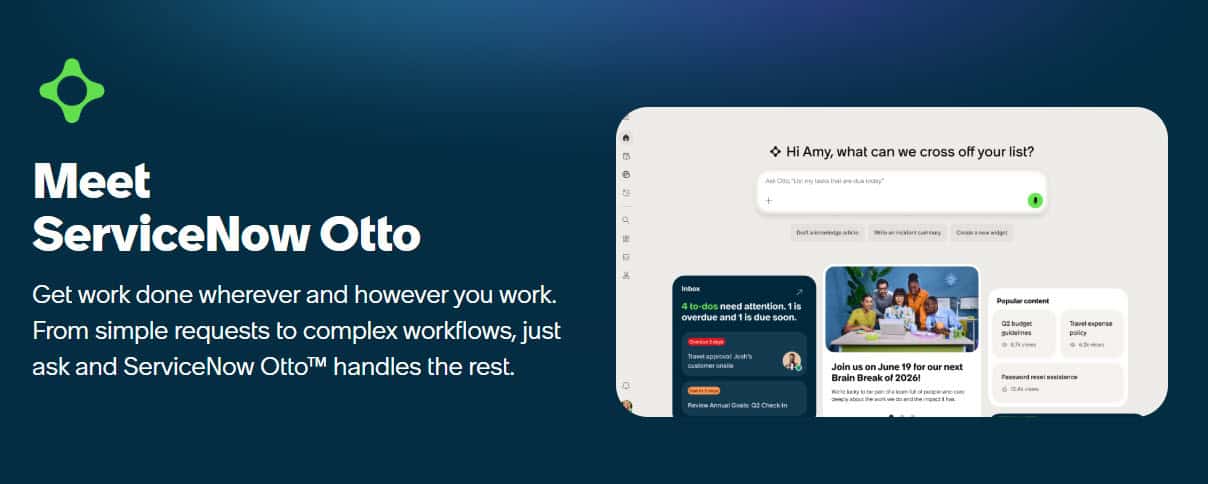
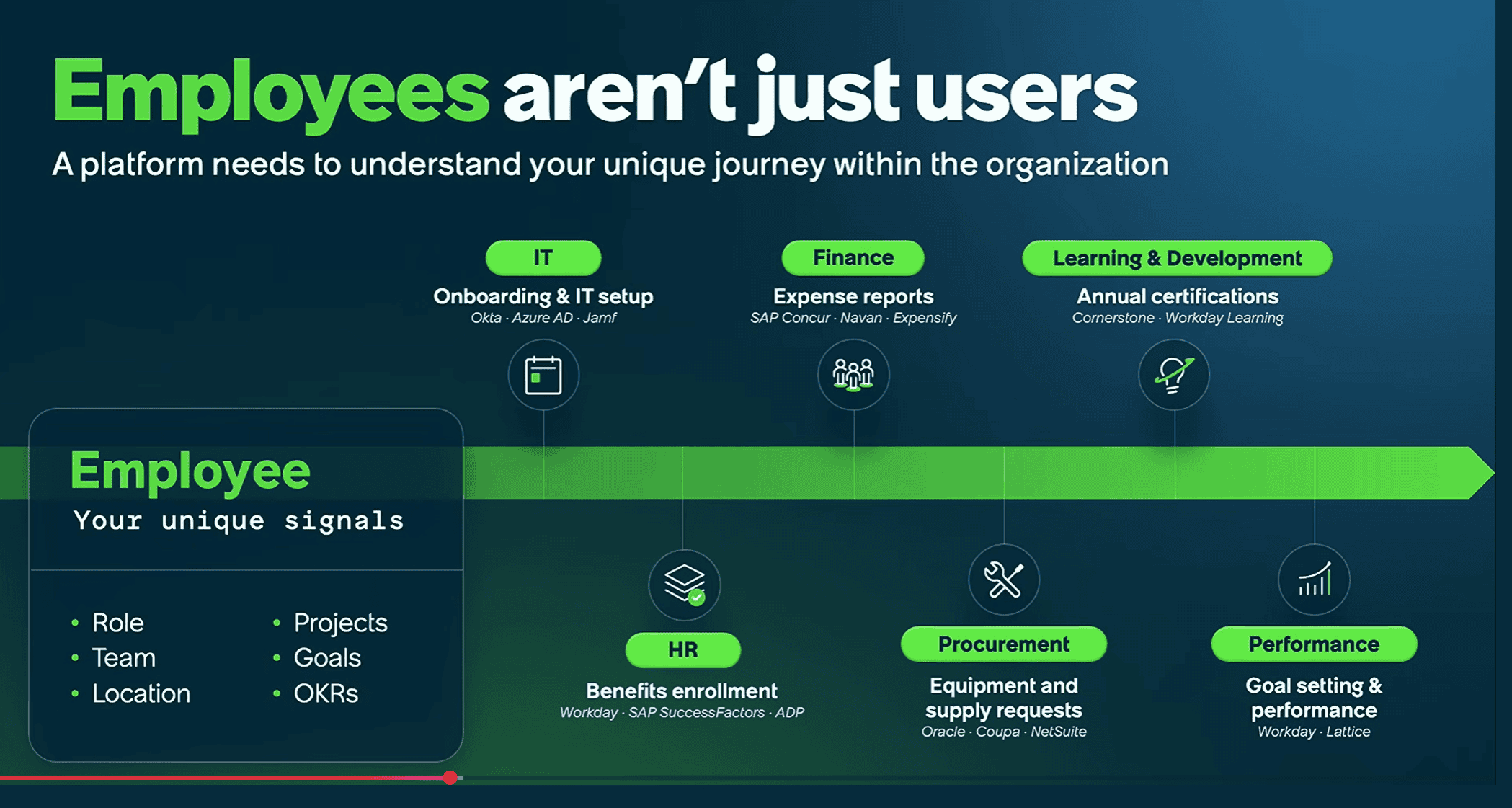
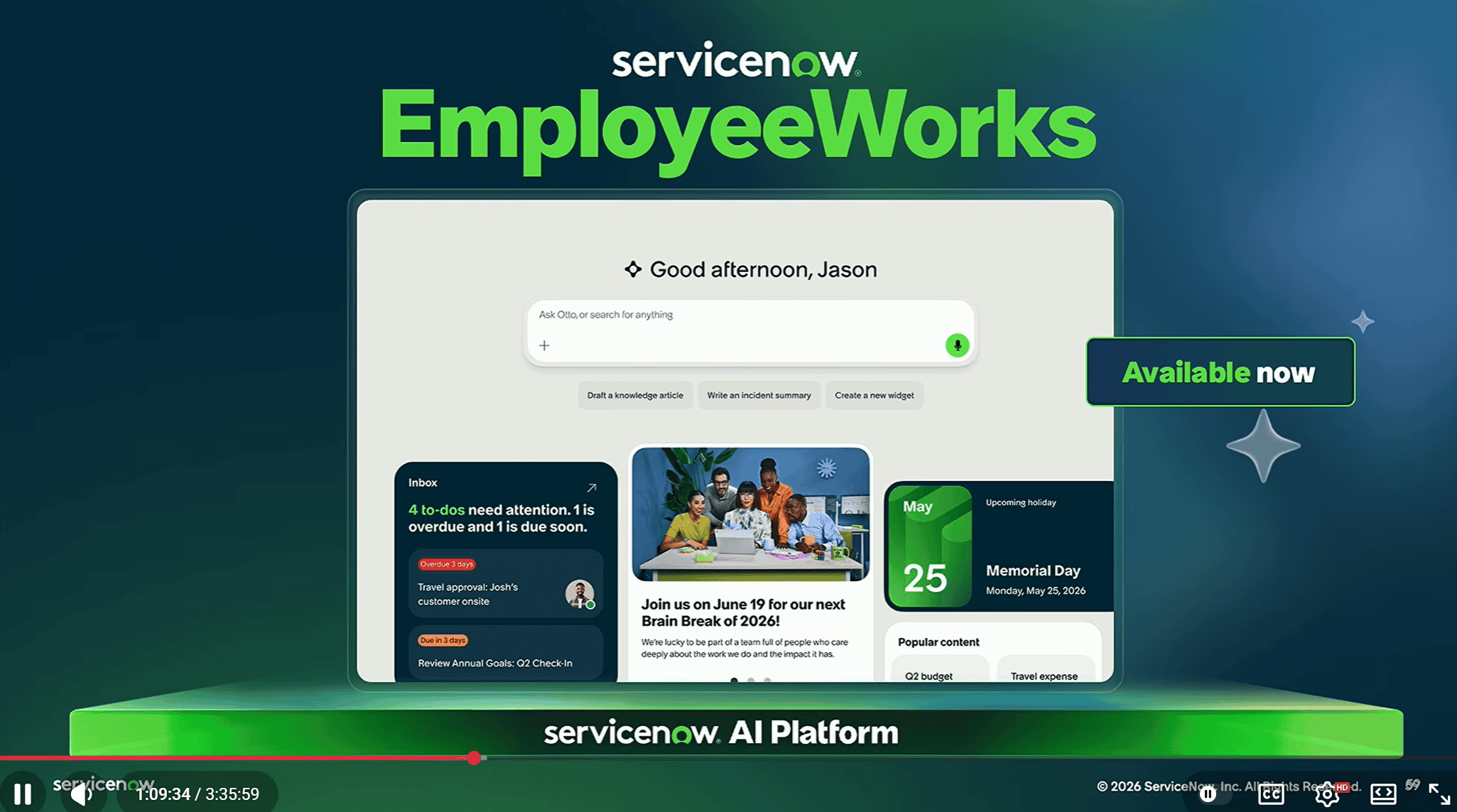
ServiceNow is also reinventing its "Now Assist" offering, rebranding it as "Otto," a persona-driven "Front Door" agent designed to provide a unified access point to enterprise resources and functionalities. This initiative mirrors Workday’s introduction of "Sana" as its enterprise front door and aims to consolidate employee-facing AI interactions.
Otto, integrated with the capabilities of Moveworks, is positioned as a friendly and accessible employee tool for tasks ranging from information retrieval and knowledge management to broader employee support needs. ServiceNow explicitly frames Otto as the new Employee Experience (EX) platform, signaling a departure from traditional "Employee Self-Service" models. This rebranding is supported by Bhavin Shah, founder of Moveworks, who now leads the Otto initiative, and the broader "EmployeeWorks" initiative, emphasizing its open nature.
The evolution of the Employee Experience Platform (EXP) market has demonstrated the complexity of integrating diverse employee needs. Otto will need to handle a wide spectrum of inquiries, extending beyond simple chatbots to encompass communications, community engagement, training, and a resolution hub for IT, policy, and general employee issues. The success of Otto will therefore depend heavily on its ability to integrate with a broad array of existing enterprise systems and services.
For instance, the development of specialized AI agents for crisis management, capable of addressing employee trauma, power outages, and other emergencies, highlights the need for sophisticated, adaptable solutions. These agents, often requiring support beyond traditional AI-first approaches, underscore the potential scenarios Otto could address. However, this space is intensely competitive, with Microsoft, Zoom, and numerous Human Capital Management (HCM) players also focusing on employee-centric AI solutions.
The AI Control Tower: Governance, Security, and ROI for Enterprise AI
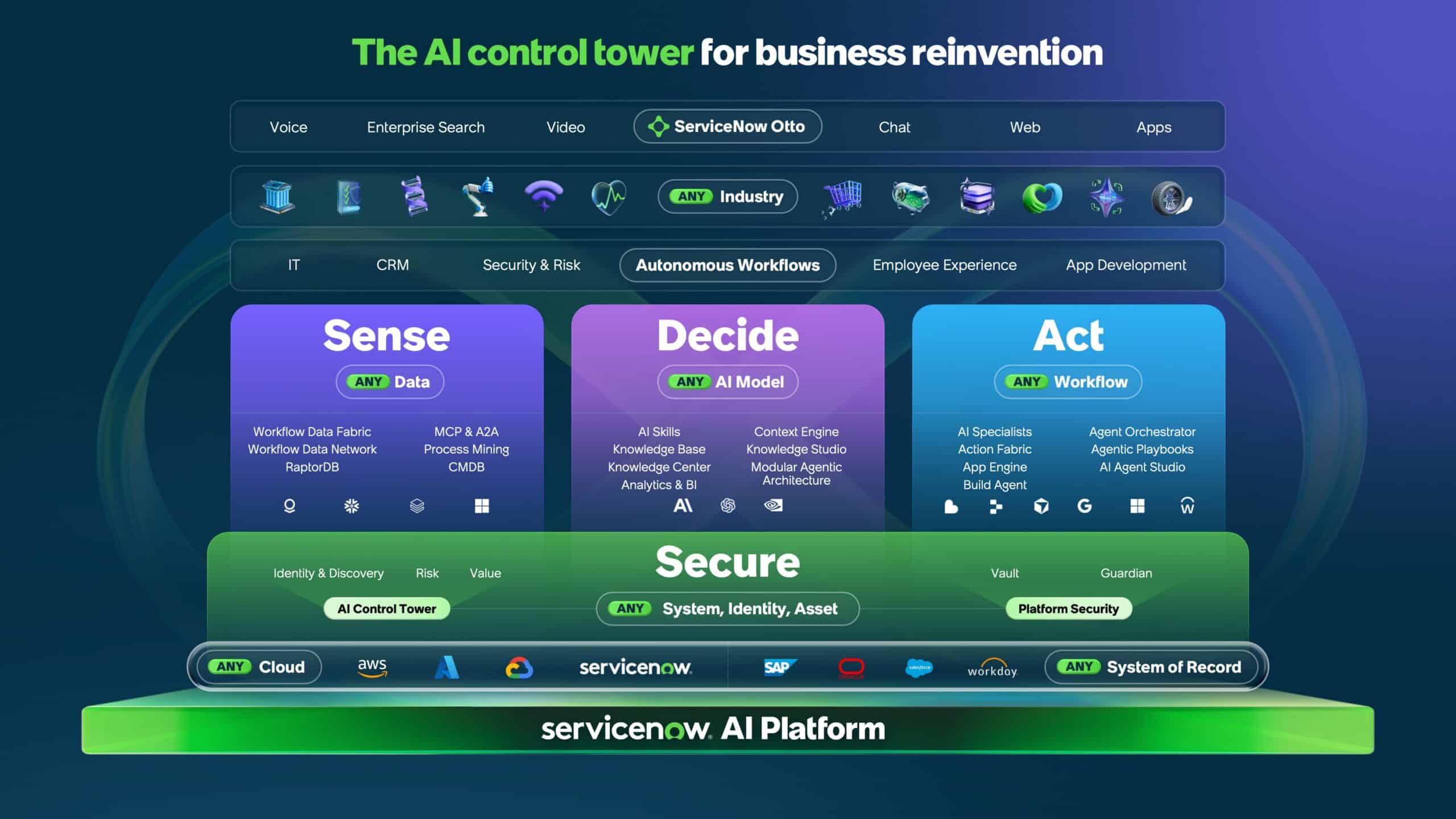
ServiceNow’s "AI Control Tower" represents an ambitious vision for overseeing the entire lifecycle of enterprise AI. This platform aims not only to monitor and provision agents but also to actively calculate their return on investment (ROI). This capability allows organizations to identify underperforming agents and those incurring excessive costs due to high token consumption.
The concept echoes early enterprise management systems like IBM’s "SystemView," which aimed to manage all computing resources within proprietary networks. ServiceNow’s vision, articulated by CEO Bill McDermott, seeks to manage every facet of the enterprise: identities, agents, workflows, and people. While bold, the practical implications and feasibility of such comprehensive management are yet to be fully tested.
A critical consideration raised by the AI Control Tower is the balance between IT-driven control and human judgment. While monitoring and managing AI decisions can enhance security and efficiency, an overemphasis on rigid oversight could stifle employee autonomy and the ability to exercise "best judgment" in complex situations, as exemplified by the service philosophy of The Ritz Carlton. The challenge lies in creating a system that provides necessary governance without undermining human ingenuity.
The ServiceNow Autonomous Workforce: Defining AI Roles for the Future
ServiceNow is also introducing "The ServiceNow Autonomous Workforce," a set of predefined "AI Specialists" designed to perform autonomous work across various business functions. This initiative aligns with forward-looking concepts like "Agentic Human Resources" and aims to define potential job roles for AI agents.
Examples of these AI Specialists include:
- Site Reliability AI Specialist
- AI Operations Specialist
- Level 1 Service Desk Specialist
- HR Service Delivery AI Specialist
- Case Management Specialist
- Third-party Screening Specialist
- Enterprise Architecture Specialist
- Vulnerability Exposure Specialist
These roles represent a shift towards centralizing tasks that were previously handled by human teams. The proposed AI Specialists can be categorized into those that take action, set rules, and observe and monitor, aligning with broader frameworks for AI agent capabilities. This could include specialized agents for DEI analysis, compliance, employee engagement monitoring, manager approvals, and pay equity advocacy, potentially streamlining functions traditionally requiring significant human oversight.
The challenge of "naming" these AI agents is also being addressed, with ServiceNow taking a proactive approach. The company anticipates that AI agents may eventually self-name based on their capabilities. The integration of Galileo, a "digital HR consultant," into Otto further exemplifies this trend, suggesting that AI tools will increasingly embody specialized expertise.
The ServiceNow Context Engine: Unifying Enterprise Operations
Complementing its other announcements, ServiceNow is introducing the "Context Engine." This layer is designed to identify and locate existing system business rules and metadata, providing a unified view of enterprise operations. It aims to consolidate organizational structures, privacy rules, and diverse business workflows, often originating from ERP and other core systems.
The Context Engine is described as a "graph of graphs," integrating ServiceNow’s workflow data network with knowledge, action, asset, and decision graphs. This forms a comprehensive model of enterprise operations. The platform also introduces "autonomous data analytics" through an AI Analyst Specialist, ensuring continuous data integration and insight generation.
This area is highly competitive, with Microsoft’s "WorkIQ" offering a similar context layer and comprehensive connectors to the Microsoft Graph. Gloat’s recent introduction of "Loomra" for human capital applications also highlights the growing focus on contextual understanding within enterprise AI. The ability of these platforms to effectively integrate and interpret diverse business rules and operational data will be critical to their success.
Monetizing the AI Revolution: New Revenue Models and Market Dynamics
ServiceNow’s expansive vision is underpinned by a clear monetization strategy, aiming to capture a significant portion of the estimated trillion-dollar opportunity in enterprise AI. The company, along with peers like Workday, Oracle, and SAP, is shifting from traditional per-seat licensing to a model based on agent usage. This represents a fundamental change in how enterprise software is valued and consumed.
The broader market is seeing significant investment in AI services. Anthropic’s partnership with Blackstone to build an integrated AI products and services company, and OpenAI’s launch of a joint venture services business with substantial private equity backing, underscore the trend towards fee-driven services replacing traditional human labor markets.
The economic justification for these investments remains a key question. While AI agents can potentially reduce labor costs, their overall ROI depends on their ability to "transform work" rather than merely automate it. Companies like Uber have reportedly scaled back on software agents, citing the comparative cost-effectiveness of human labor. This suggests that a strategic focus on redesign and transformation, enabled by AI, will be more critical than simply adopting new infrastructure.
Furthermore, the ease of development and the perceived total cost of AI transformation, encompassing development, maintenance, business rules, and governance, will influence vendor selection. If platforms like Microsoft Copilot or Workday offer more intuitive development environments, their associated management tools may gain favor.
Conclusion: Navigating the Future of Enterprise AI
ServiceNow’s aggressive announcements paint a picture of a company determined to lead the next wave of enterprise technology. Their strategy, focused on providing control, governance, and a unified interface for AI agents, addresses critical needs emerging in the current technological landscape. The introduction of Action Fabric, Otto, the AI Control Tower, the Autonomous Workforce, and the Context Engine demonstrates a holistic approach to managing the complexities of enterprise AI.
However, the ultimate success of this strategy will depend on several factors: the ability to deliver demonstrable ROI for businesses struggling to define use cases, the capacity to balance robust governance with human-centric operations, and the responsiveness to a rapidly evolving and competitive market. As enterprises navigate the transformative potential of AI, the choices they make regarding management, governance, and integration will shape their operational future. The ongoing evolution of this space, with new revenue models and service offerings emerging, suggests that the "software is a service" paradigm, driven by AI agent usage, is poised to redefine enterprise IT for years to come. The question remains whether these powerful AI tools will truly liberate human potential, enabling us to think bigger and more clearly, or whether the focus on management and control will inadvertently stifle innovation.