
The contemporary landscape of talent acquisition often presents a paradoxical challenge: the critical administrative step of approving a job description (JD) frequently consumes more time and resources than the actual process of filling the position itself. This prevalent issue, characterized by protracted approval cycles, opaque bottlenecks, and an absence of clarity regarding approval responsibilities, signals a fundamental disarray within an organization’s job description approval ecosystem. Such inefficiencies are not mere administrative nuisances; they represent significant strategic impediments in the fiercely competitive talent market of 2026. This article delves into the core issues contributing to these approval delays and provides actionable strategies for optimizing workflows to navigate these critical challenges effectively.
The Evolving Landscape of Talent Acquisition and the Urgency of Efficiency
The year 2026 finds the global talent market more dynamic and competitive than ever before. Factors such as the continued shift towards hybrid and remote work models, a persistent demand for specialized skills, and evolving candidate expectations have amplified the pressure on organizations to streamline every aspect of their hiring process. In this environment, the speed at which a job can be posted and candidates engaged directly correlates with the ability to attract top-tier talent. According to recent industry analyses, top candidates are typically on the market for an average of just 10-14 days. Delays in JD approval, therefore, translate directly into missed opportunities, higher recruitment costs, and a weakened employer brand. A survey conducted by a leading HR technology firm in late 2025 revealed that approximately 58% of companies reported JD approval processes adding an average of 10-15 business days to their time-to-fill metrics, highlighting a critical area ripe for optimization.
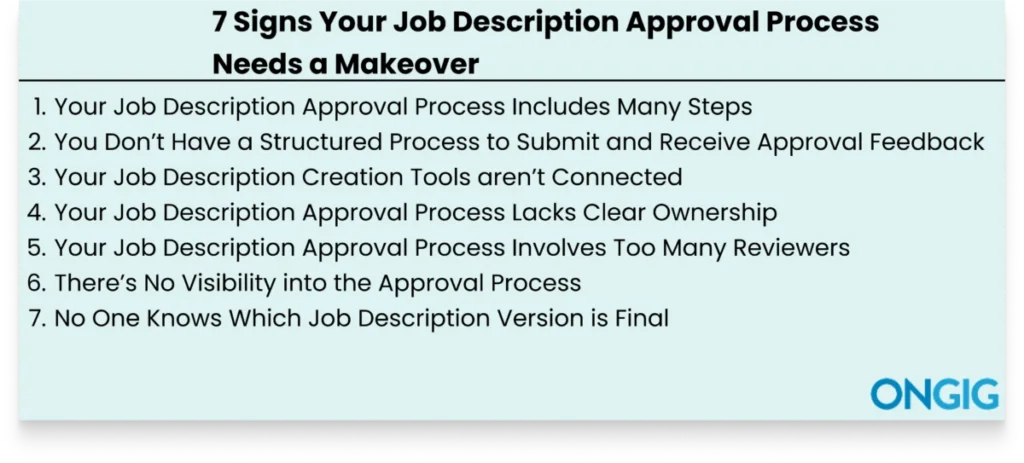
Seven Critical Flaws in Job Description Approval Workflows
The root causes of sluggish and chaotic JD approval processes can typically be categorized into several pervasive issues, each contributing to significant operational drag and strategic disadvantages.
1. Excessive Workflow Stages and Over-Engineered Processes
Many organizations, in an attempt to ensure thoroughness, inadvertently over-engineer their JD approval processes by incorporating an inordinate number of sequential steps. While each stage may appear justified in isolation, their cumulative effect often stretches a task that could ideally be completed in days into weeks. A common scenario involves a multi-stage approval sequence where the process stalls if a single team member, perhaps on leave or engaged in other high-priority tasks, is required to provide sign-off before the JD can advance. This single point of failure, replicated across numerous steps, exponentially increases the likelihood and duration of delays. If a typical JD navigates eight or more distinct approval gates, the cumulative delay becomes not an exception but the organizational norm.
Optimization Strategy: A comprehensive audit of the current workflow is paramount. Organizations must critically evaluate each step to differentiate between "must-have" and "nice-to-have" approvals. The goal should be to consolidate and streamline, aiming for a lean process of ideally four to five critical steps that ensure compliance and accuracy without creating unnecessary bottlenecks.
2. Fragmented Communication Channels and Dispersed Feedback Mechanisms
A decentralized approach to feedback and communication is a hallmark of a disorganized JD approval process. When input is solicited and provided across various platforms—emails, instant messaging applications, collaborative documents, and even verbal discussions—the reconciliation of feedback becomes a complex, error-prone, and time-consuming endeavor. HR teams might find themselves collating comments from Google Docs, Slack, and email threads, leading to lost suggestions, conflicting edits, and a frustrating cycle of clarification and re-submission. This "feedback chaos" not only prolongs the approval cycle but also introduces the risk of critical information being overlooked, potentially leading to compliance issues or misaligned expectations.
Optimization Strategy: Establishing a single, mandatory platform for all feedback, edits, and sign-offs is crucial. This enforcement ensures that all stakeholders know precisely where to submit and retrieve information, fostering a centralized communication hub and significantly reducing the administrative burden of consolidating disparate inputs.
3. Disconnected Technological Ecosystems for JD Creation
The typical journey of a job description in many organizations involves a disjointed series of tools: drafting in a word processor, circulating via email for edits, seeking approval through an instant messaging app, and finally, manually copying and pasting into an Applicant Tracking System (ATS). This "tool chaos" inevitably leads to inefficiencies and errors. For instance, a reviewer might make a critical edit in one document version, while another stakeholder approves an outdated copy from a different storage location. The lack of integration means there’s no real-time visibility into who has reviewed what, the current status of the document, or which version is considered authoritative. This technological fragmentation creates an environment ripe for misunderstandings and delays.
Optimization Strategy: Centralizing the entire job description creation, collaboration, and approval process within a single, integrated platform, such as a dedicated job description management software, is the most effective solution. Such systems offer a unified environment where all actions, from drafting to final approval and ATS integration, occur seamlessly, ensuring a single source of truth and real-time status updates.
4. Absence of Clear Process Ownership and Accountability
A significant indicator of a dysfunctional JD approval process is ambiguity surrounding who "owns" it. When asked, different teams might offer conflicting answers—recruiting assuming legal is responsible, or talent acquisition believing HR managers oversee the entire workflow. This lack of defined ownership breeds a culture of no accountability. Without a designated individual or team responsible for overseeing the end-to-end process, tracking progress, and resolving bottlenecks, the process becomes rudderless. Critical JDs can languish for weeks, with no clear point of contact for follow-up or escalation. This diffusion of responsibility directly contributes to delays and a lack of proactive problem-solving.
Optimization Strategy: Implementing a role-based approval workflow with clearly delineated responsibilities for each stage is essential. Beyond individual stage owners, appointing a single process owner responsible for the entire JD lifecycle ensures accountability and provides a central point of contact for inquiries and escalations. This clarifies expectations and empowers individuals to drive the process forward.
5. Over-Involvement of Reviewers: The "Too Many Cooks" Syndrome
While stakeholder input is vital, requiring more than six individuals to approve every job description can create an unnecessary bottleneck. The core issue isn’t the importance of diverse perspectives, but the logistical complexity of coordinating numerous schedules, reconciling conflicting feedback, and establishing final authority when disagreements arise. This extended review cycle invariably transforms a quick approval into a multi-week saga, draining resources and delaying critical hiring initiatives.
Optimization Strategy: Differentiating between "required" and "optional" reviewers is a practical approach. Define a core group of critical stakeholders (e.g., hiring manager, HR business partner, compliance, and potentially a compensation specialist) whose approval is non-negotiable. Other stakeholders can be consulted for input or kept informed but not mandated for formal sign-off on every JD. This lean approach ensures essential checks are performed without excessive delays.
6. Lack of Transparent Process Visibility
Operating without visibility into the approval process is akin to navigating a labyrinth blindfolded. When teams lack insight into the status of a JD—whether it’s pending review, undergoing revisions, or stuck awaiting a specific individual’s action—it becomes impossible to anticipate delays, proactively address issues, or provide realistic timelines. This absence of transparency can mask underlying problems, such as an overloaded reviewer or an overlooked notification, preventing effective optimization. Organizations cannot improve what they cannot measure or understand.
Optimization Strategy: Implementing dashboards, status tracking, and automated notifications within a centralized system provides real-time visibility. This allows teams to see the exact stage of each JD, identify bottlenecks, and understand the typical duration of each approval step. This data-driven insight empowers proactive management and continuous process improvement.
7. The Peril of Uncontrolled Document Versions
In an environment where multiple reviewers contribute edits across various channels, the proliferation of job description versions is inevitable. This creates a state of confusion where no one is certain which document represents the final, approved version. An HR draft, a compensation-adjusted version, and a compliance-edited copy might all exist simultaneously, scattered across different platforms, each potentially appearing to be the "final" document. This version control nightmare can lead to serious consequences, such as a hiring manager posting an outdated or unapproved JD, resulting in misaligned candidate expectations, legal risks, or even rescinded offers.
Optimization Strategy: A robust job description management software that incorporates version history, track changes, and a clear audit trail is essential. This ensures that every edit is logged, the latest approved version is always clearly identifiable, and stakeholders can trace the evolution of the document, eliminating ambiguity and ensuring compliance.
The Strategic Imperative for an Efficient JD Approval Process in 2026
The benefits of optimizing the JD approval process extend far beyond mere administrative convenience, impacting several critical organizational functions:
- Speed Wins Qualified Candidates: In 2026’s competitive talent market, agility is paramount. A streamlined approval process drastically reduces time-to-post, enabling organizations to engage with top talent faster and secure them before competitors. Delays mean losing out on the best candidates who are quickly snapped up.
- Enhanced Compliance and Reduced Legal Risks: The regulatory landscape for hiring is increasingly complex, with evolving laws around equal opportunity, accessibility, and pay transparency (e.g., salary range disclosure requirements in various US states and countries). A well-defined approval process, with mandatory compliance checks integrated, acts as a crucial safeguard, significantly mitigating legal risks and potential penalties.
- Preservation and Enhancement of Employer Brand: A disorganized and protracted hiring process, beginning with confusing or poorly formatted job descriptions, can project a negative image of the organization. Conversely, clear, consistent, and timely JDs, ensured by an efficient approval workflow, reinforce a professional and well-managed employer brand, attracting higher quality applicants.
- Maintained Alignment Across Stakeholders: A job description is a foundational document that impacts multiple internal teams—from hiring managers and HR to legal, compensation, and even marketing. An effective approval process ensures that all critical stakeholders review and agree upon the JD before it goes live, preventing internal misalignment, costly mis-hires, and the need to restart recruitment efforts due to internal disagreements.
Leveraging Technology for Transformation: The Role of Centralized Platforms
The predominant underlying cause of most JD approval challenges is the reliance on manual, disconnected processes. Modern job description management software emerges as a comprehensive solution, centralizing all facets of the JD lifecycle. Platforms like Ongig, for example, offer a unified system to orchestrate and streamline approval workflows. These systems typically feature:
- Customizable Approval Workflows: Configure sequential or parallel approval paths tailored to specific roles or departments.
- Real-time Status Tracking: Dashboards provide immediate visibility into the progress of each JD, identifying bottlenecks instantly.
- Centralized Feedback and Collaboration: All comments, edits, and approvals reside in a single location, eliminating communication fragmentation.
- Version Control and Audit Trails: Automatic tracking of changes, version history, and audit logs ensure accountability and compliance.
- Automated Notifications and Reminders: Proactive alerts keep reviewers on schedule and nudge stalled processes forward.
- Integration Capabilities: Seamless connection with Applicant Tracking Systems (ATS) and other HR platforms prevents manual data entry errors and ensures consistency.
By adopting such centralized systems, organizations can drastically cut approval times from weeks to mere days, transforming a previous bottleneck into a streamlined operational advantage.
Best Practices for Transitioning to a Centralized Workflow System
Migrating from disparate tools to a unified JD management system can seem daunting, but a structured approach ensures a smooth transition:
- Pilot Program: Initiate the transition with a smaller team or department to test the new workflow, gather feedback, and identify potential adjustments before a full organizational rollout.
- Stakeholder Training: Provide comprehensive training to all users—recruiters, hiring managers, legal, HR—on how to effectively use the new platform for drafting, reviewing, and approving JDs.
- Clear Communication: Articulate the "why" behind the change, emphasizing the benefits of efficiency, compliance, and improved hiring outcomes to encourage adoption.
- Standardization of Templates: Leverage the new system to enforce standardized JD templates, ensuring consistency in format, content, and inclusion of critical sections (e.g., salary ranges, diversity statements).
- Phased Rollout: Implement the new system in stages, allowing teams to adapt gradually and providing ample support during each phase.
- Continuous Feedback Loop: Establish channels for users to provide ongoing feedback, allowing for iterative improvements to the workflow and system configuration.
Whether managing a handful or thousands of JDs, a scalable system can accommodate organizational growth and evolving needs, ensuring that approval processes remain organized and efficient.
A Standardized Approval Framework: The Essential Checklist
To further enhance clarity and eliminate confusion, a well-defined checklist outlining each approval step and its clear ownership is invaluable. Below is a sample framework that can be adapted and integrated into a centralized JD management system:
Phase 1: Job Description Drafting
- Owner: Recruiter / Hiring Manager
- Tasks:
- Draft initial JD using standardized template.
- Define core responsibilities, qualifications, and reporting structure.
- Include initial salary range (if required by law or company policy).
- Ensure inclusive language and compliance with basic EEO guidelines.
- Completion: JD submitted for initial review.
Phase 2: Hiring Manager Review
- Owner: Hiring Manager
- Tasks:
- Review JD for accuracy against team needs and role expectations.
- Confirm responsibilities, required skills, and cultural fit.
- Provide feedback/edits directly within the centralized platform.
- Approve or request revisions.
- Completion: Hiring Manager sign-off.
Phase 3: HR / Compensation Review
- Owner: HR Business Partner / Compensation Specialist
- Tasks:
- Review JD for internal equity and external market competitiveness.
- Verify salary range and benefits alignment.
- Ensure adherence to company policies and internal guidelines.
- Approve or request revisions.
- Completion: HR/Compensation sign-off.
Phase 4: Legal / Compliance Review (If Required)
- Owner: Legal Team / Compliance Officer
- Tasks:
- Review JD for adherence to all local, national, and international labor laws.
- Check for specific regulatory requirements (e.g., pay transparency, accessibility statements).
- Confirm non-discriminatory language and fair hiring practices.
- Approve or request revisions.
- Completion: Legal/Compliance sign-off.
Phase 5: Final Approval and Publication
- Owner: Head of Talent Acquisition / Designated Process Owner
- Tasks:
- Confirm all required approvals have been secured.
- Perform a final quality check for consistency and completeness.
- Publish the JD to internal and external job boards (often automated via ATS integration).
- Archive the final approved version and audit trail.
- Completion: JD goes live.
Industry Outlook and Expert Perspectives
"The days of manual, email-driven JD approvals are rapidly becoming obsolete," states Dr. Evelyn Reed, a prominent HR technology consultant. "Organizations that cling to these outdated processes will find themselves at a severe disadvantage in the talent wars. The investment in robust JD management software is no longer a luxury; it’s a strategic imperative for operational efficiency, compliance, and talent attraction." She further notes that "the future of hiring demands agility, and that starts with the foundational document – the job description. Any friction in its approval directly impacts an organization’s ability to compete."
Conclusion
In the competitive talent landscape of 2026, a meticulously optimized job description approval process is no longer a mere administrative aspiration but a critical strategic advantage. The transition from chaotic, manual workflows to streamlined, centralized systems powered by dedicated software is essential for enhancing speed, ensuring compliance, bolstering employer brand, and maintaining vital stakeholder alignment. By proactively addressing the common pitfalls discussed—from excessive steps to fragmented communication and lack of ownership—organizations can transform a historical bottleneck into a powerful enabler of efficient and effective talent acquisition. The time invested in building an organized, transparent, and agile JD approval workflow will yield significant returns, ensuring that the critical task of defining roles accelerates, rather than hinders, the pursuit of top talent.






