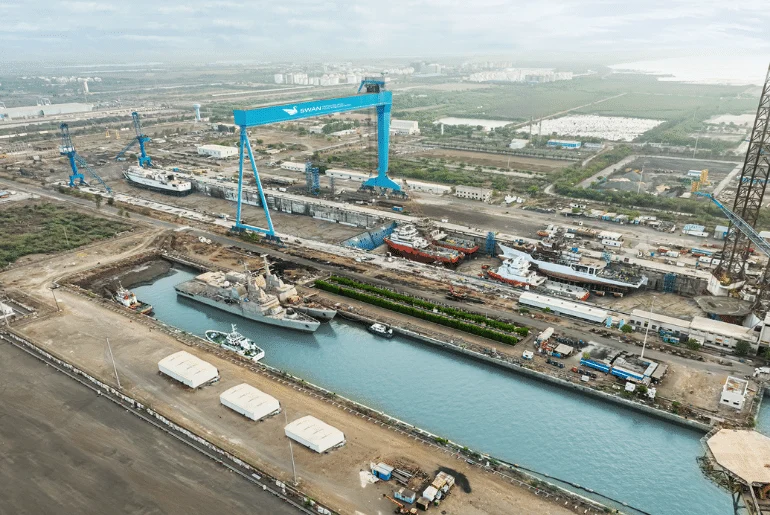
Swan Defence and Heavy Industries (SDHI) has significantly amplified its operational footprint and human capital, more than doubling its workforce over the past 18 months. This rapid expansion is set to continue, with ambitious plans to onboard over 550 new employees by March 2027, underpinning a strategic drive to bolster its shipbuilding and heavy fabrication capabilities. This growth trajectory is not merely an isolated corporate success story but a microcosm of India’s broader national imperative towards maritime self-reliance, powered by robust government policies and an innovative skill development program named SWAVALAMBAN.
The planned recruitment spree at SDHI is comprehensive, targeting a diverse range of expertise crucial for a modern maritime industrial complex. It encompasses both white-collar and blue-collar roles across newbuild, repair, and refit operations. Key white-collar positions include project management, design and engineering, supply chain management, and quality assurance. On the blue-collar front, the demand is particularly high for skilled personnel in heavy fabrication, civil works, and highly specialized trades such as precision welding, advanced fitting, and intricate pipework. This multi-faceted hiring strategy reflects the intricate requirements of complex shipbuilding projects, demanding a blend of strategic oversight, technical innovation, and hands-on craftsmanship. The expansion is directly aligned with India’s increasing focus on indigenization in defence manufacturing and a burgeoning commercial shipbuilding sector, necessitating a larger, more skilled domestic workforce.
SWAVALAMBAN: A Model for Industry-Aligned Skill Development
Central to SDHI’s ability to scale its operations rapidly and efficiently is SWAVALAMBAN, a pioneering classroom-to-shopfloor training programme launched last year. This initiative was specifically designed to cultivate a skilled talent pool tailored for the demanding maritime sector. The programme has already demonstrated remarkable success, with over 100 graduate, postgraduate, and diploma engineers, alongside industrial technicians, having successfully completed their rigorous training. This achievement is particularly significant in a sector often plagued by skill gaps and a shortage of industry-ready professionals.
The structured training model employed by SWAVALAMBAN is meticulously designed to optimize the transition from theoretical learning to practical application. It integrates a holistic approach that includes strategic sourcing of talent, comprehensive pre-onboarding modules, intensive technical induction, continuous mentorship, and direct shopfloor deployment. SDHI reports that this innovative model has drastically reduced the time required to move trainees from academic instruction to productive roles on the shopfloor by at least 30 per cent. This efficiency gain is critical for accelerating project timelines and maintaining operational momentum in a fast-paced industrial environment. The programme’s efficacy underscores the value of industry-specific, hands-on training that bypasses traditional lags associated with purely academic pathways.
The development and implementation of SWAVALAMBAN were the result of extensive collaboration and consultation with a consortium of key governmental and academic institutions. This multi-stakeholder approach brought together the Ministry of Ports, Shipping and Waterways (MoPSW), the Ministry of Skill Development and Entrepreneurship (MoSDE), Gujarat’s Directorate of Employment & Training, the Gujarat Maritime Board (GMB), the Indian Maritime University (IMU), and a network of 11 Industrial Training Institutes (ITIs). This broad-based partnership ensured that the curriculum and training methodologies were not only academically sound but also deeply aligned with industry needs and national skill development objectives.
A core component of SWAVALAMBAN is its shipbuilding-specific curriculum, meticulously developed in conjunction with the Indian Maritime University. This specialized curriculum combines robust classroom instruction with extensive practical exposure, providing trainees with a comprehensive understanding of maritime engineering principles and real-world application. SDHI further enhances this specialized education by conducting dedicated maritime courses across the 11 participating ITIs, effectively extending the reach and impact of the programme to a wider pool of aspiring technicians and engineers.
Rear Admiral Vipin Kumar Saxena (retd), CEO of Swan Defence and Heavy Industries, lauded the programme’s achievements. "The success of SWAVALAMBAN proves that structured, industry-aligned training can dramatically accelerate technical readiness without compromising safety or quality," he stated. "Through strong ecosystem partnerships, we are actively cultivating skilled professionals who will form the backbone of our growing shipbuilding and heavy engineering operations." His remarks underscore the strategic importance of human capital development in achieving national industrial goals and highlight the effectiveness of collaborative models in bridging the skill gap.
Broader Economic and Strategic Implications
Beyond its direct workforce expansion, SDHI’s ambitious projects are poised to generate a significant multiplier effect across the Indian economy. The company estimates that its expanded operations could create at least 5,000 indirect jobs over the next two to three years through an extensive network of vendors and supply-chain partners. This includes opportunities in manufacturing of components, raw material supply, logistics, ancillary services, and maintenance, fostering a robust ecosystem around the core shipbuilding activities. Such indirect job creation is vital for regional economic development and national employment generation, especially in high-skill manufacturing sectors.
This substantial hiring and skilling push by SDHI aligns perfectly with India’s overarching strategic objectives to expand its domestic shipbuilding capacity and cultivate a world-class maritime workforce. The "Atmanirbhar Bharat" (Self-Reliant India) initiative, championed by the Indian government, places a strong emphasis on reducing reliance on foreign imports, particularly in critical sectors like defence and heavy industries. Shipbuilding is a cornerstone of this vision, contributing to both economic growth and national security. The demand for highly trained professionals and specialized technical talent across the maritime sector is surging, driven by both naval modernization programs and the expansion of commercial shipping and port infrastructure.
India’s Maritime Vision: Context and Chronology
India’s journey towards becoming a formidable maritime power has been a gradual yet determined one, marked by several key policy shifts and strategic initiatives. Historically, India possessed a rich shipbuilding tradition, which saw a decline during colonial rule. Post-independence, efforts were made to revive the sector, primarily through public sector undertakings. However, in recent decades, there has been a concerted push to involve the private sector more actively, recognizing its potential for innovation, efficiency, and rapid scale-up.
The turn of the 21st century witnessed a renewed focus, with the Ministry of Ports, Shipping and Waterways launching ambitious programs like Sagarmala, aimed at port-led development, coastal community prosperity, and infrastructure enhancement. More recently, the Maritime India Vision 2030 outlines a comprehensive strategy to elevate India’s position in the global maritime industry, including shipbuilding, ship repair, and maritime services. This vision sets targets for increasing India’s share in global shipbuilding, reducing turnaround times at ports, and boosting coastal shipping.
The "Make in India" initiative, launched in 2014, further galvanized domestic manufacturing, with defence and heavy industries identified as priority sectors. This policy environment has been instrumental in encouraging private players like SDHI to invest heavily in expanding their capacities. The government has also provided incentives, preferential procurement policies for domestically built vessels, and eased regulatory frameworks to foster a conducive environment for shipbuilding.
The launch of SWAVALAMBAN by SDHI in the past year is a direct response to this national call for self-reliance and skill development. It follows a chronology of increasing government emphasis on vocational training and industry-academia collaboration, recognizing that infrastructure alone is insufficient without a skilled human resource base. The program’s development in consultation with multiple ministries and educational bodies underscores a coordinated national effort to bridge the skill gap that could otherwise impede India’s maritime ambitions.
Supporting Data and Market Landscape
The Indian shipbuilding and repair market, while still smaller than global leaders like China, South Korea, and Japan, is poised for significant growth. Industry reports project the Indian shipbuilding market to expand at a Compound Annual Growth Rate (CAGR) of approximately 7-9% over the next decade, driven by naval orders, increasing demand for commercial vessels (including those for inland waterways), and the burgeoning ship repair segment. The Indian Navy’s indigenization roadmap aims for 70% indigenous content in warships, creating a steady stream of orders for domestic shipyards. Similarly, the growing coastal shipping sector and inland waterways projects demand a diverse fleet of cargo vessels, passenger ferries, and specialized craft.
The skill gap in India’s manufacturing sector, particularly in specialized fields like precision welding and heavy fabrication, has been a long-standing challenge. Estimates suggest that millions of new skilled workers will be needed across various industrial sectors to meet India’s economic growth targets. In the maritime domain specifically, the shortage of certified welders, fitters, marine engineers, and naval architects is a critical bottleneck. Initiatives like SWAVALAMBAN directly address this by creating a pipeline of trained professionals equipped with industry-specific skills.
Gujarat, where SDHI operates, plays a pivotal role in India’s maritime strategy. With the longest coastline in India and several major and minor ports, the state is a natural hub for shipbuilding and maritime activities. The Gujarat Maritime Board has been proactive in developing port infrastructure and promoting maritime industries, making it an attractive location for companies like SDHI to expand. The state’s focus on skill development also aligns with the national agenda, providing a supportive ecosystem for training initiatives.
Official Responses and Industry Perspectives
While specific statements from all involved ministries regarding SDHI’s expansion were not provided in the original text, the very fact of their collaboration on SWAVALAMBAN indicates strong governmental endorsement and recognition of such private sector initiatives. A hypothetical representative from the Ministry of Skill Development and Entrepreneurship might emphasize that "partnerships like the one underpinning SWAVALAMBAN are vital. They exemplify how industry and government can collaboratively address skill shortages, ensuring our youth are equipped with relevant competencies for high-growth sectors, thereby contributing directly to national development and employment."
Similarly, an official from the Ministry of Ports, Shipping and Waterways could highlight how "the expansion of private shipyards like SDHI is crucial for realizing India’s Maritime Vision 2030. It not only boosts our shipbuilding capacity but also fosters a robust maritime ecosystem, attracting investment and creating jobs across the value chain. These efforts strengthen our coastal economies and enhance our strategic maritime capabilities."
Industry analysts frequently point to the competitive advantage that India can build in shipbuilding if it successfully combines its cost-effective labor with advanced technology and a highly skilled workforce. "Companies like SDHI are demonstrating the potential for India to emerge as a significant player in specialized shipbuilding and heavy fabrication," observes a hypothetical maritime industry analyst. "Their integrated approach to expansion and skill development, particularly with a program like SWAVALAMBAN, sets a benchmark for how the private sector can contribute meaningfully to national strategic goals while simultaneously achieving business growth."
Challenges and Future Outlook
Despite the significant progress, the path ahead for India’s shipbuilding sector and skill development initiatives is not without challenges. Sustaining the pace of skill development, ensuring that training curricula remain updated with rapidly evolving technologies, and attracting young talent to often demanding industrial roles are ongoing hurdles. Global competition from established shipbuilding nations also requires continuous innovation, cost efficiency, and adherence to international quality standards.
However, the outlook remains largely positive. SDHI’s proactive investment in human capital and operational expansion positions it as a key driver in India’s quest for maritime self-reliance. As India continues to strengthen its naval fleet, modernize its merchant marine, and expand its coastal trade, the demand for sophisticated shipbuilding and repair capabilities will only intensify. The success of collaborative models like SWAVALAMBAN, fostering a synergy between government, academia, and industry, provides a template for addressing similar skill gaps in other critical sectors. Ultimately, the growth of companies like Swan Defence and Heavy Industries is not just about corporate expansion; it is about building the industrial backbone of a self-reliant and globally competitive India.