The rapid integration of artificial intelligence (AI) into leadership strategies is presenting a critical challenge for early adopters. While many organizations are aggressively pursuing AI implementation to boost efficiency, a significant oversight is emerging: an over-reliance on technology at the expense of essential human leadership qualities. This trend suggests that a substantial number of leaders are mistaking technological advancement for genuine leadership effectiveness, potentially jeopardizing long-term success and team cohesion.
The allure of AI lies in its promise of enhanced productivity, data-driven insights, and streamlined operations. Reports from industry analysts consistently highlight the growing adoption rates. A recent survey by McKinsey & Company found that companies that have integrated AI into at least one business function report an average increase of 10% in profits. Furthermore, Gartner predicts that by 2026, generative AI will account for 10% of all data produced, underscoring the transformative potential of these technologies. However, the critical error, according to leadership experts like Lolly Daskal, founder and CEO of Lead From Within, is the belief that AI alone can achieve leadership goals.
"The most successful leaders I’ve worked with understand that AI is a powerful tool to amplify their human capabilities, not replace them," Daskal notes. "True efficiency, the kind that fosters loyalty, drives innovation, and ensures sustainable performance, requires a delicate balance between technological precision and authentic human connection. The distinction between what AI can and cannot do is fundamental to navigating this evolving landscape."
The Nuance of AI in Decision-Making
AI excels at processing vast datasets, identifying patterns, and executing tasks with unprecedented speed. This capability is invaluable for operational efficiency. For instance, AI-powered analytics can sift through market data to identify emerging trends or predict consumer behavior with a level of granularity previously unimaginable. Companies utilizing AI for supply chain optimization have reported reductions in operational costs by up to 15%, according to a study by Deloitte.
However, the insights generated by AI, while fast, do not inherently equate to wisdom. Leadership involves making decisions that resonate with people, inspire trust, and navigate complex ethical landscapes. AI can provide data points, but it cannot replicate the seasoned judgment, intuition, and understanding of human motivations that define effective leadership.
Navigating the Unquantifiable: Human Judgment and Ethical Dilemmas
Complex situations, particularly those involving ethical considerations, are where human judgment remains indispensable. AI algorithms are programmed based on existing data and predefined rules. They struggle with ambiguity, subjective values, and the subtle nuances of human interaction that often characterize critical decision-making scenarios.
Consider a scenario where an AI system flags an employee for underperformance based purely on quantifiable metrics. A human leader, however, would consider factors such as personal circumstances, recent project challenges, or a temporary dip in morale that might be impacting performance. This qualitative assessment, informed by empathy and experience, allows for a more compassionate and ultimately more effective intervention than a purely algorithmic response. The absence of this human layer can lead to rigid decision-making, alienating employees and eroding morale.
The Unautomatable Power of Inspiration and Connection
Motivating and inspiring a team requires an emotional connection that AI cannot forge. While AI can assist in crafting communications, personalizing messages, or even generating content, it lacks the authentic presence, emotional intelligence, and genuine empathy necessary to create deep-seated inspiration. Leaders who understand this distinction leverage AI to enhance their understanding of team dynamics or to free up time for more meaningful interpersonal interactions.
The impact of authentic connection on employee engagement is well-documented. Gallup research consistently shows that highly engaged teams are more productive, profitable, and have lower turnover rates. Leaders who prioritize face-to-face interactions, active listening, and empathetic responses, even while utilizing AI for administrative tasks, are building stronger, more resilient teams.
Empathy: The Cornerstone of Human Leadership
Understanding the needs of team members and responding with genuine care is a hallmark of effective leadership. AI can analyze behavioral data and communication patterns to identify potential issues, but it cannot replicate the human capacity for empathy. True empathy involves understanding another’s feelings, experiencing them vicariously, and responding with compassion. This is a deeply human trait that fosters psychological safety and builds strong relationships within an organization.
Organizations that have successfully integrated AI into their HR functions often do so to support, not supplant, human interaction. For example, AI-powered sentiment analysis tools can alert HR managers to potential widespread dissatisfaction, prompting a human-led investigation and intervention. This approach leverages AI’s analytical power while preserving the essential human element of care and understanding.
Trust and Consistency: Built on Values, Not Algorithms
Trust is the bedrock of any successful leadership relationship. It is built through consistent actions, transparency, and a demonstrated commitment to an organization’s values and its people. While AI can track performance metrics, identify areas for improvement, and even flag potential risks, it cannot build trust. Trust is earned through the leader’s integrity, reliability, and their unwavering dedication to their team’s well-being and success.

Leaders who rely solely on AI for performance management risk creating a transactional environment where employees feel like numbers rather than valued contributors. The most effective leaders use AI as a diagnostic tool, but their actions—their words, their decisions, their support—are what ultimately cultivate a culture of trust.
Visionary Leadership: The Synthesis of Data and Human Aspiration
The creation of a compelling organizational vision requires more than just market analysis or trend forecasting. It demands an understanding of human aspirations, the ability to translate complex data into a narrative that inspires, and the foresight to chart a course that aligns with both business objectives and human potential. AI can provide valuable data for forecasting, identifying market gaps, and analyzing competitive landscapes. However, it is the leader’s vision, fueled by human insight and creativity, that breathes life into these insights and mobilizes people towards a shared future.
Steve Jobs, a visionary leader known for his ability to anticipate consumer desires, famously blended technological innovation with a deep understanding of human experience. While he certainly utilized data and technological advancements, his ability to articulate a compelling vision for products that people didn’t even know they wanted was a distinctly human feat.
Cultural Nuances and Interpersonal Dynamics
Navigating the complexities of organizational culture, political dynamics, and diverse team backgrounds requires a sophisticated understanding of human interaction that AI cannot replicate. AI can analyze communication patterns and identify potential friction points, but it cannot interpret subtle cultural cues, mediate interpersonal conflicts with emotional intelligence, or foster a truly inclusive environment.
Leaders who excel in diverse organizations understand that cultural competence is built through lived experience, active listening, and a genuine appreciation for different perspectives. They use AI as a tool to gain a broader understanding of team dynamics, but their ability to foster collaboration and bridge cultural divides relies on their interpersonal skills.
Adaptability: The Human Spark in a Changing World
In today’s rapidly evolving business landscape, adaptability is crucial. AI can provide real-time feedback and rapid analysis, enabling organizations to react quickly to changing circumstances. However, true strategic adaptation often requires more than algorithmic responses. It demands creative problem-solving, flexible thinking, and the ability to pivot in ways that go beyond predefined parameters.
When faced with unforeseen challenges, leaders must draw upon their creativity, resilience, and their ability to inspire their teams to find novel solutions. AI can provide data on the problem, but it is human ingenuity that devises the innovative path forward.
The AI Leadership Edge: Augmentation, Not Automation
The overarching takeaway for leaders today is that the most effective path forward lies not in choosing between AI and human skills, but in deliberately and strategically combining them. The leaders who will truly excel are those who use AI to eliminate guesswork and enhance operational efficiency, while simultaneously preserving and amplifying the uniquely human elements that foster loyalty, drive innovation, and ensure sustainable performance.
This perspective shifts the narrative from AI as a replacement for human leadership to AI as a powerful augmentation tool. The "AI Leadership Edge" is about becoming more human, not less. It’s about leveraging technology to become more effective, more connected, more insightful, and ultimately, more capable of leading people and organizations to achieve lasting success. The goal is not to automate leadership, but to empower leaders with tools that allow them to focus on what truly matters: building relationships, fostering growth, and creating a positive impact.
The implications of this approach are profound. Organizations that embrace this balanced perspective are likely to cultivate stronger cultures, attract and retain top talent, and achieve higher levels of innovation and resilience. Conversely, those that fall into the trap of over-reliance on AI risk creating sterile, disengaged work environments where technological efficiency comes at the cost of human connection and long-term viability.
The Leadership Gap and the Path Forward
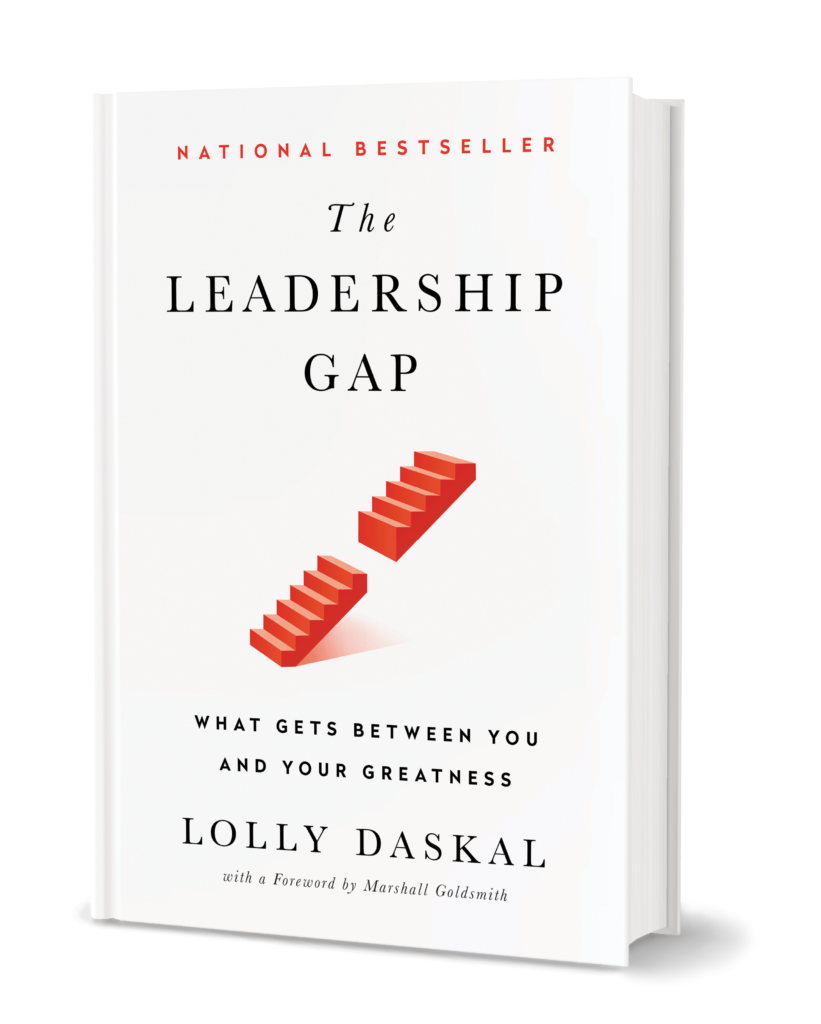
Lolly Daskal’s seminal work, "The Leadership Gap: What Gets Between You and Your Greatness," speaks directly to the challenges leaders face when their current approaches become insufficient. The book highlights how, after reaching a certain level of success, many executives plateau or encounter persistent failure because they fail to adapt their leadership strategies. The current AI integration trend presents a new facet of this leadership gap – the potential for technology to mask or even exacerbate underlying deficiencies in human leadership.
The path forward requires a conscious and deliberate effort from leaders to integrate AI thoughtfully. This involves:
- Prioritizing Human Skills: Recognizing that empathy, communication, critical thinking, and emotional intelligence are irreplaceable.
- Strategic AI Integration: Implementing AI solutions that augment, rather than automate, human decision-making and interaction.
- Continuous Learning: Staying abreast of AI capabilities while also investing in the development of human leadership competencies.
- Ethical Frameworks: Establishing clear ethical guidelines for AI use in leadership and decision-making.
- Fostering a Balanced Culture: Creating an organizational environment that values both technological innovation and human connection.
By understanding and actively addressing the potential pitfalls of over-reliance on AI, leaders can harness the transformative power of technology while reinforcing the essential human qualities that define true and lasting leadership. The future of effective leadership lies in the intelligent synergy of artificial intelligence and authentic human insight.