
The shift towards remote and hybrid work models has fundamentally altered the landscape of employee recognition. Gone are the days of spontaneous desk drop-bys, celebratory team lunches, and informal hallway congratulations. For teams scattered across cities, states, and continents, expressing genuine appreciation can feel like an insurmountable challenge, akin to a digital handshake that lacks the warmth of a physical connection. Yet, the need for recognition among remote employees is not diminished; in many cases, it is amplified. The critical question for organizations is no longer whether to recognize their remote workforce, but how to ensure this recognition is as authentic, timely, and impactful as it would be in a traditional office setting.
The Growing Imperative for Remote Employee Appreciation
The proliferation of remote work, accelerated by global events and evolving technological capabilities, has brought to light unique challenges for employee engagement and retention. Without the inherent visibility afforded by physical proximity, remote employees are susceptible to the "out of sight, out of mind" phenomenon. Their contributions, dedication, and successes can easily go unnoticed, leading to feelings of isolation and diminished value. This lack of acknowledgment has tangible consequences. Research consistently highlights loneliness and disconnection as significant struggles for remote workers, directly impacting their sense of belonging and commitment to their organizations. A report by Buffer on the State of Remote Work, for instance, found these factors to be among the top challenges faced by individuals working outside traditional office environments.

The implications of this disconnect are profound. Employees who feel unseen or undervalued are more prone to disengagement, reduced discretionary effort, and ultimately, attrition. The financial and operational cost of replacing a disengaged employee is substantial, encompassing recruitment expenses, onboarding time, and the inevitable dip in productivity. Recognition, therefore, serves as a vital bridge, fostering intentional moments of connection and visibility. When implemented effectively, employee appreciation programs help remote workers feel like integral, valued members of the team, rather than isolated cogs in a distant machine. This reinforces the understanding that their work is meaningful, their presence is acknowledged, and their contributions are instrumental to the organization’s success, irrespective of their geographical location.
Strategies for Cultivating Remote Appreciation
To address the unique challenges of recognizing a distributed workforce, organizations must adopt a proactive and multi-faceted approach. The following strategies offer a comprehensive framework for fostering a culture of appreciation that transcends physical boundaries.
Digital and Communicative Recognition Channels
1. The Power of Digital E-Cards:
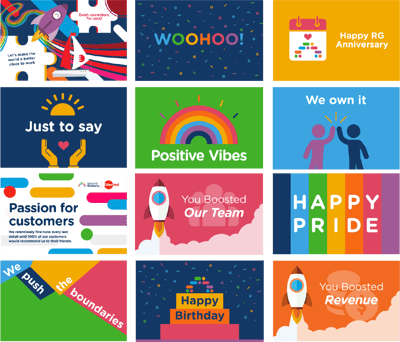
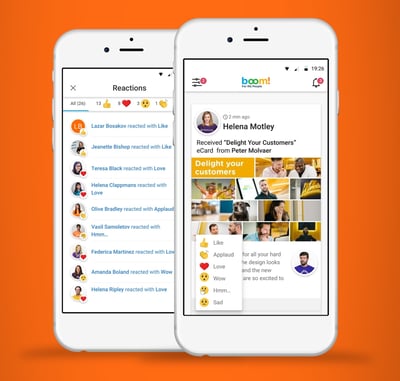
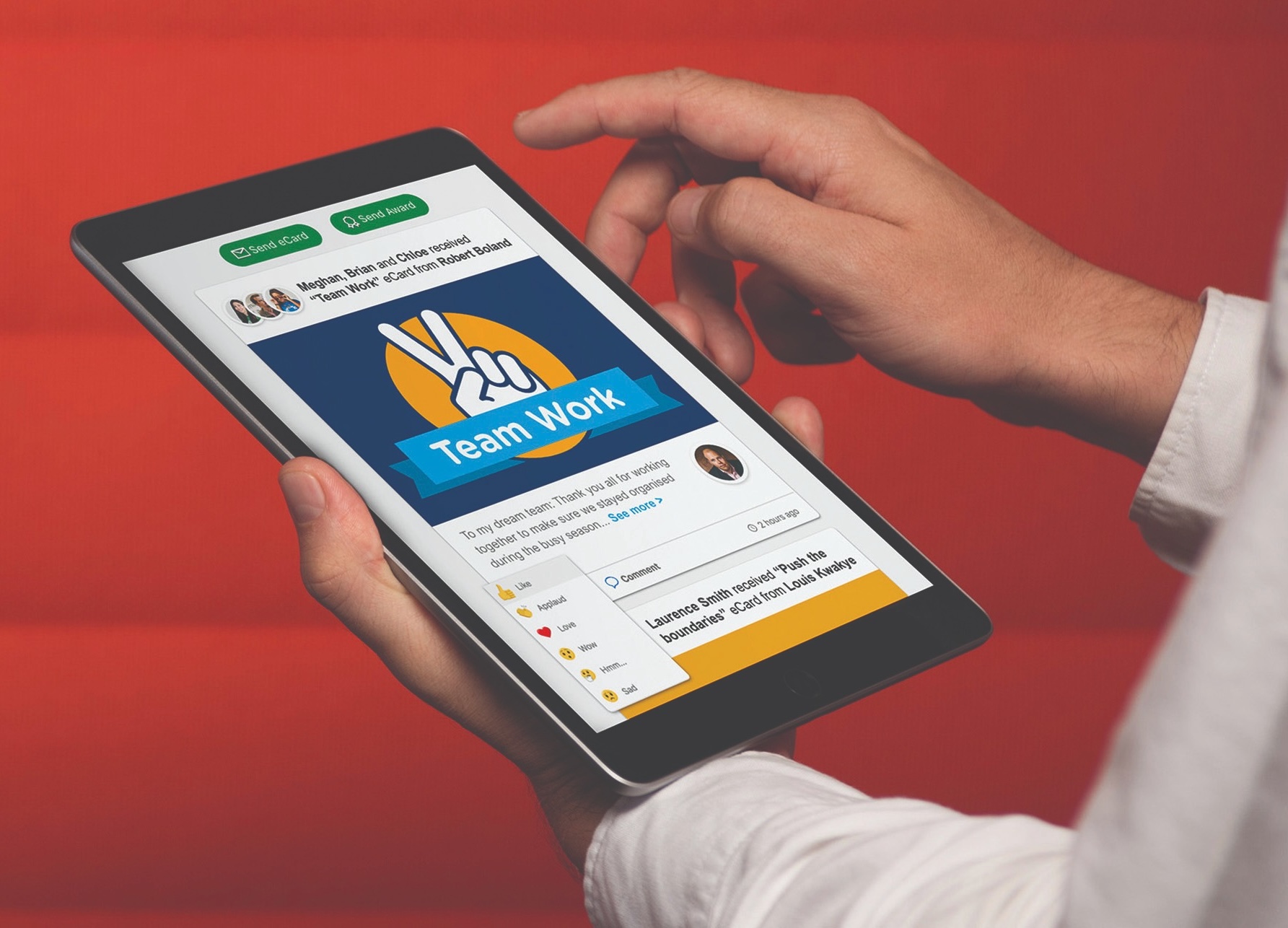
Digital e-cards offer an immediate and visually engaging method for expressing gratitude, often carrying more personal weight than a standard email or text. Customizable for various occasions – from project milestones to birthdays and "just because" moments – these digital notes create a lasting record of appreciation. Platforms like Reward Gateway | Edenred’s recognition program facilitate the sending of branded e-cards, aligning with company culture and enabling seamless peer-to-peer recognition across all locations. This ensures that gestures of thanks are not lost in the digital ether but are instead tangible reminders of value.

2. Amplifying Achievements in Virtual Meetings:
Dedicate a segment of virtual team meetings to spotlighting individual and team accomplishments. This public acknowledgment not only boosts the morale of the honorees but also reinforces appreciation as a core team value. Making these "shout-out" moments a regular agenda item ensures that recognition becomes an expected and celebrated part of team culture. Encouraging peer nominations further democratizes the appreciation process, allowing colleagues to highlight each other’s contributions.
3. Leveraging Company Social Channels for Visibility:
Showcasing remote employees on organizational social media platforms, such as LinkedIn or internal networks, significantly enhances their visibility beyond their immediate team. Sharing professional achievements, highlighting their expertise through thought leadership posts, or featuring "day in the life" content can humanize the remote work experience. This dual approach not only recognizes the individual but also demonstrates the company’s commitment to celebrating all employees equitably.
4. Establishing Dedicated Recognition Hubs:
Creating a centralized digital space for appreciation, whether a dedicated Slack channel, a Microsoft Teams space, or a recognition wall within an employee engagement platform, provides a permanent home for gratitude. These hubs act as living archives of commendations, where employees can celebrate wins, thank colleagues, and organically foster a culture of appreciation. The key to their success lies in ease of participation and consistent leadership modeling.
Structured Recognition Programs and Awards
5. Implementing Cadenced Award Programs:
Formal award programs, whether monthly or quarterly, introduce rhythm and anticipation into recognition efforts, ensuring consistent appreciation for the remote workforce. Recognizing top performers, culture champions, or innovation leaders provides tangible milestones for employees to strive towards. Pairing these awards with meaningful rewards and public acknowledgment maximizes their impact and reinforces desired behaviors and values.
Tangible and Experiential Appreciation
6. Curated Care Packages:
Physical care packages create tangible touchpoints that reinforce an employee’s value as a team member. These packages can be themed around seasons, company anniversaries, wellbeing initiatives, or personal milestones. The emphasis should be on thoughtful curation, reflecting an understanding of individual preferences, whether that includes gourmet snacks, self-care items, local artisan products, or practical work-from-home essentials.
7. Flexible Digital Gift Cards:
Digital gift cards offer immediate gratification and personalized choice, allowing remote employees to select rewards that genuinely align with their preferences and needs. Unlike one-size-fits-all gifts, gift cards empower individuals to choose experiences, products, or services they will truly utilize and appreciate. Modern reward platforms provide access to a vast array of retailers and service providers, ensuring that every reward can be personally meaningful. For example, Reward Gateway | Edenred’s Reward Marketplace offers a points-based system redeemable across a diverse catalog, including charitable donations for those who wish to contribute.
8. Enhancing Home Office Environments:
Investing in quality home office equipment demonstrates a commitment to the comfort, productivity, and long-term wellbeing of remote employees. Ergonomic chairs, standing desks, noise-canceling headphones, or improved lighting can significantly enhance the work experience. Offering stipends or allowances empowers employees to select equipment tailored to their specific needs and workspace, acknowledging that their home office deserves the same consideration as a corporate environment.
9. Subscriptions for Lifestyle and Learning:
Providing subscriptions to streaming services, audiobook platforms, meditation apps, fitness programs, or professional development resources offers ongoing value and supports employee wellbeing. These gifts acknowledge employees as whole individuals with interests and growth aspirations beyond their job roles. The recurring nature of subscriptions also creates multiple touchpoints of appreciation over time, reinforcing the company’s investment in their personal and professional growth.
10. High-Quality Company Swag:
Thoughtfully designed, high-quality branded merchandise can become cherished items rather than forgotten novelties. Focusing on premium items like durable jackets, stylish water bottles, comfortable hoodies, or useful tech accessories can foster a sense of belonging and brand advocacy. When remote employees use and display company swag, it subtly reinforces their connection to the organization.

11. Celebrating Personal Milestones:
Work anniversaries, birthdays, and significant life events warrant recognition that feels personal and intentional. For remote employees who may miss out on informal office celebrations, these moments become even more crucial for maintaining connection. Personalized gifts reflecting individual interests, coordinated surprise virtual celebrations, or experience gifts for employees to enjoy with loved ones can make these occasions memorable.
Fostering Connection and Wellbeing
12. Facilitating Virtual Team-Building:
Structured virtual team-building activities, such as online escape rooms, collaborative cooking classes, or trivia competitions, create shared experiences that strengthen relationships and build camaraderie. These morale boosters demonstrate that the organization values connection and fun, offering a welcome respite from work-related tasks. The key is to select activities that genuinely engage participants and feel like organic opportunities for connection.
13. Running Online Competitions:
Friendly online competitions, from fantasy sports leagues to multiplayer gaming tournaments or word game challenges, foster ongoing engagement and provide common ground for remote teams. These activities build community and create natural conversation starters. Offering small prizes or recognition for winners can further incentivize participation and excitement.

14. Sponsoring "Lunch on Us" Experiences:
Recreating the communal lunch experience by covering the cost of food delivery for remote employees acknowledges their right to similar perks as their in-office counterparts. This can involve coordinated team lunches where colleagues dine together virtually or simply providing meal credits for individual use. Such gestures not only provide a tangible benefit but also support local businesses in employees’ communities.
15. Hosting Virtual Happy Hours:
Informal virtual happy hours provide a relaxed space for remote teams to connect without the pressure of work agendas. These gatherings are most effective when optional, time-limited, and include fun elements like themed backgrounds or light games. Sending cocktail or mocktail kits in advance can enhance the experience and promote inclusivity.
16. Investing in Professional Development:
Supporting remote employees’ career growth through conferences, courses, certifications, or coaching signifies an investment in their long-term success. This demonstrates that remote workers are viewed as valuable team members deserving of advancement. Ensuring accessibility by covering costs, providing dedicated learning time, and celebrating newly acquired skills reinforces this commitment.

17. Introducing Mental Health Days:
Designated mental health days acknowledge the unique stressors faced by remote workers, such as Zoom fatigue and blurred work-life boundaries. These days, separate from standard PTO, should be framed as proactive wellbeing support. Encouraging leaders to model taking these days normalizes their use and underscores the organization’s commitment to employee mental health.
18. Including Families in Company Moments:
Inviting families to participate in select company events helps bridge the work-home divide and acknowledges the support systems enabling remote work. Virtual family-friendly events or holiday celebrations create inclusive moments that honor the whole person and foster understanding and appreciation for remote work arrangements among family members.
19. Launching Virtual Wellbeing Challenges:
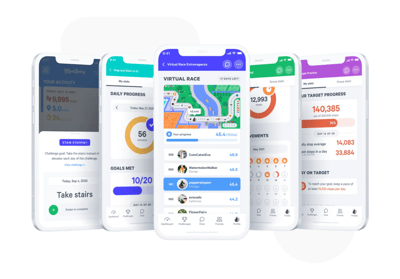
Team-based challenges focusing on steps, hydration, meditation, or sleep promote healthy habits and create a sense of shared purpose. These challenges provide structure and accountability, which can be particularly beneficial for those working from home. Utilizing apps or platforms that track progress and celebrate milestones can foster friendly competition and encourage continuous improvement.

20. Offering Flexible Wellbeing Stipends:
Wellbeing stipends that employees can allocate towards gym memberships, therapy sessions, or other health-related expenses demonstrate trust and acknowledge that wellbeing is a personal journey. This flexibility is especially valuable for remote workers who may lack access to on-site wellness programs. Clear guidelines and straightforward reimbursement processes ensure these stipends are effectively utilized.
Best Practices for Effective Remote Recognition
Implementing successful remote employee appreciation requires more than just adopting a list of ideas. Several core principles ensure that recognition feels genuine, inclusive, and impactful across distributed teams.
Timeliness and Frequency: The Cornerstone of Impact
Recognition loses its potency when delayed or relegated to annual reviews. Remote employees require frequent touchpoints of appreciation that acknowledge their contributions in real-time. This reinforces positive behaviors and outcomes while they are still fresh in memory. A balanced recognition cadence should include daily peer-to-peer acknowledgments, weekly manager recognition, and monthly or quarterly formal awards. The shift to digital recognition platforms makes this frequency achievable by removing logistical barriers and enabling instant acknowledgment across time zones and schedules.
Personalization: Tailoring Appreciation to Individual Preferences
Not all employees respond to recognition in the same way. Some thrive on public acknowledgment, while others prefer private messages of gratitude. Similarly, preferences for rewards can range from experiences to tangible items. Understanding individual preferences through surveys, one-on-one conversations, or data from recognition platforms allows for personalized approaches that maximize impact. This ensures that appreciation is received in a way that is meaningful to the individual.
Maintaining Visibility Across Distributed Teams
Remote employees often miss the informal recognition that occurs organically in office environments. Therefore, intentional visibility is crucial. Systems must be in place to ensure that remote workers’ contributions are seen by leadership, celebrated across teams, and documented in ways that support career advancement. This can involve recognition dashboards, regular leadership reports highlighting remote employee achievements, or structured nomination processes for awards and opportunities.
The Synergy of Digital and Tangible Experiences
The most effective remote employee appreciation strategies blend the immediacy and convenience of digital tools with the lasting impression of tangible rewards and experiences. While digital recognition offers frequency, physical touchpoints create memorable moments that reinforce appreciation over time. Effective communication with remote workers involves utilizing multiple channels and formats to ensure that appreciation efforts resonate with individual preferences and circumstances.
Conclusion: Building a Culture of Appreciation in the Modern Workplace
Cultivating a culture of appreciation across distributed teams is not an insurmountable task. By embracing a strategic and empathetic approach, organizations can overcome the challenges posed by physical distance. Platforms like Reward Gateway | Edenred offer integrated solutions that bring recognition, rewards, wellbeing, and communications together in a unified employee engagement platform. This empowers organizations to make recognition accessible, meaningful, and consistent for every employee, regardless of their location. As the future of work continues to evolve, a commitment to genuine and impactful appreciation will remain a critical driver of employee engagement, retention, and overall organizational success.