
Every human resources leader understands the profound impact of genuine employee recognition – celebrating contributions in ways that resonate authentically, arrive promptly, and convey sincere value. However, the reality of budgetary constraints means that a one-size-fits-all approach to recognition is often impractical. What might be a substantial allocation for one department could be an unattainable aspiration for another. The key, therefore, lies not in letting financial limitations dictate the scope of appreciation, but in harnessing creativity and intention, the true architects of memorable recognition experiences.
Impactful appreciation is rarely solely a function of expenditure. The most meaningful gestures often come at little to no financial cost. Personalization, timeliness, and an understanding of individual preferences are the cornerstones of recognition that employees genuinely value. Often, the most potent acknowledgments involve the investment of time, a thoughtful conversation, offering flexibility, or a public expression of gratitude. These simple yet powerful actions consistently rank among the most cherished rewards employees receive. Research indicates that over 50% of employees consider recognition for their efforts more important than a 10% salary increase, and a staggering 85% report that feeling appreciated directly enhances their productivity. When these fundamental elements are complemented by occasional tangible tokens of appreciation, the result is a cultivated workplace culture where employees feel seen, valued, and sustained.
This comprehensive guide explores practical, actionable employee appreciation strategies, categorized by budget, from entirely free initiatives that foster daily goodwill to low- and mid-range options ideal for immediate recognition, culminating in premium rewards for significant milestones.
A Toolkit for Cultivating Appreciation: Integrating Budget Levels for Maximum Impact
This framework serves as a versatile toolkit, empowering organizations to strategically blend zero-cost initiatives with low- and higher-value tactics. The objective is to establish a recognition rhythm that is frequent, equitable, and deeply resonant with your workforce. As the adage suggests, "When budgets are tight, your most valuable resources are time, attention, and flexibility."

The most impactful recognition often transcends monetary value, demanding instead a significant investment of attention. By dedicating time, offering specificity, and providing flexibility, organizations can ensure employees feel seen in ways that no budget can unilaterally achieve. These zero-cost gestures are inherently inclusive and scalable, and often the quickest to implement. Examples include a timely public acknowledgment, a peer nomination, a degree of schedule flexibility, a dedicated growth-oriented conversation, or a personally handwritten note.
Such small yet intentional actions communicate a powerful message: "I notice you, I value your contribution, and I care about how you prefer to be recognized." This fosters daily momentum towards a more robust organizational culture without placing additional strain on financial resources.
Tier 1: Zero-Cost Appreciation Strategies – Building Everyday Goodwill
The foundation of a strong appreciation culture can be built entirely without financial outlay, focusing instead on leveraging existing resources like time, communication channels, and intrinsic motivation.
1. Flexible Time Off and Scheduling
Small concessions in time and scheduling can carry significant weight as a form of gratitude. When an employee goes the extra mile, acknowledging this effort by granting them time back or greater control over their schedule can be a powerful motivator.
- Immediate Implementation: A manager might say, "Thank you for staying late to ensure the release was successful. Please feel free to start an hour later tomorrow, and please block your first hour for deep work – no meetings allowed." This acknowledges extra effort while directly supporting work-life balance and focused productivity.
- Making it Fair and Practical: To ensure fairness, establish clear guidelines. For instance, such flexibility could be tied to exceeding specific project goals or consistently demonstrating a proactive approach to critical tasks. Managers should be trained to identify opportunities for such gestures and to communicate the criteria transparently to their teams. This prevents perceptions of favoritism and reinforces desired behaviors.
2. Public Recognition
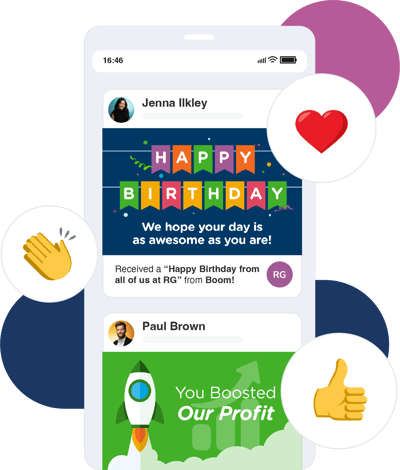
When executed thoughtfully, public praise not only elevates the individual being recognized but also serves as a powerful model for desired behaviors across the entire team. Many forward-thinking organizations utilize internal communication platforms or dedicated employee engagement software to facilitate this. For example, at Reward Gateway | Edenred, employees frequently send digital "eCards" or "shout-outs" via their employee engagement platform to share achievements, celebrate significant moments, and acknowledge wins, both large and small, with colleagues across the organization. This practice enhances cross-team transparency and collaboration, contributing to a clearer understanding among employees of how their individual contributions align with broader organizational objectives.
- Best Practices for Public Recognition:
- Specificity is Key: Clearly articulate what the employee did and the positive impact it had. Vague praise is easily forgotten.
- Timeliness Matters: Recognize achievements as close to the event as possible to maximize impact.
- Authenticity: Ensure the recognition feels genuine and aligned with company values.
- Variety: Use different channels – team meetings, company newsletters, internal social platforms – to reach a wider audience.
- Leveraging Free Channels for Recognition:
- Team Meetings: Dedicate a few minutes at the start or end of regular team meetings for shout-outs.
- Internal Communication Platforms: Utilize Slack channels, Microsoft Teams, or internal forums for brief, public acknowledgments.
- Company-Wide Emails/Newsletters: Highlight significant achievements in regular internal communications.
- Company Intranet: Feature employee success stories or "kudos" sections on the company intranet.
3. Peer Shout-Outs
Empowering employees to recognize and thank one another scales appreciation far beyond the direct oversight of managers, surfacing contributions that leadership might otherwise miss. Employees consistently balance their personal work responsibilities with collaborative team efforts. Facilitating peer-to-peer recognition is a significant boon to internal culture, fostering greater cross-departmental empathy and collaboration, and effectively breaking down organizational silos.
- Starter Prompts for Peer Recognition:
- "Whose work this week made your tasks significantly easier or more efficient?"
- "Who consistently exemplified our core value of ‘We Own It’ during this recent sprint?"
- "Who offered exceptional support or collaboration on a recent project?"
- Initiating a Peer Recognition Program:
- Platform Integration: Utilize existing communication tools or dedicated recognition software.
- Training and Education: Briefly explain the purpose and process of peer recognition.
- Lead by Example: Encourage senior leaders and managers to actively participate.
- Maintaining a Healthy Peer Recognition System:
- Encourage Specificity: Prompt employees to provide details about the recognized action.
- Promote Inclusivity: Ensure all employees feel empowered to give and receive recognition.
- Monitor and Acknowledge: Periodically review trends and acknowledge consistent contributors to peer recognition.
- Avoid Overuse: Ensure recognition remains meaningful by avoiding excessive or generic acknowledgments.
4. Career Development Opportunities
Growth is consistently cited as one of the most meaningful forms of appreciation, and many developmental opportunities can be accessed at no direct financial cost by leveraging in-house expertise and integrating learning with real-world work.
- Zero-Cost Development Ideas:
- Mentorship Programs: Pair junior employees with senior colleagues for guidance and skill development.
- Cross-Training: Allow employees to shadow colleagues in different departments to broaden their understanding and skills.
- Internal Workshops: Encourage subject matter experts within the company to lead sessions on their areas of expertise.
- "Lunch and Learn" Sessions: Facilitate informal knowledge-sharing sessions during lunch breaks.
- Stretch Assignments: Offer employees challenging tasks that push them beyond their current comfort zone, with appropriate support.
- Making Development Work:
- Alignment with Goals: Ensure development opportunities align with both employee career aspirations and organizational needs.
- Clear Expectations: Define the learning objectives and expected outcomes for any developmental activity.
- Feedback and Follow-up: Regularly check in with employees to discuss their progress and provide constructive feedback.
- Recognition of Progress: Acknowledge and celebrate the skills and knowledge gained through these opportunities.
5. Handwritten Notes
A thoughtfully composed handwritten note transforms simple recognition into a tangible keepsake, signaling that the sender invested personal time and attention to acknowledge the recipient’s efforts. While digital thank-you cards serve a similar purpose and minimize paper usage, which aligns with corporate social responsibility and waste-reduction objectives for many organizations, the personal touch of a handwritten note remains uniquely impactful.
- Tips for Maximum Impact:
- Personalize: Refer to specific actions, projects, or contributions.
- Be Sincere: Express genuine appreciation and acknowledge the impact of their work.
- Be Specific: Mention how their actions aligned with company values or contributed to team success.
- Timeliness: Deliver the note promptly after the recognized event.
- Where to Utilize Handwritten Notes:
- Post-Project Completion: Acknowledge significant contributions to a project.
- After a Difficult Period: Show support and appreciation during challenging times.
- For Consistently High Performance: Recognize ongoing dedication and effort.
- To Welcome New Team Members: Make them feel valued from day one.
Tier 2: $25 – $100 Employee Appreciation Ideas – The Sweet Spot for Meaningful Recognition
This budget tier represents a "sweet spot" for many teams, offering sufficient resources to fund meaningful experiences and development opportunities while remaining accessible for mid-sized groups and lean budgets. Investing within this range allows for recognition that moves beyond small tokens to gestures that feel substantial, shareable, and memorable, all while maintaining program scalability and fairness.
By strategically pairing thoughtful moments with opportunities for development or enhanced experiences, organizations can establish a cadence of recognition that is consistently meaningful without overwhelming their financial resources.

6. Professional Development Stipends
A modest stipend sends a clear and powerful message: "We invest in your growth." With budgets ranging from $25 to $100, employees can be empowered to purchase a relevant industry book, enroll in a short online course or webinar, or cover the cost of a micro-credential that enhances their skills and knowledge. This demonstrates a commitment to their long-term career trajectory and professional development.
- Ways to Implement Development Stipends:
- Annual Allocation: Provide each employee with an annual stipend for professional development.
- Project-Based: Offer a stipend upon successful completion of a significant project.
- Performance-Linked: Tie stipends to achieving specific performance goals or demonstrating growth in key competencies.
- Making Stipends Meaningful:
- Alignment with Career Goals: Encourage employees to select development opportunities that align with their personal career aspirations.
- Managerial Guidance: Managers can help employees identify relevant courses or resources.
- Sharing of Knowledge: Encourage employees who utilize stipends to share their learnings with the team.
- Clear Usage Guidelines: Provide simple guidelines on what the stipend can be used for.
7. Catered Team Events
Food and shared experiences are powerful catalysts for connection and serve as effective means of rewarding collective effort. Within this budget, organizations can cater a team lunch, dispatch snack boxes to remote team members, or host a small offsite coffee hour. These events foster camaraderie and provide a relaxed setting for informal appreciation.
- Ways to Organize Catered Events:
- Team Lunches: Order from local restaurants or utilize catering services for in-office lunches.
- Virtual Team Gatherings: Send curated snack boxes or meal vouchers to remote employees for a shared virtual experience.
- Coffee Breaks: Organize informal coffee hours with pastries or treats.
- Practical Tips for Success:
- Dietary Needs: Always inquire about and accommodate dietary restrictions and preferences.
- Timing: Schedule events at a time that minimizes disruption to critical work.
- Inclusivity: Ensure remote and hybrid employees are included in the experience.
- Purposeful Engagement: Use the event not just for food, but for light team-building activities or sharing successes.
8. Local Experience Passes
Small, localized experiences can be highly memorable and are often cost-effective. Offering passes to local museums, zoos, or providing vouchers for a beginner’s pottery class or a single-session pass to a fitness studio can provide employees with unique opportunities for leisure and personal enrichment.
- How to Roll Out Local Experience Passes:
- Partnerships: Collaborate with local attractions and businesses to secure group rates or bulk discounts.
- Selection Variety: Offer a curated list of options to cater to diverse interests.
- Team-Based Rewards: Award passes as prizes for team achievements or collaborative efforts.
- Ensuring Accessibility and Fairness:
- Geographic Considerations: Offer options relevant to where employees are located, especially for remote teams.
- Choice and Preference: Where possible, allow employees to choose an experience that appeals to them.
- Clear Redemption Process: Provide simple instructions on how to redeem the passes.
9. "Choose Your Own Reward" Marketplaces
Reward marketplaces offer a highly personalized approach, allowing individuals to select rewards that hold genuine personal value – from gift cards and gadgets to unique experiences or charitable donations. This approach simplifies program administration while ensuring employees receive appreciation tailored to their specific preferences. Such platforms often integrate seamlessly with existing HR systems, making it easy to allocate and track rewards.
- Implementation Tips for Marketplaces:
- Curated Selection: Offer a diverse range of rewards to cater to varied tastes and needs.
- Clear Denominations: Provide rewards in accessible price points within the designated budget.
- User-Friendly Interface: Ensure the platform is intuitive and easy for employees to navigate.
- Program Best Practices:
- Regular Updates: Keep the reward catalog fresh with new and exciting options.
- Communication: Clearly communicate how employees can access and use the marketplace.
- Feedback Loop: Gather feedback on reward preferences to refine offerings.
- Equivalency: Ensure that if a specific reward is unavailable, an equivalent alternative of equal value is offered.
10. Subscription Bundles and Services
Short-term subscriptions, whether for wellness apps, online learning platforms, curated snack boxes, or meditation services, can deliver sustained value beyond a singular moment of appreciation. These recurring benefits provide ongoing support and engagement, reinforcing the organization’s commitment to employee well-being and development.

- Ways to Offer Subscription Rewards:
- Wellness Subscriptions: Offer access to mindfulness apps or fitness platforms.
- Learning Subscriptions: Provide access to online courses or professional development platforms.
- Convenience Services: Curated snack boxes or coffee subscriptions for home or office.
- Key Considerations:
- Relevance: Ensure subscriptions align with employee interests and organizational wellness initiatives.
- Trial Periods: Offer trial periods where possible to allow employees to experience the service.
- Flexibility: Allow employees to choose from a few selected subscription options.
Tier 3: $100+ Employee Appreciation Ideas – Celebrating Milestone Moments
This budget tier is specifically designed for recognizing milestone moments and outstanding contributions. It is ideal for acknowledging work anniversaries, celebrating major project successes, rewarding top performers, or implementing retention-focused initiatives where the investment should commensurate with the significance of the achievement.
When organizations invest in higher-value recognition, they can create experiences that feel genuinely celebratory and enduring. Crucially, the principles of personalization and flexibility remain paramount at this level, ensuring that even substantial rewards are perceived as deeply meaningful.
It is essential to deploy these higher budget levels strategically and transparently. Premium rewards should be reserved for occasions that truly warrant them, with clear criteria communicated to all employees. Furthermore, these significant gestures should be complemented by frequent, smaller acknowledgments to ensure that appreciation feels continuous rather than a rare occurrence. Thoughtful execution transforms an expensive gift into a meaningful milestone that reinforces desired behaviors and commitments.
11. Performance Bonuses and Spot Awards
High-impact moments demand high-impact rewards. A timely performance bonus or spot award serves to underscore standout achievements and clearly signals that exceptional effort is not only noticed but profoundly valued.
- Illustrative Scenario: "Thank you for expertly leading the incident response that successfully protected customer data and swiftly restored service. Your impact was significant and directly aligned with our core value of ‘Own It.’ We are pleased to recognize you with a $250 spot award, effective this pay cycle." This example demonstrates how to connect the reward directly to specific actions and values.
- Ways to Implement Bonuses and Spot Awards:
- Performance Metrics: Tie bonuses to the achievement of pre-defined, measurable performance targets.
- Project Completion: Award spot bonuses for exceeding expectations on critical projects.
- Innovation: Recognize employees who introduce novel ideas or solutions.
- Customer Service Excellence: Reward individuals who consistently deliver exceptional customer experiences.
- Ensuring Fairness and Compliance:
- Clear Criteria: Establish objective criteria for bonus eligibility and award distribution.
- Documentation: Maintain thorough records of awarded bonuses and the rationale behind them.
- Legal Review: Ensure bonus structures comply with all relevant labor laws and regulations.
12. Premium Gadgets
The right high-quality technology or equipment can feel like a significant treat and measurably improve an employee’s daily work experience. Allowing employees to choose technology that genuinely assists them in focusing, creating, or recharging demonstrates a commitment to their productivity and personal well-being.

- Great Gadget Options:
- High-Quality Headphones: Noise-canceling headphones for focused work.
- Ergonomic Accessories: Advanced keyboards, mice, or monitor stands.
- Smart Devices: Devices that enhance productivity or personal organization.
- Premium Tech Accessories: High-capacity power banks or portable chargers.
- Implementation Tips:
- Curated Catalog: Offer a selection of pre-approved, high-quality items.
- Choice and Preference: Allow employees to select items that best suit their individual needs.
- Bulk Purchasing: Negotiate discounts with vendors for larger orders.
13. Company-Sponsored Retreats and Offsites
Shared experiences are fundamental to building team trust and fostering collective momentum. A thoughtfully designed offsite event can serve multiple purposes: celebrating recent achievements, deepening interpersonal relationships, and aligning teams for future strategic objectives. These events provide a valuable opportunity for strategic planning, team-building exercises, and informal bonding in a relaxed environment.
- Making Retreats Meaningful:
- Clear Objectives: Define the goals for the retreat, whether it’s strategic planning, team-building, or professional development.
- Balanced Agenda: Combine work sessions with opportunities for recreation and social interaction.
- Employee Input: Solicit feedback on preferred locations, activities, and dietary needs.
- Post-Event Follow-up: Reinforce key takeaways and action items from the retreat.
- Ensuring Equity and Logistics:
- Inclusive Planning: Consider the needs of all employees, including those with family responsibilities or disabilities.
- Transportation and Accommodation: Arrange for seamless travel and comfortable lodging.
- Budget Management: Develop a detailed budget and track expenses carefully.
- Contingency Planning: Prepare for unforeseen circumstances or changes in plans.
14. Spa Day Certificates and Wellness Experiences
Wellness rewards are invaluable for helping employees recharge after periods of intense effort. Spa certificates, massage sessions, or other restorative wellness experiences can feel deeply personal and contribute significantly to an employee’s overall well-being, reducing stress and preventing burnout.
- How to Offer Wellness Rewards:
- Partnerships with Spas: Collaborate with local wellness centers for discounted packages.
- Flexible Vouchers: Provide certificates that allow employees to choose their preferred service.
- Wellness Retreats: For larger budgets, consider sponsoring a weekend wellness retreat.
- Key Considerations:
- Employee Preferences: Offer a variety of options to cater to different wellness preferences.
- Accessibility: Ensure chosen services are accessible and convenient for the recipient.
- Confidentiality: Respect employee privacy regarding their wellness choices.
- Sample Wording for a Wellness Certificate: "Thank you for going above and beyond this quarter. Please accept this $150 wellness certificate to enjoy an experience that helps you unwind, from a relaxing massage to a day pass at a meditation center."
15. Professional Certification Course Reimbursements
Investing in professional certifications validates an employee’s expertise and can significantly elevate their career trajectory. Covering the costs associated with exam fees, preparatory courses, or professional membership dues demonstrates a long-term commitment to an employee’s growth and development, reinforcing their value to the organization.
- Ways to Implement Certification Reimbursements:
- Performance-Based: Award reimbursements for certifications directly related to exceeding performance goals.
- Skill Development: Offer reimbursement for certifications that align with future company needs or employee career paths.
- Team-Based Goals: Fund certifications for entire teams working on specialized projects.
- Policy Best Practices:
- Clear Approval Process: Establish a straightforward process for employees to request reimbursement.
- Documentation Requirements: Specify the necessary documentation (e.g., proof of completion, receipts).
- Reciprocity Agreements: Consider requiring employees to commit to a certain tenure post-certification.
- Alignment with Business Needs: Prioritize certifications that offer direct benefits to the organization.
Strategic Implementation: Tailoring Appreciation to Your Budget and Culture
The art of effective employee appreciation hinges on clarity and intent. Regardless of the budget allocated, the fundamental goal remains consistent: to deliver recognition that is equitable, frequent, and deeply personal. Crafting a simple, sustainable plan that aligns available resources with the moments that truly matter is paramount.
Starting Point: Budget, Team Size, and Cadence
Begin by working backward from what your organization can realistically sustain. Define your annual recognition budget, understand your total headcount, and determine how frequently you aspire for each employee to feel recognized. A useful calculation for determining average spend per recognition is: Total Budget ÷ (Headcount × Target Recognitions per Person). Establish a baseline cadence for recognition – for instance, weekly peer kudos, monthly manager spot recognitions, and annual milestone acknowledgments. Subsequently, right-size the financial investment to align with this established rhythm.

Blending Tactics: Free, Low, and Premium Approaches
A blended recognition strategy ensures broader reach without compromising impact. Utilize zero-cost initiatives for everyday positive behaviors, allocate $25-$100 for recognizing sprint achievements and significant efforts, and reserve $100+ for major milestones. Map these tactics to specific moments and occasions, ensuring that the criteria for recognition are clear and consistently applied. Critically, always provide equivalent recognition opportunities for frontline and distributed teams. This might include offering time swaps or compensatory time for flexibility, digital vouchers for on-site perks, or virtual alternatives for in-person events.
Guiding Rewards with Preferences
The true meaning of a reward is often driven more by its alignment with individual preferences than by its cost. Capture simple recognition profiles during the onboarding process and in regular one-on-one meetings. Inquire about preferences for public versus private recognition, whether employees prefer time off or tangible gifts, their dietary choices and accessibility needs, and their interest in growth opportunities versus material rewards. Where possible, offer choice through a rewards marketplace or a curated selection of options, enabling individuals to select what resonates most deeply with them. If a preferred option is unavailable, ensure an equivalent alternative of equal value is provided.
Prioritizing Frequency and Timeliness Over Magnitude
Small and soon is invariably better than large and late. Aim to provide recognition within a few days of the contribution being made. Prioritize more frequent touchpoints at modest value over infrequent, grand gestures. Streamline approval processes to enable managers to act swiftly, ideally within 48 hours of an event. Crucially, accompany every reward with a specific message articulating the behavior recognized and its impact – the narrative surrounding the recognition is what imbues the moment with lasting memorability. Regularly monitor reach and equity on a monthly basis to ensure recognition is distributed fairly and that your budget is being allocated effectively where it yields the greatest impact.
Building a Culture of Appreciation: The Role of Reward Gateway | Edenred
Recognition achieves its greatest efficacy when it is consistent, personalized, and seamlessly integrated into the fabric of daily work life. Reward Gateway | Edenred offers a suite of tools designed to simplify this integration, enabling organizations to blend zero-cost gestures with tangible rewards, all aligned with individual preferences and budgetary constraints. From facilitating peer-to-peer shout-outs and providing access to curated reward marketplaces to managing milestone bonuses, these solutions empower organizations to create recognition programs that scale effectively and maintain consistent momentum.
Through seamless integration across communication channels and personalized options tailored for every employee, organizations can cultivate a culture where appreciation is not only frequent and meaningful but is actively celebrated company-wide. More importantly, it becomes an intrinsic component of the organizational culture.

Ready to embark on building your own robust culture of appreciation and recognition? Schedule a demo with Reward Gateway | Edenred, and allow our employee experience experts to demonstrate how, together, we can foster a more positive and productive workplace.