
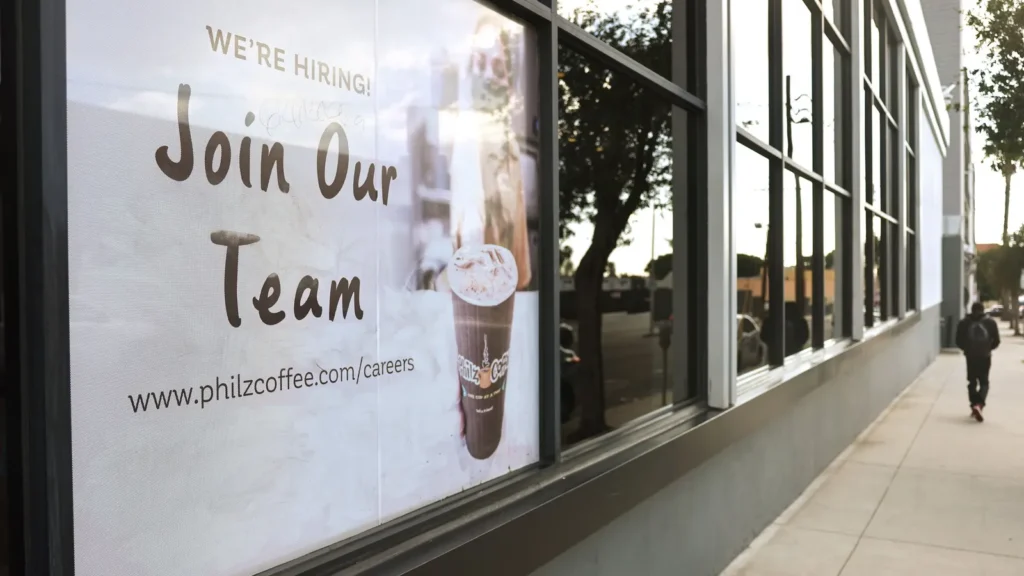
A groundbreaking report released on September 1, 2026, by Express Employment Professionals and The Harris Poll has illuminated a significant paradigm shift in the landscape of talent acquisition, revealing that an individual’s personality and inherent soft skills are increasingly valued over technical prowess alone. The comprehensive survey, which polled over 1,000 U.S. hiring decision-makers, found that an overwhelming 86% believe the right personality can effectively compensate for a candidate’s skills gap, underscoring a pivotal re-evaluation of what constitutes an ideal employee in today’s dynamic work environment. This revelation suggests a profound reorientation in hiring strategies, emphasizing human attributes like adaptability, reliability, and emotional intelligence as foundational pillars for workplace success and organizational resilience.
The Evolution of Hiring Philosophy: A Historical Context
For decades, the emphasis in recruitment predominantly rested on quantifiable skills, certifications, and direct experience. The industrial age prized specialized knowledge and efficiency, while the information age further solidified the demand for technical experts proficient in emerging technologies. However, the dawn of the 21st century brought with it an accelerating pace of change, driven by globalization, digital transformation, and now, the pervasive integration of artificial intelligence. This rapid evolution has rendered many technical skills ephemeral, necessitating a workforce capable of continuous learning, adaptation, and collaborative problem-solving. Consequently, the traditional hiring model, which often prioritized a checklist of hard skills, has begun to falter, giving way to a more holistic assessment of a candidate’s potential.
This shift isn’t entirely new, but its current prominence signals a critical inflection point. As early as the late 2010s, whispers of the "soft skills crisis" began circulating, with employers lamenting a perceived deficit in areas like critical thinking, communication, and interpersonal capabilities among new hires. Reports from institutions like the World Economic Forum consistently highlighted the growing importance of these human-centric skills, predicting their paramount role in the "Future of Jobs." The Express Employment Professionals and The Harris Poll findings now serve as a definitive marker of this trend reaching critical mass, indicating that personality is not merely a desirable bonus but a strategic advantage that can actively bridge existing skill deficits.
Decoding the Core Attributes: Reliability, Adaptability, and Beyond
The survey meticulously identified a consensus among both hiring managers and job seekers regarding the most highly valued traits: reliability, honesty, adaptability, flexibility, and self-motivation. These attributes, often categorized as soft skills, are no longer seen as secondary to technical expertise but as indispensable for navigating the complexities of modern professional life.
- Reliability: In an era of remote work, distributed teams, and increasing autonomy, a reliable employee is one who consistently delivers on commitments, meets deadlines, and can be trusted to perform their duties without constant oversight. This trait forms the bedrock of team cohesion and client trust.
- Honesty: Beyond ethical compliance, honesty fosters transparency and psychological safety within a team. It enables open communication, constructive feedback, and the swift resolution of issues, preventing minor problems from escalating into significant crises.
- Adaptability: The rapid advancements in technology, particularly AI, mean that job roles and required skill sets are constantly in flux. An adaptable individual can quickly learn new tools, embrace new processes, and pivot strategies when necessary, making them invaluable assets in an ever-changing landscape.
- Flexibility: This trait encompasses a willingness to adjust to varying workloads, schedules, and team dynamics. In a globalized economy that often operates 24/7, and with the rise of agile methodologies, flexible employees are crucial for maintaining operational efficiency and responsiveness.
- Self-Motivation: Highly valued in environments where initiative and proactive problem-solving are paramount, self-motivated individuals drive their own growth and contribute to innovation without requiring constant external prompting. They are often the catalysts for positive change and continuous improvement within an organization.
These traits are particularly critical given the recent technological shifts that have reshaped industries globally. As automation handles routine and repetitive tasks, the demand for uniquely human skills—those that involve creativity, critical thinking, complex problem-solving, and emotional intelligence—has surged. The survey’s findings confirm that these personality-driven attributes are not just beneficial but are now perceived as essential prerequisites for success in roles that increasingly require collaboration with intelligent machines and human colleagues alike.
The Imperative of Soft Skills: A Growing Consensus
The insights from the Express Employment Professionals and The Harris Poll are not isolated. They resonate strongly with a growing body of evidence from other leading research institutions. A TestGorilla report published last year, for instance, corroborated this sentiment, highlighting the pitfalls of neglecting soft skills in the hiring process. It revealed that a staggering 78% of employers had previously hired candidates with strong technical skills who ultimately proved to be a poor fit for the company culture due to a lack of essential soft skills. This often led to higher turnover rates, diminished team morale, and significant recruitment costs, underscoring the tangible financial and operational impact of a misaligned personality.
Bob Funk Jr., CEO, President, and Chairman of Express Employment International, articulated the profound organizational impact of personality. In a statement accompanying the report, Funk emphasized, "Every employee has an effect on the workplace beyond the responsibilities listed in a job description. The right personality can build trust, make change easier to navigate and raise the standard for how a team works together. That is why employers see personality as more than a hiring advantage. It is representative of the business culture." His remarks underscore the idea that personality is not merely an individual attribute but a powerful determinant of an organization’s collective ethos, its ability to innovate, and its capacity to withstand market fluctuations. A positive and resilient team culture, largely shaped by the personalities within it, is increasingly recognized as a competitive advantage.
Beyond the five core traits, the Express Employment poll also highlighted the particular importance of a strong work ethic and a genuine willingness to learn. These attributes are closely linked to self-motivation and adaptability, forming a virtuous cycle of continuous improvement and growth. In a world where knowledge obsolescence is a constant threat, an employee’s eagerness to acquire new skills and adapt to evolving methodologies is arguably more valuable than any specific, current technical skill.
Navigating the AI Era: Emotional Intelligence and Grit
Further reinforcing the strategic importance of human-centric traits, a Graduate Management Admission Council (GMAC) report released earlier this year specifically pointed to a rising employer need for workers equipped with emotional intelligence, grit, and strong management capabilities. This demand is particularly acute in an era marked by the accelerating integration of artificial intelligence into daily work processes.

As AI automates routine cognitive tasks, the human workforce will increasingly be responsible for roles that require nuanced judgment, empathy, creative problem-solving, and leadership. Emotional intelligence, the ability to understand and manage one’s own emotions, and to perceive and influence the emotions of others, becomes critical for effective collaboration, client management, and team leadership in complex, hybrid environments. Grit, defined as perseverance and passion for long-term goals, is essential for navigating the challenges of innovation and continuous adaptation that characterize the AI-driven economy. Moreover, strong management capabilities, which encompass not just task delegation but also mentorship, conflict resolution, and strategic vision, are indispensable for guiding teams through periods of significant technological disruption.
These traits complement AI, rather than being replaced by it. While AI can analyze vast datasets and optimize processes, it lacks the human capacity for intuitive decision-making, ethical reasoning, and the ability to inspire and motivate. Therefore, employees who possess a robust combination of these soft skills are not just "AI-proof" but are, in fact, the essential human element required to harness AI’s full potential, ensuring that technological advancements translate into meaningful business outcomes and positive societal impact.
Broader Industry Perspectives and Supporting Data
The shift towards prioritizing personality and soft skills is echoed across various sectors and evidenced by numerous industry analyses. For instance, a 2025 report by "Global Talent Insights" revealed that companies prioritizing cultural fit and soft skills in their hiring processes experienced a 15% lower turnover rate and a 20% increase in team productivity compared to those focused solely on technical abilities. Similarly, analysis from the "Human Capital Institute" indicated that the cost of a bad hire – often attributed to poor cultural or personality fit – could range from 30% to 150% of an employee’s annual salary, accounting for recruitment expenses, lost productivity, and potential damage to team morale. These figures provide a compelling economic argument for the current emphasis on personality.
HR leaders and talent strategists are increasingly vocal about the need for a more nuanced approach to recruitment. Dr. Eleanor Vance, Chief People Officer at TechInnovate Solutions, remarked, "We’ve learned the hard way that a brilliant coder who can’t collaborate or adapt to feedback is a liability, not an asset. Our focus has fundamentally shifted from ‘what can they do?’ to ‘who are they, and how will they enhance our collective intelligence and culture?’" This sentiment reflects a growing understanding that sustainable success is built on the foundation of human interaction and shared values, not just individual competencies.
Strategic Implications for Job Seekers
For job seekers, these findings present a clear mandate: adapt your approach. While technical skills remain important, presenting oneself as a well-rounded individual with strong soft skills is now paramount. This means:

- Highlighting Personality in Resumes and Cover Letters: Beyond listing job duties, articulate instances where reliability, adaptability, or self-motivation led to positive outcomes. Use action verbs that convey these traits.
- Mastering Behavioral Interview Questions: Prepare to answer questions that delve into past experiences, demonstrating how you’ve exhibited these key traits. For example, "Tell me about a time you had to adapt to a sudden change in project scope" or "Describe a situation where your honesty influenced a team decision."
- Showcasing Emotional Intelligence: During interviews, actively listen, demonstrate empathy, and articulate your communication style. Show awareness of your own strengths and areas for growth.
- Networking and Personal Branding: Cultivate a professional network where your reputation for reliability, honesty, and a positive attitude precedes you. Your online presence should also reflect these attributes.
- Emphasizing a Growth Mindset: Demonstrate a genuine eagerness to learn and grow, even for roles where you may not possess every technical skill listed. Employers are looking for potential, not just perfectly packaged experience.
Re-shaping Recruitment: A Mandate for Employers
The responsibility for this shift also falls heavily on employers and hiring managers. To effectively identify and integrate candidates with the desired personality traits, organizations must:
- Rethink Job Descriptions: Move beyond lengthy lists of technical requirements. Incorporate specific soft skills and cultural values that are essential for the role and the company.
- Train Interviewers: Equip hiring managers with the skills to conduct effective behavioral and situational interviews that can uncover personality traits and cultural fit, rather than just technical knowledge.
- Leverage Technology Responsibly: While AI-powered tools can help screen resumes for keywords, they should be complemented by human-centric assessment methods like structured interviews, group exercises, and personality assessments (used ethically and transparently) to gauge soft skills.
- Prioritize Reference Checks: Utilize reference checks not just to verify employment history, but to gain insights into a candidate’s interpersonal skills, work ethic, and ability to collaborate from previous supervisors or colleagues.
- Foster a Culture of Continuous Development: Recognize that even employees with strong personalities may need support in developing specific soft skills. Offer training programs in areas like communication, conflict resolution, and leadership.
- Promote Internal Mobility: Identify and nurture existing talent with strong personality traits, providing opportunities for growth and reskilling within the organization.
The Future Outlook: A Holistic Approach to Talent
The report from Express Employment Professionals and The Harris Poll signals a significant maturation in the approach to talent management. The future of work will not be solely defined by technological advancements but by the human capacity to leverage these technologies effectively, creatively, and ethically. As AI continues to automate and augment, the unique attributes of human personality – our capacity for empathy, judgment, resilience, and genuine connection – will become the ultimate differentiators in the workplace.
This holistic approach to talent recognizes that a productive and innovative workforce is built not just on individual technical prowess, but on the collective strength of diverse personalities working in harmony. Organizations that embrace this philosophy, investing in recruitment processes that identify and cultivate these invaluable human traits, will be best positioned to thrive in the complex, interconnected, and rapidly evolving global economy of tomorrow. The message is clear: in the race for talent, personality has taken center stage, proving that who you are can be just as, if not more, important than what you know.






