The vanguard of leaders embracing artificial intelligence (AI) are inadvertently committing a significant oversight. Their most profound misstep is not in the adoption of AI itself, but in the pervasive over-reliance upon it. There exists a prevailing belief that technology alone will be the sole determinant of enhanced effectiveness. As organizations globally accelerate the integration of AI into their strategic frameworks, the most astute leaders are recognizing a fundamental truth: efficiency divorced from humanity is not leadership at all. This perspective is being honed through extensive work with executives as they navigate the integration of AI into their operational landscapes. A consistent theme emerges: successful leaders are utilizing AI to augment, not supplant, their inherent human capacities. These individuals understand that genuine efficacy is a synthesis of technological precision and authentic human connection, a nuanced understanding of the distinct capabilities and limitations of both AI and human cognition.
The AI Advantage: Speed and Data Processing
AI’s primary strength lies in its unparalleled capacity for rapid data analysis and the identification of intricate patterns that might elude human observation. This capability is transformative for tasks such as market trend forecasting, operational efficiency optimization, and the analysis of vast datasets for strategic insights. For instance, a recent study by McKinsey & Company indicated that companies heavily investing in AI are experiencing significant revenue growth, with early adopters reporting an average of a 3% increase in revenue compared to their peers. AI can process millions of data points in seconds, enabling leaders to gain near real-time insights into market shifts, consumer behavior, and internal performance metrics. This speed allows for quicker identification of opportunities and threats, potentially reducing the time from data acquisition to actionable intelligence. The ability to sift through enormous volumes of information can also lead to more informed decision-making by providing a comprehensive, data-driven foundation. This is particularly evident in sectors like finance, where AI algorithms are employed for high-frequency trading and risk assessment, or in healthcare, where AI assists in analyzing medical images for faster diagnosis.
The Human Imperative: Wisdom, Judgment, and Connection
However, the notion that rapid processing equates to wise decision-making is a fallacy. True leadership demands more than mere computational speed. The leaders who stand out in the AI integration journey understand that while AI can deliver data, it cannot bestow wisdom. Wisdom, in the context of leadership, is the amalgamation of experience, intuition, ethical reasoning, and a deep understanding of human motivations and societal complexities.
Navigating Ethical Dilemmas and Complexities:
AI operates on algorithms and predefined parameters. While it can be programmed to flag ethical concerns or identify potential risks based on historical data, it lacks the capacity for nuanced ethical judgment. Complex situations, often characterized by conflicting values, unforeseen consequences, and the absence of clear-cut data, require human discernment. Consider a scenario where an AI might flag a cost-saving measure that, while financially beneficial, could lead to significant employee morale issues or reputational damage. An AI would not inherently grasp the long-term impact on company culture or the intangible value of employee trust. Effective leaders, therefore, use AI-generated insights as a crucial input, but their own experience, ethical compass, and understanding of the human element are paramount in making final determinations. This is particularly relevant in industries with stringent ethical guidelines, such as law, medicine, and public service.
The Power of Authentic Connection and Inspiration:
Motivation and inspiration are deeply human endeavors. While AI can assist in crafting communication strategies by analyzing engagement metrics or identifying optimal messaging, it cannot replicate the authentic emotional resonance that inspires teams. The ability to connect with individuals on a personal level, to understand their aspirations, fears, and values, is a cornerstone of effective leadership. This connection fosters loyalty, drives discretionary effort, and cultivates a shared sense of purpose. A leader’s ability to deliver a motivational speech, to offer genuine encouragement during challenging times, or to celebrate successes with heartfelt appreciation is something AI cannot automate. The rise of remote and hybrid work models further underscores the importance of intentional human connection, as leaders must actively work to combat feelings of isolation and maintain team cohesion, a task that relies heavily on interpersonal skills rather than technological surrogates.
Empathy: The Unprogrammable Trait:
Empathy, the ability to understand and share the feelings of another, is a critical leadership attribute that remains beyond the reach of current AI capabilities. While AI can analyze behavioral data to identify patterns of stress or disengagement, it cannot genuinely feel or understand the underlying human experience. Forward-thinking leaders utilize AI to gain a more comprehensive view of their teams, but they recognize that responding to individual needs with genuine care and understanding requires human emotional intelligence. This is vital for employee well-being, conflict resolution, and fostering an inclusive work environment. The subtle cues of body language, tone of voice, and unspoken concerns are all part of the human communication tapestry that AI struggles to fully interpret.
Trust: Built on Values, Not Algorithms:
Trust is the bedrock of any successful leader-team relationship. While AI can be instrumental in tracking performance, identifying discrepancies, and highlighting areas for improvement, it cannot, in itself, build trust. Trust is cultivated through consistent, reliable, and values-based actions. Leaders who demonstrate integrity, transparency, and a genuine commitment to their people’s success are the ones who earn unwavering loyalty. Algorithms can report on outcomes, but they cannot embody the principles of fairness, accountability, and ethical conduct that form the foundation of enduring trust. In the aftermath of corporate scandals or economic downturns, it is the leader’s character and demonstrated commitment to their values that ultimately reassure and rally their teams, not automated performance reports.
Vision: A Human Synthesis of Data and Aspiration:
Innovation and compelling vision arise from a synthesis of data-driven insights and a deep understanding of human aspirations. AI can forecast trends, analyze market opportunities, and identify potential disruptions. However, it is the human leader who must translate complex data into a meaningful and inspiring narrative that resonates with the human spirit. The ability to envision a future that is not only plausible but also desirable, and to articulate that vision in a way that ignites passion and commitment, is a uniquely human capability. This involves understanding the dreams, desires, and unmet needs of both customers and employees, and then charting a course that aligns these aspirations with organizational goals.

Cultural Nuances: Beyond Data Points:
Organizational culture and the intricate web of interpersonal dynamics are often intangible and highly context-dependent. AI can analyze communication patterns and team interactions, providing valuable data on collaboration and potential friction points. However, navigating cultural nuances, understanding organizational politics, and fostering a sense of belonging requires interpersonal skills and an intuitive grasp of human social dynamics that machines cannot replicate. Responsible leaders use AI as a diagnostic tool, but they rely on their own emotional intelligence, communication skills, and ability to build rapport to effectively manage teams and foster a positive organizational climate. This is especially critical in diverse, global organizations where cultural understanding is paramount.
Adaptability: The Spark of Human Creativity:
In today’s rapidly evolving business landscape, adaptability is no longer a desirable trait but a necessity. AI can provide real-time feedback and rapid analysis, enabling swift adjustments to strategies. However, true adaptability often stems from human creativity, flexible thinking, and the ability to improvise in the face of novel challenges. While AI can optimize existing processes, it is the human capacity for innovative problem-solving and out-of-the-box thinking that allows organizations to truly pivot and thrive in unforeseen circumstances. This involves challenging assumptions, exploring unconventional solutions, and demonstrating resilience in the face of ambiguity – all hallmarks of human ingenuity.
The Synthesis: Augmenting Humanity with AI
The leaders who are poised for sustained success in the AI era are not faced with an either/or choice between artificial intelligence and their own human skills. Instead, they are strategically and deliberately integrating both to forge leadership approaches that are both hyper-efficient and profoundly effective. They are leveraging AI to eliminate the guesswork and drudgery from routine tasks, thereby freeing up their cognitive bandwidth to focus on the human elements that cultivate loyalty, drive innovation, and ensure sustainable performance.
This strategic fusion allows for a leadership paradigm where AI handles the heavy lifting of data processing and pattern recognition, while humans provide the critical thinking, emotional intelligence, and ethical grounding. The objective is not to automate leadership but to enhance it, enabling leaders to be more present, more insightful, and more impactful. This means using AI to automate repetitive tasks, allowing leaders to dedicate more time to strategic thinking, team development, and building strong relationships. For instance, AI-powered scheduling tools can optimize meeting times, freeing up executives to engage in more meaningful one-on-one conversations. Similarly, AI-driven analytics can provide clear performance dashboards, allowing leaders to focus their coaching efforts on individual growth and development.
The True Edge: Becoming More Human Through AI
The ultimate competitive advantage in leadership is not derived from adopting the latest AI technology, but from using it as a catalyst to become more authentically human. This involves becoming more effective, not by reducing human input, but by amplifying it through technological support. It means becoming more connected, not by relying on digital interfaces alone, but by using AI to better understand and serve the people you lead. It means becoming more insightful, not by passively accepting algorithmic outputs, but by using AI to sharpen your own judgment and intuition.
Ultimately, true leadership efficiency transcends the mere acceleration of decision-making or the optimization of workflows through automation. It is about achieving enduring results, cultivating high-performing teams that are resilient and engaged, and fostering organizational cultures that not only attract exceptional talent but also retain it. AI can serve as a powerful enabler of these outcomes, but it cannot be their genesis. The future of leadership lies in this harmonious interplay between human ingenuity and artificial intelligence, where technology serves to elevate, not eclipse, the indispensable qualities of human leadership.
The Leadership Gap and the Path Forward
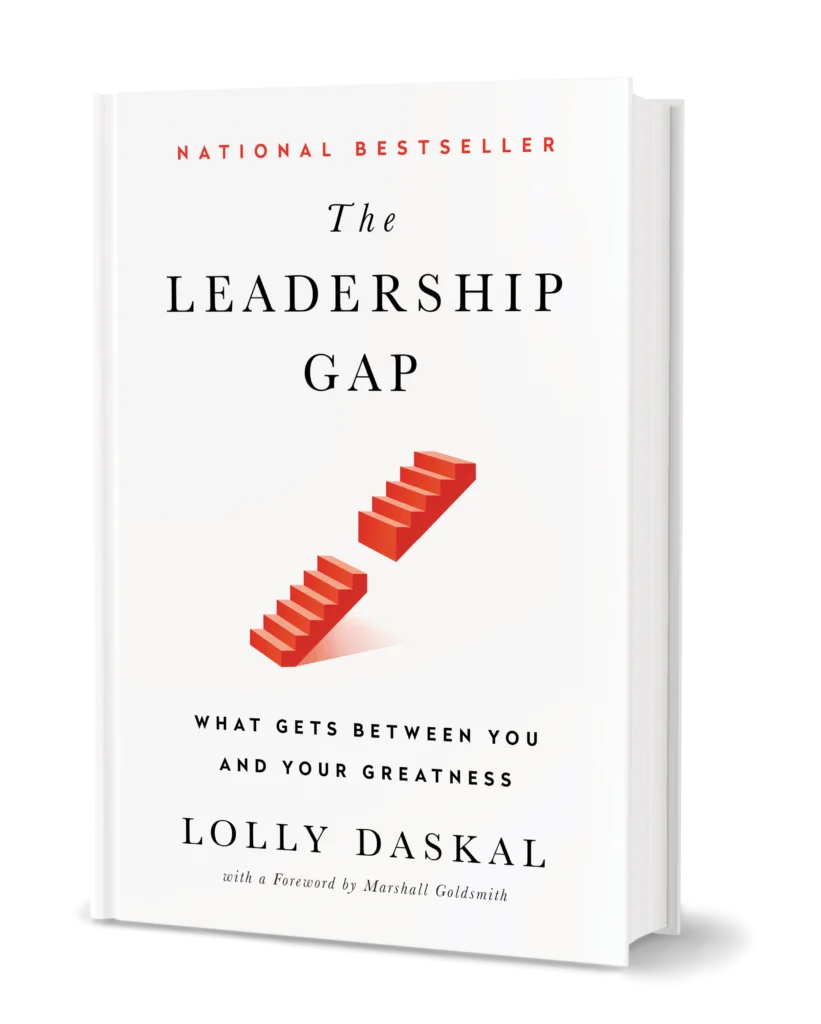
This nuanced understanding of AI’s role in leadership is a central theme explored in national bestseller "The Leadership Gap: What Gets Between You and Your Greatness." Decades of experience coaching global executives reveal that while leaders rise on a foundation of specific traits and values, they often encounter performance plateaus or outright failure. The inability to identify and address the underlying causes of these persistent challenges, particularly in the face of rapidly evolving technological landscapes, can be a significant impediment.
As organizations continue to integrate AI, the imperative for leaders to cultivate their uniquely human skills will only intensify. The ability to inspire, to empathize, to make ethical judgments, and to build trust will become even more valuable differentiators. Those who embrace AI as a tool to amplify these inherent human strengths, rather than as a replacement for them, will be best positioned to navigate the complexities of the modern business world and lead their organizations to sustainable success. The integration of AI presents an unprecedented opportunity for leaders to redefine their roles, not as mere managers of data or processes, but as cultivators of human potential, architects of meaningful connection, and visionary guides in an increasingly dynamic future.