The familiar "Employee of the Month" award, a staple in many organizational recognition programs, is more than just a classic gesture of appreciation; it represents a potent, yet often underutilized, tool for fostering employee engagement, enhancing company culture, and ultimately boosting retention. While its enduring presence speaks to its perceived value, a superficial implementation can render it a hollow exercise, failing to achieve its intended impact. Recent insights from the Achievers Workforce Institute (AWI) underscore the critical importance of meaningful recognition, with nearly a quarter of employees reporting that a well-designed reward acknowledging their efforts and impact would significantly influence their motivation and engagement. This suggests that a strategic approach to the "Employee of the Month" program is not merely a nicety, but a necessity for modern workplaces aiming to cultivate a thriving and productive workforce.
Revitalizing Recognition: Five Pillars of a Successful Program
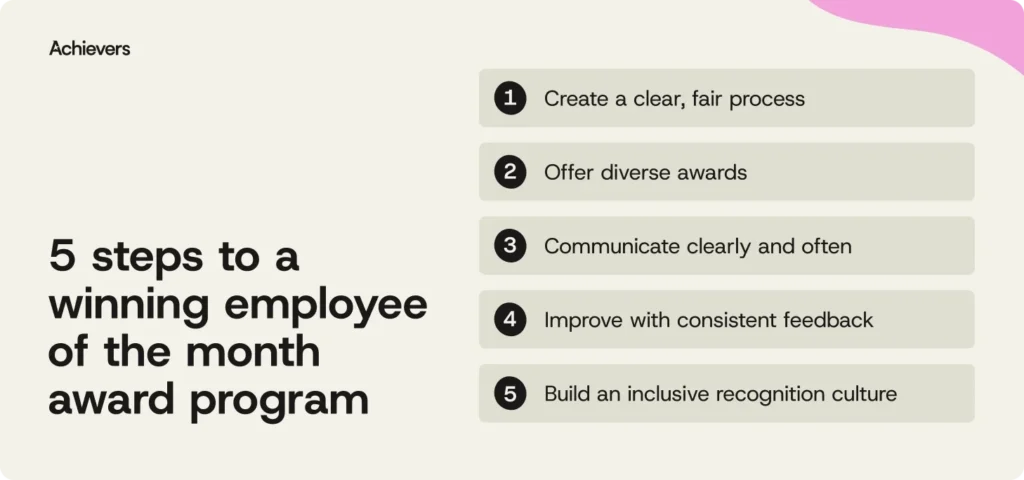
The traditional "Employee of the Month" award, if not carefully crafted, risks becoming a predictable and uninspired ritual. To ensure it resonates with employees and genuinely makes them feel valued, organizations must move beyond cliché and focus on creating a program that is both meaningful and engaging. Achievers Workforce Institute outlines five key steps to building a program that truly connects with employees:
1. Establish a Transparent and Equitable Selection Process
A fundamental pillar of any successful recognition program is clarity and fairness in its execution. Employees must understand not only how an individual is chosen but also why. A lack of transparency can breed skepticism and undermine the program’s credibility. This necessitates defining clear criteria for nomination and selection, ensuring that these criteria are communicated broadly to all staff. For instance, criteria could include exceeding performance metrics, demonstrating exceptional teamwork, embodying company values, or contributing innovative solutions. A nomination system that allows for peer input, alongside managerial recommendations, can further enhance fairness and inclusivity. Regular communication about the nomination and selection process, perhaps through internal newsletters or team meetings, can demystify the award and build anticipation. The goal is to make the selection process as straightforward and understandable as a daily routine, removing any perception of arbitrariness.
2. Implement Diverse and Appealing Award Offerings
The effectiveness of an "Employee of the Month" program can wane if the reward remains static. Offering a variety of incentives acknowledges that employee preferences differ and ensures the award retains its allure over time. Instead of a one-size-fits-all approach, consider a tiered system or a choice of rewards. This could range from monetary bonuses and gift cards to additional paid time off, professional development opportunities, or even experiential rewards like tickets to events or a charitable donation in the employee’s name. Tailoring rewards to individual preferences can significantly amplify their perceived value. For example, a high-performing employee who has expressed interest in further education might find a tuition voucher more motivating than a cash prize. This diversity in rewards demonstrates a deeper understanding of individual employee motivations and a commitment to personalized appreciation.
3. Ensure Consistent and Pervasive Communication
Effective communication is paramount to the success of any employee recognition initiative. Without clear and consistent messaging, an "Employee of the Month" award risks becoming an obscure internal event, akin to a guessing game. All employees should be aware of the program’s existence, its objectives, the nomination process, and the criteria for selection. Furthermore, the announcement of the winner should be a celebrated event, not a discreet notification. Public recognition, whether through company-wide emails, intranet announcements, or dedicated town hall meetings, amplifies the impact of the award. Highlighting the specific achievements and contributions that led to the employee’s selection provides valuable insights to others and reinforces desired behaviors. This consistent communication transforms the award from a solitary event into a recurring highlight that energizes the entire workforce.
4. Foster Improvement Through Ongoing Feedback
A recognition program that fails to evolve risks becoming stagnant and irrelevant. Just as individuals adapt and grow, so too should organizational programs designed to motivate them. Regularly soliciting feedback from employees about the "Employee of the Month" award is crucial for its continuous improvement. This can be achieved through anonymous surveys, focus groups, or informal check-ins. Understanding what employees find motivating, what types of rewards are most valued, and whether the selection process is perceived as fair and equitable are vital pieces of information. Acting upon this feedback demonstrates that employee voices are heard and valued, fostering a sense of ownership and investment in the program. This iterative process ensures that the award remains a dynamic and effective tool for engagement, rather than a relic of outdated practices.

5. Cultivate an Inclusive Culture of Recognition
The "Employee of the Month" award, while significant, is most impactful when it is part of a broader, more pervasive culture of recognition. Relying solely on this singular award can create a perception that appreciation is a rare event, reserved for exceptional circumstances. True engagement is fostered when recognition is embedded into the daily fabric of the workplace. This means encouraging informal acknowledgments, peer-to-peer praise, and regular, lightweight forms of appreciation that occur between formal award cycles. By fostering an environment where appreciation is a constant undercurrent, organizations reinforce the behaviors that drive performance, enhance retention, and fuel overall growth. This inclusive approach ensures that all employees feel seen and valued, not just the monthly standout.
The Strategic Objectives of an "Employee of the Month" Program
Beyond its traditional role as a celebratory tradition, a well-executed "Employee of the Month" award program can serve as a strategic lever for driving tangible improvements in an organization’s culture, employee engagement, and overall performance. The positive outcomes can be far-reaching:
1. Elevating Employee Recognition and Motivation
Recognition is not merely a feel-good gesture; it is a fundamental driver of employee engagement. When individuals feel that their contributions are acknowledged and appreciated, their intrinsic motivation to perform at a high level is significantly amplified. An "Employee of the Month" program, when implemented thoughtfully, moves beyond superficial praise to a more substantive acknowledgment of an individual’s impact. By publicly celebrating achievements, organizations send a clear message that hard work and dedication do not go unnoticed. This consistent reinforcement of positive contributions creates a virtuous cycle, encouraging employees to consistently bring their best efforts, knowing that their commitment will be recognized and rewarded. This translates into a more energized and productive workforce, contributing directly to organizational success.
2. Cultivating a Positive and Value-Driven Company Culture
The "Employee of the Month" award serves as a powerful signal about an organization’s core values and priorities. By selecting and celebrating individuals who exemplify these values, companies reinforce what is considered important within the organizational ethos. This extends beyond simply recognizing individual achievement; it shapes the collective understanding of desired behaviors and contributions. For example, if an award consistently goes to employees who demonstrate exceptional customer service, it sends a clear message to the entire organization about the paramount importance of customer satisfaction. When recognition becomes an integrated and consistent part of the organizational routine, it ceases to be an afterthought and becomes a fundamental element of how the company operates, fostering a culture where every employee feels a sense of belonging and value.
3. Enhancing Employee Retention and Loyalty
The impact of feeling appreciated on employee retention is substantial. Employees who feel recognized and valued are significantly less likely to seek opportunities elsewhere. This sentiment is directly linked to increased loyalty and a greater propensity to invest in the organization’s long-term success. Research consistently shows a strong correlation between robust recognition programs and reduced employee turnover. The "Employee of the Month" award, as a visible manifestation of this appreciation, contributes to building a dedicated and engaged team that is committed to the organization’s mission. This not only mitigates the significant costs associated with high turnover but also cultivates a stable, experienced, and highly motivated workforce, which is a critical asset for sustainable growth and achievement.
Building a More Impactful "Employee of the Month" with Strategic Support
The efficacy of an "Employee of the Month" award is intrinsically linked to the organizational infrastructure and support systems that underpin it. For mid-market organizations, the key to maximizing impact lies not in complexity, but in consistency and scalability. This is where specialized platforms and strategies become invaluable. When recognition processes are streamlined and easy to manage, their impact is amplified. Platforms like Achievers are designed to facilitate frequent, personalized, and impactful recognition, transforming the "Employee of the Month" from a singular event into an ongoing celebration of outstanding performance. By integrating recognition into daily workflows and providing tools for managers and peers to acknowledge contributions, these solutions ensure that appreciation is a continuous and meaningful experience.
Sustaining Engagement Through Consistent Recognition
While the "Employee of the Month" award can serve as an excellent starting point for organizational recognition efforts, enduring employee engagement is cultivated through consistent, rather than intermittent, acknowledgment. The right approach makes appreciation accessible for managers and profoundly meaningful for employees. For recognition to truly resonate, it must occur frequently, feel authentic, and be linked to rewards that genuinely matter to the individual. The true power lies in the strategic alignment of consistent recognition with relevant and desirable rewards. This approach moves beyond a perfunctory "well done" to a deliberate demonstration that the organization is attuned to its employees’ contributions. When regular recognition is paired with rewards that reflect genuine value, employees are more likely to feel cherished, motivated, and prepared to consistently deliver their best performance. This holistic strategy fosters a resilient and engaged workforce, capable of navigating the evolving demands of the modern business landscape.