
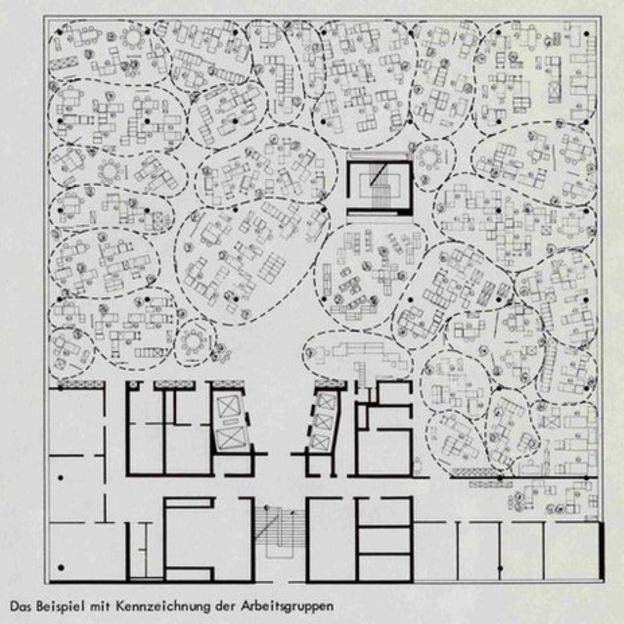
A curious inclusion in Gartner’s 2016 report, "Top 10 Technologies Driving the Digital Workplace," wasn’t a piece of cutting-edge technology, but rather a decades-old office design philosophy originating in Hamburg in the late 1950s. This concept, known as Bürolandschaft, or "office landscape," offers profound insights into the evolution of contemporary workspaces, according to the tech research firm. Born from the egalitarian spirit of the post-war era and a rejection of rigid, factory-like desk arrangements, Bürolandschaft sought to create a more humane and natural working environment.
The Genesis of Bürolandschaft: A Post-War Revolution in Office Design
The brainchild of the German consulting firm Quickborner, led by brothers Eberhard and Wolfgang Schnelle, Bürolandschaft emerged as a direct response to the prevailing office structures of the time. These structures were largely influenced by scientific management theories, which had led to rows upon rows of identical desks, often resembling industrial assembly lines. The Schnelle brothers, however, advocated for a paradigm shift. They aimed to dismantle the strict hierarchies that had become embedded in office culture since the turn of the 20th century, fostering a more collaborative and adaptable workspace.
The core of Bürolandschaft was its organic layout. While still utilizing conventional office furniture, the arrangement broke away from rigid grids. Instead, spaces were fluidly divided by plants and screens, designed to reflect the dynamic needs of individuals and teams, and to facilitate natural communication flows. Crucially, management was no longer sequestered in private offices; their spaces were integrated, defined by their function and their relationships with colleagues. This approach prioritized the human element, seeking to create an environment that was not only functional but also felt more natural and conducive to well-being.
Parallel Pursuits: Robert Propst and the "Action Office"
Interestingly, similar principles were being explored across the Atlantic around the same time. In 1958, the prominent American office furniture manufacturer Herman Miller recruited designer Robert Propst with the specific goal of creating a new range of products for open-plan offices. While Propst would later become inextricably linked with the ubiquitous cubicle farms that defined late 20th-century American office life, his initial intentions were deeply aligned with the Schnelle brothers’ vision. He shared a yearning for egalitarianism and human-focused design, famously lamenting that "the cubiclizing of people in modern corporations is monolithic insanity."
Propst’s seminal 1968 treatise, "A Facility Based on Change," laid out the foundational principles of his "Action Office" concept. His focus on people and their interactions was paramount. However, despite these progressive ideals, the prevailing desire for clear command-and-control management structures and the pursuit of linear efficiency ultimately led to his vision being overshadowed by more conventional interpretations of open-plan design. The result was the well-ordered, hierarchy-reflecting open-plan office that became a global standard, albeit with variations across different regions.
The "New World of Work" Rediscovers Bürolandschaft
The fact that a leading global technology analyst like Gartner would revisit and rehabilitate a concept from the 1950s to define the modern relationship between physical and digital workspaces underscores its profound and enduring relevance. The core principles of Bürolandschaft—people-centricity and organic design—appear to be timeless, resonating deeply with the evolving needs of the 21st-century workforce.
The context in which these principles are now applied is vastly different, shaped by technological advancements unimaginable to the Quickborner team. Yet, the fundamental drivers of human behavior, thought processes, and interpersonal interactions remain remarkably constant. As the article aptly puts it, "As the office starts to function more like an app with a menu of options for its user, so too does the technology absorb some of the characteristics of the physical environment." This symbiotic relationship between physical space and digital tools is a hallmark of the modern workplace, and Bürolandschaft’s emphasis on flexibility and human needs provides a foundational framework for this integration.
The First Open Plan Backlash and the Quest for Wellbeing
The current, often un-nuanced, debate surrounding open-plan offices overlooks a crucial historical precedent: the first open-plan backlash. While contemporary research may suggest open-plan offices can be beneficial, the initial implementation of Bürolandschaft, designed to democratize and foster collaboration, quickly mutated when integrated with corporate structures. This led to the North American "bullpens" and European "clusters of workstations" that are now stereotypically associated with open-plan design. When individuals express dissatisfaction with open-plan environments, it is often these later, less people-centric interpretations they are reacting against.
As early as the 1960s, questions were being raised about the efficacy of these layouts, particularly in Europe. Cultural shifts and new co-determination laws in countries like Germany, the Netherlands, and Sweden, which granted workers greater representation at the board level, brought employee needs and preferences to the forefront. Simultaneously, technological advancements were contributing to increasingly noisy office environments. These converging forces spurred the development of nascent principles of workplace well-being. Fifty years ago, there was a significant interest in addressing the common issues associated with open-plan offices, including noise levels, personal space, meeting effectiveness, natural light, and ergonomics.
Dutch Courage: The Centraal Beheer Building and the "Office Street"
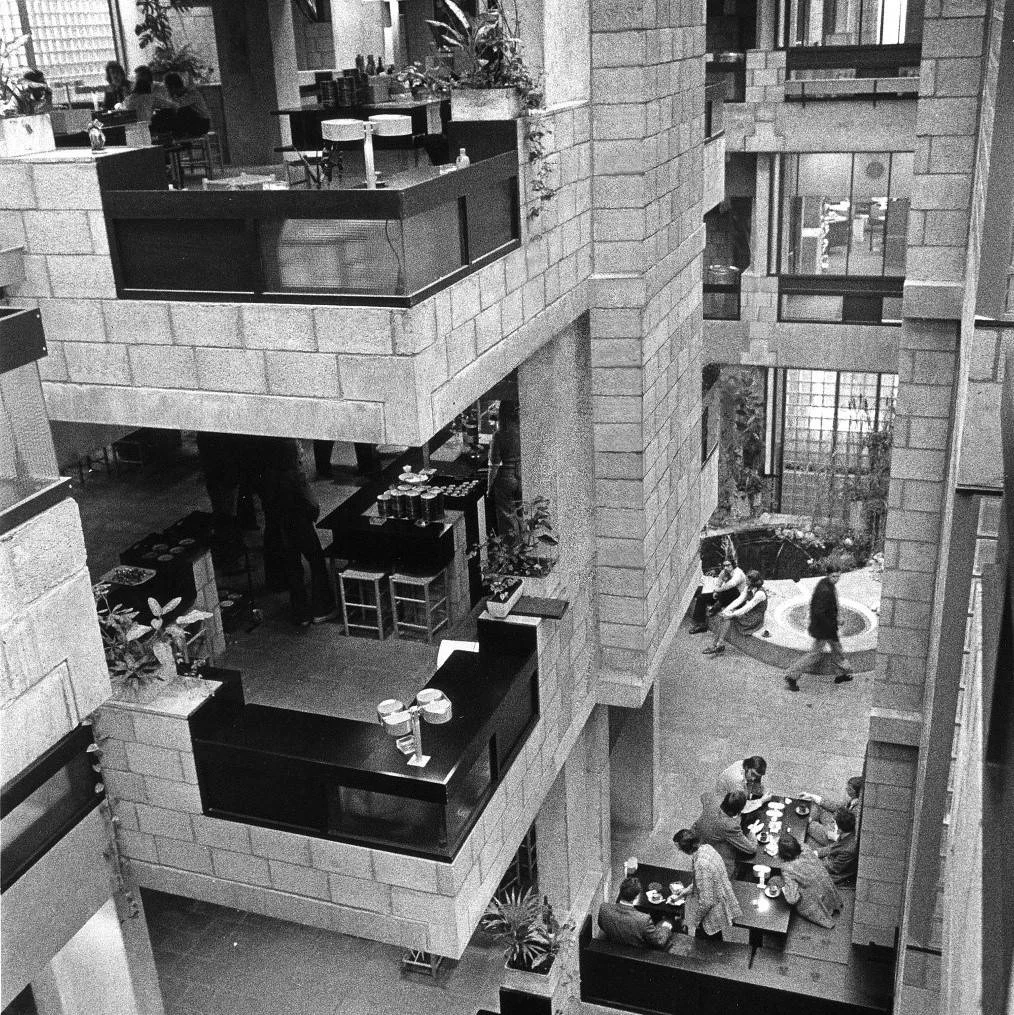
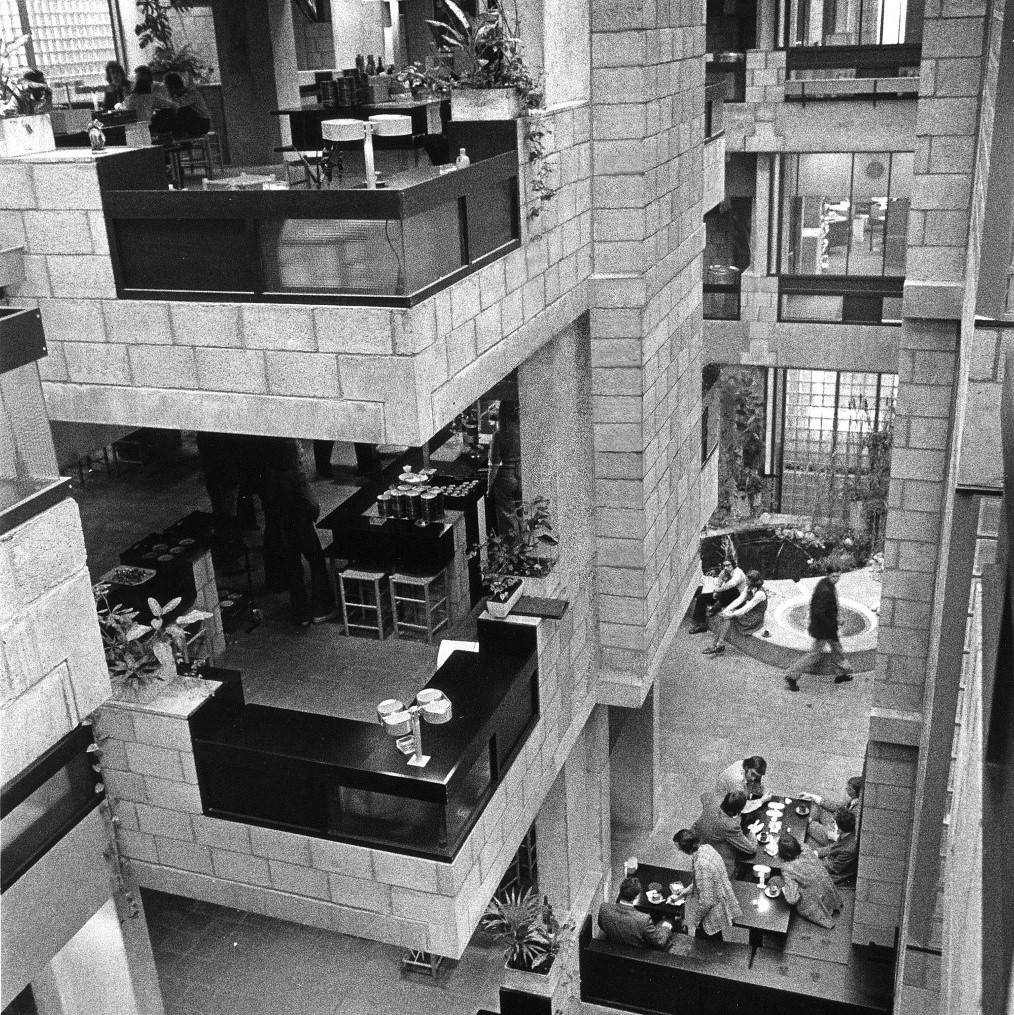
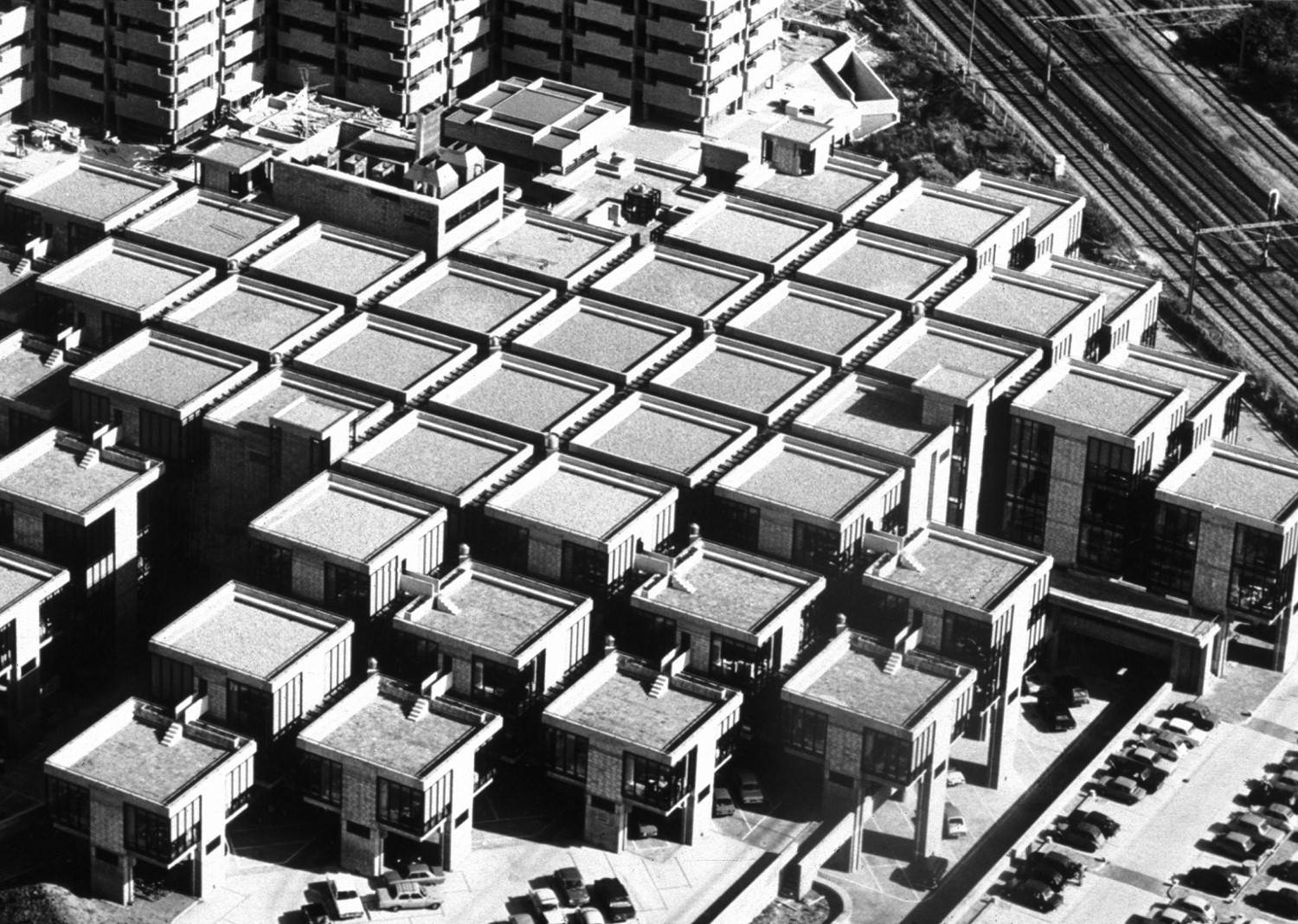
One of the most pioneering and influential responses to these challenges emerged in Apeldoorn, Netherlands, in 1968. The financial services firm Centraal Beheer commissioned Dutch architect Herman Hertzberger to design its new headquarters with a brief that resonates powerfully with modern sensibilities: "It should be a place where 1,000 people can feel at home. The employees must have the feeling of being part of a community without being lost in the crowd."
Hertzberger’s solution was remarkably innovative. He fragmented the building into modular 9-meter cubes, creating 56 distinct units. These cubes were interconnected by public atria, communal spaces, and walkways, forming what could be considered the first iteration of an "office street." Natural light and strategically placed lampposts illuminated these spaces, evoking the atmosphere of a close-knit medieval town.
Each cube was designed to house up to ten people, who were encouraged to personalize their spaces with accessories, plants, and personal items. This fractal configuration fostered a sense of intimacy within teams—a concept now widely supported by research suggesting that teams of fewer than ten people optimize decision-making. Furthermore, the design effectively mitigated the acoustic problems prevalent in traditional open-plan spaces. The result was conceptually akin to today’s activity-based working, where individuals had the freedom to move around the building, although the technological limitations of the era meant more time was spent at dedicated workstations. The paramount outcomes, however, were consistent with modern workplace aspirations: enhanced individual well-being and empowerment, coupled with a strong sense of belonging to both smaller groups and the larger organizational community.
Forward to the Combi-Office: Bridging Privacy and Collaboration
While the Centraal Beheer building was visionary, its extensive space requirements made it less practical for widespread adoption. A more adaptable and enduring solution to the challenges of open-plan offices emerged in 1978 at the offices of Canon in Sätra, a suburb of Stockholm. The Swedish architectural practice Tengbom Architects, facing a brief similar to Centraal Beheer’s, developed the "combi-office" concept.
This design offered a more straightforward approach. It featured a floor layout where private cellular offices were situated around the periphery, while the central space was dedicated to communal and meeting areas. This arrangement provided employees with the opportunity for private work while also affording them ample natural light from their dedicated rooms.
In the United States, this concept gained traction and was popularized as "caves-and-commons," notably described in Stewart Brand’s book "How Buildings Learn." Brand characterized it as a model where "Each office worker has a private office, often small, which opens into a generous open area surrounded by many other private offices. The open area has a kitchen, some couches, sometimes tables for sitting around informally, and sometimes a working library, or at least a rack of current periodicals. You can shut the door of your cave and concentrate, or you can leave your door open and keep an eye and ear on who’s coming and going in the commons, and whether the meeting or presentation going on there might be worth leaning in on."
The parallels with modern activity-based and agile working are evident, though in contemporary settings, the emphasis often shifts towards utilizing communal spaces for collaboration and retreating to private rooms only when necessary. This model of office design has proven remarkably resilient, with updated variations continuing to exist today.
The Eternal Principles of Workplace Design
The historical examples of Bürolandschaft, the Action Office, the Centraal Beheer building, and the combi-office demonstrate a recurring theme: the fundamental workplace challenges faced by previous generations are remarkably similar to those we grapple with today. While the specific solutions and the technological contexts have evolved, the core principles remain strikingly familiar. The drive for egalitarianism, human-centric design, the balance between individual focus and collaborative interaction, and the pursuit of employee well-being are constants that continue to shape how we conceptualize and build our workspaces. Gartner’s recognition of Bürolandschaft highlights that understanding these historical precedents is not merely an academic exercise but a crucial step in navigating the future of work, ensuring that our evolving digital workplaces are grounded in the enduring needs of their human occupants.








