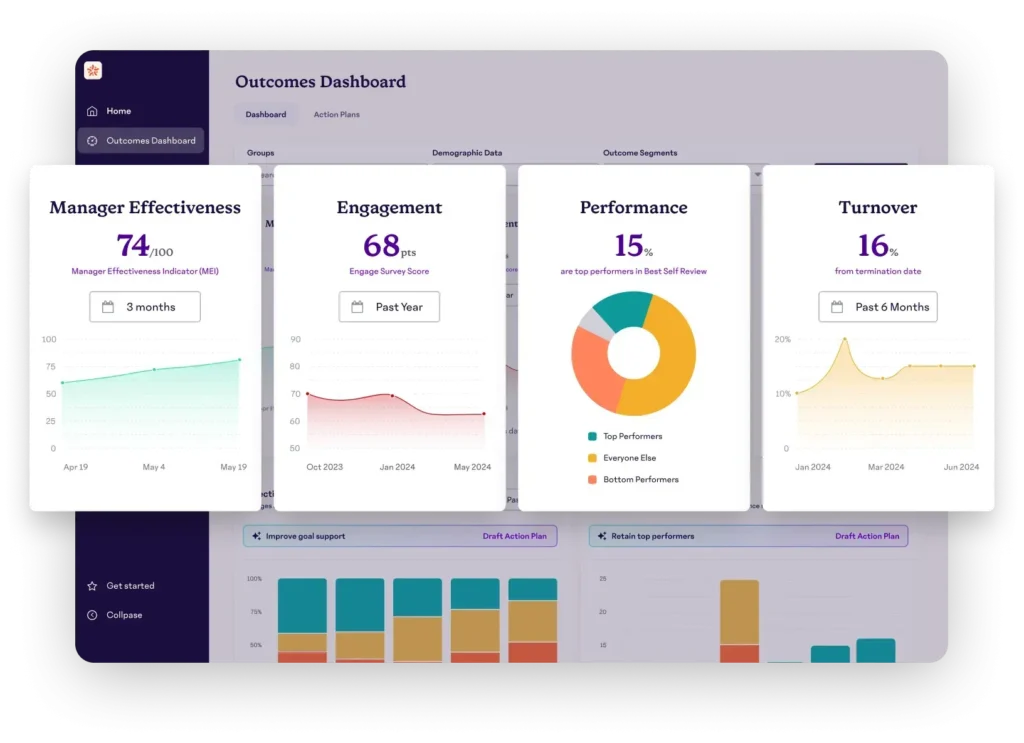
Peer-to-peer recognition software has rapidly transitioned from a desirable perk to an indispensable tool for organizations seeking to accurately reflect how work is accomplished in today’s dynamic professional landscape. In contemporary work environments, particularly across North America where hybrid and remote models have become the norm, manager-led recognition alone struggles to keep pace with the inherent complexity, speed, and collaborative nature of daily operations. This gap in appreciation has significant consequences, as evidenced by the 2026 Engagement and Retention Report, which revealed that a mere 25% of employees feel genuinely appreciated or engaged at work, and fewer than half envision a long-term future with their current organization. Conversely, employees who do feel valued demonstrate dramatically higher levels of connection, motivation, and a propensity to remain with their employers, with appreciation linked to a remarkable 17x increase in their likelihood of seeing a long-term career path.
Peers are uniquely positioned to bridge this critical gap. Colleagues witness firsthand the everyday contributions that managers may not always observe: the teammate who readily offered assistance, the cross-functional collaboration that proved pivotal in resolving a challenge, or the quiet, consistent effort that ensures project momentum. When these moments are recognized, visibly and consistently, appreciation evolves from an occasional event into an ingrained aspect of organizational culture. This is precisely where peer-to-peer recognition software plays a vital role.

Understanding Peer-to-Peer Recognition Software
Peer-to-peer recognition software is specifically engineered to empower employees to acknowledge and appreciate one another for significant contributions, collaborative efforts, and the embodiment of company values, in real-time and at scale. Diverging from traditional, top-down recognition programs, peer-to-peer recognition mirrors the actual flow of work. It captures those crucial moments that do not await formal performance reviews or managerial approval: the colleague who unblocked a critical project, the team member who exemplified company values, or the support that made a particularly challenging week more manageable.
At its core, peer-to-peer recognition software performs three essential functions: it facilitates the immediate acknowledgment of positive actions, it amplifies the visibility of these contributions across the organization, and it cultivates a continuous feedback loop that reinforces desired behaviors. When implemented effectively, this approach transforms everyday appreciation into a shared, habitual practice, rather than a discretionary amenity.
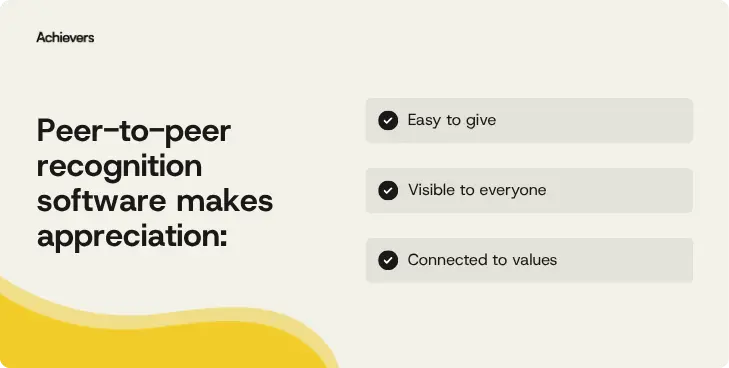
The Growing Imperative in Hybrid and Remote Environments
The widespread adoption of hybrid and remote work models has fundamentally altered how individuals connect and how easily exceptional work can go unnoticed. In the absence of informal hallway conversations or shared office experiences, recognition can subtly diminish. Employees continue to collaborate, support each other, and solve problems, but fewer of these interactions are seen or acknowledged unless deliberately made visible.
Peer-to-peer recognition software serves as a vital conduit to bridge this geographical and observational distance. It enables colleagues to publicly acknowledge each other’s efforts, fostering a sense of connection and shared accomplishment irrespective of physical location. By highlighting contributions that might otherwise remain invisible, it ensures that valuable work is seen and appreciated, thereby mitigating the risk of employee disengagement and fostering a more inclusive work environment. This is particularly crucial as data from the Achievers Workforce Institute (AWI) indicates that employees who feel appreciated are significantly more likely to feel connected to their colleagues, aligned with company values, and motivated to remain with their organization. In distributed work settings, peer recognition emerges as one of the most potent mechanisms for cultivating these signals of belonging.
Real-World Impact: The Tangible Benefits
Organizations that strategically invest in robust peer-to-peer recognition software often witness rapid and sustained positive impacts. Teams that excel in this area not only experience improved morale but also achieve enhanced operational effectiveness. According to the AWI’s State of Recognition Report, employees who receive recognition at least weekly are nine times more likely to possess a strong sense of belonging and six times more likely to envision a long-term future with their employer. The practical manifestations of this impact include:
- Elevated Morale and Engagement: Recognition from peers carries a distinct weight. It is timely, personal, and rooted in authentic experiences, rather than being tied to arbitrary calendar dates. Employees feel seen for their daily contributions, not just for major milestones or obligatory check-ins.
- Strengthened Retention: Appreciation is far from superficial. When individuals feel genuinely recognized, their likelihood of picturing a future within the organization increases substantially, and their inclination to actively seek other employment diminishes. While not a substitute for competitive compensation, recognition significantly contributes to making work a worthwhile endeavor.
- Clarified Values in Action: Company values should transcend mere statements on posters, slides, or career pages. When peer recognition is intrinsically linked to these values, they manifest in observable, repeatable behaviors, championed by the individuals performing the work, rather than solely by leadership.
- More Connected Cultures: Peer-to-peer recognition software transforms individual moments into shared experiences. A simple "thank you" not only reaches the recipient but also resonates throughout the team, fostering a sense of alignment, connection, and collective purpose, even across considerable distances or time zones.
- Enhanced Insight into Performance Drivers: Recognition provides invaluable narrative data. Over time, peer-to-peer recognition software can illuminate which behaviors are most valued by teams, where collaboration flourishes, and what truly drives successful outcomes. This offers real-time cultural feedback, removing the element of guesswork.
In essence, peer-to-peer recognition software does more than simply facilitate appreciation; it actively leverages it to drive business objectives.
Evaluating Peer-to-Peer Recognition Software: Key Features
The landscape of peer-to-peer recognition software is diverse, with varying degrees of effectiveness. The most successful platforms seamlessly integrate recognition into daily workflows, while others may appear impressive during demonstrations but quickly fall into disuse. When evaluating these solutions, particularly for distributed teams, several core features warrant careful consideration:
Rewards and Recognition Options
The foundation of any peer-to-peer recognition platform lies in the act of recognition itself, but the manner in which it is reinforced is equally important. When assessing these platforms, organizations should consider:
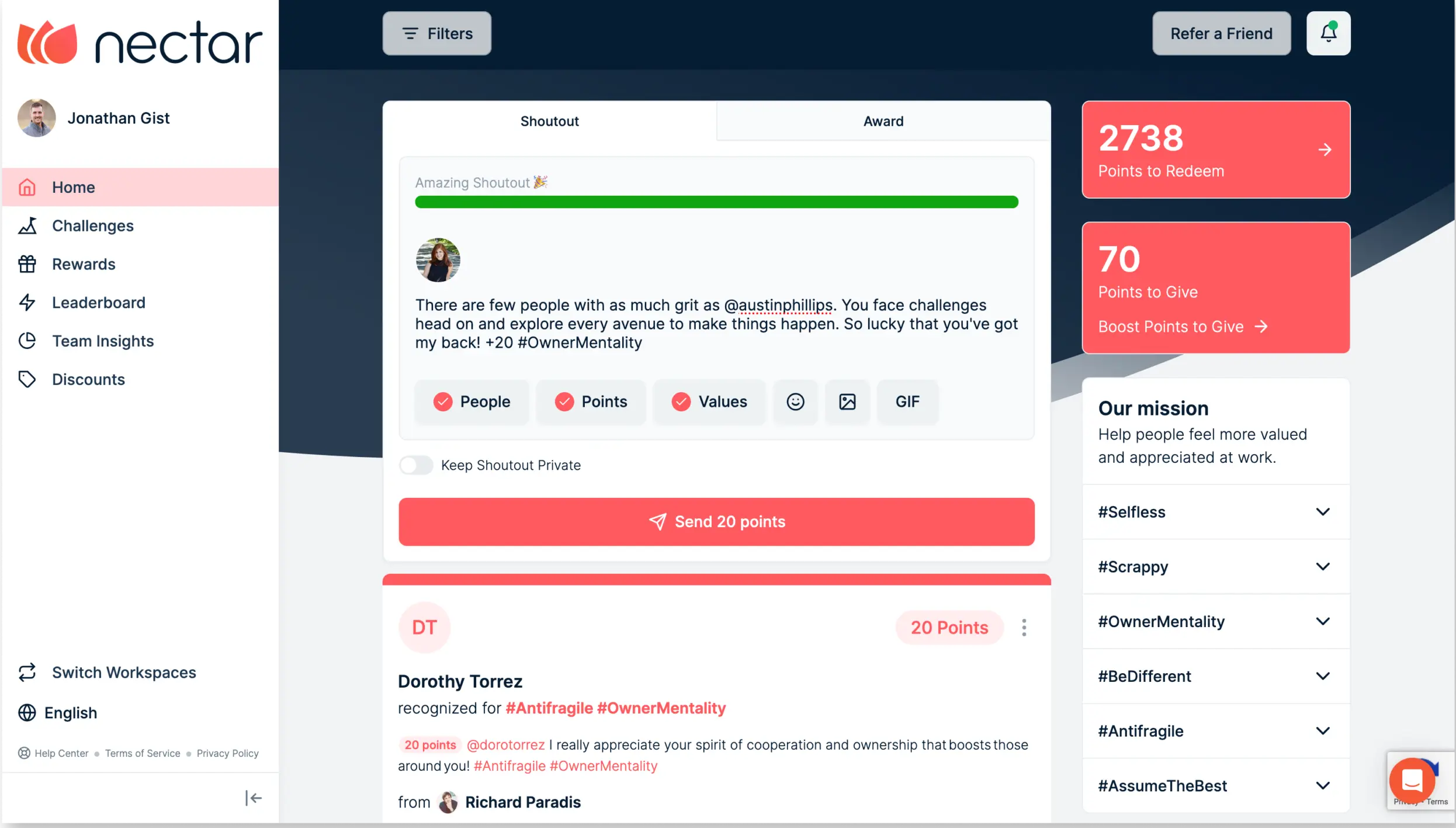
- Recognition Flexibility: The ability to recognize for specific values, behaviors, or achievements.
- Reward Variety: A diverse range of rewards that are meaningful and accessible to all employees, including monetary incentives, gift cards, experiences, or time off.
- Points vs. Direct Recognition: Whether a points-based system is employed, and if those points can be easily redeemed, or if direct "shoutouts" are the primary mechanism.
- Monetary Value: The appropriateness and flexibility of monetary values associated with recognition, ensuring they align with company budgets and employee expectations.
The most effective platforms utilize rewards as amplifiers, not the primary focus. Recognition should lead, and rewards should serve to reinforce desired actions. If rewards feel transactional or disconnected from actual behavior, employee engagement is likely to wane. This is particularly crucial for organizations focused on retention, motivation, and equitable recognition across diverse roles and geographic locations.
Platform Integrations and Usability
For recognition to be effective, it must be easily accessible and utilized by employees. High-quality peer-to-peer recognition software integrates seamlessly into the tools employees already use, rather than demanding the adoption of yet another disparate system. Key integration considerations include:
- Collaboration Tool Integration: Seamless embedding within platforms like Microsoft Teams, Slack, or other internal communication channels.
- HRIS Integration: Connectivity with Human Resources Information Systems for streamlined user management and data synchronization.
- Mobile Accessibility: A user-friendly mobile application that allows for recognition on the go.
- Single Sign-On (SSO): Simplified login processes for enhanced user experience.
If recognition requires employees to navigate away from their primary workflows, log into separate systems, or remember multiple access points, participation rates will inevitably decline. The most successful platforms meet employees where they work, rather than imposing additional tasks. This is a critical factor for hybrid, remote, and frontline-reliant organizations.
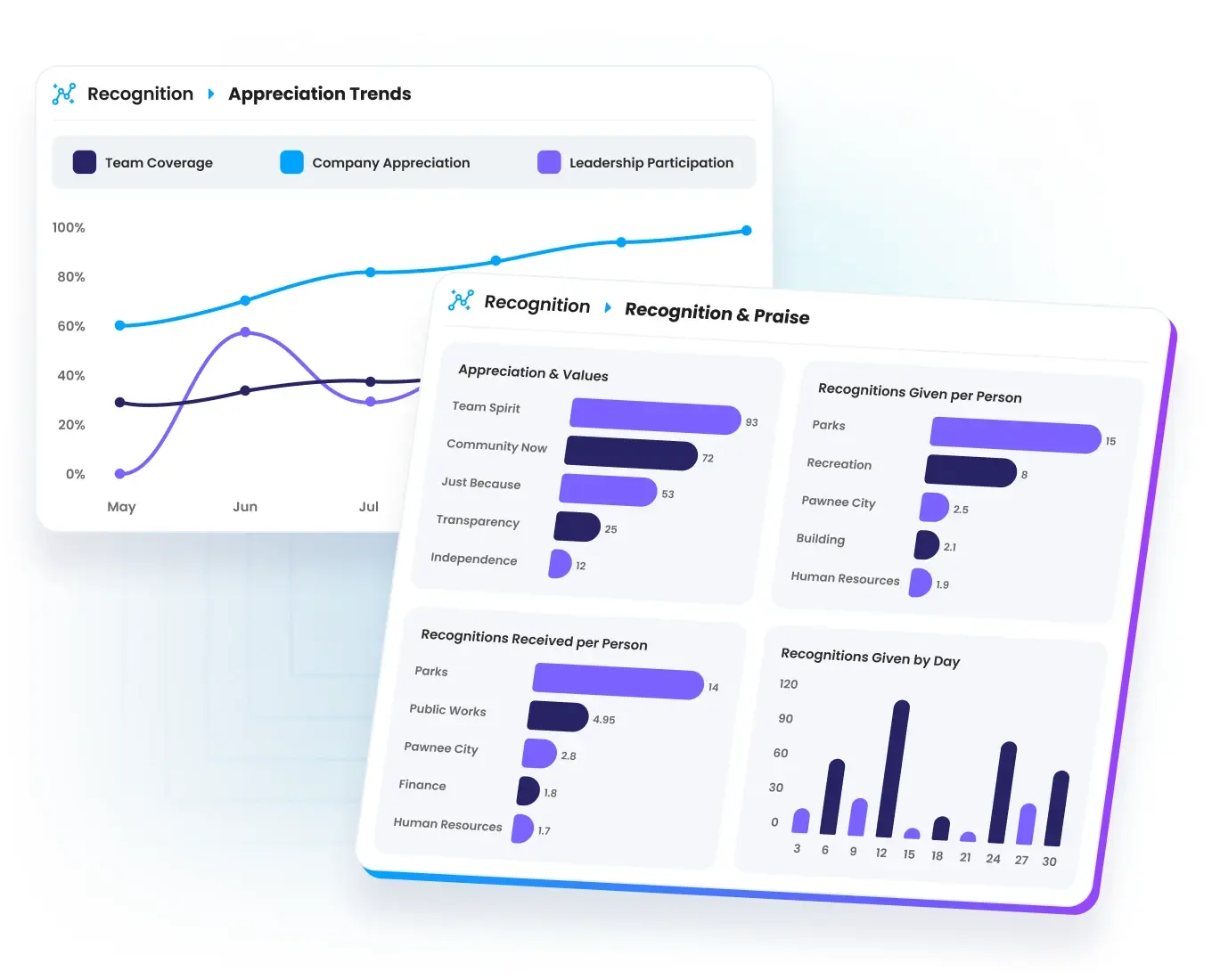
Customization and Values Alignment
Peer-to-peer recognition becomes a powerful culture-shaping tool when it reinforces organizational priorities. When evaluating platforms, organizations should inquire about:
- Customizable Recognition Categories: The ability to define specific categories or tags for recognition that align with company values, projects, or desired behaviors.
- Values Tagging: Features that allow users to explicitly link recognition to stated company values.
- Branding and Theming: Options to customize the platform’s look and feel to reflect the company’s brand identity.
- Configurable Workflows: The flexibility to adapt recognition processes to fit specific team or departmental needs.
Recognition aligned with values transforms abstract principles into tangible, repeatable actions, clarifying the significance of contributions beyond mere occurrence. Platforms lacking customization often result in generic praise, which, while pleasant, rarely yields long-term impact. This is ideal for organizations prioritizing culture, behavioral change, and organizational alignment.
Real-Time Recognition and Analytics
Recognition should not operate as a black box. Modern peer-to-peer recognition software provides HR professionals and leadership with actionable insights into:
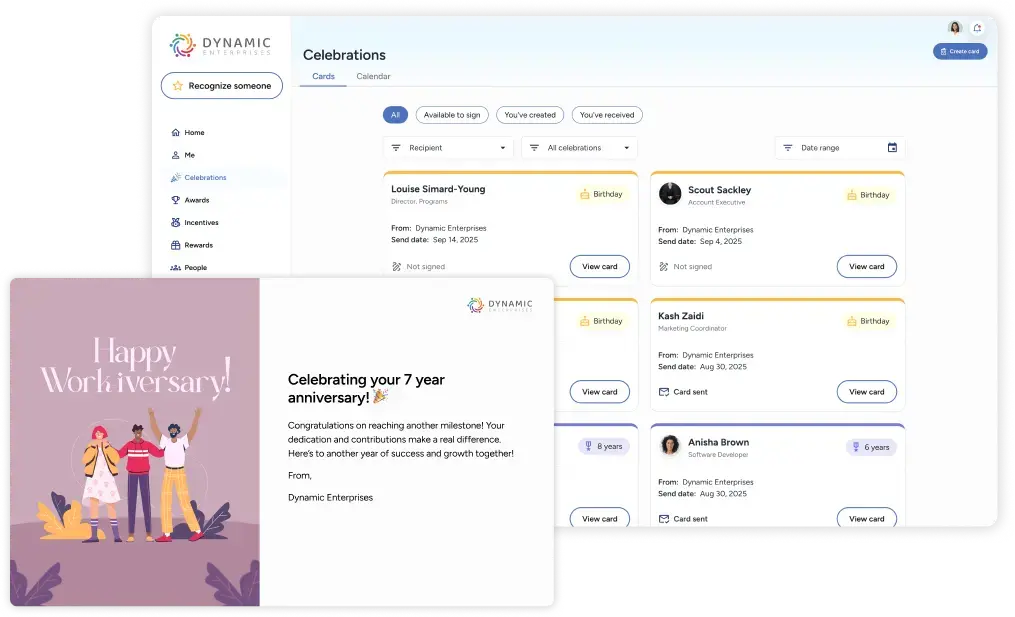
- Recognition Activity: Tracking the frequency, volume, and distribution of recognition across the organization.
- Popularity of Values: Identifying which company values are most frequently recognized and reinforced.
- Engagement Trends: Monitoring participation rates and identifying patterns in recognition activity.
- Impact on Key Metrics: The ability to correlate recognition data with employee engagement, retention, and performance indicators.
Real-time recognition reinforces desired behaviors in the moment, while analytics empower leaders to understand what truly drives engagement and performance. Together, these elements transform recognition from a feel-good initiative into a measurable strategic lever. Without the capability to discern what is working effectively (or where gaps exist), scaling impact becomes exceedingly challenging. This feature is indispensable for organizations aiming to inform decisions through recognition data, rather than merely enhancing cultural aesthetics.
A Snapshot of Leading Peer-to-Peer Recognition Software Platforms
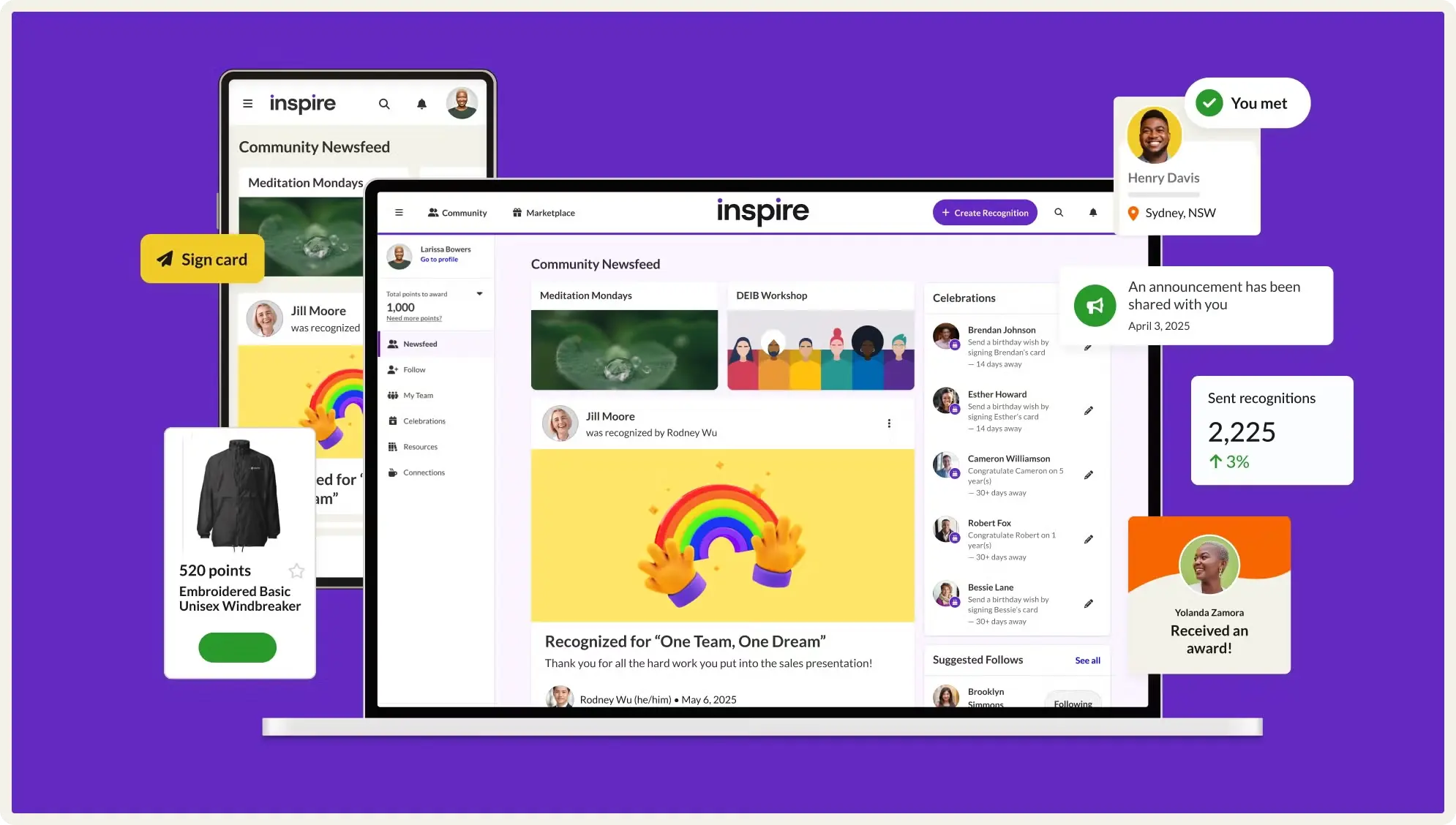
While numerous platforms offer peer-to-peer recognition capabilities, their approaches and strengths vary significantly. For U.S. organizations navigating the complexities of hybrid work, distributed teams, and heightened expectations around culture and employee engagement, selecting the appropriate solution is paramount. The following comparison highlights leading platforms based on their efficacy in delivering essential peer-to-peer recognition features, informed by Achievers Workforce Institute (AWI) research and current market demands.
| Platform | Peer-to-peer recognition | Values-based recognition | Rewards included | Integrations | Best fit |
|---|---|---|---|---|---|
| Achievers | Core to the experience; real-time, frequent recognition | Strong alignment to company values embedded in every moment | Robust, flexible rewards marketplace | Microsoft Teams, Slack, HRIS + more | Enterprise-ready, culture-driven programs |
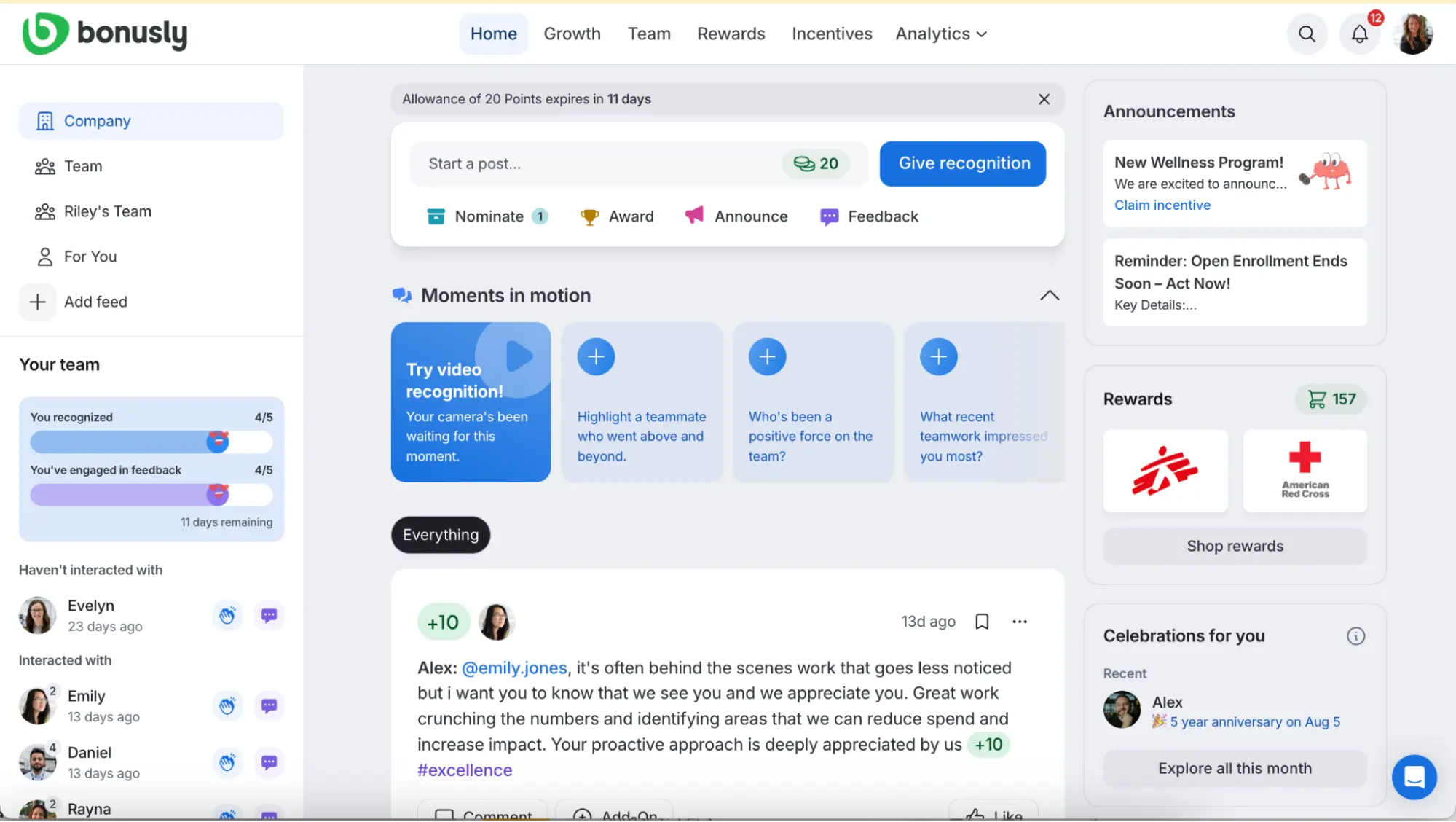
| Bonusly | Simple, points-based recognition | Limited depth for reinforcing values at scale | Points redeemable for rewards | Slack and chat-focused integrations | Lightweight, fast-moving teams |
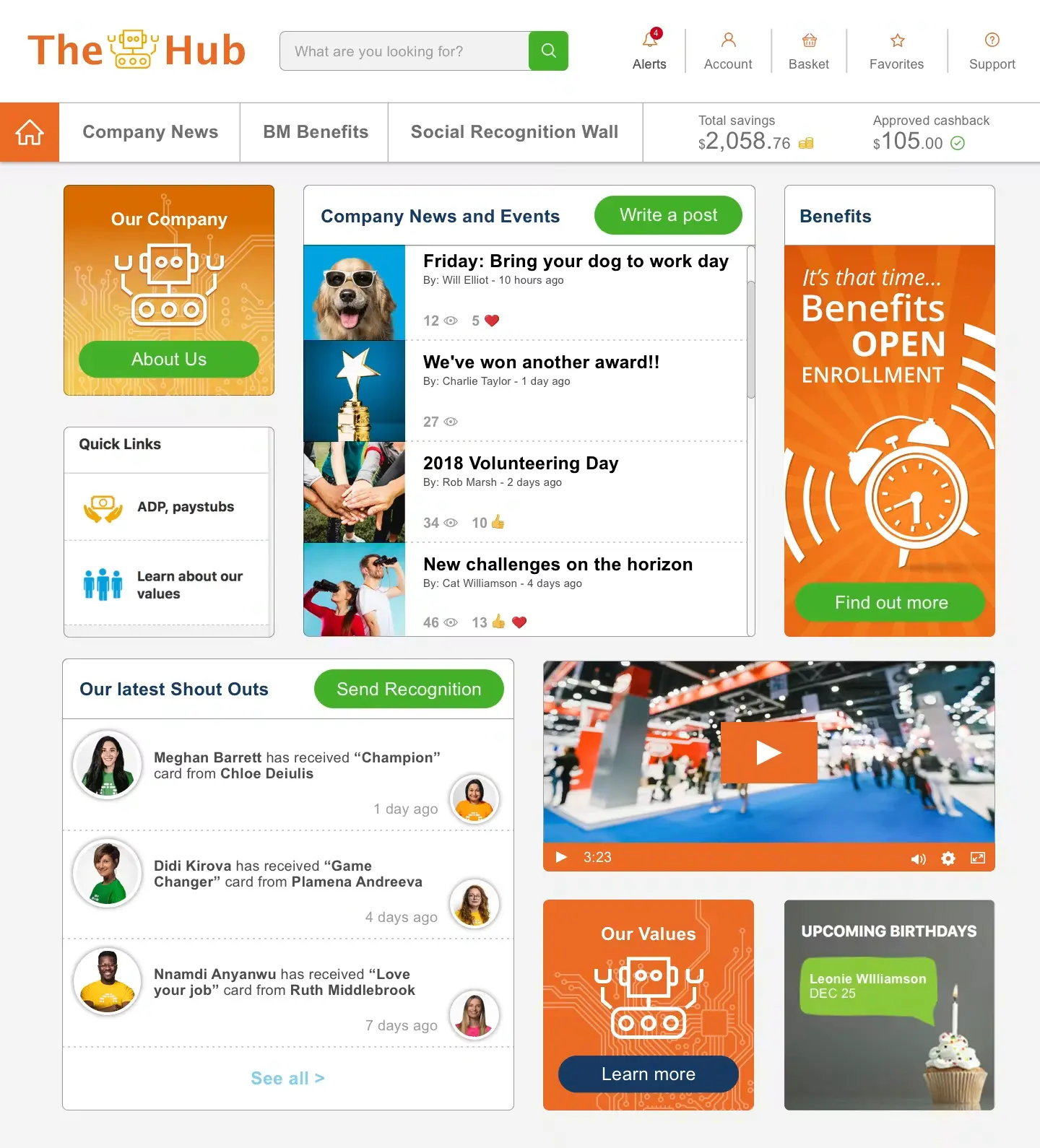
| Nectar | Social, feed-based peer recognition | Clear emphasis on values in recognition posts | Points and rewards included | Integrates with collaboration tools | Social, values-focused cultures |
| Motivosity | Frequent, community-driven recognition | Values can be supported but not a primary differentiator | Includes rewards and small bonuses | Some integrations; may need additional tools | Community-led recognition |
| Kudos | Structured, public recognition across teams | Supports values-based messaging | Rewards available but may vary by setup | Integration depth varies by use case | Structured, visible recognition |
| Reward Gateway | Social recognition within a broader platform | Less focused on driving values-based behavior change | Extensive rewards, perks, and discounts marketplace | Broad integrations as part of engagement hub | Recognition within a broader perks ecosystem |
| HeyTaco | Fun, informal peer recognition using “tacos” | Not designed for values-based alignment | Limited reward structure | Slack-focused integration | Small, informal teams |
| Bucketlist | Peer recognition plays a supporting role | Limited emphasis on values in peer recognition | Rewards tied to milestones and achievements | Integration details vary | Automated milestones and moments |
| 15Five | Embedded “high-fives” within workflows | Values can be reinforced but not central | No standalone rewards marketplace | Integrates within performance management stack | Recognition within performance workflows |
Conclusion: Intentional Recognition for Measurable Impact
Every peer-to-peer recognition platform facilitates appreciation, but their execution and impact vary considerably. Some are designed for speed and simplicity, others excel in social visibility, and a select few, notably led by Achievers, effectively connect recognition to core values, meaningful rewards, and actionable insights in a manner that scales across an entire organization.
The ultimate choice of platform hinges on an organization’s specific objectives: whether the aim is to foster frequent, authentic appreciation, reinforce critical cultural behaviors, strengthen connections within hybrid teams, or empower leaders with data-driven insights. Achievers distinguishes itself by enabling organizations to transcend mere recognition activity and achieve tangible recognition impact, transforming everyday appreciation into measurable business results. The intentional application of peer-to-peer recognition software is not merely an HR initiative; it is a strategic imperative for building a more engaged, connected, and productive workforce in the modern era.