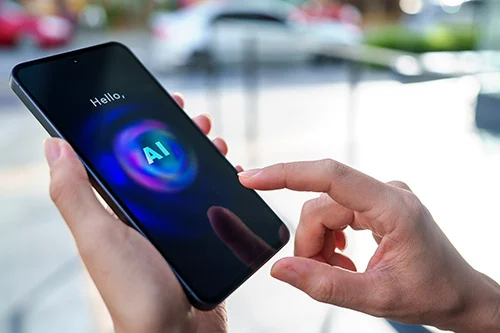
The landscape of modern employment relations is undergoing a profound transformation as generative artificial intelligence moves from a novelty tool to a primary architect of workplace disputes. For decades, the grievance process was characterized by the raw, often emotional, and sometimes unpolished communication of employees seeking redress for perceived wrongs. However, a new era has dawned where the "human" element of a complaint is increasingly being filtered through large language models (LLMs). This shift has introduced a "pseudo-legalistic" tone into internal company matters, creating a paradox where the tools intended to streamline communication are, in many cases, making the resolution of workplace conflict more difficult than ever before.
The Rise of the AI-Assisted Grievance
In the early stages of AI development, public discourse focused on the ethics of machine interaction—debating whether users should maintain social niceties like "please" and "thank you" when prompting bots. The theory was that by treating AI with respect, humans would inadvertently train the systems to produce higher-quality, more empathetic outputs. However, as AI tools like ChatGPT, Claude, and Gemini have become ubiquitous in the professional sphere, the reality has diverged from this polite ideal. Instead of fostering empathy, AI is frequently being used by employees to weaponize language, drafting grievance letters that are laden with "serious concerns," "reservations of rights," and a tone of "passive-aggressive" formality that can alienate even the most well-meaning HR departments.
This trend is not merely a change in vocabulary; it represents a fundamental shift in how employees view the employer-employee relationship. By using AI to draft complaints, workers are attempting to bridge the perceived power gap between themselves and corporate legal teams. The result is a surge in correspondence that mimics the structure of formal litigation long before a dispute has reached a courtroom.
Chronology of the AI Integration in Human Resources
The integration of AI into workplace disputes has followed a rapid timeline, mirroring the broader explosion of generative AI technology:
- Pre-2022: The Template Era. Before the widespread availability of LLMs, employees dissatisfied with workplace conditions relied on online templates or basic advice from unions and citizens’ advice bureaus. Communications were generally authentic, reflecting the specific voice and emotional state of the individual.
- Late 2022: The Generative Breakthrough. With the public release of ChatGPT, the barrier to entry for high-level professional writing vanished. Employees began using AI to "summarize" their feelings into professional-sounding emails.
- 2023: The Legalistic Shift. As users learned to "prompt engineer," they began asking AI to draft grievances "in the style of a lawyer." This led to the emergence of the "pseudo-legalistic" tone that HR professionals now encounter daily.
- 2024-Present: The Strategic Escalation. AI is now used not just for drafting, but for strategy. Employees feed employer responses back into AI engines to identify loopholes, demand specific documents, and create "endless loops" of procedural inquiries designed to overwhelm internal HR systems.
Data and Market Trends in AI Communication
The scale of this shift is reflected in recent workplace data. According to a 2023 survey by Microsoft on work trends, nearly 70% of employees reported they would delegate as much work as possible to AI to lessen their workloads. This delegation extends to difficult conversations. Furthermore, legal tech analysts report a 400% increase in the development of "consumer-facing" legal AI tools designed to help individuals navigate employment law without hiring a solicitor.
While these tools offer accessibility, they lack the "skin in the game" that a human representative possesses. A human lawyer or union representative is bound by professional ethics and a pragmatic understanding of the costs of litigation. An AI, conversely, operates without a sense of risk. It does not fear the breakdown of a relationship, nor does it feel the fatigue of a two-year-long tribunal process. This "inexhaustible chatbot" phenomenon is creating a significant burden on employers who find themselves responding to machine-generated demands with human-level resources.
The Employer’s Dilemma: Process vs. Progress
For many employers, the instinct when faced with an AI-generated, highly formal grievance is to respond in kind—with a similarly terse, legalistic letter. However, experts warn that this often leads to an "escalating spiral of reciprocal snippiness." When tone begets tone, the opportunity for an amicable resolution vanishes.
The primary risk for both parties is that the AI does not know when to stop. It cannot judge the "tipping point" at which a relationship is beyond repair. It continues to suggest "practical suggestions" that are often anything but practical, focusing on "rights" rather than "remedies." To counter this, savvy employers are shifting their focus from the process of the grievance to the remedy of the underlying issue.
Strategies for Human-Centric Resolution
To bypass the "keyboard warrior" effect, HR professionals are increasingly adopting the following tactics:
- Prioritizing Face-to-Face Interaction: Correspondence facilitates AI intervention. By insisting on phone calls or in-person meetings, employers force a return to human-to-human communication, where the employee’s actual feelings and goals can be discerned without the filter of an algorithm.
- Focusing on Desired Outcomes: AI can list legal violations, but it cannot truly know what will make an employee feel satisfied. Employers are encouraged to ask, "What would a successful resolution look like for you?" early and often.
- Early Mediation: Moving away from formal grievance hearings toward informal mediation can sidestep the "rabbit hole" of eternal correspondence. Mediation focuses on the future relationship rather than a forensic analysis of past communications.
Official Responses and the Legal Perspective
The legal community has begun to take note of this trend. While there is no law against using AI to draft a grievance, the principles of the Employment Tribunal remain rooted in "reasonableness." Legal analysts point out that an employer’s duty is to act within the "range of reasonable responses."
If an employee, guided by AI, demands a thousand pages of disclosure or insists on a delay to "analyze" documents using a machine, the employer is not legally obligated to comply if those demands are unreasonable. The "humble Employment Tribunal," as noted by legal commentators, serves as the ultimate check on AI-driven escalation. Judges are trained to look for the substance of a claim, and a case built on AI-generated "noise" rather than factual merit is unlikely to succeed.
Furthermore, some jurisdictions are exploring "transparency requirements" where parties might eventually be required to disclose if their legal filings or formal grievances were generated by AI. While not yet standard in internal HR processes, the push for transparency is growing as the distinction between human thought and machine output blurs.
Broader Impact and Implications for Workplace Culture
The long-term impact of AI on workplace disputes extends beyond the legalities; it touches the very heart of corporate culture. When communication becomes a battle of algorithms, trust—the bedrock of the employment contract—erodes. If an employer feels they are talking to a bot rather than their employee, their willingness to go "above and beyond" to retain that employee diminishes.
Conversely, for the employee, the reliance on AI can lead to a sense of isolation. While the AI might provide a sense of security through "strong" language, it can inadvertently sabotage the employee’s career by making them appear unreasonable or unapproachable to their managers.
The mission of AI in a dispute is often binary: to "win" the argument based on the data it has been fed. It does not account for the peripheral damage to a person’s reputation or the psychological toll of a prolonged conflict. As the workplace continues to evolve, the challenge for both employers and employees will be to harness the efficiency of AI without losing the empathy and pragmatism that only human interaction can provide.
In conclusion, while AI is undoubtedly transforming the modern office, it has yet to meet its match in the nuances of human conflict resolution. The most successful organizations will be those that recognize an AI-generated grievance for what it is—a cry for help filtered through a machine—and respond by bringing the conversation back to the human level as quickly as possible. Progress in the workplace is rarely achieved through a "victory" in a chatbot-driven war of words; it is achieved through the difficult, often messy, but ultimately rewarding process of human compromise.