The modern workforce is increasingly vocal about its needs, signaling a definitive shift away from traditional, transactional forms of employee appreciation. As organizations navigate the evolving expectations of their staff, a clear consensus is emerging: employees desire recognition that is not only frequent and specific but also demonstrably tied to their tangible impact. This paradigm shift, highlighted by recent research, underscores a critical need for companies to re-evaluate and modernize their recognition strategies to foster deeper engagement, cultivate stronger cultures, and ultimately drive sustained business success.
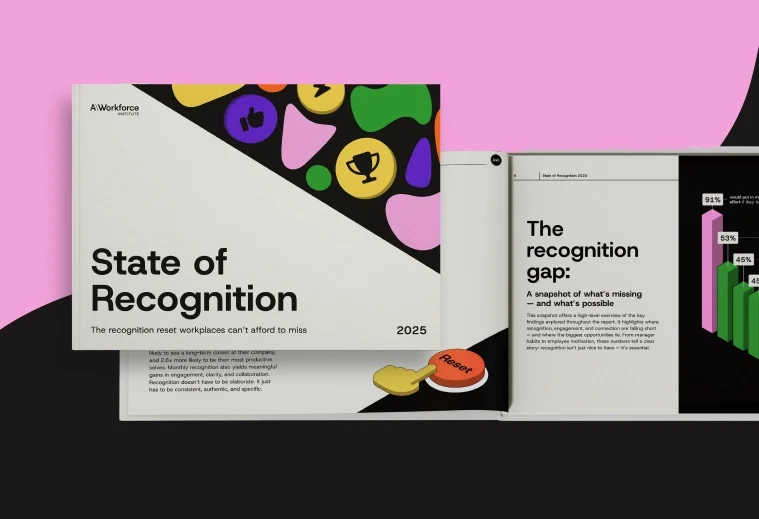
Research from the 2026 State of Employee Recognition Report, conducted by the Achievers Workforce Institute (AWI), reveals a significant gap between employee expectations and current practices. Only a mere 17% of employees report receiving recognition on a weekly basis. This scarcity of consistent appreciation has profound implications, directly correlating with declines in employee engagement, erosion of trust, and increased intentions to seek opportunities elsewhere. Conversely, the report offers a compelling counterpoint: employees who experience meaningful weekly recognition are a remarkable nine times more likely to feel a profound sense of belonging and more than twice as likely to be performing at their peak potential. This data firmly positions recognition, when executed thoughtfully, as a strategic imperative for leading organizations aiming to build resilient cultures, reinforce core values, and achieve internal transformation that translates into external results.
This article delves into the key trends reshaping employee recognition in 2026, providing actionable insights for organizations seeking to align their practices with these contemporary demands.
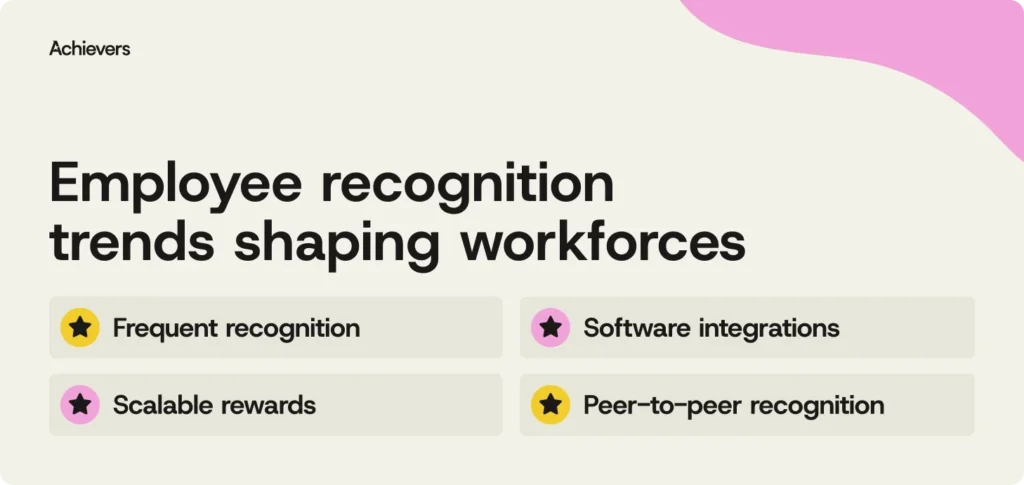
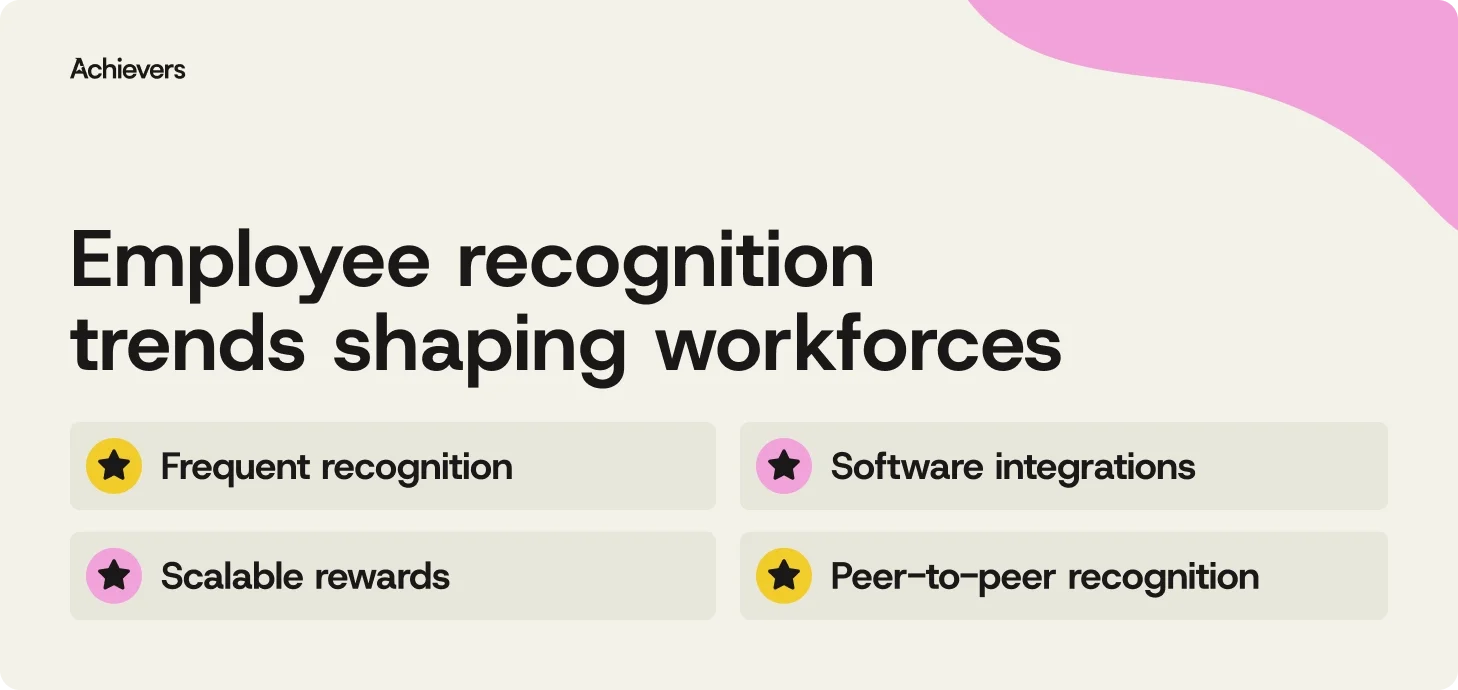
The Rise of Frequent and Micro-Recognition
The era of the annual performance review as the sole arbiter of appreciation is rapidly fading. Employees today expect and actively seek praise more regularly, with annual evaluations no longer sufficient to acknowledge ongoing contributions. In 2026, frequent recognition has transitioned from an exceptional gesture to a standard expectation.
Beyond acknowledging major achievements, a significant trend is the embrace of "micro-recognition." This involves celebrating everyday contributions, immediate successes, and incremental progress in real-time. These smaller, more frequent moments of acknowledgment accumulate, fostering a pervasive culture where appreciation is consistently visible and deeply ingrained. The Achievers Workforce Institute’s research further substantiates this, indicating that employees who receive weekly recognition are 2.6 times more likely to operate at their most productive levels. The beauty of frequent recognition lies in its scalability; it does not necessitate complex or resource-intensive initiatives. Organizations are increasingly implementing strategies such as:
- Daily or weekly team huddles: Incorporating brief moments for shout-outs and acknowledgments.
- Dedicated communication channels: Utilizing platforms like Slack or Microsoft Teams for real-time praise.
- Managerial check-ins: Empowering managers to weave recognition into regular one-on-one conversations.
- Automated reminders: Leveraging technology to prompt managers and peers to offer recognition.
Personalization and Purpose: The New Hallmarks of Recognition
Generic praise, such as a simple "great job," is losing its efficacy. Employees now seek specific feedback that articulates precisely what they did well and, crucially, why their contribution mattered. This personalized and purposeful approach to recognition not only reinforces desired behaviors but also significantly increases the likelihood of their recurrence.
To cultivate a habit of meaningful recognition, organizations are focusing on:
- Specificity: Encouraging recognition that details the action, its impact, and its alignment with company values.
- Timeliness: Providing feedback and acknowledgment as close to the event as possible.
- Contextualization: Explaining how an individual’s contribution fits into the larger team or organizational goals.
- Alignment with Values: Explicitly linking recognition to the company’s core principles and desired culture.
Seamless Integration into the Tech Stack
A fundamental shift in employee recognition is its integration into existing technological infrastructures. Recognition is no longer relegated to a separate, standalone program but is increasingly embedded within the applications and platforms employees use daily. This seamless integration eliminates friction, requiring no extra clicks or logins, and makes recognition an organic part of the workflow, thereby becoming second nature.

Leading companies are adopting strategies that include:
- Integration with collaboration tools: Embedding recognition features directly into platforms like Slack, Microsoft Teams, or Google Workspace.
- HRIS integration: Connecting recognition programs with Human Resource Information Systems for streamlined data management and employee profiles.
- Project management software integration: Allowing for recognition tied directly to project milestones and deliverables.
- Single Sign-On (SSO): Simplifying access and ensuring a consistent user experience.
Scalable, Personalized Rewards
While a branded mug might serve as a token gesture for some, it often ends up unused for others. In 2026, the emphasis is on rewards that are truly personal and resonate with individual preferences. This shift towards personalized rewards acknowledges the diverse motivations and needs of a modern workforce.
Effective organizations are implementing personalized reward strategies by:
- Offering choice: Providing employees with a catalog of reward options, ranging from gift cards and experiences to professional development opportunities and charitable donations.
- Points-based systems: Allowing employees to accrue points that can be redeemed for a variety of rewards.
- Tiered recognition: Implementing different levels of recognition and associated rewards for varying degrees of achievement.
- Personalized experiences: Tailoring rewards to individual interests, such as tickets to a concert, a spa day, or a contribution to a chosen charity.
This approach is particularly crucial for supporting remote and global teams, granting employees the flexibility to select rewards that hold personal meaning, irrespective of their geographical location or work setting.
Embracing Accessible Employee Recognition Platforms
For recognition programs to be truly effective, they must be universally accessible. Programs that are limited to office-based employees or specific departments exclude a significant portion of the workforce, undermining their intended impact. Modern recognition initiatives are designed for inclusivity, catering to employees across various devices, locations, and languages.
This necessitates platforms with:
- Mobile accessibility: Ensuring recognition can be given and received on smartphones and tablets.
- Multilingual support: Offering the platform in multiple languages to accommodate a global workforce.
- Offline capabilities: Allowing for recognition to be logged even without constant internet connectivity for deskless workers.
- User-friendly interfaces: Designing intuitive platforms that are easy for all employees to navigate.
When recognition is truly accessible, it actively supports every member of the organization, including frontline and deskless workers who are often overlooked by traditional, office-centric programs.
The Power of Peer-to-Peer Recognition
Peer recognition plays a pivotal role in forging stronger connections, boosting team morale, and reinforcing shared organizational values. Research consistently demonstrates its impact: employees who are regularly recognized by their peers are 33% more likely to feel a sense of belonging compared to those who are not.
To foster a culture of peer-powered appreciation, organizations are:
- Promoting peer recognition: Actively encouraging employees to acknowledge and celebrate each other’s contributions.
- Providing easy-to-use tools: Implementing platforms that make giving and receiving peer recognition simple and immediate.
- Highlighting peer-nominated achievements: Showcasing exemplary peer recognition in company communications.
- Integrating peer feedback: Incorporating peer feedback into performance discussions where appropriate.
Strategic Promotion of Recognition Programs
Even the most well-designed recognition program will falter if employees are unaware of its existence or its value. A lack of visibility directly impacts engagement with the program. The solution lies in treating the recognition program as an internal marketing campaign. According to AWI research, the frequency of recognition is directly correlated with performance, retention, and belonging, but this correlation is contingent upon active employee participation.
The most effective companies are implementing strategies such as:
- Leadership buy-in and modeling: Encouraging senior leaders to actively participate in and champion the recognition program.
- Consistent communication: Regularly highlighting the program’s benefits, success stories, and how to use it through various internal channels.
- Onboarding integration: Introducing the recognition program to new hires as a core component of the company culture.
- Gamification elements: Incorporating elements like leaderboards or challenges to drive engagement and friendly competition.
Visible recognition is more likely to be repeated, and when leadership actively models this behavior, it creates a powerful ripple effect throughout the organization.
Leveraging Recognition Data for Strategic Decisions
Leading organizations are moving beyond simply implementing recognition programs to actively analyzing the data they generate. By tracking recognition frequency, sources (manager-initiated vs. peer-initiated), and trends across demographics and teams, companies gain invaluable insights. This data informs talent strategies, identifies areas for improvement, and highlights high-performing individuals and teams. The 2026 Engagement and Retention Report from AWI underscores the critical role of recognition data, revealing that employees who feel appreciated are 17 times more likely to envision a long-term career at their company.
To make recognition data actionable, organizations are:
- Analyzing trends: Identifying patterns in recognition frequency, types of recognition given, and sources of recognition.
- Segmenting data: Examining recognition data across different departments, roles, and demographics to identify disparities or areas of success.
- Sharing insights with leadership: Presenting data-driven findings to inform talent management decisions and strategic planning.
- Benchmarking: Comparing recognition metrics against industry standards and best practices.
Future Trends in Employee Engagement Technology
The technological landscape is continually evolving, and its intersection with employee engagement is no exception. Several key trends are poised to further shape how organizations foster a connected and motivated workforce.
AI’s Growing Role in Employee Engagement
Artificial intelligence is not poised to replace human interaction in employee engagement but rather to augment it. AI tools are making it easier for employees to recognize peers and are empowering leaders with deeper insights into employee sentiment and engagement data. The 2026 State of Employee Recognition Report indicates that 14% of employees already find AI tools beneficial for facilitating recognition. As AI becomes more sophisticated, its role will likely expand to behind-the-scenes support, streamlining engagement processes and reducing friction. According to IBM, employees are 34% more likely to adopt new business structures when engagement is a core component of the transformation.
Analytics and Data as Key Engagement Signals
Engagement data, encompassing recognition activity, feedback patterns, and sentiment analysis, is becoming a critical tool for understanding the employee experience over time. This data provides granular insights into connection, participation, and engagement levels across various teams and roles. As analytics become more accessible and interpretable, engagement data will transition from a periodic reporting tool to a dynamic resource that informs ongoing decisions related to culture, performance, and retention.
Employee Development Through Continuous Engagement
The focus on employee development is intensifying as individuals seek to acquire new skills and adapt to evolving job roles. Growth is no longer confined to formal training programs or annual reviews. Recognition and feedback, delivered in the moment, can effectively highlight strengths, emerging skills, and impactful contributions, enabling employees to better understand their professional development trajectory through their day-to-day work. Engagement technology will increasingly support this by enabling both employees and leaders to visualize progress over time, facilitating ongoing development conversations throughout the year.
Prioritizing Wellbeing and Psychological Safety
Wellbeing and psychological safety are paramount as employees increasingly assess their level of support within the workplace. Feeling recognized and appreciated is a significant contributor to this, with 24% of employees indicating that recognition would boost their confidence during periods of change, according to AWI research. Moving forward, engagement technology will be more deliberately employed to reinforce wellbeing through regular, everyday interactions. Recognition and feedback mechanisms will help identify early signs of stress or disengagement, reinforcing positive behaviors that cultivate trust and inclusion. Ultimately, these tools will play a more substantial role in shaping employees’ perceptions of support and psychological safety as an integral part of their work experience.
The Evolution of Continuous Feedback and Engagement
The demand for frequent feedback is growing as employees seek clarity and direction while actively engaged in their tasks. Engagement technology facilitates the timely delivery of recognition and feedback, enabling employees to understand what is working well and where they are making an impact. Feedback is evolving to feel more natural and ongoing. Engagement software platforms will continue to support regular, lightweight feedback exchanges throughout the year, helping teams maintain alignment amidst shifting priorities. Over time, feedback will become an embedded aspect of daily work rather than an activity confined to formal review cycles.
Achievers: A Platform Built for Today’s Recognition Trends
The contemporary trends in employee recognition reflect a fundamental evolution in the workplace, and successfully implementing these shifts requires the right technological tools. Achievers offers a comprehensive platform meticulously designed to meet the expectations of today’s workforce, emphasizing frequent recognition, meaningful rewards, and personalized experiences that transcend transactional interactions.
The Achievers platform provides:
- Integrated recognition solutions: Seamlessly blending social recognition, service awards, and performance-based programs.
- Personalized reward options: A diverse catalog empowering employees to choose rewards that are meaningful to them.
- Data-driven insights: Robust analytics to track program effectiveness and inform strategic decisions.
- Global accessibility: A platform designed for inclusivity across all employee segments.
- Seamless integration capabilities: Compatibility with existing HR and collaboration technologies.
Achievers aims to connect people to purpose and actively shape organizational culture through consistent, impactful moments of appreciation.
Bringing Recognition Trends to Life
The trends shaping employee recognition in 2026 are geared towards creating workplaces where individuals feel seen, supported, and connected to a larger mission. When recognition is consistent, personal, and easily administered, it yields benefits far beyond enhanced morale; it drives performance, fosters trust, and cultivates long-term loyalty.
Fortunately, organizations do not have to navigate this transformation alone. Whether embarking on the journey of establishing a recognition program or seeking to elevate an existing one, Achievers provides the essential tools, strategic insights, and dedicated support to build a recognition culture that endures.