The traditional paradigms of employer branding and talent acquisition are undergoing a profound transformation, moving beyond superficial allure to embrace genuine candidate relationships and strategic efficiency. While a recent industry webinar revealed that only 9% of attendees identified strengthening employer brand as their top priority for 2026, this metric does not signal its demise; rather, it underscores a critical evolution in what employer branding fundamentally represents. The focus is shifting from a decade-old foundation built on flashy campus presentations and candidate giveaways to a more integrated, experience-driven approach where the hiring process itself becomes the most potent brand ambassador.
The Metamorphosis of Employer Branding
Historically, employer branding efforts often revolved around highly visible, often expensive, external campaigns designed to project an attractive corporate image. This included lavish career fair booths, branded merchandise, and extensive marketing budgets aimed at creating a ‘cool’ or ‘aspirational’ perception. While these tactics held sway in a candidate market less saturated with digital information and peer reviews, the contemporary landscape demands a deeper, more authentic engagement. The digital age, coupled with the rising influence of Gen Z in the workforce, has fundamentally altered candidate expectations. Today’s job seekers are not merely looking for a job; they are seeking purpose, transparency, and a respectful experience from their very first interaction with a potential employer.
The modern employer brand is no longer solely an external marketing function. It is intrinsically woven into every touchpoint of the candidate journey and, by extension, the employee lifecycle. Key elements that now reflect an organization’s employer brand include:
- The Clarity and Accessibility of Job Descriptions: Are they honest, engaging, and reflective of the actual role and company culture?
- The Application Process: Is it streamlined, intuitive, and respectful of a candidate’s time?
- Communication During the Hiring Cycle: Are candidates kept informed with timely updates, personalized feedback, and clear next steps?
- The Interview Experience: Are interviews structured, fair, and conducted by prepared, empathetic interviewers?
- The Offer and Onboarding Process: Is the transition into the company seamless, supportive, and reflective of the employer’s stated values?
- Employee Testimonials and Reviews: Platforms like Glassdoor, LinkedIn, and internal employee advocacy programs offer unfiltered insights that carry significant weight.
- Company Culture and Values: How genuinely are these lived out by current employees and leadership?
In essence, an organization’s hiring process has become its most direct and impactful brand statement. A meticulously crafted social media campaign or a generous on-campus swag distribution pales in comparison to the negative perception fostered when candidates are left in a communication void for weeks, or navigate a convoluted, impersonal application system. The immediate, transparent, and human interactions a candidate experiences form the bedrock of their perception of the employer, shaping not only their decision to join but also their willingness to advocate for or against the company in their professional networks.
The Hidden Tension: Balancing Applicant Volume with Candidate Experience
The conclusion of the most recent fall recruiting season has brought to light a significant underlying tension within talent acquisition: the escalating volume of applicants versus the imperative to maintain a high-quality candidate experience. As economic uncertainties and shifts in the labor market continue, many organizations are reporting a surge in application numbers for early talent roles. Concurrently, there is an expanding reliance on automation to manage this influx, creating a precarious balance where candidate experience is increasingly at risk.
Data from the recruiting season indicates that nearly half (49%) of recruiting teams feel overwhelmed by the sheer volume of applications. This overwhelming burden directly impacts crucial aspects of the candidate journey. When teams are stretched thin, response times inevitably lengthen, personalized communication becomes a luxury, and thoughtful interview feedback often gets deprioritized or omitted entirely. This operational strain creates a significant disconnect between what recruiters are capable of delivering and what modern candidates, particularly Gen Z talent entering the workforce, have come to expect.
Gen Z, a demographic that has grown up with instant digital communication and on-demand services, enters the professional world with an inherent expectation for processes that are fast, human, and transparent. They are less forgiving of opaque hiring practices or protracted waiting periods. The challenge for talent acquisition leaders looking towards 2026 is therefore multifaceted: it’s not merely about efficiently processing a larger number of applicants, but about doing so without transforming the experience into a "black box" where candidates feel unheard, undervalued, and ultimately, disrespected.
This dilemma underscores the critical need for a strategic approach to automation. The objective should not be cold, dehumanizing efficiency achieved through indiscriminate automation, but rather "scalable personalization." This involves leveraging technology to automate repetitive administrative tasks, thereby freeing up recruiters to focus on the high-value, human-centric aspects of their role: building relationships, providing meaningful feedback, and guiding candidates through a positive experience. Intelligent automation can facilitate personalized communication at scale, ensuring timely updates and relevant information without overwhelming human teams.
Strategic Imperatives for 2026 Planning
As organizations embark on their strategic planning for 2026, the insights gleaned from recent recruiting cycles necessitate a re-evaluation of established practices. The current environment demands proactive questioning and innovative solutions to address the evolving landscape of talent acquisition. Key questions worth asking during these critical planning conversations include:
- How are we leveraging data and analytics to gain a deeper understanding of our candidate pipeline, identify bottlenecks, and measure the effectiveness of our engagement strategies? This goes beyond simple metrics like time-to-hire, delving into candidate satisfaction scores, offer acceptance rates by source, and the long-term performance of hires from specific channels.
- What technological investments are essential to enable scalable personalization, rather than merely automating for cost reduction? This involves exploring advanced Applicant Tracking Systems (ATS), Candidate Relationship Management (CRM) tools, AI-powered chatbots for initial screening and FAQs, and communication platforms that allow for tailored messaging.
- How are we empowering our recruiting teams to transition from transactional processors to strategic relationship builders and brand ambassadors? This might involve re-skilling initiatives, providing better tools, and adjusting performance metrics to prioritize candidate experience alongside hiring targets.
- What is our Employee Value Proposition (EVP), and how authentically is it communicated and experienced throughout the entire candidate and employee journey? A strong EVP must be more than marketing rhetoric; it must be a lived reality that resonates with the aspirations of modern talent.
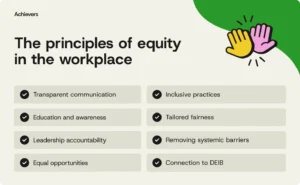
- How are diversity, equity, and inclusion (DEI) principles embedded into every stage of our hiring process, ensuring fairness, transparency, and access for all candidates? This includes reviewing job descriptions for biased language, implementing structured interviews, and ensuring diverse interview panels.
- Are our leaders and hiring managers adequately trained and aligned on the importance of candidate experience as a critical component of our employer brand? Their active participation and commitment are vital for a consistent, positive experience.
The era of "we’ve always recruited this way" is unequivocally over. The organizations poised to thrive in 2026 will be those that embrace fundamental shifts in their talent acquisition philosophy and operations. This means transforming application overload into structured, navigable pipelines, converting raw recruiting data into executive-ready insights that demonstrate tangible business value, and recognizing efficiency not merely as a cost-cutting measure but as a strategic advantage that enhances candidate experience and attracts superior talent.
Broader Impact and Future Outlook
The insights from the recent fall recruiting season underscore two critical realities for organizations globally: first, interest in early talent roles remains robust, indicating a healthy pipeline for future leadership and innovation; and second, recruiting teams are operating under immense pressure to consistently prove their value and impact on the bottom line. This dual dynamic necessitates a strategic reorientation of talent acquisition functions.
The strong interest from early talent, particularly Gen Z, presents both an opportunity and a challenge. While a large applicant pool can seem advantageous, it only yields positive results if organizations possess the infrastructure and strategy to identify, engage, and convert the right candidates. These are individuals whose skills, values, and potential align with the company’s long-term objectives and culture. Failure to effectively manage this volume with a human-centric approach risks alienating top prospects, damaging employer brand, and ultimately hindering the ability to secure the talent necessary for future growth.
Furthermore, the heightened pressure on recruiting teams to prove value means that traditional, qualitative measures are no longer sufficient. Talent acquisition is increasingly expected to demonstrate quantifiable returns on investment, linking hiring strategies directly to business outcomes such as productivity, innovation, retention, and market competitiveness. This requires a sophisticated approach to data analytics, transforming raw recruitment metrics into strategic insights that inform executive decision-making and justify investments in talent programs and technology.
Industry analysts widely concur that organizations that fail to adapt to these evolving dynamics risk significant setbacks in the fierce competition for talent. The ability to turn application overload into structured pipelines, convert data into actionable insights, and treat efficiency as a strategic enabler rather than a cost-cutting imperative will differentiate market leaders from those that lag.
Ultimately, success in today’s dynamic talent market is not merely about attracting the largest number of candidates; it is about attracting the right candidates. It’s about cultivating a hiring process that is so compelling and respectful that it consistently transforms these ideal candidates into quality hires—individuals who will not only fill immediate vacancies but also contribute meaningfully to the company’s innovation, culture, and long-term success for years to come. The future of talent acquisition is therefore a strategic imperative, demanding continuous innovation, a deep understanding of candidate psychology, and an unwavering commitment to a superior, human-centered experience. The conversation around these pivotal shifts will undoubtedly continue to evolve, shaping the workforce of tomorrow.