For decades, the Human Resources (HR) profession has grappled with a persistent narrative of obsolescence, often characterized as "useless," "a waste of time," or "going away." This perception frequently stems from a misunderstanding by many managers who believe they possess innate expertise in HR domains. This sentiment was recently amplified at the SHRM (Society for Human Resource Management) conference, where a Bloomberg report highlighted a CEO’s assertion that "the field of HR faces extinction," urging HR professionals to adapt. However, extensive research and real-world data paint a starkly different picture, indicating that while HR is undergoing a significant transformation, its importance is not diminishing but rather increasing, with job demand on the rise.
The Shifting Narrative: Data Challenges Perceptions of HR’s Decline
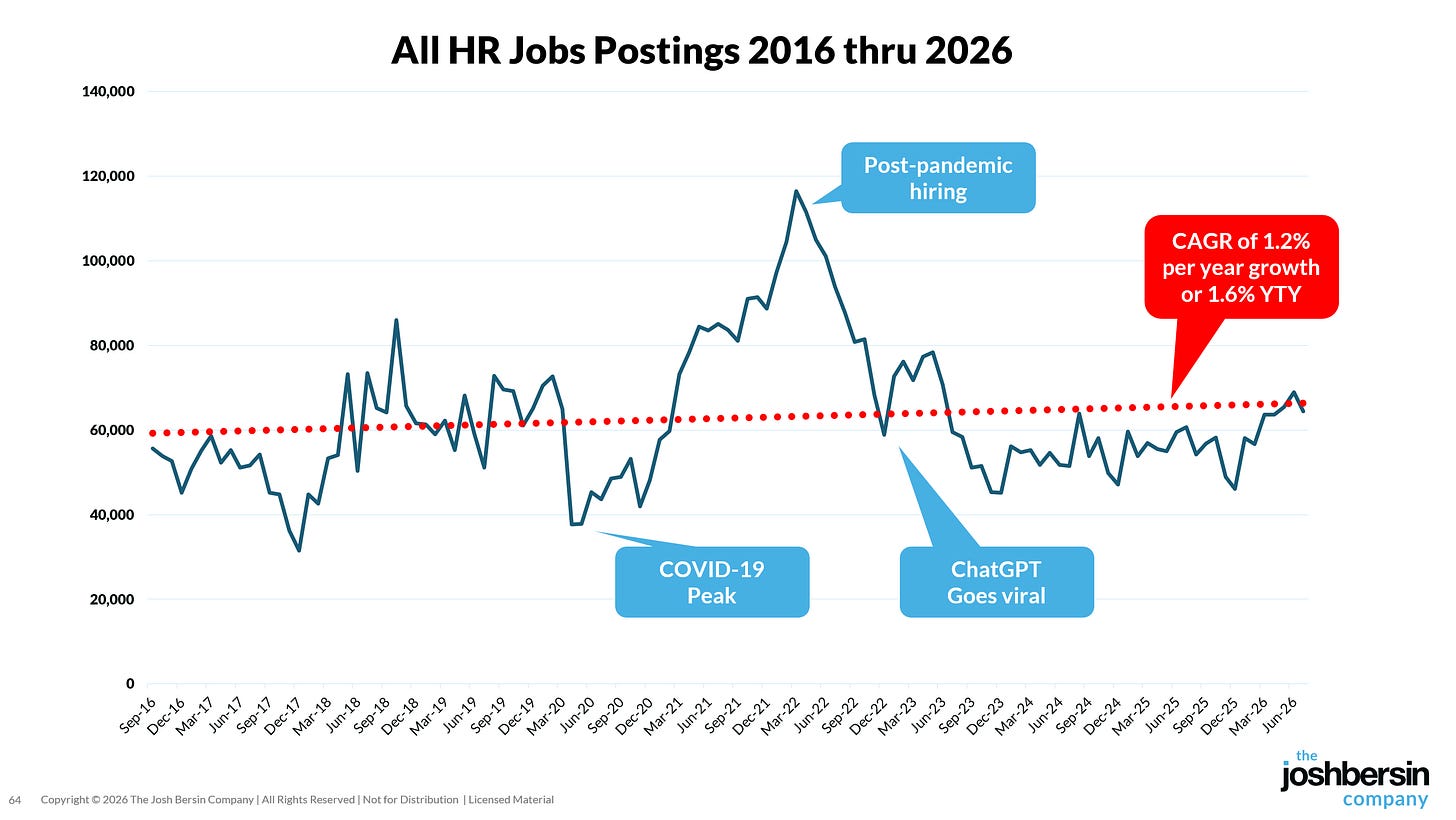
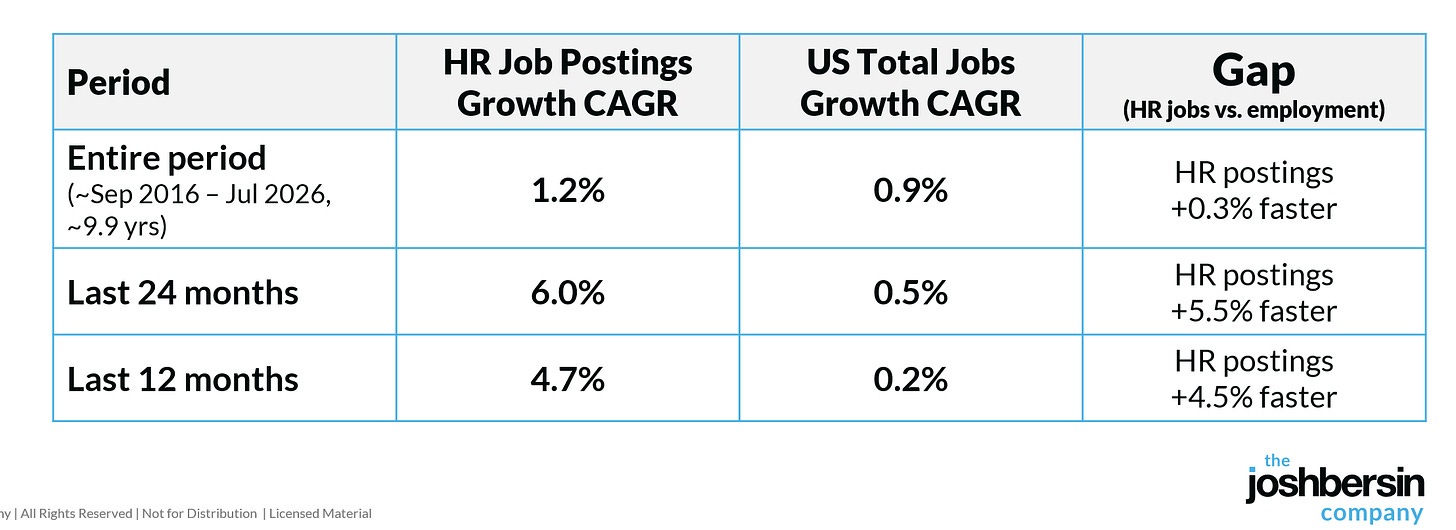
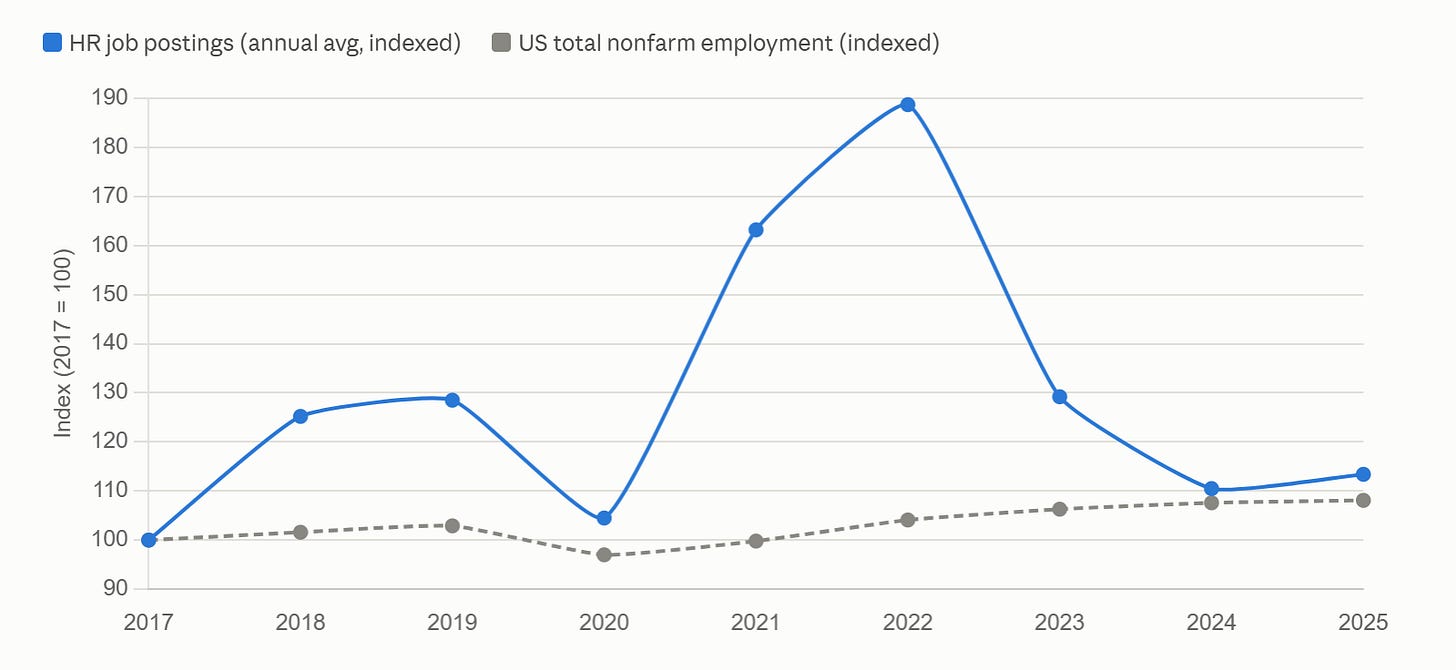
The prevailing notion of HR’s demise is being directly challenged by concrete data. Analysis of job posting trends over the past two decades reveals a consistent, albeit modest, compound annual growth rate of approximately 1.2% for HR-related positions. This includes roles spanning recruitment, training and development, HR technology, and general HR professionals.

More strikingly, in the last 24 months – a period marked by the rapid emergence and application of artificial intelligence (AI) – the growth rate in HR job postings has accelerated to an impressive 6%. This surge significantly outpaces the growth of the overall U.S. workforce, suggesting that HR roles are not only surviving but thriving.
Comparative Growth: HR vs. Overall Employment
To contextualize this growth, a comparison with total U.S. employment is illuminating. While the overall U.S. workforce experiences its own growth trajectory, the data clearly indicates that HR jobs are expanding at a faster pace. This suggests an increasing strategic imperative for HR functions within organizations.
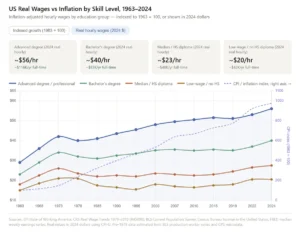
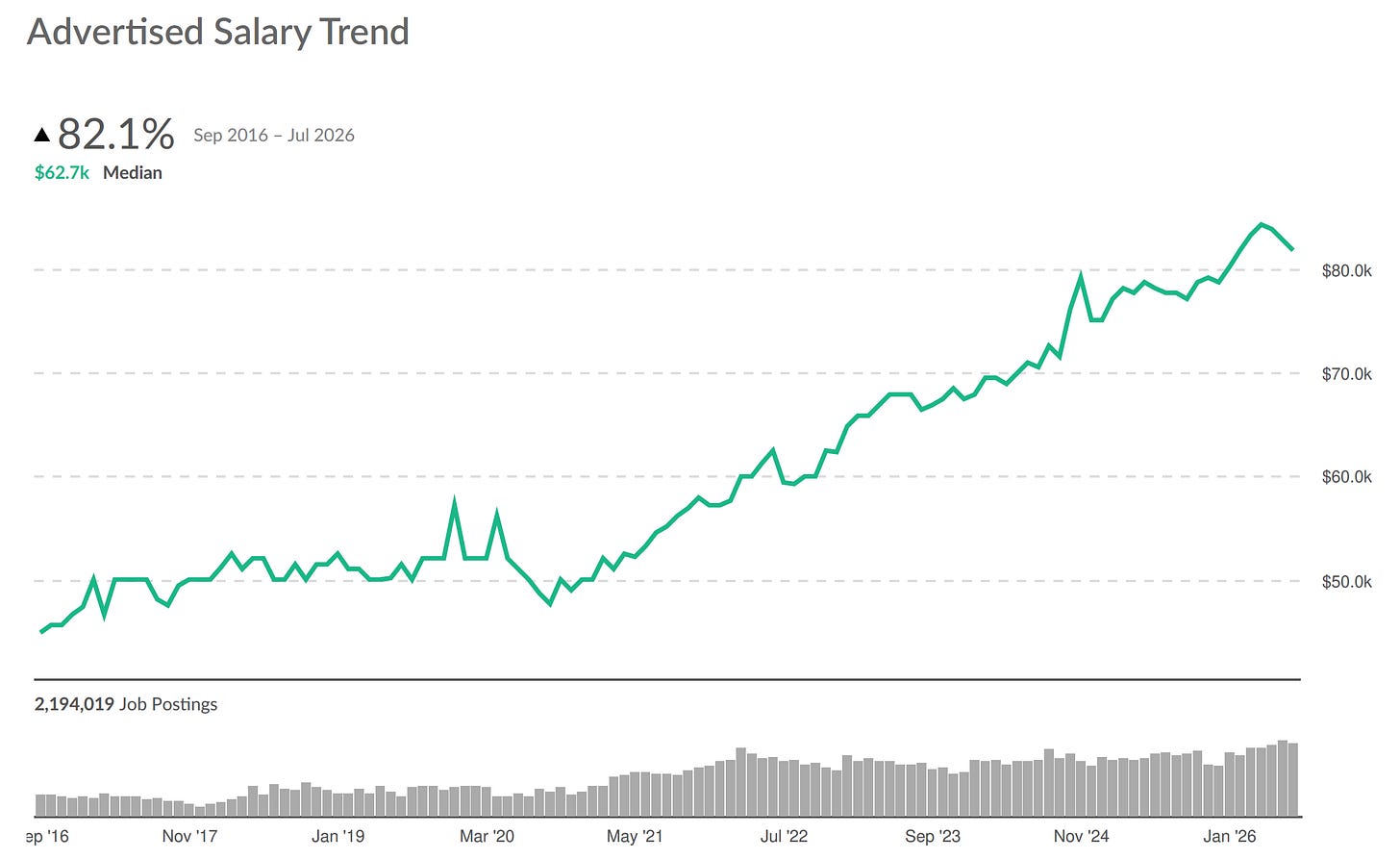
Further underscoring the rising value of HR professionals, salary data corroborates this trend. Over the past two decades, HR salaries have seen a substantial increase of 82%, averaging a compounded annual growth of 3.1%. This growth rate outpaces the U.S. inflation rate of 66% (2.1% compounded annually), indicating that HR professionals are experiencing real wage growth and their compensation is keeping pace with, and often exceeding, the cost of living. This contrasts with the stagnant or declining real wages experienced in many other professions.
Understanding the Transformation: AI as an Enabler, Not a Replacement
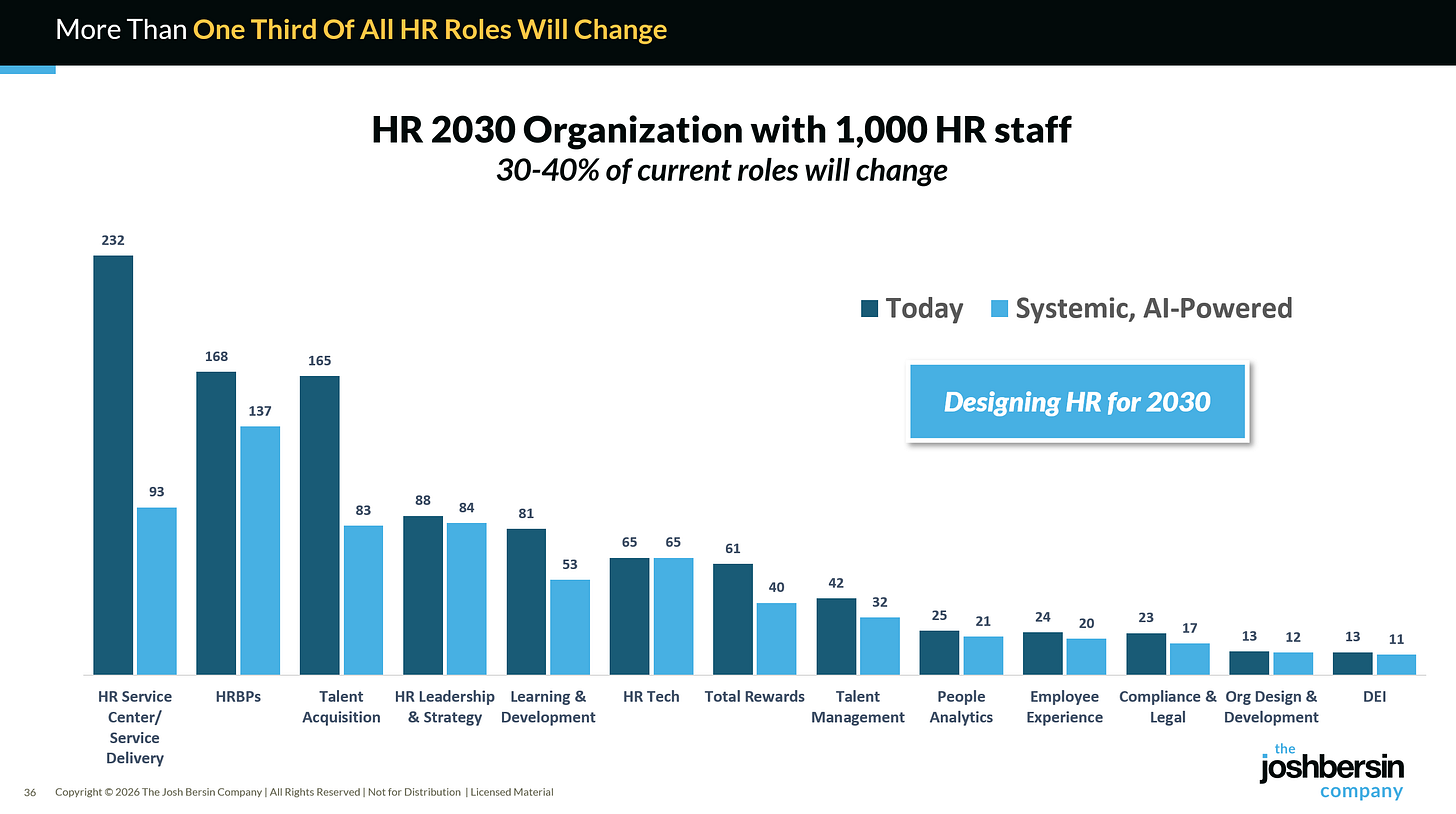
The assertion that AI will lead to HR’s extinction overlooks the fundamental nature of the profession’s evolution. The roles most susceptible to automation are those involving administrative and transactional tasks, which constitute approximately 30-40% of traditional HR functions. These include positions like HR administrators, HR assistants, recruiting coordinators, and training administrators. These roles, characteristic of the industrial age, were primarily focused on managing processes related to hiring, compensation, training, and employee support.
However, the narrative of displacement is incomplete. As these administrative functions become increasingly automated by AI and other technologies, HR professionals are shifting their focus towards more strategic, high-value activities. This transformation is not about eliminating jobs but about redefining them and elevating their impact within organizations.
The Rise of the "Superworker" in HR
The evolving HR landscape is creating new, more impactful roles. For instance, HR service center agents and HR business partners are now equipped to handle more complex issues, dedicating in-depth attention to critical areas like employee performance management and personalized support for employee needs. Companies are witnessing HR personnel move away from routine inquiries to engage in more nuanced problem-solving.
Similarly, Learning & Development (L&D) managers and instructional designers are transitioning from traditional course authoring to developing dynamic, real-time support tools and simulations. This allows for more agile and immediately applicable learning solutions, rather than lengthy, resource-intensive course development cycles. This shift is exemplified by companies that are now generating concise videos and content for immediate use by sales, support, and engineering teams, enhancing operational efficiency.
Talent acquisition teams are also undergoing a metamorphosis. Recruiting coordinators and schedulers are being redeployed into more strategic roles, such as conducting real-time interviews and leveraging data analytics to identify top candidates more effectively and enhance the candidate experience. The demand for skilled recruiters remains high, with many organizations opting for more in-person interviews to mitigate candidate fraud and secure higher-quality talent, a trend where AI interviewers have not met initial expectations.
Internal analytics, compensation analysis, and employee engagement teams are moving beyond traditional survey design and benchmark analysis. They are increasingly focused on interpreting real-time data generated within their own organizations to proactively address issues of employee attrition and disengagement, rather than relying on external consultants.
HR Business Partners are evolving into senior consultant roles, leveraging advanced tools to provide leadership and management with sophisticated support. Technologies like Galileo, an AI agent designed for HR and leadership, are assisting in streamlining access to policies and advice, freeing up HR professionals for more strategic initiatives.
The Strategic Imperative: HR as the Architect of Change
The data strongly suggests that AI is not a harbinger of HR’s demise but rather a catalyst for its evolution and empowerment. As the article posits, "AI is not eliminating jobs – it’s empowering people to do more." This empowerment allows HR professionals to transition from administrative gatekeepers to strategic partners, driving organizational change and employee development.
The core of HR’s enduring relevance lies in its inherent expertise in managing change, fostering development, and redesigning work processes. In an era defined by rapid technological advancement and evolving workforce dynamics, these capabilities are more critical than ever. Organizations that embrace this transformation will find their HR functions becoming indispensable engines of growth and resilience.
Background and Chronology of the AI Discussion in HR
The conversation around AI’s impact on employment has been escalating for several years. Initially, concerns focused on widespread job displacement across various sectors. However, as AI technologies mature, a more nuanced understanding is emerging: AI is adept at automating routine, data-intensive tasks, but it often struggles with the complex, human-centric aspects of work that require creativity, empathy, and strategic judgment.
The SHRM conference, a significant event for HR professionals, served as a focal point for this ongoing debate. The statement attributed to a CEO regarding HR’s potential extinction, as reported by Bloomberg, reflects a perspective that, while perhaps alarmist, highlights the perceived need for the profession to adapt. This statement likely emerged from discussions about the efficiency gains AI can bring to transactional HR tasks, potentially leading some to extrapolate this efficiency to a complete obsolescence of the human element.
However, this perspective often fails to account for the strategic and human-centric roles that are fundamental to effective HR management. Research initiatives, such as the "HR 2030" study and the upcoming book "Superpowered," aim to provide a data-driven counterpoint to such anxieties, emphasizing the growing importance and demand for skilled HR professionals. These initiatives often highlight that the "AI revolution" is creating new opportunities for HR to focus on higher-level strategic contributions.
Implications for the Future of Work
The trends indicate a significant restructuring of the HR profession. The future of HR lies in its ability to leverage technology to enhance human capabilities, rather than being replaced by them. This involves:
- Strategic Partnership: HR will increasingly function as a strategic partner to business leaders, contributing to talent strategy, organizational design, and change management.
- Data-Driven Decision Making: With advanced analytics and AI tools, HR will be able to make more informed decisions regarding workforce planning, talent development, and employee engagement.
- Focus on Employee Experience: As administrative burdens decrease, HR can dedicate more resources to cultivating a positive and productive employee experience, which is crucial for talent retention and organizational success.
- Continuous Learning and Adaptation: HR professionals will need to embrace continuous learning to stay abreast of technological advancements and evolving workforce needs, ensuring they remain at the forefront of organizational development.
The data paints a clear picture: HR is not facing extinction but rather a profound and positive transformation. By embracing technological advancements and refocusing on strategic, human-centric contributions, the HR profession is poised to become even more vital and influential in the future of work. The ongoing evolution of HR underscores its adaptive nature and its critical role in navigating the complexities of the modern business landscape.