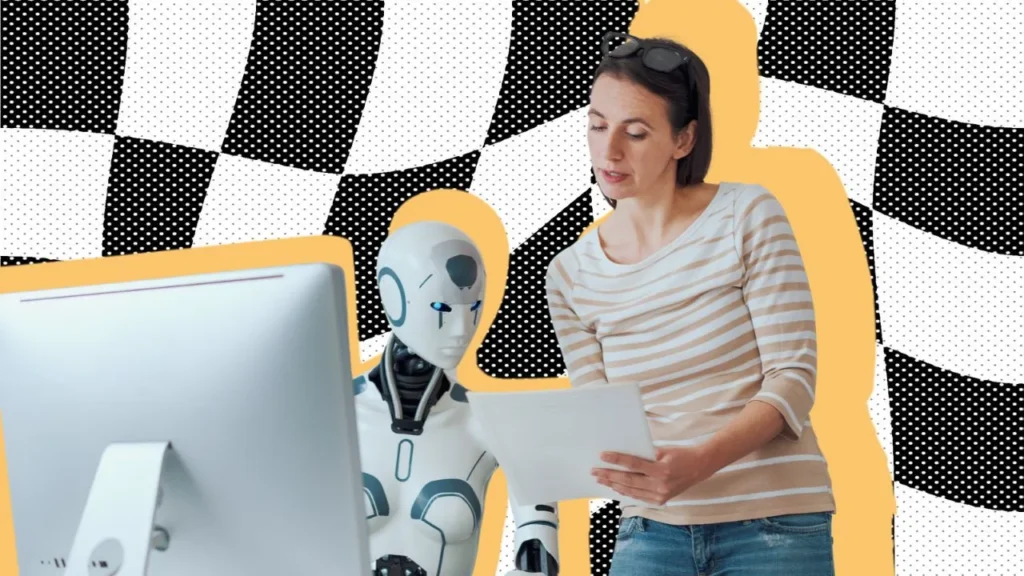
Artificial intelligence is no longer a distant concept; it is actively reshaping the modern workplace for a significant majority of U.S. workers. However, a new survey reveals a concerning trend: while AI’s impact is already being felt, a substantial portion of the workforce is navigating this profound shift largely on their own, with employers often falling short in providing adequate preparation and training. The findings underscore a growing disconnect between the rapid advancement of AI and the proactive measures taken by businesses to equip their employees for this new era.
A comprehensive survey conducted on behalf of Campbellsville University paints a vivid picture of AI’s current and perceived future influence on the American labor landscape. The study found that an overwhelming 61% of U.S. workers have already witnessed changes in their workplace directly attributable to artificial intelligence. This widespread integration has understandably fostered a degree of apprehension. Nearly a quarter of respondents, specifically 24%, expressed being "very or extremely concerned" about AI’s potential effects on their job security or overall career trajectory. Furthermore, a notable 14% indicated that they are already in the process of rethinking their career paths due to the escalating presence of AI technologies.
This sentiment of unease is particularly pronounced among younger demographics. Generation Z, the cohort that has grown up in an increasingly digital world, is reporting some of the most acute concerns regarding job security in the face of AI advancements. Thirty percent of Gen Z workers stated that AI has made their jobs feel less secure, a figure that significantly outpaces the overall workforce average of 20%. This heightened anxiety is likely rooted in their earlier entry into the workforce and their direct exposure to emerging technologies that are poised to automate tasks previously considered human-exclusive.
Gen Z also emerged as the generation most inclined to consider a career pivot due to AI. Seventeen percent of this demographic reported actively re-evaluating their professional paths, a statistic that suggests a proactive, albeit potentially anxious, response to the evolving job market. This willingness to adapt early on could position them advantageously, provided they can access the necessary skills and opportunities to transition into AI-augmented or AI-resistant roles.
Beyond generational differences, specific industries are also experiencing varying levels of concern. Workers within the technology and software sectors reported the highest degree of apprehension. A substantial 36% of these professionals identified themselves as "very or extremely concerned" about AI’s impact on their careers. This is unsurprising, given that these are often the very industries at the forefront of AI development and implementation, making them both the creators and potentially the most directly affected by its disruptive potential.
Generational Divide: Gen Z Faces Heightened AI Anxiety
The integration of artificial intelligence into the workplace is not a monolithic experience; it carries different weight and generates distinct anxieties across various demographic groups. For Generation Z, a cohort characterized by its digital nativity and early engagement with advanced technologies, the advent of AI has amplified concerns about job security and career stability. The Campbellsville University survey highlights this generational divide, revealing that 30% of Gen Z workers feel their jobs have become less secure due to AI. This contrasts sharply with the overall workforce, where only 20% share this sentiment.
This heightened sense of vulnerability among younger workers can be attributed to several factors. Having entered the job market during a period of rapid technological advancement, Gen Z is acutely aware of AI’s capacity to automate routine tasks and potentially displace human workers in various roles. Their careers are also in their nascent stages, meaning they have less accumulated experience or established positions that might offer a buffer against technological disruption. The prospect of AI impacting their foundational career choices and future earning potential carries a more immediate and profound weight.
Furthermore, the survey indicates that 17% of Gen Z respondents are actively reconsidering their career paths due to AI. This proactive approach, while potentially stressful, suggests a generation that is more willing to adapt and seek out fields or roles that are perceived as more resilient to automation. This contrasts with older generations who may have longer-established careers and potentially greater inertia when considering significant professional changes. The pressure to adapt early is a defining characteristic of Gen Z’s relationship with the evolving labor market.
Industry-Specific Concerns: Tech Sector Leads Apprehension
The impact of AI is not uniformly distributed across all industries; certain sectors are experiencing more pronounced shifts and consequently, higher levels of worker concern. The technology and software industry, as expected, stands out as a sector where employees are most acutely aware of and anxious about AI’s influence. The survey data reveals that a significant 36% of professionals in this field report being "very or extremely concerned" about AI’s effect on their careers.

This elevated concern within the tech sector can be understood by examining the dual role these professionals often play. They are frequently the architects and implementers of AI technologies, meaning they possess an intimate understanding of its capabilities and potential for disruption. They are also directly exposed to the rapid pace of innovation, where new AI models and applications are developed and deployed with increasing frequency. This proximity to the cutting edge of AI development likely fuels a more immediate and tangible sense of the technology’s transformative power and its implications for their own roles.
Conversely, other industries may perceive AI’s impact as more gradual or less directly threatening to their core functions. However, the broad reach of AI means that virtually no sector remains untouched. As AI tools become more accessible and sophisticated, their integration into diverse fields, from healthcare to manufacturing to customer service, will continue to reshape job descriptions and required skill sets, prompting a wider ripple effect of adaptation and concern across the entire economy.
Perceived Resilience: Skilled Trades and Human-Centric Skills in Demand
Despite widespread concerns, workers are not uniformly viewing all occupations and skill sets as equally vulnerable to AI-driven automation. The survey data indicates a strong consensus regarding the perceived resilience of certain job categories and individual competencies. When asked which occupations they believed were most resistant to AI disruption, respondents overwhelmingly pointed towards skilled trades. Electrical and plumbing work, for instance, were cited by 51% of respondents as being highly resistant. This perception is likely due to the inherent manual dexterity, problem-solving in unpredictable physical environments, and on-site execution required in these professions, which are currently difficult for AI to replicate.
Physical and manual labor followed closely, with 37% of respondents identifying these roles as less susceptible to AI replacement. This aligns with the understanding that tasks requiring significant physical presence, adaptability to varied environments, and hands-on manipulation often necessitate human intervention. Similarly, direct patient care roles within the healthcare sector were ranked as resistant by 35% of participants. The empathetic interaction, nuanced communication, and critical judgment involved in caring for individuals are seen as deeply human qualities that AI, in its current form, struggles to emulate.
On an individual skill level, specialized trade skills were identified as most protected from AI disruption by 54% of respondents. This reinforces the broader occupational trend, highlighting the value placed on practical, hands-on expertise. Emotional intelligence, a cornerstone of effective interpersonal communication and relationship building, was recognized as a critical skill by 45% of workers. This suggests a growing awareness that as AI handles more technical and analytical tasks, the ability to understand, manage, and respond to human emotions will become increasingly vital. In stark contrast, only a modest 7% of respondents believed that technical IT strategy was among the most protected skills from AI, indicating a recognition that even in the tech realm, specific strategic roles might be susceptible to AI augmentation or automation.

The emphasis on human judgment is also a recurring theme in workers’ perceptions of future-proof skills. A significant 70% of respondents believe that ethical decision-making should remain a solely human responsibility, underscoring a deep-seated concern about delegating moral choices to artificial intelligence. Furthermore, 23% identified the ability to build trust with customers, teams, or clients as the most valuable worker attribute for the future. This points to a recognition that human connection, rapport, and the cultivation of reliable relationships are indispensable elements of professional success that transcend technological capabilities.
The Employer’s Role: A Training Gap Emerges
While a significant portion of the workforce is actively engaged in preparing for the AI-driven future, the survey reveals a substantial deficit in employer-provided support and training. The findings indicate that 58% of workers have already taken at least one proactive step to future-proof their careers. The most common action, reported by 37% of respondents, is learning to use AI tools themselves. This self-directed learning highlights the initiative workers are taking to stay relevant.
However, when it comes to the role of employers in this transition, the picture is less encouraging. A mere 12% of workers feel that their employers are providing "very good" training on AI tools or AI-related skills. Conversely, a concerning 30% of respondents stated that their employer is not training them adequately. This significant gap suggests that many businesses are not investing sufficiently in the upskilling and reskilling of their employees to meet the demands of an AI-integrated workplace.
The types of support that workers believe would be most beneficial further illuminate this gap. Formal AI training emerged as the most frequently selected form of support, with 18% of workers identifying it as crucial for their preparation. This directly addresses the observed deficiency in employer-provided training. Following closely, 17% of workers expressed a need for greater transparency from their employers regarding potential job changes and the strategic implementation of AI within the organization. This desire for open communication indicates that uncertainty and a lack of information are significant contributors to worker anxiety.
The implications of this employer-led training deficit are far-reaching. If businesses fail to invest in their workforce’s AI literacy and adaptability, they risk facing a skills gap that could hinder innovation, reduce productivity, and exacerbate employee disengagement. Workers who feel unprepared or unsupported are more likely to experience job dissatisfaction, seek employment elsewhere, or become casualties of technological displacement. This underscores the critical need for employers to recognize AI not just as a technological tool, but as a catalyst for workforce development and strategic human capital management.

Looking Ahead: The Imperative for Proactive Adaptation
The findings from the Campbellsville University survey offer a critical snapshot of the current state of AI integration in the U.S. workplace. They reveal a landscape where AI is already a palpable force, altering job functions and sparking widespread concern. The fact that a majority of workers have witnessed AI’s impact, coupled with a significant percentage feeling anxious about their careers, underscores the urgency of the situation.
The generational divide, particularly the heightened apprehension among Gen Z, highlights the need for tailored approaches to workforce development. This cohort, poised to form a substantial part of the future workforce, requires robust support systems to navigate the evolving employment landscape. Similarly, the disproportionate concern within the technology sector serves as an early warning signal for industries at the forefront of AI adoption.
The perceived resilience of skilled trades and human-centric skills offers valuable insights into areas where human expertise may remain indispensable. However, this should not lead to complacency. Even in these sectors, AI is likely to augment tasks, improve efficiency, and potentially create new roles. The key lies in understanding how AI can serve as a tool to enhance, rather than replace, human capabilities.
Ultimately, the most striking revelation is the significant disconnect between workers’ self-driven efforts to adapt and the perceived support from their employers. The low satisfaction with employer-provided AI training points to a critical area where businesses must invest more strategically. Failing to do so risks not only a disengaged and unprepared workforce but also a missed opportunity to harness the full potential of AI for both individual and organizational growth. The future of work is not a distant horizon; it is unfolding now, and proactive adaptation, driven by both individual initiative and robust employer support, will be the key to navigating its transformative journey.