
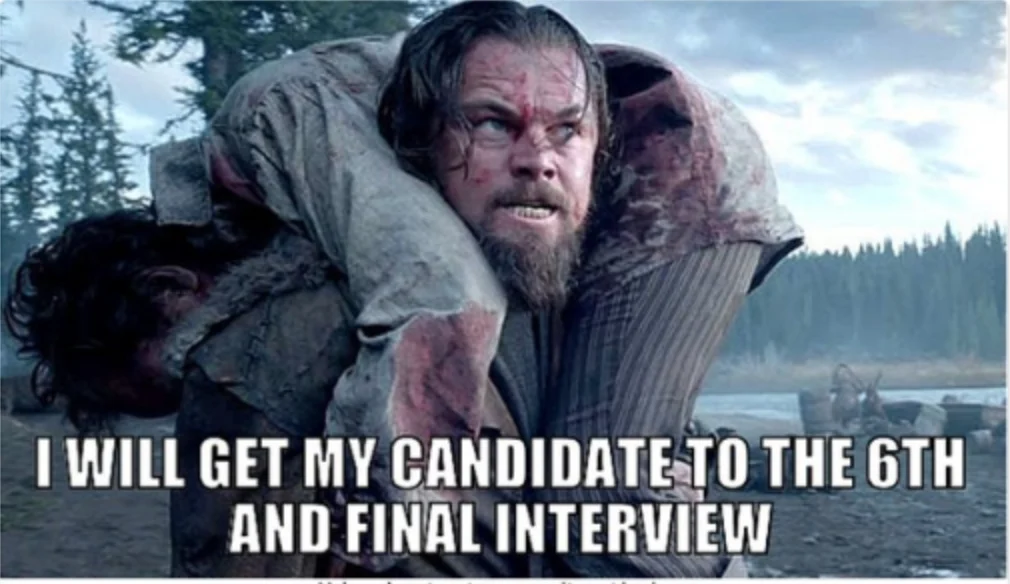
The world of talent acquisition, often perceived as a rigorous and data-driven field, also possesses a vibrant, humorous underbelly, frequently expressed through widely shared internet memes. These visual gags, circulating across professional platforms and social media, offer a candid, often satirical, look into the daily realities, frustrations, and triumphs experienced by recruiters, hiring managers, and candidates alike. Beyond their entertainment value, these memes serve as cultural touchstones, highlighting significant industry trends, persistent challenges, and evolving expectations within the modern job market. This article delves into the various facets of recruitment humor, examining how these popular images underscore critical aspects of the hiring process, from the initial candidate search to final job offers and broader shifts in workplace dynamics.
The Digital Landscape of Talent Acquisition: LinkedIn’s Enduring Role
A recurring theme in recruiter memes revolves around LinkedIn, the professional networking behemoth that remains a cornerstone of talent acquisition. Despite its occasional quirks and the love-hate relationship many professionals share with it, LinkedIn’s utility in the hiring ecosystem is undeniable. Industry surveys consistently highlight its importance; for instance, research indicates that a substantial 92.6% of HR professionals and recruiters consider a candidate’s LinkedIn profile at least "useful" in making hiring decisions. A significant 22.3% even deem these profiles "critical" for determining the best job fit. Memes often capture the essence of recruiters meticulously sifting through profiles, sometimes to the point of appearing as digital detectives, underscoring the platform’s pervasive influence in validating industry backgrounds and professional trajectories. The humorous portrayals reflect the meticulous, often time-consuming, nature of online sourcing and candidate vetting.
Decoding Candidate Dynamics: Hopes, Hurdles, and Humor
Memes frequently poke fun at the diverse behaviors and challenges presented by job candidates. From the "purple squirrel unicorn" – the mythical perfect candidate who checks every single box – to the candidate who expresses a "passion for not starving to death" during an interview, these jokes encapsulate the varied expectations and sometimes stark realities of job searching. One common meme depicts the frustration of candidates encountering endless prerequisites, leading to a cyclical job search that feels like "square one" even after meeting initial criteria. Another highlights the "spray and pray" method, where candidates indiscriminately send out resumes, hoping for a bite, a tactic that often frustrates recruiters seeking tailored applications. The question of relocation also surfaces, with memes humorously suggesting candidates would consider extreme measures like teleportation if the job were attractive enough, underscoring the lengths candidates might go for the right opportunity, provided the hiring process is streamlined and the offer compelling. These portrayals offer a glimpse into the psychological landscape of job seekers and the recruiters striving to understand their motivations and manage their expectations.
The Offer Stage: Navigating Expectations and Negotiations
The moments surrounding a job offer are ripe for meme-worthy content, capturing the high stakes and emotional rollercoaster for both parties. Memes often depict the recruiter’s anxiety as they await a candidate’s decision, sometimes with exaggerated expressions of anticipation or desperation. The unexpected plot twist of a last-minute counter-offer or a candidate’s sudden change of heart, even after extensive negotiations, is a particularly relatable scenario for recruiters. These memes underline the competitive nature of the modern talent market, where candidates often juggle multiple offers, and the delicate balance recruiters must maintain to close a deal. The humor in these situations often stems from the sudden shift in power dynamics and the constant need for recruiters to adapt and re-strategize.
The Recruiter-Hiring Manager Nexus: A Partnership Under Pressure
The relationship between recruiters and hiring managers is a rich source of humor, often characterized by a push-and-pull dynamic. Memes illustrate the challenges recruiters face when hiring managers provide vague job descriptions, frequently change requirements mid-search, or have unrealistic expectations for candidates. One popular meme shows a recruiter pleading for more realistic criteria, reflecting the struggle to bridge the gap between ideal candidate profiles and market realities. Another visual might depict a recruiter chasing a hiring manager for a crucial job description, highlighting communication breakdowns and the constant effort required to keep the hiring process moving. Budget constraints, particularly when HR and recruiting budgets are unexpectedly slashed, are also a common lament, humorously depicted by images of dejected figures. These memes not only provide comic relief but also shed light on the internal operational frictions that can impede efficient talent acquisition.
The Labyrinthine Hiring Journey: Process Pitfalls and Innovations
The overall hiring process, from initial application to onboarding, is frequently satirized for its complexity and length. Memes vividly portray the frustration of candidates forced to manually re-enter information already present on an uploaded resume, a common complaint about antiquated Applicant Tracking Systems (ATS). Another popular meme contrasts the "happily employed engineers" who ignore recruiter emails with "unemployed engineers" who have ample time for code challenges, highlighting the difficulty in engaging top talent, particularly in competitive tech fields. The disparity between a grand recruitment strategy proposed to a CEO and the more modest, often resource-limited, version that gets approved also finds its way into meme culture, underscoring the practical constraints recruiters navigate. These humorous takes serve as a collective sigh, acknowledging the universally acknowledged pain points in talent acquisition and subtly advocating for more streamlined, candidate-friendly processes.
The Recruiter’s Daily Grind: Insights into the Professional Experience
Memes about recruiters themselves offer a self-aware, often poignant, look into the profession. They celebrate the "unicorn candidate" – that rare individual who perfectly fits all criteria and enthusiastically accepts the offer – as a moment of pure joy and validation. Conversely, they also depict the relentless pursuit of candidates, sometimes humorously blurring the line between "strategic sourcing" and "digital stalking" in the age of pervasive online profiles. The emotional labor involved, such as the resilience needed after a pre-holiday rejection spree from a hiring manager, or the feeling of being the "glue" that holds an organization together, are common themes. These memes humanize the recruiter’s role, showcasing the blend of detective work, salesmanship, psychology, and sheer persistence required to succeed.
The Salary Dialogue: Transparency, Expectations, and Negotiation
Salary discussions, a crucial yet often delicate part of the hiring process, also provide fertile ground for recruitment humor. Memes frequently highlight the wide disparity between candidate salary expectations and company offers, or the awkwardness of negotiating when initial figures are wildly misaligned. Jokes about "super stretchy pay ranges" in job descriptions ($40,000-$250,000 based on experience!) underscore the industry’s ongoing struggle with salary transparency. The humor often arises from the bluntness of candidates who, when asked about their passion for a role, reply with "I’m passionate about not starving to death," or those who cleverly deflect low offers by joking about starting their employment "later" when the promised higher salary might materialize. These memes reflect the growing candidate demand for clear, competitive compensation and the recruiter’s role in navigating these often challenging conversations.
Key Trends Illuminated by Recruitment Humor
Beyond individual jokes, the aggregated content of recruiter memes illuminates several significant, overarching trends shaping the modern talent acquisition landscape.
-
Ghosting in the Hiring Cycle: The phenomenon of "ghosting," where either candidates or recruiters abruptly cease communication without explanation, is a pervasive issue. Memes frequently depict the frustration of job seekers who never hear back after an interview, or recruiters left in the lurch by candidates who vanish post-offer. Data from a recent LinkedIn survey indicates that 75% of job seekers have been ghosted by an employer, while 28% of employers admit to ghosting candidates. This trend severely impacts employer brand and candidate experience, leading to widespread dissatisfaction and a call for more professional communication practices.
-
The Rise of Pre-Hire Assessments: The proliferation of skills-based tests, assignments, and extensive assessments before a formal offer is another meme-worthy topic. While these tests aim to verify skills and cultural fit, memes highlight candidate concerns about "unpaid skill-based assignments" and potential exploitation. As AI-enhanced resumes become more common, companies increasingly rely on these challenges. Recruitment experts suggest a balance is needed, emphasizing transparency about assessment purposes and ensuring they are genuinely relevant and proportionate to the role.
-
Redefining Employee Engagement: From Quiet Quitting to Meaningful Work: The concepts of "quiet quitting" – where employees perform only the bare minimum required – and the push against unpaid overtime are reflections of a broader shift in employee expectations. Memes addressing these themes underscore a growing demand for work-life balance, fair compensation for effort, and meaningful work that prevents burnout. HR leaders recognize that these concerns impact retention rates and necessitate a focus on holistic employee well-being and a positive workplace culture.
-
The Challenge of Unrealistic Job Descriptions: Memes frequently satirize job descriptions that demand "10 years of experience for an entry-level position" or seek a "perfect fit" that simply doesn’t exist. This highlights a persistent disconnect between hiring manager ideals and market realities. Industry analysis suggests that unrealistic JDs deter qualified candidates, prolong time-to-hire, and exacerbate skills gaps. Recruiters often find themselves in the unenviable position of managing these discrepancies.
-
Artificial Intelligence in Recruitment: A Double-Edged Sword: The increasing integration of AI into recruitment processes, from parsing CVs to initial screenings, is a dual-sided coin for meme creators. While AI offers efficiency, memes humorously allude to a "dystopian" scenario where human interaction is mediated by algorithms. Candidates, too, leverage AI to optimize their resumes. This trend raises questions about the balance between automation and the essential human element in hiring, as well as ethical considerations regarding bias and fairness.
-
Streamlining Complex Hiring Processes: The arduous journey through multi-stage interviews, repetitive application forms, and prolonged waiting periods is a consistent target for memes. These jokes highlight high candidate drop-off rates and the negative impact on the employer brand. Industry best practices now emphasize mobile-optimized applications, clear communication about next steps, and efficient interview scheduling to enhance candidate experience and attract top talent, recognizing that overly complex processes deter highly sought-after professionals.
-
Beyond "We’re Family": The Demand for Work-Life Boundaries: The once-popular "we’re family" workplace culture narrative has evolved into a red flag for many job seekers. Memes playfully suggest that this phrase often implies blurred work-life boundaries and excessive demands. This shift reflects a societal re-evaluation of personal time and well-being, particularly among younger generations entering the workforce. Companies now understand the importance of promoting genuine work-life balance rather than relying on potentially misleading cultural narratives.
-
Adapting to the Dynamic Job Market: From the rapid adoption of remote and hybrid work models to the economic fluctuations impacting hiring, the job market is in constant flux. Memes capture the recruiter’s need for adaptability, showcasing the chaos of scheduling virtual interviews or the humorous "faux pas" that occur during online interactions. These reflect the ongoing human element at the core of recruiting, even as the environment around it continues to transform at an unprecedented pace.
-
The Imperative of Salary Transparency: The lack of clear salary information in job descriptions remains a point of contention and a source of memes. With an increasing number of jurisdictions implementing salary transparency laws, candidates are more empowered and expect explicit pay ranges. Memes humorously expose attempts at vague or overly broad salary disclosures, underscoring the trust deficit these practices can create. Recruiters are increasingly tasked with advocating for and implementing transparent compensation strategies to attract and retain talent in a more informed market.
In conclusion, recruitment memes, far from being mere trivialities, offer a potent and relatable commentary on the state of talent acquisition. They provide a unique lens through which to observe and understand the real-world challenges, evolving expectations, and sometimes absurd situations that characterize the hiring process. By humorously highlighting issues from candidate ghosting and unrealistic job descriptions to the complexities of AI integration and the demand for salary transparency, these memes serve as an informal, collective industry analysis. They remind professionals that while recruiting demands strategic precision and analytical rigor, it also thrives on human interaction, empathy, and the ability to find a laugh amidst the daily grind, ultimately contributing to a more candid and self-aware industry dialogue.
July 7, 2026 by Heather Barbour Fenty in Recruiters






